


How to Recover Client Trust After a Luxury Concierge Service Failure?
For over two decades navigating the intricate world of luxury travel and bespoke concierge services, I've witnessed firsthand the profound impact a single service failure can have. It's not merely a missed booking or a delayed transfer; it's a breach of an unspoken, often deeply personal, trust that luxury clients place in us. They expect perfection, discretion, and an intuitive understanding of their needs – a standard that, when unmet, feels like a betrayal.
The stakes in the luxury sector are exceptionally high. A dissatisfied high-net-worth individual isn't just a lost transaction; they represent a significant lifetime value, potential referrals, and, critically, a vocal ambassador for your brand – for better or worse. The ripple effect of a negative experience can tarnish a meticulously built reputation in an instant, making the question of how to recover client trust after a luxury concierge service failure not just important, but absolutely vital for survival and growth.
This isn't about damage control; it's about strategic, empathetic recovery. In this definitive guide, I will share a proven framework, born from years of experience and countless real-world scenarios, designed to not only mend fractured relationships but to forge even stronger bonds. We'll delve into actionable steps, supported by expert insights and a mini case study, to transform a moment of failure into an opportunity for unparalleled service excellence.
The Imperative of Acknowledging the Breach
The very first step in any recovery process, particularly in luxury, is immediate and unequivocal acknowledgment. In my experience, clients are often more upset by a perceived lack of care or a delayed response than by the initial mistake itself. Ignoring or downplaying the issue is a direct path to irreversible trust erosion.
Your response must be swift, sincere, and proactive. Don't wait for the client to escalate; reach out the moment you identify a problem, even if they haven't yet complained. This demonstrates vigilance and a genuine commitment to their satisfaction, setting the stage for a successful recovery.
The Art of the Authentic Apology
An apology in the luxury space is far more than a simple 'sorry.' It must convey genuine remorse, take full responsibility, and articulate understanding of the client's specific inconvenience and emotional impact. This is where empathy truly shines, distinguishing a perfunctory gesture from a heartfelt one.
- Promptness: Deliver the apology as soon as humanly possible, ideally within minutes or hours of the failure.
- Personalization: It must come from a senior, relevant individual (e.g., the lead concierge, account manager, or even a director), tailored specifically to the client and the exact nature of the failure. Avoid generic templates.
- Specificity: Clearly state what went wrong, demonstrating you understand the problem fully. Don't generalize.
- Responsibility: Take full ownership. Avoid excuses, blame-shifting, or minimizing the impact.
- Empathy: Acknowledge the client's feelings – their frustration, disappointment, or inconvenience. Show you truly understand their perspective.
- Commitment to Rectification: Briefly mention your immediate steps to resolve the issue and prevent recurrence.
"A truly authentic apology isn't about absolving guilt; it's about demonstrating respect for the client's experience and valuing their relationship above all else. In luxury, sincerity is the most valuable currency."
Remember, the goal here is not just to say sorry, but to initiate the process of rebuilding the broken connection. This initial interaction sets the tone for the entire recovery journey.

Swift and Decisive Service Recovery: Beyond Just Fixing It
Once the apology is delivered, immediate action is paramount. Luxury clients expect not just a fix, but an expedited, seamless resolution that minimizes further disruption to their precious time and experience. This goes beyond merely correcting the error; it's about the entire process of how you make things right.
The speed and efficiency of your recovery efforts can often redefine the client's perception of the entire incident. A swift, competent resolution can, in some cases, even elevate their trust, demonstrating your resilience and problem-solving prowess under pressure.
Root Cause Analysis: Unearthing the 'Why'
Before implementing a solution, a rapid yet thorough root cause analysis is essential. This isn't about assigning blame but understanding the systemic issues that led to the failure. Without addressing the 'why,' you're merely patching symptoms, guaranteeing future recurrences.
- Gather Facts: Collect all relevant information from all parties involved – concierge, vendors, client (if appropriate).
- Identify Triggers: Pinpoint the exact moment or action that led to the failure.
- Systemic Review: Was it a process breakdown, a communication lapse, a training gap, or a vendor issue?
- Preventive Measures: Determine what steps can be implemented immediately to prevent a similar incident.
According to a study published in the Harvard Business Review, companies that effectively conduct root cause analysis and implement corrective actions not only improve service but also significantly boost customer loyalty, even after a failure.
| Problem Area | Root Cause Example | Immediate Action | Long-Term Solution |
|---|---|---|---|
| Communication Breakdown | Lack of standardized handover protocol | Mandatory verbal and written handover for all shifts | Implement digital task management system with alerts |
| Vendor Performance | Inadequate vetting of local transport partner | Engage backup preferred vendor for urgent needs | Re-evaluate and re-qualify all third-party vendors annually |
| Internal Process Failure | Booking system glitch leading to double booking | Manual verification for critical bookings | System audit and upgrade, staff retraining |
Transparent Communication: Rebuilding on a Foundation of Honesty
Once you understand the problem and are working on a solution, keep the client informed. Transparent communication is critical to rebuilding trust, particularly with high-net-worth individuals who value their time and appreciate being kept in the loop. Silence breeds anxiety and suspicion.
You don't need to overshare every granular detail, but provide regular, concise updates on the progress of the resolution. This demonstrates accountability and prevents the client from feeling ignored or forgotten during the recovery process.
Setting Realistic Expectations for Resolution
While speed is important, it's equally crucial to manage expectations honestly. If a resolution will take time, communicate that upfront, along with the reasons why. It’s far better to under-promise and over-deliver than the reverse.
Provide a clear timeline, even if it's an estimated one, and stick to it. If there are further delays, communicate them immediately with an explanation and revised timeline. This proactive approach reinforces your commitment to transparency and reliability, two pillars of trust in luxury service.
The Power of Proactive Compensation & Value Addition
Beyond fixing the immediate problem, a critical step in how to recover client trust after a luxury concierge service failure involves proactive compensation and value addition. This isn't just about offering a refund; it's about demonstrating your brand's commitment to exceptionalism, even in adversity.
Consider the client's unique preferences and the nature of the failure. A generic gift voucher might suffice for a minor inconvenience, but a truly bespoke, thoughtful gesture will resonate far more with a discerning luxury client. This is where your deep understanding of their profile comes into play.
Tailored Gestures of Goodwill
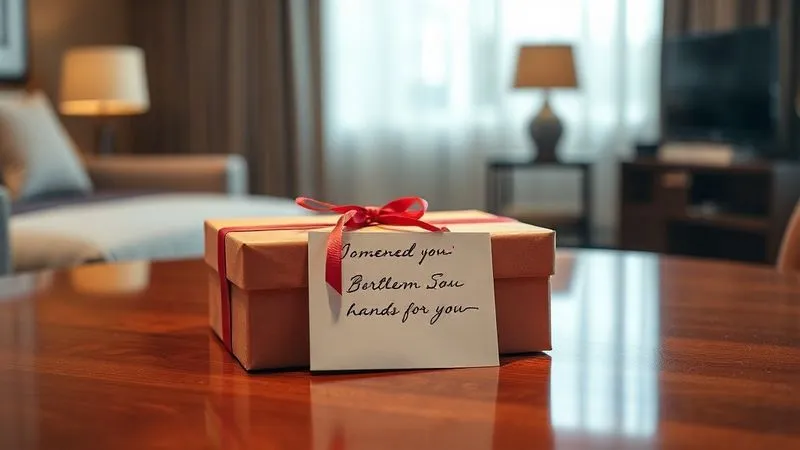
The best compensation is personalized and exceeds expectations. It should not only cover any financial loss but also offer an experience or benefit that genuinely delights the client and makes them feel valued. Think about what would truly matter to *them*.
- Complimentary Upgrade: If a hotel booking was mishandled, offer a significant room upgrade or a suite for their next stay.
- Exclusive Experience: Provide access to a private event, a special tour, or a unique dining experience they wouldn't normally access.
- Personalized Gift: A high-end item from their favorite brand, a rare bottle of wine, or a custom piece of art relevant to their interests.
- Future Service Credit: A substantial credit towards their next concierge service, demonstrating faith in your future performance.
Case Study: The Lost Anniversary in Paris
Problem: A high-net-worth couple relied on their luxury concierge to book a specific, highly sought-after Michelin-starred restaurant for their 25th wedding anniversary in Paris. Due to a system error, the reservation was never confirmed, and they arrived to find no table available on their special night.
Recovery: The concierge team, alerted by the restaurant, immediately sprang into action. They contacted the couple en route to apologize profusely, taking full responsibility. While the original restaurant was impossible, they leveraged their network to secure a private chef for an exquisite, multi-course meal prepared in the couple's luxury apartment suite, complete with a sommelier and live classical music – all within two hours. They also arranged for a bespoke, hand-engraved crystal vase as an anniversary gift, and a complimentary, fully-paid weekend trip to a Tuscan villa for their next anniversary. The lead concierge personally oversaw every detail, including a handwritten apology note and a follow-up call the next morning.
Result: The couple was initially devastated but profoundly touched by the swift, personalized, and over-the-top recovery. They not only continued their relationship with the concierge service but became even more loyal, referring several high-profile friends, praising the service's ability to turn a disaster into an unforgettable, intimate experience. This case perfectly illustrates how to recover client trust after a luxury concierge service failure by turning a negative into an opportunity for extraordinary service.
Re-establishing Trust Through Consistent Excellence
A single, brilliant recovery effort is a powerful start, but sustained trust is built on consistent, flawless execution moving forward. Luxury clients are discerning; they will be watching closely to see if the failure was an anomaly or a symptom of deeper issues. This phase is about proving your renewed commitment to excellence.
Every subsequent interaction becomes an opportunity to reinforce their decision to remain with your brand. This requires a cultural shift towards proactive quality assurance and a commitment to continuous improvement across all touchpoints.
Implementing Robust Quality Control Measures
Preventing future failures is the ultimate goal. This involves putting robust systems and checks in place, ensuring that the root causes identified earlier are permanently addressed. Quality control in luxury concierge isn't about rigid checklists, but about embedding a culture of meticulous attention to detail and anticipatory service.
- Enhanced Pre-Checks: Implement double or triple checks for all critical bookings, reservations, and itineraries before client delivery.
- Vendor Audits: Regularly review and re-qualify all third-party vendors (transport, hotels, experiences) to ensure they meet your exacting standards.
- Communication Protocols: Standardize and refine internal and external communication flows to minimize misunderstandings.
- Post-Service Follow-ups: Institute proactive follow-up calls or messages after every major service delivery to gauge satisfaction and catch any emerging issues early.
As experts at Deloitte often emphasize, the future of luxury hinges on delivering experiences that are not just high-quality but also highly personalized and consistently reliable.
| Metric Category | Key Performance Indicator (KPI) | Target | Monitoring Frequency |
|---|---|---|---|
| Service Delivery | On-time arrival rate (transport) | 99.5% | Weekly |
| Client Satisfaction | Post-service feedback score (NPS/CSAT) | 90%+ | After each major service |
| Accuracy | Booking error rate | 0.1% | Monthly |
| Response Time | Initial client query response time | <15 minutes | Daily |
Empowering Your Team: The Frontline of Trust Recovery
Your concierges are the face of your brand, and their ability to handle pressure, empathize, and problem-solve is paramount to trust recovery. Investing in their training and empowerment is not an expense; it's an investment in your brand's resilience and reputation.
When a service failure occurs, an empowered concierge who feels confident to act swiftly and decisively can often mitigate the damage before it escalates. Conversely, a disempowered team member, bound by rigid rules, can exacerbate the situation.
Training for Empathy and Problem-Solving
Beyond standard operational training, focus on soft skills critical for luxury service recovery:
- Active Listening: Teach concierges to truly hear and understand the client's frustration, not just the facts of the complaint.
- Emotional Intelligence: Develop their ability to read non-verbal cues and respond appropriately to a client's emotional state.
- Empowered Decision-Making: Provide clear guidelines and boundaries within which concierges can make immediate decisions regarding compensation or alternative solutions, without constant managerial approval.
- Scenario-Based Training: Role-play various service failure scenarios, from minor hiccups to major crises, to build confidence and refine responses.
- Stress Management: Equip them with techniques to remain calm and composed under pressure, ensuring they project professionalism even in difficult situations.
"The most effective service recovery often happens at the point of contact. Empowered employees, armed with empathy and solutions, are your greatest asset in rebuilding trust."
Soliciting and Acting on Feedback: The Continuous Loop
Even after a successful recovery, the journey to rebuilding trust isn't over. Actively seeking and genuinely acting upon client feedback is a critical, ongoing process. It demonstrates humility, a commitment to learning, and a proactive approach to preventing future issues. This is especially true when learning how to recover client trust after a luxury concierge service failure.
Don't just ask for feedback; show that you value it by acknowledging it and communicating any changes or improvements made as a direct result of their input. This closes the loop and reinforces the client's sense of being heard and respected.
Structured Feedback Mechanisms for Luxury Clients
While an informal chat can be valuable, structured feedback mechanisms provide actionable data:
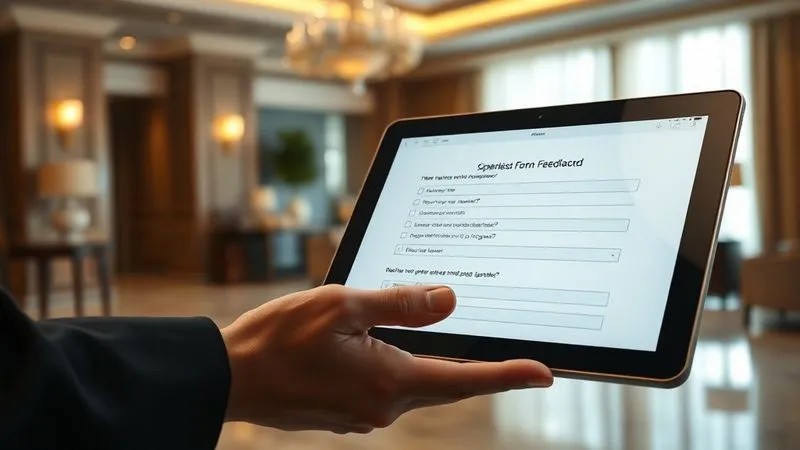
- Post-Recovery Survey: A short, discreet survey specifically about their recovery experience, focusing on satisfaction with the resolution and overall handling.
- Dedicated Feedback Channel: A direct line (email, specific contact person) for clients to provide ongoing suggestions or concerns.
- Client Advisory Board: For your most valued clients, consider inviting them to a small, exclusive advisory board to gather insights and foster a deeper sense of partnership.
- Net Promoter Score (NPS) with Comments: Beyond the score, the qualitative comments are invaluable for understanding sentiment and areas for improvement.
As industry experts like Shep Hyken consistently highlight, customer feedback is a gift, especially when it comes from clients who have experienced a service failure. It provides unique insights into your vulnerabilities and opportunities for growth.
Cultivating Long-Term Relationships: Beyond the Transaction
Ultimately, recovering client trust after a service failure is about transforming a negative event into an opportunity to deepen the relationship. It's about demonstrating that your luxury concierge service is not just a provider, but a trusted partner dedicated to their well-being and satisfaction, even when things go awry.
This long-term perspective shifts the focus from transactional recovery to relational investment. It requires consistent effort, personalized attention, and a genuine commitment to understanding and anticipating their evolving needs.
Personalized Engagement and Anticipatory Service
Once trust is on the mend, proactively nurture the relationship:
- Anticipatory Service: Use past data and preferences to anticipate future needs, offering solutions before they even realize they need them.
- Personalized Communications: Send personalized updates, relevant recommendations, or thoughtful messages that aren't tied to a specific booking.
- Exclusive Invitations: Offer access to exclusive events, private previews, or bespoke experiences that align with their interests.
- Relationship Management: Assign a dedicated relationship manager who serves as their single point of contact, ensuring continuity and deep understanding of their preferences.
Building these deep, meaningful relationships is the hallmark of true luxury service, creating a loyalty that transcends individual incidents. The Luxury Institute's research consistently shows that personalized engagement is the top driver of loyalty among high-net-worth consumers.
By focusing on these strategies, you can not only recover client trust after a luxury concierge service failure but elevate your brand's reputation as one that truly stands by its clients, through thick and thin. This resilience and dedication are what truly define luxury excellence.
Frequently Asked Questions (FAQ)
Q: How quickly should I respond to a luxury client's complaint? A: Immediate response is critical. Ideally, within minutes of identifying the issue, or at most within an hour. Luxury clients expect proactive communication and swift action. A delayed response can often escalate frustration more than the initial service failure itself, signaling a lack of care or attention.
Q: What if the client is still angry after my apology and resolution? A: First, allow them space to express their anger; validate their feelings without becoming defensive. Reiterate your apology and commitment to their satisfaction. Offer additional, unexpected gestures of goodwill or compensation, focusing on personalized value. Sometimes, a direct, in-person conversation with a senior leader can help to rebuild that personal connection and demonstrate the highest level of commitment to their happiness. Patience and persistent, empathetic outreach are key.
Q: Should I offer a refund or an alternative compensation? A: It depends on the nature and severity of the failure. For direct financial losses, a full refund is usually expected. However, for emotional impact or significant inconvenience, alternative compensation (e.g., a complimentary upgrade, an exclusive experience, future service credit) often holds more value in the luxury sector. The best approach is to offer a tailored solution that addresses both the financial aspect and the emotional impact, often going beyond what is strictly required.
Q: How do I prevent future service failures? A: Prevention is multi-faceted. It involves rigorous root cause analysis of every failure, implementing robust quality control measures (e.g., double-checking bookings, vendor audits), investing in continuous staff training (especially in empathy and problem-solving), and fostering a culture of proactive communication and attention to detail. Regularly solicit feedback and act upon it to identify and address potential weaknesses before they become problems.
Q: Is it possible to truly recover trust with a high-net-worth individual after a significant failure? A: Absolutely, yes. While challenging, it is often possible to not only recover but even strengthen trust. High-net-worth individuals value authenticity, accountability, and exceptional problem-solving. A transparent, empathetic, swift, and over-the-top recovery that demonstrates your unwavering commitment to their satisfaction can turn a moment of failure into a testament to your brand's resilience and dedication, forging a deeper, more loyal relationship.
Key Takeaways and Final Thoughts
In the high-stakes world of luxury concierge, a service failure is not the end, but a critical test of your brand's integrity and commitment. How you respond in these moments defines your true value proposition. Remember these core principles:
- Act Swiftly and Apologize Sincerely: Immediate, personalized, and empathetic acknowledgment is paramount.
- Implement Decisive Recovery: Fix the problem efficiently and conduct a thorough root cause analysis to prevent recurrence.
- Communicate Transparently: Keep clients informed, setting realistic expectations throughout the resolution process.
- Offer Proactive & Personalized Compensation: Go beyond mere refunds with tailored gestures of goodwill that delight and exceed expectations.
- Ensure Consistent Excellence: Rebuild trust through flawless execution in all subsequent interactions and robust quality control.
- Empower Your Team: Invest in training your concierges to be empathetic, decisive problem-solvers on the frontline.
- Embrace Feedback: Actively solicit and leverage client feedback for continuous improvement and to demonstrate you truly listen.
Mastering how to recover client trust after a luxury concierge service failure is not just a skill; it's an art form that distinguishes the truly exceptional from the merely good. By embracing these strategies, you transform moments of adversity into powerful opportunities to reaffirm your brand's promise, deepen client loyalty, and solidify your position as a leader in bespoke luxury service. Your resilience in recovery is, in itself, a luxury experience.
Recommended Reading
- 7 Strategies: Securing Elite Panoramic Train Views for High-End Clients
- 5 Smart Strategies: Busy Pros' Guide to Genuine Budget Travel Deals
- Solo Abroad & Sick? 7 Steps to Navigate a Medical Emergency.
- Unlock the Secrets: How to Plan the Perfect Après Ski Evening on a Budget
- Rescue Ready: 7 Steps to Extract an Injured Caver from a Narrow Passage





Your email address will not be published. Required fields are marked *