

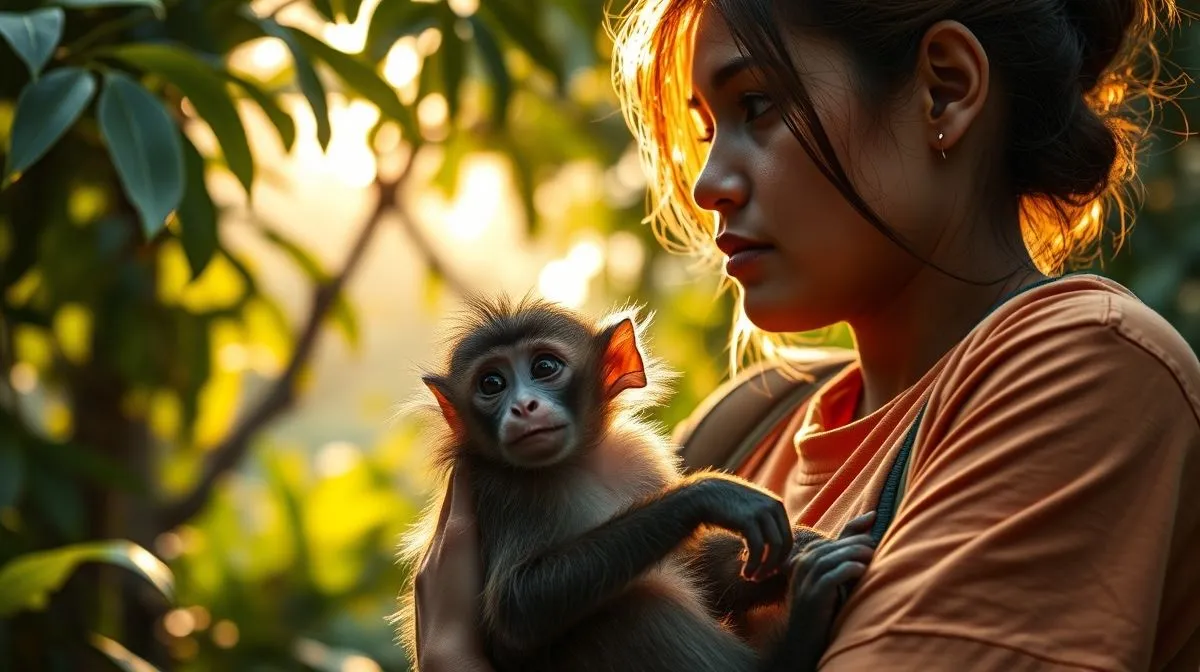
What to Expect as a Wildlife Rescue Volunteer Abroad: An Unforgettable Journey
Imagine waking up to the symphony of the jungle, the distant roar of a big cat, or the chirping of exotic birds. Picture yourself dedicating your days to nurturing injured animals, releasing rehabilitated wildlife back into their natural habitats, and contributing directly to global conservation efforts. This isn't a fantasy; it's the profound reality for thousands of individuals who choose to become wildlife rescue volunteers abroad.
Many dream of this unique experience, drawn by a deep love for animals and a desire to make a tangible difference. But beyond the idyllic images often portrayed, what does this life truly entail? What are the challenges, the daily realities, and the true rewards that shape the journey of a wildlife rescue volunteer abroad?
This comprehensive guide will peel back the layers, offering an authentic look at the highs and lows, the practicalities, and the emotional landscape of international wildlife volunteering. By the end of this reading, you will have a clear understanding of what to expect as a wildlife rescue volunteer abroad, empowering you to embark on this remarkable adventure with clarity and confidence.
The Call of the Wild: Why Volunteer Abroad?
The decision to volunteer abroad, especially in wildlife rescue, stems from a powerful impulse: a desire to protect the planet's most vulnerable creatures and their shrinking habitats. It's an opportunity to move beyond passive observation and become an active participant in conservation.
Beyond Tourism: A Deeper Connection
Unlike traditional tourism, volunteering immerses you in the local culture and environment in a way few other experiences can. You become part of a team, sharing a common goal, and forging connections that transcend borders. This deep engagement fosters a profound appreciation for the interconnectedness of all life.
Addressing Global Conservation Challenges
Wildlife populations worldwide face unprecedented threats, from habitat loss and climate change to poaching and illegal wildlife trade. Volunteer efforts provide crucial support to underfunded sanctuaries and conservation projects, often forming the backbone of their operations. Your hands-on contribution directly aids in the survival and rehabilitation of endangered species.
The benefits of volunteering are multifaceted, impacting both the individual and the global community:
- Direct Impact: Contributing to the rescue, rehabilitation, and release of animals.
- Skill Development: Learning new skills in animal care, first aid, and conservation techniques.
- Cultural Immersion: Experiencing new cultures and ways of life firsthand.
- Personal Growth: Developing resilience, adaptability, and a deeper sense of purpose.
- Global Network: Connecting with like-minded individuals from around the world.
- Environmental Stewardship: Becoming an advocate for wildlife and environmental protection.
Daily Life of a Wildlife Rescuer: More Than Just Cuddles
A typical day as a wildlife rescue volunteer is often demanding, diverse, and deeply rewarding. Forget the romanticized notions of endless animal cuddles; the reality involves hard work, dedication, and often, a lot of cleaning. However, it's precisely this hands-on involvement that makes the experience so impactful.
Morning Routines: Feeding and Cleaning
Your day will likely start early, often before sunrise, with the essential tasks of feeding and cleaning enclosures. This involves preparing specialized diets for various species, ensuring hygienic living conditions, and observing animals for any signs of distress or illness. It's a critical part of animal welfare and disease prevention.
Medical Care and Rehabilitation
Many volunteers assist with the medical care of injured or sick animals. This could involve administering medication, assisting veterinarians during examinations, or providing post-operative care. You might learn basic first aid for animals, bandaging techniques, and how to monitor vital signs under supervision. This aspect is crucial for successful rehabilitation.
Enrichment and Behavioral Observation
Beyond basic care, volunteers often engage in enrichment activities designed to stimulate animals mentally and physically, preparing them for a potential return to the wild. This includes creating toys, hiding food, or setting up challenging environments. Observing animal behavior carefully helps staff assess their progress and readiness for release.
Infrastructure and Maintenance
Wildlife centers are complex operations, and volunteers often contribute to their general upkeep. This can range from repairing enclosures and maintaining trails to planting trees for reforestation efforts. These tasks, though seemingly mundane, are vital for the long-term sustainability and effectiveness of the rescue center.
One volunteer, Sarah, shared her experience working with rescued sloths in Costa Rica: "I spent hours every day cleaning their enclosures, chopping specific leaves for their diet, and meticulously monitoring their weight. It wasn't glamorous, but seeing a sloth regain its strength and eventually be released back into the canopy made every sweaty, bug-bitten moment worth it. It truly showed me what to expect as a wildlife rescue volunteer abroad – hard work, but incredible payoff."
Essential Skills and Qualities for Success
While specific animal care experience is often not a prerequisite (most programs provide training), certain personal qualities and a willingness to learn are crucial for thriving as a wildlife rescue volunteer abroad.
Physical and Mental Resilience
The work can be physically demanding, involving heavy lifting, long hours, and exposure to varying weather conditions. Mentally, you'll need to be prepared for the emotional challenges of working with sick or injured animals, and the potential for difficult outcomes. A positive attitude and ability to cope with stress are invaluable.
Adaptability and Problem-Solving
Things rarely go exactly as planned in the field. You'll encounter unexpected challenges, resource limitations, and diverse working styles. The ability to adapt to new situations, think on your feet, and creatively solve problems is a significant asset.
Empathy and Patience
Working with animals requires immense patience and empathy. Animals heal at their own pace, and rehabilitation can be a slow process. Understanding their needs and responding with compassion, even when frustrated, is paramount. This extends to working with local communities and fellow volunteers, too.
Teamwork and Communication
You'll be part of a diverse team, often from different cultural backgrounds. Effective communication, active listening, and a willingness to collaborate are essential for a harmonious and productive environment. Everyone plays a part in the success of the rescue mission.
Key qualities that make a successful wildlife volunteer include:
- Strong Work Ethic: Willingness to undertake demanding and sometimes repetitive tasks.
- Open-mindedness: Readiness to embrace new cultures and challenging living conditions.
- Initiative: Proactively seeking tasks and solutions.
- Respect: For animals, local communities, and the environment.
- Humility: Understanding that you are there to learn and support, not to be a hero.
Navigating the Challenges: What to Prepare For
While immensely rewarding, volunteering abroad is not without its difficulties. Being prepared for these challenges can significantly enhance your experience and prevent burnout.
Emotional Toll and Burnout
Witnessing animal suffering, the loss of an animal, or the sheer scale of conservation challenges can be emotionally taxing. It's vital to practice self-care, talk about your feelings with others, and recognize when you need a break. Many programs offer support, but personal resilience is key.
Rustic Living Conditions
Many wildlife rescue centers are located in remote areas with basic amenities. Expect shared accommodations, limited electricity, intermittent internet access, and simple diets. Embracing these conditions as part of the adventure rather than a hardship will make your stay more enjoyable.
Cultural Differences and Language Barriers
Volunteering in a foreign country means navigating cultural nuances and potential language barriers. Learning a few phrases in the local language, being respectful of local customs, and maintaining an open mind will facilitate smoother interactions and a richer cultural experience.
Ethical Dilemmas and Responsible Tourism
Unfortunately, not all volunteer programs operate with the highest ethical standards. You might encounter situations where animal welfare practices are questionable or where the project's impact on local communities is negative. It's crucial to research thoroughly before committing. Look for organizations that prioritize true conservation and animal welfare, and avoid those that promote direct, unnatural interactions with wild animals, which can often be detrimental to their long-term well-being. For more on ethical volunteering, consult resources like the Responsible Travel guidelines.
Choosing the Right Program: Due Diligence is Key
Selecting the right wildlife rescue program is perhaps the most critical step. A reputable organization will ensure your safety, provide meaningful work, and genuinely contribute to conservation.
Researching Reputable Organizations
Start by researching organizations extensively. Look for established programs with transparent operations, clear mission statements, and positive reviews from former volunteers. Websites like GoAbroad.com or VolunteerMatch can be starting points, but always dig deeper.
Accreditation and Transparency
Prioritize organizations that are accredited by recognized conservation bodies or have strong affiliations with scientific institutions. Transparency in their financial dealings, animal care protocols, and release strategies is a good indicator of legitimacy. Organizations like the International Union for Conservation of Nature (IUCN) or the World Wildlife Fund (WWF) often partner with or endorse reputable projects.
Project Focus: Rehabilitation vs. Conservation
Understand the primary focus of the program. Is it primarily a rescue and rehabilitation center aiming to release animals back into the wild? Or is it a sanctuary for animals that cannot be released, focusing on lifetime care? Both are valuable, but their daily activities and ethical considerations can differ significantly.
Understanding Costs and Inclusions
Volunteer programs often come with fees. Understand what these fees cover (accommodation, food, training, project contribution) and what they don't (flights, visas, personal expenses). A transparent breakdown of costs is a sign of a well-managed program.
A checklist for selecting a program:
- Clear Mission: Does it align with your values?
- Ethical Practices: Do they prioritize animal welfare and conservation over tourism?
- Volunteer Support: What training, supervision, and emergency support is provided?
- Transparency: Are their finances and operations open?
- Impact Measurement: Do they demonstrate tangible conservation outcomes?
- Reviews: What do past volunteers say about their experiences?
The Profound Impact: Your Legacy as a Volunteer
Beyond the daily tasks and challenges, the true reward of being a wildlife rescue volunteer abroad lies in the profound impact you make, both on the animals and on yourself.
Direct Animal Welfare Contributions
Every meal prepared, every enclosure cleaned, and every wound treated directly contributes to the survival and well-being of individual animals. You become a crucial part of their journey from vulnerability to recovery, and for some, to freedom. This direct connection is incredibly powerful.
Community Engagement and Education
Many programs work closely with local communities, engaging them in conservation efforts and educating them about wildlife protection. Volunteers often participate in these outreach activities, fostering a sense of shared responsibility and building long-term sustainable solutions.
Personal Growth and Skill Development
The experience will push your boundaries, testing your resilience and adaptability. You'll develop practical skills in animal care, communication, and problem-solving. More importantly, you'll gain a deeper understanding of global environmental issues and your place in addressing them. This personal transformation is often cited as one of the most significant takeaways.
Long-Term Conservation Efforts
Your contribution, no matter how small it may seem on a daily basis, is part of a larger, ongoing conservation effort. By supporting these vital organizations, you help secure a future for endangered species and preserve biodiversity for generations to come. Your legacy is not just in the individual animals you help, but in the broader movement you support.
As one former volunteer, Mark, reflected after his time in Thailand, "I went expecting to help animals, and I did. But I didn't expect how much it would change me. I learned patience, resilience, and a profound respect for the delicate balance of nature. It truly shaped what I want to do with my life."
Frequently Asked Questions (FAQ)
Is prior experience required to volunteer with wildlife abroad? Generally, no prior experience is required. Most reputable programs provide comprehensive training upon arrival, focusing on animal care, safety protocols, and specific project tasks. A passion for animals and a willingness to learn are usually the most important prerequisites.
How long should I volunteer for to make a meaningful impact? The duration can vary, but most programs suggest a minimum of 2-4 weeks to allow volunteers to fully integrate, learn the routines, and contribute effectively. Longer stays often allow for deeper involvement and more specialized tasks.
What vaccinations and health precautions do I need before volunteering abroad? This depends heavily on the destination country. Common recommendations include vaccinations for Tetanus, Hepatitis A & B, Typhoid, and Rabies. Consult your doctor or a travel clinic well in advance (6-8 weeks) to get personalized advice and ensure you are up-to-date on all necessary immunizations and preventative measures like malaria prophylaxis.
Can I interact directly with all the animals I help rescue? No, direct interaction with animals, especially wild ones, is often limited and highly controlled. Ethical wildlife rescue centers prioritize the animals' welfare and their eventual release. Human interaction can habituate animals, making their return to the wild difficult or impossible. You will primarily observe, feed, clean, and assist with medical care from a safe distance, as appropriate for the species.
Is it safe to volunteer abroad in remote wildlife areas? Reputable programs prioritize volunteer safety, providing secure accommodation, clear emergency protocols, and guidance on local risks. However, you will be in remote areas and potentially exposed to wildlife and tropical diseases. Following guidelines, staying vigilant, and being prepared for basic living conditions are crucial for a safe experience.
Recommended Reading
- Unlock Your Dream Cruise: How Much to Budget for a First-Time Voyage?
- Unlock the Secrets: How to Stay Safe During River Crossings on Adventure Treks
- Unlock Festival Freedom: How to Ensure Personal Safety at Music Festivals?
- The Ultimate Guide: How to Select Family Friendly Tours for All Ages
- Unraveling India's Culinary Tapestry: How Regional Indian Curries Differ by State
Conclusion
Embarking on a journey as a wildlife rescue volunteer abroad is an experience unlike any other. It demands dedication, resilience, and an open heart, offering in return unparalleled opportunities for personal growth and a tangible contribution to global conservation. You will face challenges, but the rewards—the profound connection with nature, the camaraderie with like-minded individuals, and the knowledge that you have directly helped save a life—are immeasurable. Understanding what to expect as a wildlife rescue volunteer abroad prepares you not just for the practicalities, but for the transformative power of this unique calling. If the wild calls to you, answer it with purpose, preparation, and an unwavering commitment to making a difference.




Your email address will not be published. Required fields are marked *