

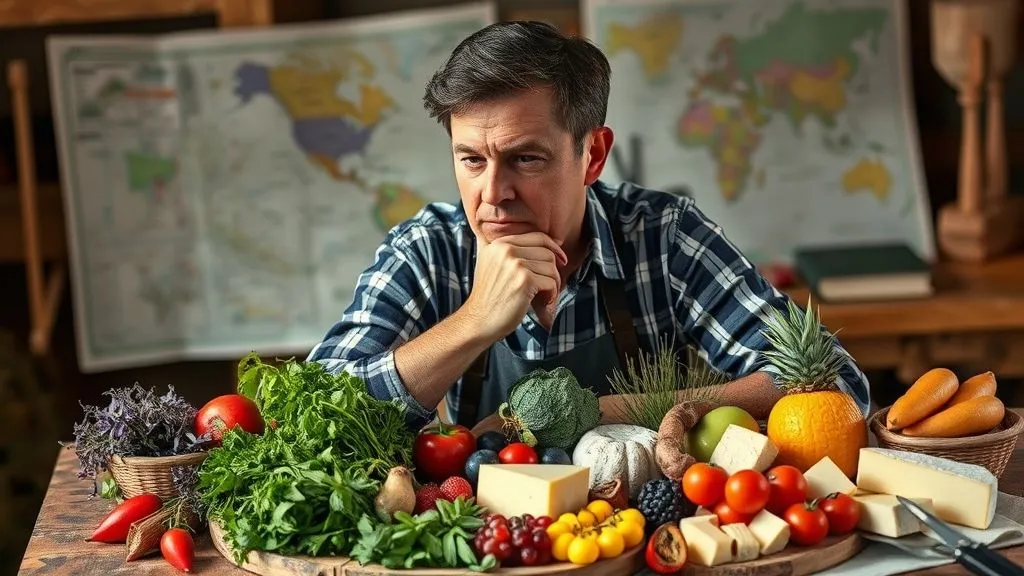
What's the best strategy to monetize niche food travel workshops?
For over 15 years in the specialized world of food travel, I've seen countless passionate culinary entrepreneurs pour their hearts into creating incredible experiences, only to stumble when it comes to sustainable monetization. They offer authentic, unforgettable workshops, yet struggle to translate that unique value into consistent, significant profit.
The core problem often lies in viewing these workshops merely as a series of events, rather than as a holistic, scalable business. Many undervalue their expertise, misprice their offerings, or fail to explore the diverse revenue streams available within this vibrant niche.
In this definitive guide, I'll share the frameworks, actionable strategies, and expert insights I've gathered from years of navigating the food travel landscape. We'll delve into how to build a robust monetization model that ensures your niche food travel workshops not only survive but thrive, transforming your passion into a truly profitable venture.
1. Crafting Irresistible, Premium-Priced Experiences
The foundation of effective monetization for niche food travel workshops isn't just about selling a class; it's about selling an unparalleled experience. Your target audience for niche food travel isn't looking for the cheapest option; they're seeking authenticity, exclusivity, and deep cultural immersion.
The Value Proposition: Beyond Just Cooking
Your unique selling proposition (USP) must extend far beyond the act of cooking or eating. It’s about the stories, the people, the access to local secrets, and the transformation a participant undergoes. Think about what makes your offering truly special.
- Identify Your Core Niche: Are you focusing on ancient grain baking in rural Italy, foraging for wild mushrooms in the Pacific Northwest, or mastering street food techniques in Southeast Asia? The narrower the niche, the stronger your appeal to a dedicated audience.
- Highlight Exclusivity & Access: Do participants get to meet a renowned local chef, visit a private farm, or learn a secret family recipe? Emphasize access that others can't easily replicate.
- Weave a Compelling Narrative: Every dish, every ingredient, and every location has a story. Integrate these narratives into your workshop, making it an immersive cultural journey, not just a lesson.
- Emphasize Transformation: What will participants gain? New skills, a deeper cultural understanding, unforgettable memories, or even a sense of personal growth? Frame the outcome as a valuable transformation.
Remember: People pay a premium for experiences that are difficult to find, deeply personal, and leave a lasting impact. Your marketing should reflect this elevated value.
Strategic Pricing: Perceived Value vs. Cost-Plus
Pricing your workshops is more art than science, especially in the niche experience economy. While understanding your costs is crucial, relying solely on a cost-plus model often undervalues your offering. Instead, focus on perceived value.
Consider what your ideal client would be willing to pay for such a unique, curated experience. Research competitor pricing, but don't be afraid to position yourself at the higher end if your value proposition justifies it. Premium pricing can also signal quality and exclusivity, attracting the right clientele.
"Price is what you pay. Value is what you get." - Warren Buffett. In niche food travel, your value is immense; price accordingly.
Here’s a comparison of common pricing models that can be adapted for food travel workshops:
| Pricing Model | Description | Pros | Cons |
|---|---|---|---|
| Cost-Plus Pricing | Calculate total costs (ingredients, venue, guide, marketing) and add a desired profit margin. | Simple, ensures profit per workshop. | Ignores perceived value, can undervalue unique experiences. |
| Value-Based Pricing | Price based on the perceived value to the customer, not just internal costs. Requires deep understanding of target audience. | Maximizes profit, aligns with premium niche offerings. | Requires strong market research and confidence in value proposition. |
| Tiered Pricing | Offer different packages (e.g., basic workshop, deluxe with extra perks, VIP private session).• | Appeals to wider budget ranges, upselling opportunities. | Can complicate logistics, requires clear differentiation between tiers. |
| Dynamic Pricing | Adjust prices based on demand, seasonality, or booking lead time. Common in travel. | Maximizes revenue during peak times, fills off-peak slots. | Can be complex to manage, potential for customer dissatisfaction if not transparent. |
I always advise starting with a value-based approach, then exploring tiered or dynamic elements as you gain experience and understand your market better.
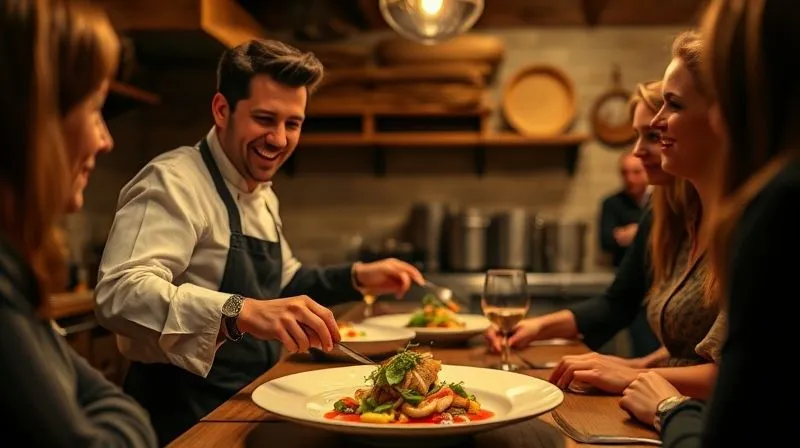
2. Diversifying Revenue Streams Beyond the Workshop Fee
Relying solely on the workshop fee is a common mistake that limits monetization potential. The most successful food travel businesses understand the power of multiple income streams. Think of your workshop as the core, around which you build an ecosystem of related products and services.
Merchandise & Local Product Sales
Your workshop participants are often deeply engaged and eager to take a piece of the experience home. This presents a prime opportunity for additional sales.
- Branded Merchandise: Think high-quality aprons, cutting boards, recipe books featuring your workshop's dishes, or even custom spice blends. These serve as both revenue streams and marketing tools.
- Local Artisanal Products: Partner with the local producers you feature in your workshops (e.g., olive oil producers, cheesemakers, ceramicists). Offer their products for sale, either on-site or through an online shop. This supports local communities and enhances the authenticity of your brand.
- Ingredient Kits: After a successful cooking workshop, offer a curated kit with hard-to-find ingredients so participants can recreate the magic at home.
Ensure these additional offerings are high-quality and genuinely extend the workshop experience, not just add-ons for the sake of it. Authenticity is key.
Partnerships & Affiliate Marketing
Strategic partnerships can significantly boost your reach and revenue without requiring massive upfront investment.
- Accommodation Providers: Collaborate with boutique hotels or guesthouses in your destination. Offer packaged deals that include accommodation and your workshop, earning a commission on bookings.
- Local Businesses: Partner with local transport services, other tour operators (e.g., historical walking tours), or even local restaurants for special dining experiences pre- or post-workshop.
- Travel Agencies & Niche Tour Operators: These partners already have an established client base. Offer them a commission for bringing participants to your workshops.
- Affiliate Marketing: Recommend products or services (e.g., specific cooking tools, travel gear, local food products) through your website or post-workshop communications, earning a commission on sales made through your unique link.
"Collaboration, not competition, is the key to growth in a specialized market. Seek out partners who complement your offerings and share your values." - My personal mantra for niche businesses.
Online Courses & Digital Products
Your expertise isn't confined to a physical location. Leverage your knowledge to create scalable digital products that can reach a global audience, even those who can't travel to your workshops.
- Develop Signature Online Courses: Break down your workshop content into a structured online course. This could be a comprehensive cooking series, a deep dive into regional culinary history, or a guide to sourcing specific ingredients.
- E-books & Recipe Collections: Compile your workshop recipes, stories, and tips into beautifully designed e-books. These can be sold at a lower price point, acting as an entry-level product or an upsell.
- Exclusive Memberships: Create a members-only community offering exclusive content, live Q&A sessions, advanced recipes, or early access to new workshops. This builds loyalty and recurring revenue.
- Webinars & Virtual Tastings: Host paid virtual events that offer a taste of your in-person experience, potentially converting attendees into future workshop participants.
Starting with a simple e-book or a mini-course can be a great way to test the waters before investing in a full-fledged online program.
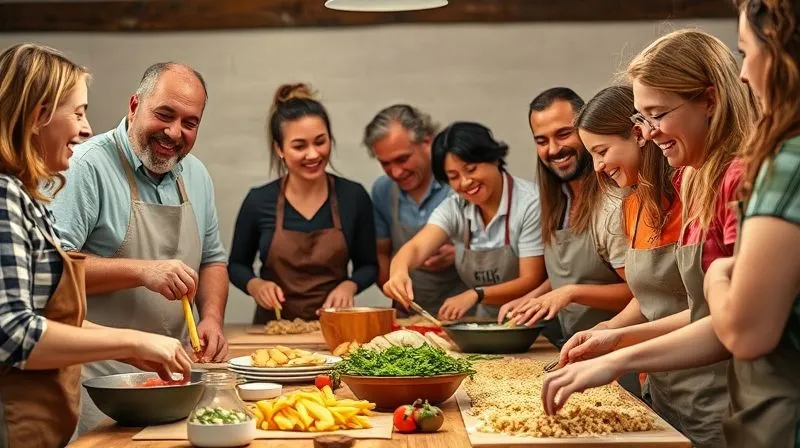
3. Mastering Marketing & Sales for Niche Audiences
Even the most incredible workshop won't monetize effectively if the right people don't know about it. Niche marketing requires precision, authenticity, and a deep understanding of your ideal culinary traveler.
Identifying Your Ideal Culinary Traveler
Who is your workshop for? Go beyond basic demographics. Understand their psychographics: their motivations, values, aspirations, and pain points. Are they adventurous foodies, cultural explorers, aspiring home chefs, or sustainable tourism advocates?
- Create detailed buyer personas: Give them names, backstories, interests, and preferred communication channels. This helps tailor your messaging.
- Understand their travel habits: Do they prefer solo travel, small groups, luxury, or budget-friendly options? How far in advance do they plan?
- Pinpoint their culinary interests: Are they interested in specific cuisines, techniques, ingredients, or food traditions?
The more precisely you define your audience, the more effectively you can reach them.
Content Marketing That Sells the Experience, Not Just the Food
Your content should evoke the sensory richness and emotional depth of your workshops. Don't just show a finished dish; show the journey, the hands-on process, the cultural context, and the joy of discovery.
- High-Quality Visuals: Invest in professional photography and videography. Showcase the destination, the local people, the vibrant ingredients, and the interaction among participants. Visual storytelling is paramount.
- Authentic Storytelling: Share blog posts, social media updates, and newsletters that tell the stories behind the food, the traditions, and the people you encounter. This builds an emotional connection.
- Participant Testimonials: Authentic reviews and testimonials from past participants are incredibly powerful social proof. Encourage them to share their experiences on social media.
As Forbes highlights, experiential marketing is key. Your content should make potential participants *feel* what it's like to be there.
Leveraging SEO & Social Media for Discovery
To ensure your niche audience finds you, a targeted digital strategy is essential.
- Niche SEO: Focus on long-tail keywords that your specific audience would use (e.g., "Tuscan truffle hunting workshop for foodies," "vegan cooking class Chiang Mai," "historical bread making tour France"). Optimize your website content, blog posts, and workshop descriptions.
- Visual Social Platforms: Instagram and Pinterest are goldmines for food travel. Use high-quality images and videos, compelling captions, relevant hashtags, and engage with your followers. Show, don't just tell.
- Targeted Advertising: Use social media advertising platforms (Facebook, Instagram) to target specific demographics and interests that align with your buyer personas. Lookalike audiences can be very effective.
- Email Marketing: Build an email list from website visitors and past participants. Offer exclusive content, early bird access, and special promotions. This is one of the most effective channels for conversions.
Case Study: "From Plate to Profit: Maria's Tuscan Truffle Hunts"
Maria, a passionate Italian-American chef, launched a truffle hunting and cooking workshop in Tuscany. Initially, she struggled with low bookings, despite offering a truly authentic experience. Her problem: generic marketing that didn't highlight her unique value, and a reliance on word-of-mouth.
Her Strategy:
- Hyper-Niche Targeting: Maria refined her target audience to "affluent, adventurous foodies aged 40-65, primarily from North America and Northern Europe, seeking authentic, hands-on culinary immersion."
- Content Overhaul: She hired a professional photographer to capture the magic of the truffle hunt, the rustic kitchen, and the joy of her participants. Her blog posts became rich narratives about Tuscan traditions, the truffle dogs, and the local families she partnered with.
- Strategic Partnerships: Maria forged exclusive agreements with three high-end agriturismos in Tuscany, offering her workshop as a premium add-on to their guests. She also partnered with a specialized luxury travel agency.
- SEO Focus: She optimized her website for phrases like "luxury truffle hunting Tuscany," "gourmet Tuscan cooking class," and "authentic Italian culinary experience."
The Results: Within 18 months, Maria's bookings increased by 300%. She was able to raise her workshop prices by 25% due to high demand and perceived value. Her partnerships provided a consistent stream of qualified leads, and her engaging content transformed her website into a hub for Tuscan culinary enthusiasts. She successfully monetized her niche by focusing on precision, quality, and strategic collaboration.
4. Building Scalability & Operational Efficiency
Monetization isn't just about increasing revenue; it's also about optimizing your operations to ensure profitability. As your workshops grow in popularity, efficiency becomes paramount to maintain quality and avoid burnout.
Optimizing Logistics & Supplier Relationships
Streamlined logistics are the backbone of a successful food travel workshop. Every detail, from ingredient sourcing to transportation, needs to be meticulously planned.
- Standardize Processes: Create detailed checklists and standard operating procedures (SOPs) for every aspect of your workshop, from setup to cleanup. This ensures consistency and makes training new staff easier.
- Cultivate Strong Supplier Relationships: Build trust and loyalty with your local farmers, markets, and ingredient suppliers. Negotiate favorable terms, ensure reliable delivery, and prioritize quality. These relationships are critical for authenticity and cost control.
- Contingency Planning: Always have backup plans for unexpected issues, whether it's a sudden ingredient shortage, a guide falling ill, or adverse weather conditions.
Efficient logistics directly impact your profit margins and the overall participant experience.
Training & Empowering Local Guides/Chefs
As you scale, you can't be everywhere at once. Empowering a team of local guides and chefs is essential for growth while maintaining the quality and authenticity of your brand.
- Comprehensive Training: Develop a thorough training program that covers not only the culinary aspects but also your brand's storytelling, customer service standards, and safety protocols.
- Cultural Immersion: Ensure your team understands and can articulate the cultural significance of the food and traditions they are sharing. They are ambassadors of your brand and the local culture.
- Empowerment & Trust: Give your team the autonomy to make decisions within defined guidelines. Trust them to deliver the experience you've designed. Regular feedback and support are crucial.
A well-trained and empowered team allows you to expand your offerings or run multiple workshops simultaneously, directly impacting your monetization capacity.
Technology Integration for Seamless Bookings & Management
In today's digital age, manual booking and management are inefficient and prone to error. Technology can automate many administrative tasks, freeing you to focus on the experience itself.
- Online Booking Platforms: Utilize specialized booking software (e.g., FareHarbor, Rezdy, PeekPro) that integrates with your website. These platforms handle reservations, payments, cancellations, and participant communication efficiently.
- Customer Relationship Management (CRM): Implement a CRM system to manage participant data, track preferences, and personalize communications. This is invaluable for building loyalty and understanding your clientele.
- Email Marketing Automation: Tools like Mailchimp or ConvertKit can automate welcome sequences, pre-workshop information, post-workshop follow-ups, and promotional campaigns.
- Accounting Software: Integrate accounting software to track income, expenses, and profitability, providing clear insights into your business's financial health.
As Skift often emphasizes, the right tech stack is critical for scaling any experiential travel business. It streamlines operations and enhances the customer journey, making monetization smoother and more effective.
5. Cultivating Community & Repeat Business
The most sustainable and profitable businesses aren't built on one-off sales, but on loyal customers who return repeatedly and refer others. For niche food travel, building a strong community around your brand is a powerful monetization strategy.
Post-Workshop Engagement: Keeping the Connection Alive
The experience doesn't end when the workshop does. Foster an ongoing relationship with your participants.
- Follow-up Emails: Send personalized thank-you notes, share additional recipes, photos from the workshop (with permission), or recommendations for further culinary exploration.
- Exclusive Content: Offer past participants access to a private online group, a special newsletter with advanced recipes, or behind-the-scenes glimpses of your new ventures.
- Host Alumni Events: Organize virtual or in-person reunions, special tastings, or exclusive masterclasses for your alumni community.
This continued engagement keeps your brand top-of-mind and nurtures a sense of belonging.
Loyalty Programs & Referral Incentives
Directly incentivize repeat business and word-of-mouth marketing, which are incredibly potent in the niche travel space.
- Loyalty Discounts: Offer a percentage off future workshops for returning participants.
- Referral Bonuses: Provide a discount or a special gift to participants who refer new clients who book a workshop. This turns your satisfied customers into your best sales force.
- Early Bird Access: Give loyal customers exclusive early access to new workshop dates or limited-edition experiences.
"A customer is the most important visitor on our premises. He is not dependent on us. We are dependent on him. He is not an interruption in our work. He is the purpose of it." - Mahatma Gandhi. This sentiment holds true for building a thriving food travel business.
Transforming Participants into Brand Ambassadors
Your most enthusiastic participants can become powerful, unpaid marketing assets. Encourage them to share their experiences and amplify your message.
- Encourage User-Generated Content: Ask participants to share their photos, videos, and stories on social media, tagging your brand. Consider running contests for the best content.
- Feature Testimonials Prominently: Showcase glowing reviews and photos from past participants on your website and social channels.
- Create Shareable Moments: Design elements within your workshop that are inherently Instagrammable or shareable – a stunning plating, a unique location, a memorable interaction.
When participants become genuine advocates, your marketing reach expands exponentially and authentically.

Frequently Asked Questions (FAQ)
Q: How do I price a workshop that includes high-cost, seasonal ingredients like truffles or rare spices? A: When working with high-cost ingredients, it's crucial to factor their fluctuating prices into your base cost, often with a buffer. However, rather than just passing on the cost, emphasize the exclusivity and quality these ingredients bring to the experience. Position it as a premium offering where the exceptional ingredients are a core part of the value. Consider offering tiered pricing: a standard workshop and a 'deluxe' option featuring these rare ingredients, allowing customers to choose their level of indulgence. Transparently communicate the value proposition of these ingredients in your marketing to justify the higher price point.
Q: What's the best way to find reliable local partners (e.g., farmers, guides, venues) in a new destination? A: Building trust with local partners is paramount. Start by leveraging local tourism boards, culinary associations, and reputable hotel concierges for recommendations. Attend local food festivals and markets to meet producers directly. Personal introductions from existing trusted contacts are invaluable. Always conduct thorough due diligence, including site visits and trial runs, before committing to a partnership. Look for partners who share your commitment to quality, authenticity, and customer experience. Begin with smaller collaborations to test compatibility before expanding.
Q: Should I offer virtual versions of my workshops, and how can I monetize them effectively? A: Absolutely, virtual workshops are an excellent way to diversify and scale. They allow you to reach a global audience without the logistical complexities of travel. Monetize them by offering different tiers: a basic access pass, a premium pass that includes a curated ingredient kit shipped to participants, or a VIP pass with a one-on-one Q&A with you. Consider pre-recorded courses for evergreen revenue and live interactive sessions for higher engagement and price points. The key is to maintain the experiential quality through engaging instruction, high-quality visuals, and fostering a sense of community even online.
Q: How do I manage quality control and consistency as I start to scale my workshops with more guides or locations? A: Scaling requires robust systems for quality control. Develop comprehensive training manuals and standard operating procedures (SOPs) for every aspect of the workshop, from ingredient selection to storytelling. Implement a 'train the trainer' model if you're bringing on multiple guides. Conduct regular audits and mystery shopping to ensure consistency. Crucially, establish a strong feedback loop: regularly solicit input from both participants and your team, and be prepared to iterate and refine your processes based on that feedback. Consistency in experience is vital for brand reputation.
Q: What's the biggest mistake new food travel workshop owners make when trying to monetize? A: In my experience, the biggest mistake is undervaluing their unique expertise and the immersive experience they offer. This often leads to underpricing, relying on a cost-plus model, and failing to articulate a compelling value proposition. They focus too much on the 'what' (cooking a dish) and not enough on the 'why' (cultural immersion, skill development, unforgettable memories). This results in missed opportunities for premium pricing, diversification, and building a loyal community. Embrace your niche, communicate its unique value, and price with confidence.
Key Takeaways and Final Thoughts
Monetizing niche food travel workshops is far from a simple endeavor, but it's an incredibly rewarding one when approached strategically. It demands a blend of passion, precision, and business acumen. The journey from a great idea to a thriving, profitable enterprise requires a holistic strategy that encompasses more than just delivering an excellent workshop.
- Focus on Premium Value: Price for the experience, not just the ingredients or time. Craft irresistible narratives.
- Diversify Your Income: Look beyond the workshop fee to merchandise, digital products, and strategic partnerships.
- Master Niche Marketing: Understand your ideal client deeply and tell stories that resonate with them through high-quality visuals and targeted channels.
- Build for Efficiency & Scale: Implement systems, empower your team, and leverage technology to optimize operations.
- Cultivate Community: Turn participants into loyal brand ambassadors through ongoing engagement and incentives.
The culinary travel landscape is ripe with opportunity for those willing to innovate and genuinely connect with their audience. By implementing these strategies, you're not just selling a workshop; you're building a sustainable, impactful business that enriches lives and celebrates global culinary heritage. Embrace the journey, trust your expertise, and watch your passion transform into profit. For more insights on thriving in niche markets, I highly recommend exploring resources like the Harvard Business Review on strategic growth.

Recommended Reading
- 7 Proven Steps to Maximize Cultural Learning from Brief Heritage Site Visits
- Unlocking Authentic Cultural Festival Volunteer Roles: Your Ultimate Guide
- 7 Steps to Prevent Greenwashing in Sustainable Travel Marketing
- 5 Pro Strategies: Exclusive Gourmet Dining on Short Business Trips
- 7 Secrets: Plan Scenic Drives to Minimize Crowds & Maximize Views


Your email address will not be published. Required fields are marked *