


How to Recover from a Serious Solo Travel Emergency Abroad?
For over two decades navigating the intricate world of solo travel, I've witnessed firsthand the profound joy and transformative power it offers. But I've also seen the flip side: the sudden, terrifying shift when a dream journey spirals into a nightmare. I recall a client, Sarah, a seasoned solo explorer, who found herself stranded in a remote part of Southeast Asia after a severe bus accident, far from any familiar face or language. Her story, like many others, underscores a critical truth:
The unique vulnerability of solo travel amplifies the impact of any crisis. Without an immediate travel companion, the burden of decision-making, communication, and emotional processing falls entirely on you. Panic can set in, making clear thinking incredibly difficult. The initial shock, the fear of the unknown, the isolation, and the sheer logistical complexity of managing a crisis in a foreign land can feel utterly overwhelming.
This comprehensive guide isn't just a collection of tips; it's a battle-tested framework, forged from years of experience and countless real-world scenarios. My aim is to equip you with an actionable, step-by-step blueprint to not only survive but truly recover from a serious solo travel emergency abroad. We'll delve into immediate responses, bureaucratic navigation, financial recovery, emotional well-being, and ultimately, how to regain your footing and perhaps even find renewed strength.
The Immediate Aftermath: Prioritizing Safety and Communication
When an emergency strikes, the first few minutes and hours are critical. Your primary objective must be to secure your safety and establish vital communication. I've often advised travelers to think of this phase as activating your internal 'emergency protocol' – it’s about swift, decisive action rather than prolonged deliberation.
Securing Your Immediate Environment
- Assess the Immediate Danger: Is the threat ongoing? Are you in a safe location? This could mean moving away from an accident scene, a dangerous crowd, or an unsafe accommodation. Your intuition is a powerful tool here; trust your gut feeling if a situation feels wrong.
- Administer Basic First Aid (If Applicable): If you or someone nearby is injured, apply any basic first aid you know.
Even minor injuries can become serious if not addressed promptly , especially in environments with different sanitation standards. - Locate a Safe Haven: Seek out a well-lit, populated, and officially recognized safe space, such as a police station, hospital, or a reputable hotel lobby. Avoid isolated areas, especially if you're disoriented or injured.
Re-establishing Critical Communication Lines
Once physically safe, your next priority is to connect with your support network. The feeling of isolation is one of the most debilitating aspects of a solo emergency.
- Contact Your Designated Emergency Contacts: Before any solo trip, I always recommend sharing a detailed itinerary and establishing a clear communication plan with 2-3 trusted individuals back home. They should know who to contact if they don't hear from you.
- Reach Out to Your Embassy or Consulate: Your country's diplomatic mission is a crucial resource. They can assist with lost passports, provide lists of local doctors and lawyers, and even help contact family. For U.S. citizens, the U.S. Department of State website offers comprehensive emergency information.
- Notify Your Travel Insurance Provider: This is paramount. Most policies require you to notify them within a specific timeframe (often 24-48 hours) of an incident that might lead to a claim. Delaying this can jeopardize your coverage. Have your policy number and their emergency contact details readily accessible.
"The single most valuable piece of pre-trip preparation for a solo traveler is a clearly defined, shared emergency communication plan. It's your invisible safety net when the unexpected strikes."

Navigating Bureaucracy and Official Channels
Once the immediate danger is managed, you'll inevitably encounter local officialdom. This can be a daunting process, especially with language barriers and cultural differences. My experience has shown that patience, persistence, and meticulous documentation are your best allies.
Engaging with Local Authorities
- Report the Incident Immediately: Whether it's a theft, assault, or accident, file a police report. This document is often essential for insurance claims and proving your situation to your embassy. Be prepared for potential language barriers; ask for an interpreter if needed, or use translation apps.
- Obtain a Copy of the Report: Ensure you get an official, stamped copy of any police report. Note down the officer's name, badge number, and the station's contact information.
- Understand Local Laws and Customs: What might be standard procedure in your home country could be very different abroad. Respect local processes, even if they seem slow or inefficient.
Leveraging Consular Services
Your embassy or consulate isn't just for lost passports. They can offer a range of services designed to assist citizens in distress. While they cannot intervene in local legal matters or provide financial aid, they can often facilitate communication, provide lists of local services, and sometimes even arrange emergency loans from family or friends back home. Always remember, they are there to help, but their capabilities are defined by international law and local sovereignty.
Understanding Travel Insurance: Your Lifeline
I cannot stress this enough:
| Coverage Type | What it Covers | Importance |
|---|---|---|
| Emergency Medical | Hospitalization, doctor visits, medication abroad. | Critical for any health crisis. |
| Emergency Evacuation | Transport to nearest suitable medical facility or home. | Essential for severe injuries/illnesses in remote areas. |
| Trip Interruption/Cancellation | Reimbursement for unused travel costs if you must return early. | Crucial for financial recovery if plans change. |
| Baggage/Personal Effects | Loss, theft, or damage to your belongings. | Helps replace essential items. |
| Personal Liability | Legal costs if you accidentally injure someone or damage property. | Protects against unforeseen legal claims. |
Case Study: How Maria's Travel Insurance Saved Her Journey
Maria, a solo traveler exploring the Amazon rainforest, suffered a severe allergic reaction to an insect bite. Isolated and far from advanced medical care, panic set in. Her quick-thinking contact back home immediately called her travel insurance provider. Within hours, the insurance company arranged for a medical evacuation via small plane to the nearest city with a well-equipped hospital. They covered all medical costs, the evacuation, and even facilitated communication with her family. This allowed Maria to focus on her recovery, not the crushing financial burden, demonstrating the indispensable value of comprehensive coverage when facing a serious solo travel emergency abroad.
Financial Recovery: Managing the Monetary Fallout
A serious emergency can quickly deplete your funds, especially if you're covering unexpected medical bills, emergency flights, or replacing stolen items. Strategic financial management is paramount to your recovery.
Accessing Emergency Funds
- Utilize Backup Credit Cards: Always carry at least two different credit cards, ideally from different networks (Visa/Mastercard) and banks, stored separately. These are invaluable for immediate expenses.
- Emergency Wire Transfers: If you need significant funds, your family can often wire money via services like Western Union or MoneyGram, or directly to your bank account if you have access. Be aware of transfer limits and fees.
- Emergency Funds from Embassy (Last Resort): As mentioned, embassies generally don't provide cash. However, they can sometimes facilitate loans from family or friends back home, acting as an intermediary if you're truly stranded.
Documenting Expenses for Reimbursement
Every single expense related to your emergency – medical bills, new passport fees, emergency transport, replacement of stolen goods –
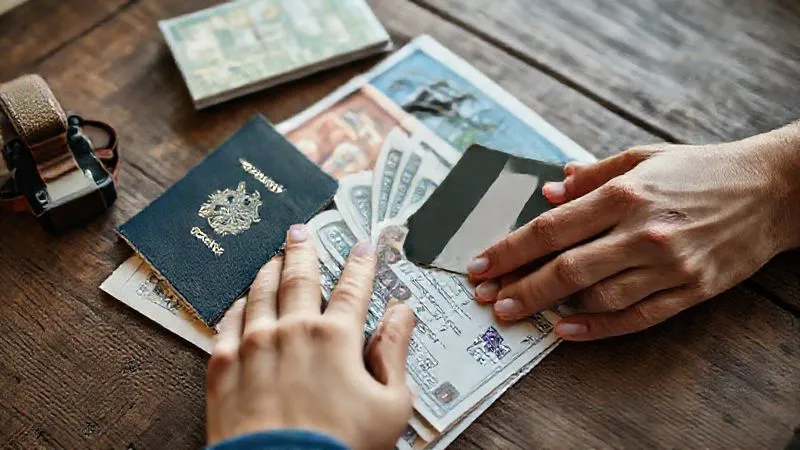
Reclaiming Your Documentation: Passports, Visas, and IDs
Losing your passport or essential identification abroad can feel like losing a piece of yourself, effectively stranding you. This is often one of the most immediate and frustrating hurdles after a theft or accident.
Reporting Lost or Stolen Documents
- File a Police Report: This is the first and most crucial step. You'll need this report for your embassy and potentially for your insurance claim.
- Contact Your Embassy/Consulate: Schedule an appointment immediately. They are the only authority that can issue you new travel documents.
Obtaining Emergency Travel Documents
The process for getting a replacement passport or an emergency travel document (which allows you to return home but often not to continue traveling) varies by country but generally requires:
- Your police report.
- Proof of identity and citizenship (e.g., a copy of your lost passport, birth certificate, driver's license).
- Passport-sized photos (often available at the embassy or nearby).
- Proof of your travel itinerary (flight tickets).
- A fee.
It's a process that demands patience and often takes several days, so factor this into your recovery timeline.
The Emotional Toll: Prioritizing Mental and Physical Well-being
While the logistical and financial aspects of recovery are tangible, the emotional and psychological impact of a serious solo travel emergency abroad can be profound and long-lasting. Ignoring this aspect is a grave mistake I've seen many make.
Acknowledging Trauma and Seeking Support
It's perfectly normal to experience a range of intense emotions: fear, anxiety, anger, sadness, confusion, and even guilt. You might have trouble sleeping, experience flashbacks, or feel disconnected.
- Connect with Your Support Network: Talk to trusted friends and family. Even if they can't physically be there, their emotional support is invaluable.
- Seek Professional Help: If feelings of distress persist or interfere with your daily life, don't hesitate to reach out to a mental health professional. Many services offer remote consultations. Organizations like the World Health Organization provide resources on mental health in emergencies.
- Join Online Communities: There are numerous online forums and groups for travelers who have experienced trauma abroad. Sharing your story and hearing from others can be incredibly therapeutic.
Re-establishing Routine and Self-Care
Even in the midst of chaos, try to build small routines that promote your well-being. These acts of self-care are not luxuries; they are essential for your mental and physical resilience.
- Prioritize Sleep: Aim for consistent sleep, even if it's difficult. Rest is crucial for cognitive function and emotional regulation.
- Maintain Good Nutrition: Eat regular, healthy meals. Avoid excessive caffeine or alcohol, which can exacerbate anxiety.
- Engage in Gentle Physical Activity: A short walk, some stretching, or gentle yoga can help release tension and improve mood.
- Practice Mindfulness or Meditation: Even 10-15 minutes of focused breathing can help calm a racing mind and bring you back to the present moment.
Deciding Your Next Steps: Continue, Pause, or Return?
After navigating the immediate crisis, you'll face a pivotal decision: do you continue your journey, pause for a period of recovery, or cut your trip short and return home? This isn't a decision to be made lightly or under pressure.
Assessing Your Capacity and Desires
Take time for honest self-reflection. Ask yourself:
- Am I physically and mentally capable of continuing?
- Do I still have the desire to travel, or has the incident fundamentally changed my feelings?
- Do I have the financial resources to continue safely?
- Will continuing feel like triumph or further trauma?
Practicalities of Changing Plans
If you decide to alter your itinerary, consider the logistical implications:
- Flights and Accommodation: Can existing bookings be changed or cancelled? What are the associated costs?
- Visa Implications: If you've been granted an emergency travel document, can you use it to travel to other countries, or is it only valid for returning home?
- Insurance Coverage: Will your travel insurance cover the costs of an early return or trip interruption?
"In the aftermath of a crisis, your intuition becomes your most trusted compass. Listen to it. There's no shame in changing your plans if it means prioritizing your well-being."
| Option | Pros | Cons | Considerations |
|---|---|---|---|
| Continue Travel | Sense of accomplishment, reclaim journey, potential for new positive experiences. | Risk of re-traumatization, potential for exhaustion, ongoing anxiety. | Only if truly feeling strong, have a solid support plan, and feel safe. |
| Pause & Recover Locally | Allows time to process, heal, and regain strength without full disruption. | Additional costs for extended stay, potential for boredom/isolation. | Find a safe, comfortable base with access to support and amenities. |
| Return Home | Familiar environment, immediate access to full support network, peace of mind. | Disappointment of unfulfilled trip, potential financial loss. | Prioritize mental health; financial losses are often covered by insurance. |
Building Resilience: Learning from the Experience
While no one wishes for a serious solo travel emergency, navigating one successfully can be a profound, albeit painful, learning experience. It can forge incredible resilience and deepen your understanding of yourself and the world.
Post-Emergency Review and Future Preparedness
Once you're in a stable environment, take time to reflect. What went well during the emergency? What could have been handled differently? Use this experience to refine your future travel preparedness:
- Update your emergency contact list and communication plan.
- Review your travel insurance policy to ensure it meets your needs.
- Consider taking a basic first aid course.
- Invest in robust travel safety apps or devices.
Sharing Your Story (If You Choose To)
For some, sharing their experience can be a powerful part of the healing process. Whether through journaling, talking to loved ones, or even contributing to travel blogs, telling your story can help you process the event, gain perspective, and even help other solo travelers prepare. The act of recounting your journey from crisis to recovery can be incredibly empowering.

Frequently Asked Questions (FAQ)
Q: What if my travel insurance denies my claim? A: If your claim is denied, first understand the reason. Often, it's due to insufficient documentation or not meeting a policy condition. Review your policy thoroughly and gather any missing paperwork. You have the right to appeal the decision; present all your evidence clearly and concisely. If still unsuccessful, consider seeking advice from a consumer advocacy group or legal counsel specializing in insurance. Persistence is key.
Q: How do I handle language barriers during an emergency? A: Language barriers are a major challenge. Always try to learn a few key emergency phrases in the local language before you go. Utilize translation apps on your phone (download offline packs!). Pointing and gesturing can help for basic needs. At official points like hospitals or embassies, ask for an interpreter. Your embassy can often provide lists of local English-speaking professionals. Don't be afraid to ask for help from passersby who might speak English.
Q: Is it safe to continue traveling solo after a serious incident? A: This is a deeply personal decision. There's no universal 'yes' or 'no.' It depends entirely on your mental and physical state, the nature of the incident, and your comfort level. Some travelers find continuing empowering, a way to reclaim their journey. Others need to return home for a period of healing. Prioritize your well-being above all else. If you do continue, consider a temporary change of pace, a less challenging destination, or even joining a small group tour for a while to ease back in.
Q: What's the most common mistake solo travelers make in an emergency? A: In my experience, the most common mistake is underestimating the psychological impact and failing to activate their support network soon enough. Solo travelers often feel a strong sense of independence, which can sometimes lead to a reluctance to ask for help or admit vulnerability. This isolation can compound the trauma.
Q: How can I prevent future emergencies? A: While you can't prevent every emergency, you can significantly mitigate risks. Thorough pre-trip research on your destination's safety, cultural norms, and local laws is crucial. Invest in comprehensive travel insurance. Share your itinerary with trusted contacts. Carry backup copies of important documents (physical and digital, stored securely). Have multiple ways to access emergency funds. Stay aware of your surroundings, trust your instincts, and avoid risky situations. Preparedness is your best defense.
Key Takeaways and Final Thoughts
A serious solo travel emergency abroad is arguably one of the most challenging experiences a traveler can face. Yet, as I've seen time and again, it's also an experience from which incredible strength and resilience can emerge. The path to recovery isn't linear, but by following a structured approach, you can navigate the crisis with greater clarity and confidence.
- Prioritize Immediate Safety: Your physical well-being and securing a safe environment are paramount.
- Activate Your Support Network: Reach out to family, embassy, and insurance without delay.
- Document Everything: Meticulous record-keeping is crucial for insurance claims and official processes.
- Guard Your Finances: Have backup plans for accessing emergency funds.
- Address Emotional Well-being: Acknowledge trauma and seek support; self-care is not optional.
- Make Informed Decisions: Carefully assess your capacity before deciding to continue, pause, or return.
- Learn and Grow: Use the experience to build greater resilience and preparedness for future adventures.
Remember, the spirit of solo travel is about embracing the unknown, but it's also about self-reliance and the wisdom to know when to seek help. This blueprint is designed to empower you with that wisdom. You are stronger and more capable than you know. Even after the darkest storm, the sun will rise again, and your journey, in whatever form it takes, will continue.

Recommended Reading
- Solo Travel Medical Emergency: 5 Steps to Urgent Care Abroad
- The Ultimate Guide: How to Budget for Student Travel Abroad Effectively?
- Skydiving Gear Recall: 7 Steps When Student Rigs Are Impacted
- 7 Proven Strategies: How to Reduce Cruise Ship Carbon Emissions Efficiently
- 7 Steps: How to Exploit Airline Pricing Errors for Cheap International Travel





Your email address will not be published. Required fields are marked *