

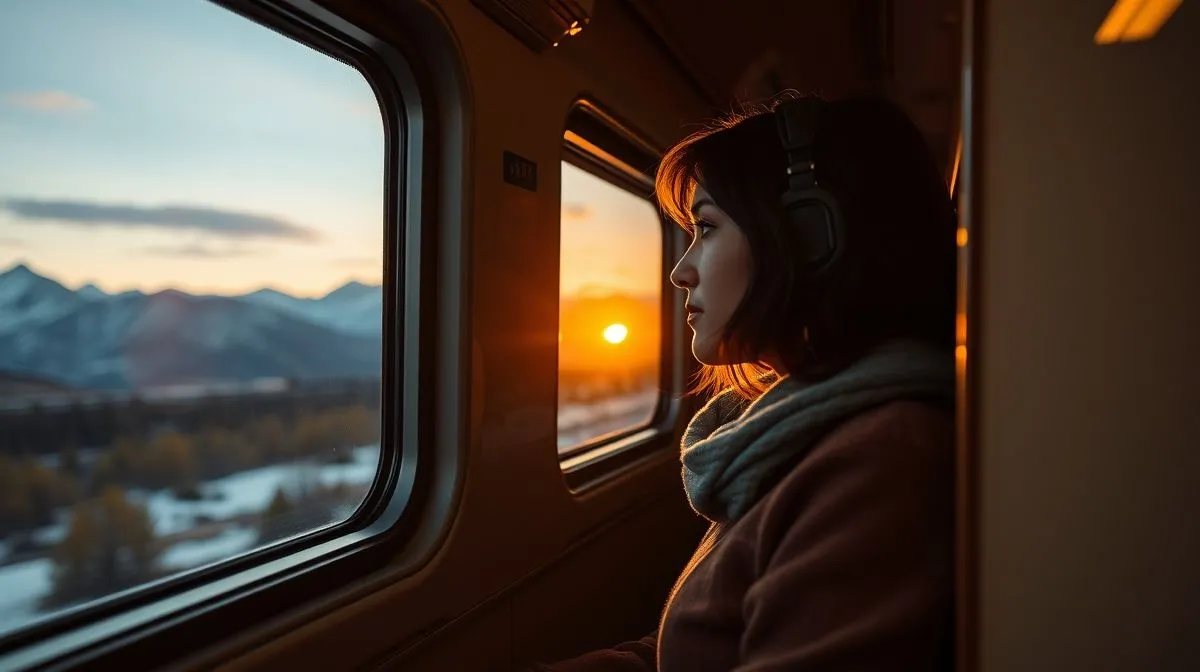
Are Sleeper Trains Safe for Solo Female Travelers? Navigating Your Journey with Confidence
The allure of train travel is undeniable: the rhythmic clickety-clack of the wheels, the ever-changing panorama outside your window, and the romantic notion of waking up in a new destination. Yet, for many solo female travelers, the idea of an overnight journey on a sleeper train often comes with a significant question mark. Is the romance overshadowed by the risk, or can you truly find peace of mind on the rails?
This common apprehension is valid. Concerns about personal safety, privacy, and security in an unfamiliar environment can deter even the most seasoned adventurers. The perceived vulnerability of being a solo woman in a confined space overnight is a significant hurdle that needs to be addressed with practical, actionable advice.
This comprehensive guide aims to demystify the experience of solo female travel on sleeper trains. We will delve deep into understanding the real risks versus common misconceptions, equip you with essential pre-trip preparations, provide invaluable onboard safety strategies, and empower you to embrace the unique joys of overnight train journeys with confidence and security. By the end of this reading, you'll be well-prepared to embark on your next rail adventure.
Understanding the Risks: Perception vs. Reality
When considering solo travel, especially on sleeper trains, our minds often jump to worst-case scenarios. However, it's crucial to differentiate between perceived threats and actual, statistical risks. While vigilance is always necessary, many fears are often amplified by media portrayals or anecdotal stories rather than by concrete data.
Common Misconceptions About Sleeper Train Safety
- High Crime Rates: Contrary to popular belief, sleeper trains are generally not hotbeds of crime. Operators prioritize passenger safety, and incidents are relatively rare, particularly on established routes in developed countries.
- Isolation and Lack of Assistance: While you might be in a private compartment, trained staff are always onboard and accessible. Most modern trains are equipped with communication systems to alert staff in case of an emergency.
- Unsafe Compartments: Many assume compartments are easily breached. In reality, most have secure locking mechanisms, and many services offer additional internal latches or chains for added peace of mind.
Actual Incidences and Mitigating Factors
The most common issues encountered on sleeper trains are usually minor, such as petty theft or uncomfortable interactions, rather than violent crime. Serious incidents are extremely uncommon. The key to safety lies in proactive measures and awareness.
- Theft: Valuables left unattended are the primary target. Always keep your passport, money, and electronics secured on your person or in a locked bag tethered to you.
- Unwanted Attention: This can occur anywhere. Learning to politely but firmly assert boundaries, or moving to a different area if possible, is important.
- Medical Emergencies: While not a safety risk in the criminal sense, being prepared for a medical issue is vital. Carry essential medications and a small first-aid kit.
Choosing the Right Sleeper Train: Research is Key
Not all sleeper trains are created equal. The level of safety and comfort can vary significantly depending on the operator, the route, and the class of service. Thorough research is your first and most powerful safety tool.
Reputable Operators and Routes
Opt for well-known, national or international rail companies with a strong reputation for safety and service. Companies like Amtrak in the USA, The Man in Seat 61 (a great resource for global train travel), or major European operators like NightJet (ÖBB) and Eurostar often have robust security protocols.
Consider the route. Journeys through politically unstable regions or areas known for higher crime rates might warrant extra caution or even reconsideration. Stick to established tourist routes, especially for your first solo sleeper train experience.
Understanding Compartment Types and Security Features
Sleeper trains offer various accommodation options, each with different levels of privacy and security:
- Private Compartments (Single/Double): These are the safest option for solo female travelers, offering a lockable door and often an internal deadbolt or chain. They provide privacy and a sense of personal space.
- Couchettes (Shared Bunks): These are typically cheaper and involve shared cabins (4 or 6 berths). While you might be with strangers, these cabins also have lockable doors from the inside. Many operators offer female-only couchettes, which are highly recommended for solo women.
- Open Saloon Cars: Some longer-distance trains might have reclining seats in open carriages. While not a true sleeper, if you plan to sleep here, be extra vigilant with your belongings and consider a travel pillow and eye mask.
Always check if your chosen compartment has individual locking mechanisms, a call button for staff, and if the windows can be secured.
Before You Board: Pre-Departure Safety Checklist
Preparation is paramount. A well-planned journey significantly reduces potential risks and enhances your overall experience. Don't underestimate the power of being informed and ready.
Booking Smart and Strategically
- Book in Advance: This allows you to secure your preferred compartment (e.g., a private single or a female-only couchette).
- Choose Your Seat/Berth Wisely: If possible, select a lower bunk, which tends to feel more secure and offers easier access.
- Understand Your Ticket: Know your compartment number, carriage number, and arrival/departure times. Have a physical copy and a digital backup.
Packing Essentials for Safety and Comfort
Your packing list should include items that contribute to both your comfort and security:
- Personal Alarm: Small, loud, and effective for drawing attention.
- Door Wedge or Portable Door Lock: An inexpensive way to add an extra layer of security to your compartment door.
- Headlamp/Small Flashlight: Useful for navigating dark corridors or your compartment at night without disturbing others.
- Scarf or Blanket: Can be used for warmth, privacy, or even as a makeshift curtain.
- Small, Secure Crossbody Bag: For keeping essential documents and money on your person, even while sleeping.
- Snacks and Water: Avoid needing to leave your compartment frequently for refreshments.
Sharing Your Itinerary and Staying Connected
Inform a trusted friend or family member about your travel plans, including train numbers, departure/arrival times, and your compartment details. Check if your phone will have reception along the route and consider a local SIM card if traveling internationally. A fully charged power bank is also a wise addition.
Onboard Safety Strategies: Your Personal Fortress
Once you're on the train, maintaining a proactive approach to your safety is crucial. Your compartment can become your personal fortress with a few simple steps.
Securing Your Compartment
Upon entering your compartment, immediately inspect the door lock. If it feels flimsy or broken, report it to the train staff. Use any internal latches, chains, or deadbolts provided. This is where your portable door wedge or lock comes in handy; place it firmly under the door before sleeping. If you have a window, ensure it's securely latched.
Interacting with Staff and Passengers
- Know Your Staff: Familiarize yourself with the train conductor or car attendant. They are your primary point of contact for any concerns.
- Be Friendly, But Firm: A polite demeanor is good, but don't hesitate to set boundaries if someone makes you uncomfortable. Trust your gut feeling.
- Avoid Oversharing: While some friendly conversation is fine, avoid revealing too many personal details about your solo status, itinerary, or valuables.
- Limit Alcohol: While a glass of wine might seem relaxing, excessive alcohol consumption can impair your judgment and awareness, making you more vulnerable.
Protecting Your Valuables
The vast majority of thefts on sleeper trains are opportunistic. Make yourself a less appealing target:
- Keep Essentials on Your Person: Passport, money, credit cards, and your phone should ideally be in a money belt or a secure, small bag worn under your clothes or kept very close to you, even when sleeping.
- Lock Up Luggage: If your main luggage contains valuables, use a padlock. Consider chaining your bag to a fixed point in the compartment, if possible, using a flexible wire lock.
- Don't Leave Items Unattended: Even for a quick bathroom break, take your most valuable items with you or secure them.
Navigating Stops and Transfers Safely
Train stations, especially at night, can be busy and sometimes chaotic. Maintaining vigilance during stops and transfers is just as important as onboard safety.
Awareness at Stations
When the train stops, especially at night, be aware of who is getting on and off. If you disembark for a stretch or to buy something, keep your valuables with you and be mindful of your surroundings. Avoid lingering on deserted platforms.
Minimizing Vulnerability During Transfers
If your journey involves a transfer, plan it carefully. Know your connecting platform and train number in advance. If the transfer is late at night, consider booking a short stay at a hotel near the station rather than waiting around for hours. Use reputable taxi services or pre-booked transfers if you need to travel between stations.
Coping with Unexpected Situations
Despite all precautions, sometimes unforeseen circumstances arise. Knowing how to react calmly and effectively is crucial.
Emergency Protocols and Reporting Incidents
If you feel unsafe or witness an incident, immediately alert train staff. Know where the emergency call buttons are located in your compartment or corridor. Don't hesitate to report suspicious behavior or anything that makes you uncomfortable, no matter how minor it seems. Train staff are there to ensure your safety.
Trusting Your Instincts
Perhaps the most powerful safety tool you possess is your intuition. If a situation or a person makes you feel uneasy, listen to that feeling. It's perfectly acceptable to decline an invitation, move seats, or simply avoid interaction if your gut tells you something is off. Your safety and comfort are paramount.
Beyond Safety: Enhancing Your Solo Sleeper Train Experience
While safety is the primary concern, once you've addressed it, you can truly embrace the unique and rewarding experience of solo sleeper train travel.
Embracing the Journey and Its Unique Charms
Sleeper trains offer a distinct form of travel. Use the quiet hours to read, write, reflect, or simply watch the world go by. The journey itself becomes part of the adventure, offering a chance for introspection and unique perspectives that flying or driving simply cannot provide.
Connecting Responsibly and Respectfully
While caution is advised, you might meet interesting people. Engage in conversations respectfully, but always maintain your boundaries. Sharing travel stories can be enriching, but remember to keep personal safety details private.
Frequently Asked Questions (FAQ)
Is it common for solo female travelers to use sleeper trains? Yes, many solo female travelers enjoy the convenience and unique experience of sleeper trains, finding them a practical way to cover long distances overnight while saving on accommodation.
What is the best type of compartment for a solo female traveler on a sleeper train? A private single compartment is ideal for maximum security and privacy. If that's unavailable or too expensive, a female-only couchette is the next best option.
Can I lock my sleeper train compartment from the inside? Most sleeper train compartments, especially private ones and couchettes, have internal locking mechanisms. It's always wise to double-check upon boarding and consider carrying a portable door wedge for added security.
What should I do if I feel unsafe on a sleeper train? Immediately locate and alert the train staff or conductor. Most trains have an emergency call button in compartments or corridors. Trust your instincts and move to a different area if necessary.
Should I interact with other passengers on a sleeper train? It's fine to be friendly, but exercise caution. Avoid sharing personal details about your solo travel plans or valuables. Be polite but firm if conversations become uncomfortable.
Recommended Reading
- The Ultimate Guide: How to Budget for Student Travel Abroad Effectively?
- Your Essential Guide: How to Plan a Zero-Waste Trip to National Parks
- Glamping for Nature Immersion: Unlock the Benefits Now!
- Ultimate Guide: How to Protect Delicate Local Crafts While Traveling
- The Secret to Stress-Free Gourmet Cruises with Dietary Needs
Conclusion
The question, Are sleeper trains safe for solo female travelers? can be confidently answered with a resounding yes, provided you approach the journey with preparation, awareness, and a proactive mindset. By choosing reputable operators, securing your compartment, protecting your valuables, and trusting your instincts, you can transform potential anxieties into an empowering and memorable travel experience. Sleeper trains offer a unique blend of adventure and practicality, allowing you to wake up refreshed and ready to explore a new destination. Embrace the rails, and let your next solo adventure be defined by discovery and peace of mind.

Your email address will not be published. Required fields are marked *