


How to Secure Exclusive Client Access at Remote Traditional Festivals?
For over two decades in the specialized world of festival travel, I've witnessed countless businesses attempt to tap into the allure of remote traditional festivals for their high-net-worth clients. Many approach these unique opportunities with a conventional mindset, only to find themselves hitting cultural roadblocks, logistical nightmares, and ultimately, failing to deliver the truly exclusive experiences their clients expect.
The challenge isn't just about booking a flight and a hotel. It's about navigating intricate cultural landscapes, building genuine relationships, and understanding that 'exclusive' in this context means far more than a VIP pass. It means providing an authentic, intimate, and often transformative experience that respects local traditions while offering unparalleled access.
In this definitive guide, I will share the strategies, frameworks, and hard-earned insights necessary to truly understand how to secure exclusive client access at remote traditional festivals. We'll move beyond surface-level planning to delve into the nuanced art of cultural immersion, strategic partnerships, and meticulous execution that defines true luxury festival travel.
1. Deep Cultural Immersion & Pre-Engagement: Beyond the Tourist Brochure
The first and most critical step in securing exclusive access is to move beyond a transactional approach. True exclusivity at remote traditional festivals is built on respect, understanding, and genuine engagement with the host community long before your clients even arrive. This isn't just about research; it's about active, empathetic immersion.
I always advise my teams to spend significant time understanding the festival's origins, its spiritual significance, and the community's daily life. This foundational knowledge informs every subsequent decision, from communication style to activity planning. It allows you to anticipate needs and, more importantly, to identify opportunities for truly unique interactions that wouldn't be available to the casual visitor.
- Early Research: Go beyond Wikipedia. Seek out anthropological studies, local historians, and community leaders.
- Language Basics: Learn essential greetings and phrases in the local dialect. It shows respect.
- Cultural Etiquette: Understand dress codes, social norms, gift-giving practices, and taboos.
- Local Calendar Synchronization: Align client visits with less-crowded, yet significant, pre-festival events or post-festival rituals.

2. Cultivating Local Alliances: The Cornerstone of True Access
In remote settings, access is rarely about financial leverage alone. It's about relationships. Forging strong, respectful partnerships with local community leaders, elders, artisans, and official organizers is paramount. These individuals are the gatekeepers of genuine experiences and the conduits to opportunities that money simply cannot buy.
I've seen companies make the mistake of parachuting in, expecting to buy their way into privilege. This often backfires, creating resentment and closing doors. Instead, approach these relationships with humility and a clear intent to contribute positively to the community, not just extract value. Think long-term, sustainable engagement, not one-off transactions.
Case Study: How 'Ethos Expeditions' Unlocked Unprecedented Access
Ethos Expeditions, a boutique travel agency specializing in cultural immersion, aimed to provide their clients with direct participation in a sacred weaving ceremony at a remote Andean festival – an event traditionally closed to outsiders. Instead of offering large sums of money, Ethos spent two years building trust. They funded a sustainable water project for the village, helped market local crafts online, and sent a dedicated liaison to live among the community for months, learning the language and customs.
When the festival arrived, the community invited Ethos's clients not just to observe, but to respectfully participate in a segment of the ceremony, under the direct guidance of the elders. This wasn't 'exclusive access' bought; it was earned through genuine partnership and mutual respect, leading to an experience that was truly priceless for their clients and highly beneficial for the community.
"True access isn't granted; it's earned through consistent demonstration of respect, reciprocity, and a genuine desire to understand, not just consume, a culture." - Industry Veteran Insight
3. Crafting Bespoke Itineraries: Beyond the Standard Festival Schedule
Your clients aren't just attending a festival; they're embarking on a journey. The 'exclusive access' you promise must extend far beyond the main event itself. This means designing a comprehensive itinerary that weaves in private encounters, unique learning opportunities, and moments of quiet reflection that complement the festival's energy.
Consider private workshops with master artisans, intimate dinners with local dignitaries, or guided explorations of sacred sites often overlooked by general tourists. These elements, carefully curated and delivered with impeccable discretion, elevate the entire experience. According to a 2023 report by Forbes Advisor on Luxury Travel Trends, personalized and authentic cultural experiences are paramount for high-net-worth travelers.
- Pre-Festival Immersion: Arrange private cooking classes with local families, language lessons, or visits to historical sites with expert ethnographers.
- During-Festival Enhancement: Secure private viewing areas, behind-the-scenes access to performers, or introductions to key cultural figures.
- Post-Festival Reflection: Plan quiet retreats, facilitated discussions on the experience, or opportunities for clients to engage in small, impactful community projects.
4. Navigating Logistical Complexities & Infrastructure Challenges
Remote traditional festivals, by their very nature, often lack the sophisticated infrastructure of major urban events. This presents significant logistical hurdles, from transportation and accommodation to communication and emergency services. Your ability to flawlessly manage these challenges is a critical component of delivering an exclusive experience.
I've seen unprepared teams struggle with everything from unpaved roads and unreliable power to food and water safety. Proactive planning, robust contingency measures, and a deep understanding of the local environment are non-negotiable. This is where your expertise truly shines, transforming potential chaos into seamless comfort for your clients.
Key Logistical Considerations:
- Transportation: Secure reliable, comfortable, and often rugged vehicles. Consider private charters for air or boat travel to minimize travel time and maximize comfort.
- Accommodation: Pre-book the best available, even if basic. Consider glamping options or privately rented local homes if hotels are scarce, ensuring they meet your clients' standards for cleanliness and safety.
- Communication: Plan for limited cell service. Satellite phones, pre-arranged local SIMs, and backup communication plans are essential.
- Health & Safety: Access to medical professionals, emergency evacuation plans, and knowledge of local health risks (e.g., specific food allergies, water purification).
- Power & Connectivity: Portable power banks, solar chargers, and secure Wi-Fi hotspots (if available) are crucial for client comfort.
| Logistical Challenge | Standard Approach | Exclusive Solution |
|---|---|---|
| Remote Transport | Public transit, local taxis | Private 4x4 convoys, chartered small aircraft/boats, dedicated drivers |
| Accommodation | Basic local guesthouses | Curated glamping, private cultural homestays, pre-vetted boutique lodges |
| Connectivity | Spotty local Wi-Fi, no cell service | Satellite internet terminals, pre-provisioned local SIMs, dedicated communication liaison |
| Health & Safety | Local clinic access | On-site private medic, comprehensive emergency evacuation plan, specialized travel insurance |
5. Mastering Discretion and Cultural Sensitivity: The Art of Seamless Integration
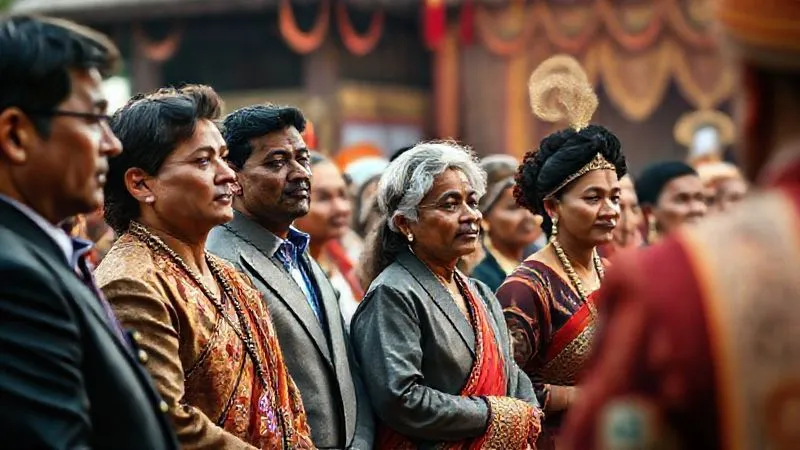
The essence of true exclusivity at traditional festivals lies in the ability to blend in, rather than stand out. Your clients should feel like privileged guests, not intrusive tourists. This requires an unparalleled level of discretion and cultural sensitivity from your entire team.
I always emphasize that our role is to facilitate an authentic experience, not to orchestrate a spectacle. This means dressing appropriately, observing local customs, and encouraging clients to engage respectfully. The goal is to minimize disruption to the festival and its community while maximizing the depth of your clients' experience. A truly exclusive experience is often a quiet one, deeply felt rather than loudly advertised.
- Low Profile Approach: Avoid ostentatious displays of wealth or large, conspicuous groups.
- Respect for Sacred Spaces: Educate clients on appropriate behavior, photography restrictions, and areas off-limits.
- Ethical Photography: Always seek permission before photographing individuals, especially children or during sacred rituals. Offer prints as a gesture of goodwill.
- Quiet Observation: Encourage clients to absorb the atmosphere and observe, rather than constantly seeking interaction or attention.
6. Leveraging Digital & Pre-Event Engagement: Building Anticipation & Understanding
While the actual festival experience is physical, the journey towards it begins long before. Effective pre-event digital engagement can significantly enhance your clients' appreciation and readiness for the unique environment of a remote traditional festival. This is a crucial step in how to secure exclusive client access at remote traditional festivals by setting expectations and building genuine excitement.
I utilize curated digital content to immerse clients virtually, providing context, historical background, and practical advice. This not only builds anticipation but also ensures clients arrive with a foundational understanding, making them more receptive to the cultural nuances they will encounter. This proactive education is key to a smooth and enriching experience.
- Personalized Digital Briefings: Create bespoke digital guides with historical context, cultural etiquette videos, and profiles of key local figures they might meet.
- Virtual Introductions: Facilitate virtual Q&A sessions with local experts or your on-ground liaison to answer client questions in advance.
- Curated Reading Lists: Provide suggestions for books, documentaries, or articles about the region and its traditions.
- Packing & Preparation Checklists: Detail specific items needed for comfort and cultural appropriateness, including local gift suggestions.
7. Post-Event Follow-Up & Relationship Nurturing: Sustaining the Connection
The exclusive experience doesn't end when the festival does. The post-event phase is critical for solidifying client relationships and demonstrating your commitment to their unique travel journey. It's an opportunity to reinforce the value of the access you provided and to deepen their connection to the culture.
I always ensure a thoughtful and personalized follow-up. This could range from a curated photo album to a donation made in their name to a local community project. It's about creating lasting memories and demonstrating that their engagement had a meaningful impact, both for them and for the host community. This approach fosters loyalty and positions you as a trusted advisor for future extraordinary journeys.
- Personalized Debrief: A one-on-one conversation to gather feedback and discuss highlights.
- Curated Souvenirs: Hand-picked, ethically sourced local crafts that reflect their specific experience.
- Impact Report: Share how their visit or any associated donations positively impacted the local community.
- Future Opportunities: Gently introduce ideas for future bespoke cultural expeditions, leveraging their recent experience.

8. Risk Mitigation and Contingency Planning: Expecting the Unexpected
No matter how meticulously you plan, remote travel, especially to traditional festivals, always carries an element of unpredictability. Weather events, political shifts, local disputes, or unexpected changes to festival schedules can all impact the client experience. A robust risk mitigation and contingency plan is not just good practice; it's a non-negotiable aspect of offering exclusive, high-value access.
In my experience, the ability to adapt swiftly and seamlessly to unforeseen circumstances is a hallmark of true expertise. This means having multiple backup plans for every critical component – transportation, accommodation, communication, and medical support. It’s about anticipating challenges before they fully materialize and having the resources and local network to pivot effectively, ensuring client safety and comfort remain paramount. As Harvard Business Review emphasizes, an 'all-weather strategy' is crucial for resilience.
Essential Contingency Layers:
- Multi-layered Communication Plan: Satellite phones, local emergency contacts, and a clear chain of command for crisis communication with clients and external support.
- Medical & Evacuation Protocols: Pre-arranged agreements with local clinics, air ambulance services, and comprehensive travel insurance covering emergency medical evacuation.
- Alternative Itinerary Routes: Identify backup routes and modes of transport in case of road closures or travel disruptions.
- Financial Buffers: Allocate contingency funds for unexpected expenses, such as additional lodging, transport, or medical costs.
- Local Problem Solvers: Empower a trusted local liaison with the authority and resources to make quick decisions on the ground in an emergency.
"The measure of an exclusive travel provider isn't just in the experiences they deliver, but in how flawlessly they navigate the unexpected, turning potential crises into demonstrations of unparalleled reliability." - Veteran Travel Specialist
Understanding these layers of preparedness is central to how to secure exclusive client access at remote traditional festivals, ensuring that your clients feel secure and well-cared for, no matter the circumstances.
Frequently Asked Questions (FAQ)
Q: How do I identify the right remote traditional festivals for my clients? A: Start by understanding your clients' specific interests – is it spiritual, artistic, historical, or purely adventurous? Then, research festivals known for their authenticity and cultural depth, rather than mass tourism. Consult ethnographic journals, specialized travel publications, and network with cultural anthropologists. Prioritize festivals where genuine community engagement is possible, not just observation.
Q: What are the biggest cultural blunders to avoid when facilitating client access? A: The most common blunders include disrespecting local dress codes, failing to ask permission before taking photos, interrupting sacred rituals, attempting to 'buy' access without genuine relationship-building, and displaying impatience with local customs or pace of life. Always emphasize humility, observation, and respect to your clients.
Q: How can I ensure the safety and security of high-net-worth clients in remote areas? A: This requires a multi-faceted approach: thorough pre-trip security assessments, employing trusted local security personnel (often discreetly integrated), having robust communication systems (satellite phones, emergency contacts), comprehensive medical and evacuation plans, and constant monitoring of local conditions. Leverage insights from organizations like UNWTO for general tourism safety guidelines, adapting them to remote contexts.
Q: Is it ethical to bring luxury clients to potentially impoverished communities? A: This is a critical ethical consideration. The key is to ensure that your presence is beneficial and sustainable for the local community. This involves fair trade practices, direct economic contributions (e.g., hiring local guides, purchasing local crafts), supporting community development projects, and ensuring cultural exchange is respectful and reciprocal, not exploitative. Transparency and genuine partnership are vital to ethical tourism.
Q: What's the best way to manage client expectations for comfort and authenticity in remote settings? A: Clear and honest communication is paramount. Educate clients extensively about the realities of remote travel – potential for basic accommodations, limited amenities, and the need for adaptability. Frame these 'challenges' as integral parts of an authentic adventure. Emphasize that the value lies in the unique cultural immersion and privileged access, not necessarily in five-star luxury amenities. Providing a detailed 'what to expect' guide, including packing lists and cultural etiquette, helps manage expectations proactively.
Key Takeaways and Final Thoughts
Securing exclusive client access at remote traditional festivals is an art, not a science. It demands a blend of meticulous planning, profound cultural sensitivity, and an unwavering commitment to building genuine relationships. It's about offering experiences that transcend the ordinary, creating memories that resonate deeply, and fostering connections that enrich both your clients and the communities they visit.
- Prioritize Relationships: Invest in long-term, respectful partnerships with local communities.
- Embrace Cultural Depth: Go beyond surface-level observation to facilitate genuine immersion.
- Master Logistics: Flawless execution of complex logistics is foundational to client comfort and safety.
- Practice Discretion: True exclusivity is often quiet, respectful, and integrated.
- Plan for Everything: Robust contingency plans are essential for remote travel.
- Ethical Engagement: Ensure your presence benefits the host community sustainably.
As an industry specialist, I can confidently say that the rewards of mastering this niche are immense. You're not just selling a trip; you're curating transformative journeys. By following these expert strategies, you will not only learn how to secure exclusive client access at remote traditional festivals but also build a reputation as a trusted purveyor of the world's most unique and profound cultural experiences. Embrace the challenge, respect the culture, and let your clients discover the unparalleled magic that lies off the beaten path.
Recommended Reading
- 7 Pro Strategies: Secure Exclusive Gourmet Reservations on Tight Schedules
- 5 Steps to Authentic Cultural Retreats: Ditching Ceremony Tourist Traps
- Unlock the Secret: How to Prevent Snow from Sticking to Snowshoes Permanently
- 7 Crucial Steps to Safeguard Employees on Corporate Cruise Trips
- 5 Proven Ways to Bond on Multi-Gen Trips Without Work Stress





Your email address will not be published. Required fields are marked *