

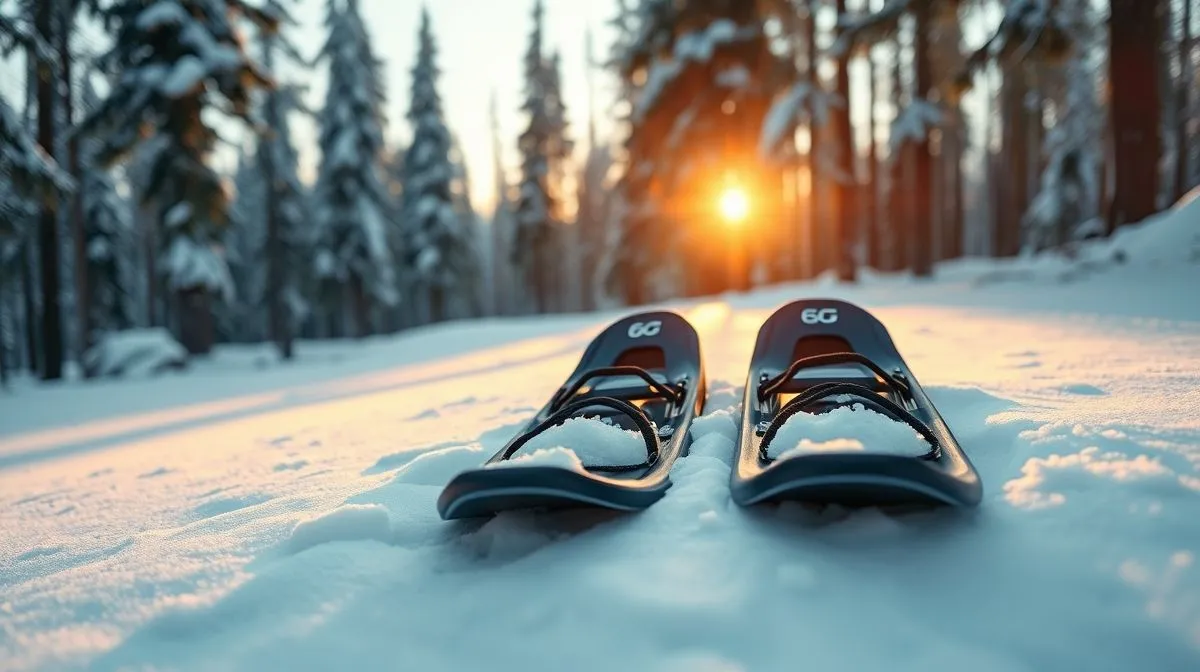
The Ultimate Guide: How to Prevent Snow from Sticking to Snowshoes?
Imagine this: You're deep in a pristine, snow-covered forest, the air crisp, the silence profound, save for the rhythmic crunch of your snowshoes. Suddenly, your stride falters. You look down to see heavy, wet snow clinging to the underside of your snowshoes, adding pounds of extra weight with every step. What started as a serene escape quickly devolves into an exhausting, frustrating slog. This common scenario is the bane of many winter enthusiasts.
The problem of snow sticking to snowshoes isn't just an annoyance; it's a significant energy drain that can turn an enjoyable outing into a grueling ordeal. It compromises your traction, increases the risk of falls, and simply makes the act of snowshoeing far less efficient and fun. For those who love the winter backcountry, finding a reliable solution to this pervasive issue is paramount.
In this definitive guide, we will delve into the science behind snow adhesion and provide you with a comprehensive arsenal of strategies and techniques on how to prevent snow from sticking to snowshoes. From pre-trip treatments to on-trail tactics and crucial gear considerations, you will learn how to ensure your next winter adventure is smooth, efficient, and truly enjoyable, free from the burden of clumping snow.
Understanding Snow Adhesion: Why Does Snow Stick?
Before we can effectively combat snow buildup, it's crucial to understand the underlying physics. Snow isn't just frozen water; it's a complex crystalline structure with varying properties depending on temperature, humidity, and pressure. The interaction between these snow characteristics and your snowshoe's surface dictates whether it will stick or slide.
The Science Behind Snow Clumping
Snow adhesion primarily occurs due to a phenomenon known as sintering, where individual snow crystals bond together, and to surfaces, under pressure and varying temperatures. When you step on snow, you apply pressure, which can cause slight melting (pressure melting) and refreezing, especially if the snow is near its melting point (around 32°F or 0°C). This creates a thin layer of water that acts like a glue, allowing snow to stick readily to surfaces.
- Temperature and Snow Type: Wet, heavy snow (often found near freezing temperatures) is the most prone to sticking. Its higher water content and less defined crystal structure make it highly adhesive. Colder, drier snow (like champagne powder) tends to be less sticky because it has less free water to bind the crystals.
- Surface Properties: The material, texture, and even the cleanliness of your snowshoe's deck and crampons play a significant role. Rough or porous surfaces provide more points for snow to cling to, while smooth, hydrophobic (water-repelling) surfaces resist adhesion.
- Pressure and Friction: Each step generates pressure and friction, contributing to the formation of that thin, sticky water layer. The more you drag your feet, the more opportunity snow has to accumulate.
Understanding these factors is the first step toward effective prevention. For a deeper dive into the properties of snow, you can explore resources like Wikipedia's detailed article on snow.
Impact on Your Snowshoeing Experience
The consequences of snow sticking to your snowshoes extend beyond mere inconvenience:
- Increased Fatigue: Every ounce of snow that accumulates adds to the weight you must lift with each step. Over a long trek, this translates into significant extra effort and premature exhaustion.
- Compromised Traction: When snow builds up, especially under the crampons, it reduces the effectiveness of your primary traction points. This can lead to dangerous slips and falls, particularly on slopes or uneven terrain.
- Reduced Efficiency: Your stride becomes less fluid, and your pace slows down. What should be an enjoyable outdoor activity becomes a frustrating battle against your gear.
- Damage to Gear: Constant snow buildup and the need to repeatedly knock it off can put undue stress on your snowshoes' bindings and decking, potentially shortening their lifespan.
Pre-Trip Preparations: Treating Your Snowshoes
The most effective strategy against snow buildup begins before you even hit the trail. Preparing your snowshoes with the right treatments can create a hydrophobic barrier that actively repels snow and ice.
Specialized Anti-Stick Coatings
Several commercial products are designed to make surfaces slick and water-repellent. These are often the most effective solutions for snowshoes.
- Silicone Sprays: Commonly used for waterproofing fabrics, silicone sprays can also be effective on snowshoe decking. They create a slick, non-stick surface. Apply a thin, even coat to the top and bottom of the decking, and allow it to dry completely according to product instructions.
- Fluorocarbon Waxes/Sprays: Similar to those used in skiing and snowboarding, fluorocarbon-based products are excellent at repelling water and reducing friction. These are typically more expensive but offer superior performance, especially in wet snow conditions. Ensure the snowshoe surface is clean and dry before application.
- Proprietary Snowshoe Treatments: Some snowshoe manufacturers or outdoor brands offer their own anti-stick waxes or sprays specifically formulated for snowshoe materials. These are often a good bet as they are designed with the specific demands of snowshoeing in mind.
Always test any new product on a small, inconspicuous area first to ensure it doesn't damage your snowshoe material.
The Art of Waxing Your Snowshoes
Yes, waxing isn't just for skis! A simple paraffin wax, the kind used for canning or candle making, can be incredibly effective. It's a cost-effective and readily available solution.
- Clean the Snowshoes: Ensure your snowshoes, especially the underside of the deck and the crampons, are thoroughly clean and dry. Any dirt or old residue will hinder the wax's effectiveness.
- Melt the Wax: Gently melt the paraffin wax. You can use a double boiler or a dedicated wax iron (set to a low temperature). Be cautious not to overheat the wax or damage your snowshoes with excessive heat.
- Apply Evenly: Apply a thin, even layer of melted wax to the entire underside of the snowshoe deck and the metal crampons. A brush or a clean cloth can help spread it.
- Buff (Optional but Recommended): Once the wax has cooled and solidified, you can buff the surface with a clean cloth. This creates a smoother, more durable finish.
Paraffin wax works by filling in microscopic pores and creating a highly hydrophobic surface. Reapply as needed, especially after several uses or if you notice snow starting to stick again.
DIY Solutions and Household Items
For those looking for quick, temporary, or budget-friendly options, some household items can offer a degree of protection, though typically less durable than specialized products.
- Cooking Spray (e.g., Pam): A thin coat of non-stick cooking spray can provide a temporary slick surface. It's easy to apply but will wear off quickly, especially in wet conditions or after repeated contact with snow. It's best for a short trip or as a last-minute solution.
- Automotive Car Wax/Sealant: High-quality car waxes or ceramic sealants, designed to repel water from vehicle paint, can also work on snowshoe decks. They form a durable, hydrophobic layer. Ensure the product is safe for plastics and fabrics before applying, and always follow the manufacturer's instructions for application and curing.
- Rubbing Alcohol: While not a repellent, wiping down your snowshoes with rubbing alcohol before a trip can remove any oils or residues that might attract snow. It helps ensure a clean surface for any other treatments you might apply.
Remember, these DIY solutions are generally less effective and durable than dedicated snowshoe treatments, but they can be useful in a pinch.
During Your Trip: Techniques to Minimize Buildup
Even with the best pre-trip treatments, certain conditions or trail habits can encourage snow buildup. Adopting smart techniques on the trail can significantly reduce the problem.
Choosing the Right Snow Conditions
While you can't always control the weather, understanding how different snow types affect adhesion can help you plan your trips or adjust your expectations.
- Avoid Wet, Heavy Snow: The stickiest snow occurs when temperatures hover around freezing (32°F / 0°C) or during thaws. If possible, avoid snowshoeing in these conditions, or be prepared for more frequent snow removal.
- Optimal Conditions: Colder, drier snow (below 20°F / -6°C) is generally less prone to sticking. Fresh powder, especially in very cold temperatures, usually sheds easily from snowshoes.
- Consider Time of Day: In spring conditions, snow tends to be firmer and less sticky in the early morning before the sun softens it. As the day warms, it becomes wetter and more adhesive.
Adjusting Your Stride and Gait
How you walk in snowshoes profoundly impacts snow accumulation.
- Lift Your Feet Higher: Instead of dragging your snowshoes, consciously lift your feet higher with each step. This minimizes the contact time and friction between the snowshoe and the snow, reducing the chance for snow to adhere.
- Wider Stride: A slightly wider stance can help prevent the snow from one snowshoe from being pushed onto the other, further reducing buildup.
- Avoid Kicking Snow: Try to avoid kicking up snow onto the top of your snowshoes, as this can also contribute to accumulation.
Regular Snow Removal on the Trail
No matter how well you prepare, some snow buildup might occur. Proactive removal is key.
- Tapping with Poles: Periodically tap the underside of your snowshoes with your trekking poles. This simple action can dislodge loose snow before it has a chance to compact and stick.
- Kicking Against the Ground: Every few minutes, especially when taking a break, give your snowshoes a firm kick against the ground or a tree. This can knock off any accumulating snow.
- Using a Snowshoe Scraper (DIY): Some experienced snowshoers carry a small, flat piece of plastic or a dedicated scraper to quickly remove snow from their decks and bindings. This is particularly useful for stubborn, icy clumps.
Gear Considerations: Choosing the Right Snowshoes
While treatments and techniques are vital, the design and materials of your snowshoes themselves play a significant role in how well they shed snow.
Material Matters: Decking and Frame
The materials used in your snowshoes directly influence their snow-shedding capabilities.
- Hypalon and Polypropylene Decks: Many modern snowshoes use flexible, durable plastic or synthetic decking materials like Hypalon or polypropylene. These materials are generally less porous and smoother than older canvas or rawhide designs, making them naturally more resistant to snow adhesion.
- Aluminum Frames: Aluminum frames are lightweight and typically less prone to significant snow buildup compared to bulkier designs. The open nature of many aluminum-framed snowshoes allows snow to fall through, reducing accumulation.
- Open vs. Closed Decking: Snowshoes with more open decking designs (where the deck material doesn't fully cover the frame, especially in the heel area) tend to shed snow better than those with fully enclosed decks, which can trap snow.
Binding Design and Cleat Configuration
The binding system and the aggressive cleats (crampons) underfoot are critical for traction, but they can also be prime spots for snow buildup.
- Anti-Clogging Bindings: Some modern snowshoe bindings are designed with features that minimize snow accumulation. Look for bindings with minimal nooks and crannies where snow can pack in, or those made from smoother, less textured materials.
- Aggressive Crampons: While essential for grip, very aggressive or intricate crampon designs can sometimes trap snow more easily. However, their primary purpose is traction, so this is a trade-off. Ensure they are kept clean and sharp for optimal performance.
- Flexible Bindings: Bindings that allow for a natural foot flex can help shed snow as you walk, as the movement can break up any forming clumps.
When selecting snowshoes, consider designs that prioritize snow shedding alongside traction and comfort. You can often find detailed gear guides and reviews on reputable outdoor retail sites like REI Expert Advice.
Accessories that Help
Certain accessories can complement your snowshoeing setup to further combat snow adhesion.
- Gaiters: While primarily for keeping snow out of your boots, gaiters also prevent snow from accumulating on the top of your snowshoes where it might be kicked up from your stride. They create a smoother interface between your leg and the snowshoe.
- Trekking Poles with Snow Baskets: As mentioned, poles are invaluable for tapping snow off your snowshoes. Ensure they have wide snow baskets to prevent them from sinking too deep into the snow.
Common Mistakes to Avoid
Even with the best intentions, some common pitfalls can undermine your efforts to keep snow from sticking.
- Over-reliance on Single Solutions: No single solution is a magic bullet. Relying solely on a treatment without also adjusting your stride or regularly clearing snow will likely lead to frustration. A multi-faceted approach combining preparation, technique, and appropriate gear is always best.
- Improper Application of Treatments: Applying waxes or sprays too thickly, unevenly, or to a dirty surface can make them ineffective or even counterproductive. Always follow product instructions carefully. For waxes, ensure the snowshoe is completely dry before application to avoid trapping moisture.
- Ignoring Snow Conditions: Trying to force a snowshoeing trip in extremely wet, heavy, near-melting snow will always be a battle. While you can mitigate the issue, some conditions are simply more challenging than others. Being aware and adjusting your expectations or plans accordingly is wise.
- Neglecting Post-Trip Care: Leaving snow and ice to dry on your snowshoes can make future adhesion worse. Dirt and grit embedded in the snow can also abrade surfaces, making them rougher and more prone to sticking.
Post-Trip Care and Maintenance
Proper care after your trip is just as important as pre-trip preparation for maintaining your snowshoes' snow-shedding properties and overall longevity.
Cleaning and Drying Your Snowshoes
Immediately after each use, especially if snow has stuck, take the time to clean your snowshoes.
- Remove All Snow and Ice: Use a brush or cloth to remove all snow, ice, and debris from the deck, frame, and especially the bindings and crampons. Pay close attention to any nooks and crannies where ice can form.
- Wipe Down: If the snow was particularly dirty or slushy, a quick wipe down with a damp cloth can help remove grit.
- Thorough Drying: Hang your snowshoes in a well-ventilated area to dry completely. Avoid direct heat sources like radiators, which can damage materials. Ensuring they are bone dry prevents rust on metal components and mildew on fabric parts, and prepares them for future treatments.
Proper Storage for Longevity
How you store your snowshoes impacts their condition for the next outing.
- Cool, Dry Place: Store them in a cool, dry place away from direct sunlight and extreme temperature fluctuations.
- Hang or Lay Flat: Store them in a way that doesn't put stress on the bindings or frame. Hanging them by their frames or laying them flat are good options.
- Consider a Storage Bag: A breathable storage bag can protect them from dust and accidental damage.
Reapplication of Treatments
Anti-stick treatments are not permanent. Their effectiveness will diminish over time and with use.
- Regular Inspection: Before each trip, inspect your snowshoes for signs of wear on the anti-stick coating. If you notice snow starting to cling more readily, it's a good indicator that reapplication is needed.
- Frequency: Depending on the product and how often you snowshoe, reapplication might be necessary every few trips or once a season. For heavy users, more frequent treatment might be beneficial.
Frequently Asked Questions (FAQ)
Q: Can I use cooking spray on my snowshoes? A: Yes, cooking spray can offer a temporary, last-minute solution for preventing snow from sticking to snowshoes. However, it wears off quickly and is not as durable or effective as dedicated snowshoe treatments or waxes. It's best for short trips or as a stop-gap measure.
Q: How often should I reapply wax or anti-stick spray to my snowshoes? A: The frequency depends on the product used, the conditions you snowshoe in, and how often you go out. For most commercial sprays or waxes, reapplication every 3-5 trips or at the start of a new season is a good general guideline. In very wet or heavy snow, you might need to reapply more frequently.
Q: Does the type of snowshoe matter for snow buildup? A: Absolutely. Modern snowshoes with smooth, non-porous decking materials (like Hypalon or polypropylene) and open frame designs tend to shed snow more effectively than older, more textured designs. Look for features that minimize areas where snow can pack.
Q: Will snow sticking to my snowshoes damage them? A: Persistent, heavy snow buildup and the repeated forceful removal of it can put undue stress on your snowshoe's bindings, decking, and frame, potentially leading to premature wear or damage over time. It can also cause scratches on surfaces, making them more prone to future sticking.
Recommended Reading
- Unveiling the Secrets: What Truly Affects Ocean View Quality?
- The Eco-Glamping Secret: How to Choose a Truly Green Adventure
- Unlock the Secret: Secure Very Cheap Accommodation for a Month!
- Solo Women & Humanitarian Aid: Unveiling the Truth About Safety
- Best Short-Term Volunteer Abroad Projects: Make a Real Impact!
Conclusion
The frustration of snow sticking to snowshoes is a common challenge for winter adventurers, but it's one that can be largely overcome with the right knowledge and consistent application of techniques. By understanding the science of snow adhesion, proactively treating your snowshoes, adopting smart on-trail habits, and choosing appropriate gear, you can significantly reduce or even eliminate snow buildup. Embrace the combined power of pre-trip preparation, mindful movement, and diligent post-trip care. Armed with these strategies, you are now well-equipped to enjoy seamless, efficient, and truly liberating snowshoeing experiences, allowing you to focus on the beauty of the winter landscape rather than the burden on your feet. Go forth and conquer the snow!


Your email address will not be published. Required fields are marked *