

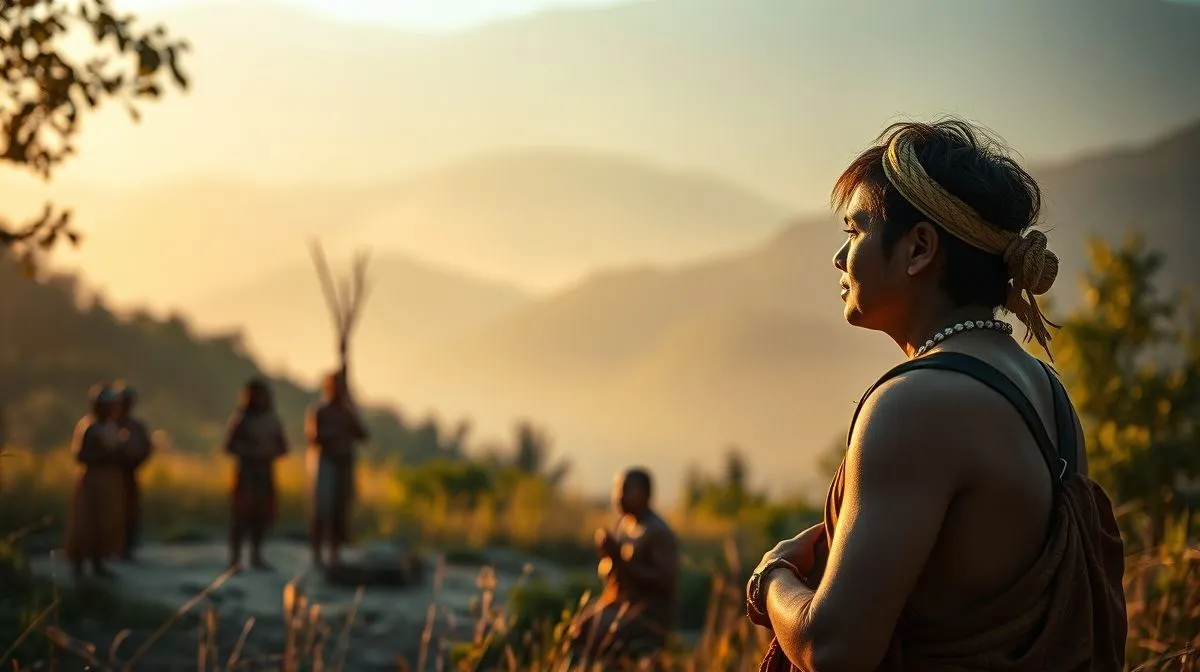
Planning culturally immersive retreats: avoiding tourist traps at ceremonies?
For over two decades, I've dedicated my life to the intricate dance of cultural travel. I've witnessed the profound joy of genuine connection and, regrettably, the crushing disappointment when a traveler discovers their eagerly anticipated 'authentic' experience was nothing more than a staged performance. It's a common trap, one I've seen countless times, where the desire for deep cultural immersion clashes head-on with the commercial realities of the tourism industry.
The pain point is palpable: you invest your time, money, and emotional energy into a trip, dreaming of a transformative encounter with a different way of life. Then, you arrive at a 'ceremony' only to find it's a diluted, commodified spectacle, designed for quick consumption rather than genuine cultural exchange. It leaves you feeling cheated, disconnected, and often, complicit in something that feels exploitative.
But it doesn't have to be this way. In this definitive guide, I'll share the frameworks, hard-won insights, and actionable strategies I've developed over years in the field. My goal is to equip you with the knowledge to discern true cultural immersion from superficial imitations, allowing you to participate ethically, respectfully, and profoundly in ceremonies that genuinely reflect the spirit of a place and its people. Let's unlock the secrets to truly authentic cultural retreats.
The Allure and the Abyss: Why True Immersion Matters
The human spirit yearns for connection, for understanding beyond our immediate horizons. This is the core appeal of cultural travel: the chance to step into another's shoes, to witness their rituals, to feel the pulse of their traditions. When we seek out ceremonies, we're not just looking for entertainment; we're seeking a bridge to a deeper, more meaningful understanding of humanity.
However, the tourism industry, in its quest to meet demand, can inadvertently or deliberately strip these profound experiences of their essence. What begins as a sacred ritual can be transformed into a theatrical show, devoid of its spiritual or communal significance. This 'abyss' of inauthenticity doesn't just disappoint the traveler; it often disrespects the culture it purports to represent, turning ancient practices into mere commodities.
True immersion, on the other hand, is a reciprocal exchange. It respects the traditions, supports the communities that uphold them, and leaves both the traveler and the hosts enriched. It's about being present, humble, and open to learning, rather than passively consuming. Our focus will be on how to foster this kind of genuine engagement when you are planning culturally immersive retreats: avoiding tourist traps at ceremonies.
The Red Flags: Spotting Tourist Traps Before They Trap You
Identifying an inauthentic ceremony requires a keen eye and a critical mindset. From my experience, there are several tell-tale signs that should immediately raise your suspicion. Learning to recognize these red flags is your first line of defense against disappointment.
Over-Commercialization & Price Anomalies
If the ceremony is heavily advertised through multiple mainstream channels, part of a rigid, pre-packaged tour group itinerary, or carries an exorbitant, non-negotiable price tag that feels disproportionate to local costs, be wary. Authentic ceremonies are often community-led, sometimes even free or by donation, and rarely marketed like a theme park attraction. The pressure to purchase souvenirs or participate in 'add-on' experiences during or immediately after the ceremony is another strong indicator of commercial exploitation.
Lack of Local Participation or Authenticity
Observe who is participating. Are the performers primarily young individuals, or do you see a mix of generations, including elders, which is often a sign of a living tradition? Are the costumes and props mass-produced or are they clearly handcrafted and culturally significant? If the 'local' participants seem disengaged, unenthusiastic, or are merely going through the motions, it's a strong sign that the event is staged for external consumption rather than internal spiritual or communal purpose. Genuine ceremonies are for the community first.
Pre-Packaged, Superficial Offerings
Beware of ceremonies that promise a 'taste of everything' in a very short timeframe. True rituals often unfold over hours, days, or even weeks, with specific rhythms and sequences. If a 'ceremony' is condensed into a 30-minute performance designed to fit into a busy tourist schedule, it's highly likely to be a superficial rendition. Similarly, if the explanation of the ceremony's significance is overly simplistic, generic, or presented with no depth, it's a warning sign. Authentic cultural experiences are rich with context and history.
The most profound cultural experiences are rarely found on billboards. They require curiosity, patience, and a willingness to step off the beaten path and engage with communities on their own terms.
Phase 1: Deep Dive Research – Your Pre-Trip Preparations
The foundation of any successful culturally immersive retreat lies in meticulous, ethical pre-trip research. This isn't about Googling 'best ceremonies' but about digging deeper to find truly authentic opportunities. This is crucial for planning culturally immersive retreats: avoiding tourist traps at ceremonies.
Leveraging Niche Communities & Expert Networks
Start by tapping into specialized travel forums, academic communities focused on anthropology or ethnography, and responsible tourism networks. These often host discussions and recommendations from travelers who prioritize ethical and authentic experiences. Look for travel bloggers or cultural experts who live in or have extensive experience with the region you plan to visit. Their insights, often shared through detailed posts or direct engagement, can be invaluable. Don't underestimate the power of word-of-mouth from trusted sources who have actually engaged with local communities.
Scrutinizing Online Reviews & Local Media
While mainstream review sites can be helpful, read between the lines. Look for reviews that mention genuine interaction, community involvement, and depth, rather than just 'good show' or 'great photo ops.' Pay attention to negative reviews that cite inauthenticity or exploitation. Crucially, try to find local media outlets or community websites from the destination itself. These often provide a more accurate picture of local events, festivals, and ceremonies that are truly meaningful to the community, rather than those manufactured for tourists. Look for mentions of local elders, community leaders, or traditional cultural institutions.
When researching, prioritize sources that emphasize community benefit and cultural preservation over those focused purely on entertainment value. This shift in perspective is your compass towards authenticity.
According to a study published by the Centre for Responsible Travel (CREST), community-based tourism initiatives, when properly managed, offer the highest potential for genuine cultural exchange and direct economic benefit to local populations, significantly reducing the likelihood of tourist traps.
Phase 2: Connecting with Authenticity – Building Bridges, Not Barriers
Once your research has yielded potential leads, the next phase involves making direct, respectful contact. This is where you move from theory to practical application of ethical travel principles.
The Power of Local Guides & Community-Based Tourism
Rather than booking through large international tour operators, seek out small, locally-owned tour companies or independent guides who are deeply embedded in their communities. These individuals often have personal relationships with local elders, cultural practitioners, and community leaders. They can facilitate access to genuine ceremonies that are not open to the general public, often acting as cultural interpreters and ensuring your presence is respectful and welcomed. Always prioritize guides who emphasize cultural sensitivity and community benefit.
Direct Engagement with Indigenous Groups (Ethical Considerations)
In some cases, you might be able to connect directly with indigenous or local cultural groups. This requires immense respect, patience, and a willingness to abide by their protocols. Research their social structures, communication norms, and any specific customs regarding visitors. Often, this involves reaching out through established community organizations or cultural centers rather than individual approaches. Be prepared for a slower pace of communication and accept that access might not always be granted – and that's okay. Your intent should always be to learn and contribute, not to demand access.
Reciprocity is key. Think about what you can offer, even if it's just your respectful presence and genuine interest, rather than what you can extract. This mindset shift transforms you from a consumer into a guest.
As outlined in research from the Cultural Survival Quarterly, respectful engagement with indigenous communities requires a deep understanding of Free, Prior, and Informed Consent (FPIC), ensuring that any interaction is based on their terms and for their benefit.
Phase 3: On-Site Vigilance – Navigating the Experience with Awareness
Even with thorough preparation, maintaining vigilance on-site is crucial. The true test of authenticity often happens in the moment, through observation and respectful interaction.
Observing Body Language & Group Dynamics
Once at the ceremony, pay close attention to the participants' demeanor. Do they seem genuinely engaged, serious, or joyful as appropriate for the ritual? Are they interacting with each other, or are they primarily performing for the observers? A truly authentic ceremony is often an internal event for the community, and outside observers are merely privileged witnesses. If the focus is solely on entertaining tourists, or if the participants appear bored or distant, it's a strong indicator of a staged event.
Asking Respectful, Insightful Questions
If appropriate and if you have a local guide, engage in respectful dialogue. Ask questions that demonstrate a genuine interest in understanding the ceremony's significance, history, and role within the community. Avoid questions that are superficial or intrusive. A good guide will facilitate these conversations, ensuring your inquiries are culturally appropriate and well-received. Remember, silence and observation are often more valuable than constant questioning.
When you're fortunate enough to attend a genuine ceremony, here's how to ensure your presence is respectful and non-disruptive:
- Dress Appropriately: Research local customs regarding attire for sacred events and adhere to them strictly. Modesty is often paramount.
- Seek Permission for Photos: Never assume it's okay to take photos or videos. Always ask, and respect a 'no.' If permission is granted, be discreet and avoid using flash or being a distraction.
- Observe Local Customs: Pay attention to where people sit, how they move, and any specific gestures or behaviors. Follow their lead.
- Maintain Silence: Unless invited to participate or speak, remain silent and observe. Avoid chatter or making noise.
- Avoid Interruptions: Do not walk in front of participants or obstruct views. Wait for natural pauses if you need to move.
As outlined by the UN World Tourism Organization (UNWTO), responsible tourism practices emphasize respecting socio-cultural authenticity of host communities, conserving their built and living cultural heritage, and traditional values, and contributing to inter-cultural understanding and tolerance.
Case Study: From Disappointment to Discovery – Sarah's Journey to True Connection
Sarah, a passionate cultural traveler, had always dreamed of witnessing a traditional fire dance in Southeast Asia. On her first attempt, she booked through a popular online travel agency, lured by polished photos and glowing reviews. What she found was a large, impersonal amphitheater, performers in bright, generic costumes, and a show that lasted precisely 45 minutes, ending with a call to buy mass-produced souvenirs. She left feeling empty, the magic she'd envisioned completely absent.
Disheartened but not defeated, Sarah decided to apply the principles of deep research and direct engagement. She spent weeks searching for local cultural centers and non-profits dedicated to preserving indigenous arts. She found a small, community-run initiative that offered immersive cultural workshops, culminating in a seasonal fire ceremony. This time, she connected with an elder from the community who explained the dance's spiritual significance, its role in their harvest rituals, and the history behind each movement.
The ceremony itself was held in a simple, open clearing, lit by natural firelight. There were no bleachers, no forced smiles, just the community, participating with solemnity and joy. Sarah, along with a handful of other respectful travelers, was invited to observe from a distance, truly witnessing a living tradition unfold. She learned about the community's challenges and their efforts to maintain their heritage. She contributed directly to their livelihood by purchasing handcrafted items from the artisans present and making a donation to their cultural preservation fund. This experience was transformative, validating her belief that genuine connection is possible when you prioritize authenticity and respect over convenience.
Ethical Participation: Beyond Observation to Contribution
Attending a ceremony is not just about witnessing; it's about being a responsible guest. Your presence, your actions, and your financial contributions have an impact. Ensuring that impact is positive and supportive is part of planning culturally immersive retreats: avoiding tourist traps at ceremonies.
Supporting Local Economies Responsibly
Whenever possible, ensure your money goes directly to the local community members who are preserving and performing these traditions. This means buying directly from artisans, staying in locally-owned guesthouses, eating at community-run eateries, and paying fair prices. Avoid large, international chains that funnel profits away from the local economy. If there's an opportunity to contribute to a community fund or a cultural preservation project, do so directly.
Respecting Cultural Protocols & Sacred Spaces
Every culture has its unwritten rules. Before attending a ceremony, learn about specific cultural protocols. This might include removing shoes, covering your head, specific greetings, or even abstaining from certain foods or behaviors before or during the event. Treat sacred spaces with the utmost reverence. Understand that some parts of a ceremony may be private or not meant for external viewing, and respect those boundaries without question. Your humility and respect are your most valuable currencies.
The UNESCO World Heritage Convention underscores the importance of intangible cultural heritage – the practices, representations, expressions, knowledge, and skills – that communities recognize as part of their cultural heritage. Respecting and supporting these living traditions is paramount for responsible travel.
The Role of Intent: Why Your Mindset Matters Most
Ultimately, the success of your culturally immersive retreat hinges significantly on your personal intent and mindset. You are not a passive consumer of culture; you are a guest, a learner, and a potential ally in cultural preservation. This profound shift in perspective is the compass that guides you away from tourist traps and towards genuine connection.
Cultivating Humility and Openness
Approach every cultural encounter with humility. Recognize that you are entering a world built on different values, histories, and understandings. Be open to having your preconceptions challenged. Listen more than you speak. Observe more than you participate. True learning happens when you allow yourself to be taught, rather than seeking to validate what you already know. This openness allows for genuine connection to form.
The most enriching journeys are not about ticking off bucket list items, but about collecting moments of genuine human connection and understanding. Prioritize these above all else.
As noted in various articles on mindful travel, including insights often discussed in publications like Psychology Today, cultivating a mindset of curiosity, empathy, and non-judgment significantly enhances the depth and authenticity of cross-cultural experiences.
Frequently Asked Questions (FAQ)
How can I verify the authenticity of a ceremony before I book? Beyond online reviews, seek out direct contact with local community leaders, cultural centers, or non-profit organizations dedicated to cultural preservation in the area. Cross-reference information from multiple, independent sources. Look for evidence of long-standing tradition, community involvement, and local (not just tourist) participation. Ethical tour operators often provide clear information about how their activities benefit the local community.
What if I accidentally find myself in a tourist trap ceremony? How should I react? If you realize you're in a staged event, try to leave respectfully without causing a scene. Avoid engaging in heated arguments or shaming the performers, as they are often just trying to make a living. Use it as a learning experience: analyze what red flags you missed. Share your experience responsibly, focusing on the inauthenticity of the offering rather than criticizing the people involved.
Is it ever appropriate to take photos or record during a ceremony? Generally, assume it is NOT appropriate unless explicit permission is granted. Many ceremonies are sacred, and photography can be seen as disrespectful, capturing spirits, or simply a distraction. If permission is given, be discreet, avoid flash, and never interrupt the flow of the ceremony. Prioritize being present over capturing a perfect shot.
How can I ensure my financial contribution truly benefits the local community? Prioritize direct payments to individuals or community-owned initiatives. Avoid large, international tour companies that may not funnel a significant portion of their profits back to the local level. Ask where your money goes. Support local artisans directly, and consider making donations to reputable local non-profits working on cultural preservation or community development.
What are some common cultural faux pas to avoid during ceremonies? Common faux pas include inappropriate dress (e.g., revealing clothing), loud talking, pointing, turning your back on sacred objects/people, physical contact without invitation, or entering areas marked as restricted. Research and observe. When in doubt, err on the side of caution and humility. Your respectful silence is always appreciated.
Recommended Reading
- 7 Crucial Steps to Safeguard Employees on Corporate Cruise Trips
- Unlock the Secret: Your Ultimate Guide to a Truly Restorative Rejuvenation Trip
- The Eco-Glamping Secret: How to Choose a Truly Green Adventure
- The Ultimate Guide: What to Pack for Baby's First International Trip
- Unlock Your Wanderlust: How to Overcome Fear of Solo Exploration Abroad
Key Takeaways and Final Thoughts
- Research Deeply, Beyond the Surface: Don't rely solely on mainstream tourism sites. Seek out niche communities, local media, and expert networks.
- Recognize Red Flags: Be wary of over-commercialization, lack of genuine local participation, and overly simplified, pre-packaged offerings.
- Prioritize Direct & Ethical Engagement: Connect with local guides and community-based initiatives that ensure your presence is respectful and beneficial.
- Practice On-Site Vigilance: Observe body language, group dynamics, and ask respectful questions. Always seek permission for photos.
- Embrace Ethical Participation: Ensure your financial contributions support local economies and respect cultural protocols.
- Cultivate the Right Mindset: Approach every encounter with humility, openness, and a genuine desire to learn and connect, not just consume.
Planning culturally immersive retreats: avoiding tourist traps at ceremonies is not just a practical challenge; it's a philosophical journey. It demands a commitment to responsible travel, a willingness to step outside your comfort zone, and a deep respect for the diverse tapestry of human culture. By embracing these principles, you're not just avoiding a disappointing experience; you're actively contributing to the preservation of invaluable traditions and fostering truly meaningful global connections. May your next cultural journey be one of profound discovery and authentic understanding.





Your email address will not be published. Required fields are marked *