


Embarking on the Cosmic Journey: How to Select a Space Tourism Company for Travel?
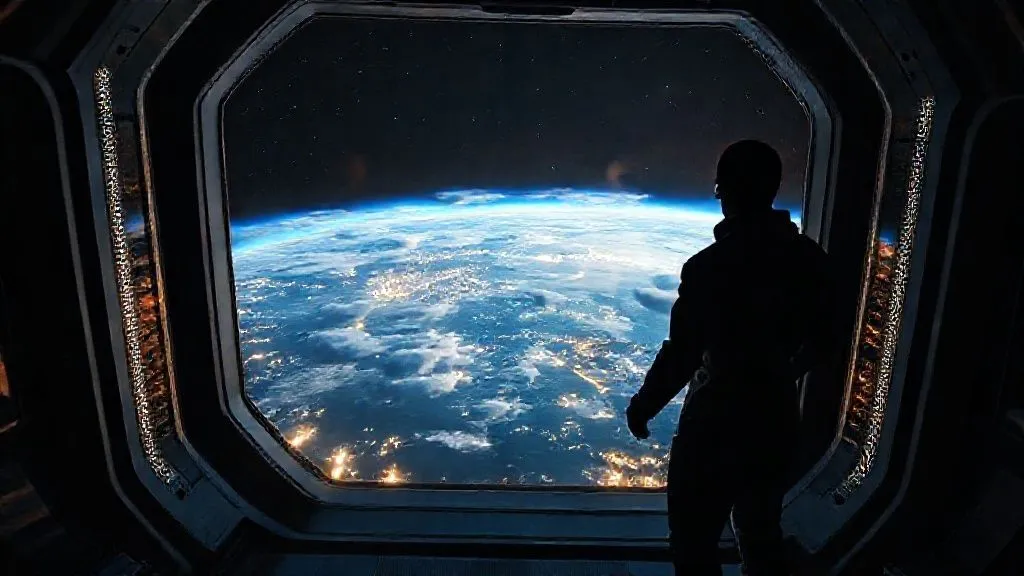
Imagine for a moment: the Earth, a vibrant blue marble, slowly receding beneath you. The inky blackness of space surrounds you, sprinkled with a million diamond-like stars. This isn't a dream from a science fiction novel anymore; it's the burgeoning reality of space tourism, offering ordinary individuals the chance to transcend our planet's bounds.
However, with this incredible new frontier comes a complex set of choices. The nascent space tourism industry is rapidly evolving, with several companies vying for your attention and investment. For the aspiring space traveler, the critical question becomes: how do you navigate this exciting yet uncharted territory to ensure a safe, memorable, and worthwhile journey?
This comprehensive guide is designed to demystify the process of choosing your ideal space tourism provider. By the end of this reading, you will possess the knowledge and frameworks necessary to make an informed decision, ensuring your cosmic adventure begins with confidence and clarity.
Understanding the Landscape of Space Tourism
Before you can select a space tourism company, it's crucial to understand the different types of experiences available and the key players pioneering them. Not all space flights are created equal, and your aspirations will dictate which type of journey is right for you.
Suborbital vs. Orbital Flights
The primary distinction in space tourism lies between suborbital and orbital flights. A suborbital flight takes you to the edge of space (typically above the Kármán line, 100 km or 62 miles above Earth), where you experience a few minutes of weightlessness and witness the curvature of the Earth against the blackness of space, before returning to Earth. These flights are generally shorter, lasting a total of 1.5 to 3 hours from takeoff to landing.
- Suborbital Benefits: More accessible, shorter training, lower cost (relatively).
- Suborbital Experience: Brief zero-G, stunning Earth views from high altitude.
An orbital flight, on the other hand, involves reaching speeds necessary to orbit the Earth, typically at altitudes of 200-400 km (124-250 miles). This allows for extended periods in space, ranging from several days to weeks, often involving stays on a space station. This is the realm of true space exploration, providing a profound and immersive experience.
- Orbital Benefits: Extended time in space, truly seeing Earth from orbit, potential for space station visits.
- Orbital Experience: Prolonged weightlessness, multiple sunrises/sunsets, deep space perspective.
The Key Players in the Industry
The space tourism market is currently dominated by a few prominent companies, each with its unique approach and offerings. Understanding their strengths and specializations is key to how to select a space tourism company that aligns with your vision.
- Virgin Galactic: Known for its suborbital spaceplane, VSS Unity, offering a brief but profound experience at the edge of space. They emphasize a comfortable, luxurious, and accessible journey.
- Blue Origin: With their New Shepard rocket, Blue Origin also focuses on suborbital flights, providing a similar experience of reaching space and returning. Their capsule offers large windows for unparalleled views.
- SpaceX (via Axiom Space, Space Adventures): While SpaceX primarily focuses on government and commercial satellite launches, their Crew Dragon capsule is used for orbital space tourism, facilitating trips to the International Space Station or standalone orbital missions. These are currently the most extensive and expensive options.
Each company has a distinct philosophy and operational methodology, which directly impacts the journey. Researching their history, leadership, and technological advancements provides crucial context.
Prioritizing Safety and Regulation
Safety is, without question, the paramount consideration when embarking on any space venture. The space industry is inherently high-risk, and while significant advancements have been made, due diligence on a company's safety protocols and regulatory compliance is non-negotiable.
Regulatory Oversight and Certifications
In the United States, commercial spaceflight is regulated by the Federal Aviation Administration (FAA) Office of Commercial Space Transportation (AST). The FAA issues launch licenses and ensures that commercial space operations protect public safety, property, and national security interests. While current regulations for 'spaceflight participants' (i.e., tourists) are less stringent than for professional astronauts, companies are still required to inform passengers of the risks involved and demonstrate their vehicles are safe for flight.
Look for companies that are transparent about their regulatory compliance and hold all necessary licenses. For example, the FAA’s website provides public information on licensed launches and operators. More details can be found on the FAA Commercial Space Transportation page.
Company Safety Records and Protocols
Investigate the company's track record. Has it conducted successful test flights? How many? Have there been any incidents or anomalies, and how were they addressed? A reputable space tourism company will have stringent safety protocols, including:
- Robust engineering and design standards.
- Extensive testing phases for all components and systems.
- Comprehensive risk assessment and mitigation strategies.
- Independent safety reviews and audits.
Don't hesitate to ask prospective companies for detailed information on their safety management systems and their contingency plans for various scenarios.
Emergency Preparedness and Training
Even with the most rigorous safety measures, emergencies can occur. A top-tier space tourism company will have well-defined emergency procedures and provide thorough training to its passengers. This training typically covers:
- Emergency egress procedures from the spacecraft.
- Use of safety equipment (e.g., oxygen masks, communication devices).
- Medical protocols for in-flight emergencies.
Understanding the level of preparedness and the training you will receive is vital for your peace of mind and safety. Companies should provide clear briefings on what to do in unforeseen circumstances.
Assessing the Experience: What to Expect?
Beyond safety, the quality and depth of the space experience itself are crucial. What does the journey entail from start to finish? Understanding the pre-flight, in-flight, and post-flight phases will help you manage expectations and truly appreciate the magnitude of your adventure.
Pre-Flight Training and Preparation
Space tourism isn't just about showing up for a launch. Even for suborbital flights, participants undergo a period of preparation. This training is less about becoming an astronaut and more about familiarizing you with the environment, procedures, and physical sensations you will experience. Training often includes:
- G-force tolerance training (e.g., in a centrifuge).
- Weightlessness simulations (e.g., parabolic flights).
- Cabin familiarization and safety briefings.
- Medical evaluations to ensure physical readiness.
Orbital flights, in particular, require more extensive and rigorous training, sometimes lasting several months, mirroring aspects of professional astronaut training. This is a significant commitment, as highlighted by agencies like NASA's astronaut training programs, which offer a glimpse into the intensity required.
The Flight Profile: Launch, Zero-G, Re-entry
Each company offers a slightly different flight profile. For suborbital flights, the experience typically involves a vertical launch, a rapid ascent to space, a few minutes of weightlessness at apogee (the highest point), and then a controlled re-entry and landing. The views of Earth from this altitude are often described as life-changing.
Orbital flights involve a more powerful launch to achieve orbital velocity, followed by days or weeks in space. During this time, you experience continuous microgravity, unparalleled views of Earth, and potentially opportunities for scientific observation or interaction with a space station crew. The re-entry is also a more involved process, requiring precise atmospheric braking.
Post-Flight Debrief and Souvenirs
Upon returning to Earth, a debriefing session is standard practice. This allows you to share your experiences and provide feedback. Many companies also offer mementos, such as flight suits, certificates of completion, or recordings of your journey, to commemorate this once-in-a-lifetime event. These tangible memories serve as cherished reminders of your extraordinary achievement.
The Financial Commitment: Costs and Value
Space tourism is an exclusive luxury, and the price tag reflects the complexity, risk, and pioneering nature of the endeavor. Understanding the financial aspects is critical when considering how to select a space tourism company.
Understanding the Price Tag
Prices vary dramatically depending on the type of flight:
- Suborbital flights: Typically range from $250,000 to $500,000.
- Orbital flights: Can range from tens of millions to hundreds of millions of dollars, depending on duration and destination (e.g., ISS).
These figures are subject to change as technology advances and the market matures. It's important to verify the most current pricing directly with the companies.
What's Included in the Package?
The advertised price usually includes more than just the flight itself. A comprehensive package often covers:
- Pre-flight training and medical evaluations.
- Accommodation during the training period.
- Specialized flight suits or apparel.
- Access to exclusive facilities.
- Post-flight ceremonies and memorabilia.
Ensure you have a clear understanding of what is and isn't included to avoid unexpected costs. Some companies may offer different tiers of packages with varying inclusions.
Insurance and Refund Policies
Given the significant investment, inquire about insurance options. Some companies may offer or require specific insurance policies to cover unforeseen circumstances, such as flight delays, cancellations, or personal medical emergencies. Furthermore, understand their refund and cancellation policies. The space industry is still prone to delays and schedule changes, so knowing your options in such events is crucial.
Delving into Company Reputation and Track Record
A company's reputation is built on its history, reliability, and public perception. When deciding how to select a space tourism company, a thorough examination of its standing within the industry and among its customers is indispensable.
Public Perception and Reviews
While direct customer reviews for space tourism are limited due to its nascent stage, you can gauge public perception through:
- News coverage and reputable journalistic reports.
- Industry analyses from aerospace experts.
- Social media sentiment (with caution, as it can be volatile).
Look for consistent positive reporting on their technological progress, safety adherence, and customer communication. Be wary of companies with a history of significant delays without clear explanations or those facing frequent negative press regarding their operational integrity.
Investor Backing and Stability
The development of spaceflight technology requires immense capital. The financial stability of a space tourism company is a strong indicator of its long-term viability and ability to deliver on its promises. Companies backed by significant investors or with strong corporate parentage are generally more resilient. Research their funding rounds, partnerships, and public market performance if applicable.
Past Milestones and Future Plans
Review the company's past achievements: Have they successfully completed uncrewed test flights? Have they flown human test pilots? What are their stated goals for the next few years? A company with a clear roadmap, demonstrable progress, and a realistic vision for scaling its operations inspires greater confidence. Be cautious of companies making grand promises without a concrete history of delivering on them.
Beyond the Basics: Unique Offerings and Future Prospects
As the space tourism industry matures, companies are beginning to offer more than just the thrill of reaching space. Exploring these unique offerings might refine your choice of how to select a space tourism company.
Customization and Bespoke Experiences
Some high-end providers may offer customized experiences, such as specific orbital trajectories, extended stays, or even the opportunity to participate in scientific experiments while in space. For those seeking an even more personalized journey, these bespoke options could be a significant differentiator.
Research Opportunities and Citizen Science
A fascinating aspect emerging in space tourism is the potential for citizen science. Some companies or missions might allow space tourists to contribute to research, conduct simple experiments, or deploy small satellites. This adds a layer of purpose and scientific engagement to the adventure, transforming it from a mere ride into a contribution to human knowledge.
The Vision for Future Space Travel
Consider the company's long-term vision. Are they merely offering short hops to space, or are they building infrastructure for future lunar tourism, space hotels, or even interplanetary travel? Aligning with a company whose long-term goals resonate with your own vision of humanity's future in space can make your initial journey feel like the first step in a grander adventure.
Common Pitfalls to Avoid When Choosing Your Space Adventure
Navigating the burgeoning space tourism market can be daunting, and there are several common mistakes prospective travelers make. Being aware of these pitfalls will significantly aid you in how to select a space tourism company wisely.
Overlooking Hidden Costs
While the base price is a significant factor, many individuals fail to account for additional expenses. These can include:
- Travel to and from the launch site.
- Accommodation beyond what's included in the package.
- Specialized clothing or gear not provided.
- Insurance premiums.
- Taxes and fees.
Always request a detailed breakdown of all potential costs to avoid any unwelcome surprises.
Neglecting Due Diligence on Safety
The allure of space can sometimes overshadow the inherent risks. Do not rely solely on marketing materials. Dig deep into the company's safety records, read independent reports, and understand the regulatory framework. If a company is evasive about its safety protocols or past incidents, consider it a major red flag.
Misunderstanding Flight Profiles
A common misconception is equating a suborbital flight with an orbital one. While both offer incredible experiences, they are fundamentally different in duration, altitude, and the sensations experienced. Ensure your expectations align with the type of flight the company offers to prevent disappointment.
Ignoring Customer Service Reputation
Given the significant investment and the emotional weight of a space journey, responsive and transparent customer service is paramount. Research how the company handles inquiries, manages expectations, and communicates about potential delays or changes. A company with a poor customer service reputation can turn an exciting anticipation into a frustrating ordeal.
Frequently Asked Questions (FAQ)
Is space tourism safe for everyone? While space tourism companies prioritize safety, it is an inherently risky endeavor. Participants undergo rigorous medical evaluations to ensure they are physically and mentally fit for the stresses of spaceflight, including high G-forces and microgravity. It is not suitable for individuals with certain medical conditions.
How long does space tourism training take? The duration of training varies significantly by the type of flight. For suborbital flights, training might last a few days to a week. For orbital flights, it can extend for several weeks or even months, involving more intensive physical and technical preparation.
What's the difference between suborbital and orbital space tourism? Suborbital flights briefly reach the edge of space (above 100 km) for a few minutes of weightlessness before returning to Earth. Orbital flights achieve sustained velocity to circle the Earth for days or weeks, offering prolonged microgravity and views from much higher altitudes.
Can I bring personal items into space? Most space tourism companies allow a very limited number of small, personal items, subject to strict weight and safety regulations. These items are typically inspected and approved by the company well in advance of the flight.
What happens if a flight is canceled or delayed? Delays and cancellations are common in spaceflight due to weather, technical issues, or regulatory reasons. Reputable companies will have clear policies regarding rebooking, refunds, and accommodation during delays. Always review these terms before booking.
Recommended Reading
- Wellness Travel for Stress: Your Ultimate Unwinding Guide
- Ultimate Guide: Best Luxury Hotel Amenities for Total Relaxation
- Your Essential Guide: How to Plan a Zero-Waste Trip to National Parks
- Unlock City Secrets: Best Urban Exploration Apps for City Breaks
- Master Your First White Water Rafting Trip: Essential Prep Guide
Conclusion
The dream of space travel is no longer confined to the realm of science fiction; it is a tangible, albeit exclusive, reality. Understanding how to select a space tourism company for travel is a complex but navigable journey, requiring careful consideration of safety, the nature of the experience, financial implications, and the company's reputation. By meticulously researching each of these pillars, you empower yourself to make an informed decision, transforming a monumental investment into the adventure of a lifetime.
As humanity continues its push beyond Earth, remember that your choice of a space tourism provider is not just about a ticket to the stars; it's about partnering with a pioneer who shares your vision for the future. Choose wisely, prepare thoroughly, and get ready to witness our incredible planet from a perspective few have ever known. The cosmos awaits.



Your email address will not be published. Required fields are marked *