

How to use solo adventure travel to overcome executive burnout?
For over two decades as an industry expert, I've witnessed the silent epidemic that plagues our most driven leaders: executive burnout. It's a insidious force, often mistaken for mere stress, that erodes not just productivity but passion, purpose, and ultimately, personal well-being. I've seen countless brilliant minds, once vibrant and innovative, reduced to shells of their former selves, trapped in a cycle of endless demands and diminishing returns.
This isn't just about feeling tired; it's a state of profound physical, emotional, and mental exhaustion caused by prolonged or excessive stress. For executives, the stakes are incredibly high. The constant pressure of decision-making, managing large teams, hitting aggressive targets, and navigating complex corporate landscapes creates a relentless drain. Without intervention, this leads to cynicism, detachment, impaired cognitive function, and a complete loss of enjoyment in both work and life.
But what if the antidote wasn't another corporate retreat or a mindfulness app, but something far more transformative? In this definitive guide, I will share how solo adventure travel, a path I've personally walked and recommended to many, offers a unique and powerful framework for overcoming executive burnout. You'll learn not just why it works, but actionable strategies, real-world insights, and a step-by-step approach to reclaim your vitality and rediscover your purpose.
Understanding the Executive Burnout Epidemic: More Than Just Fatigue
Before we dive into solutions, it's crucial to fully grasp the beast we're fighting. Executive burnout isn't simply a bad week or a need for a long weekend. It's a chronic condition, a slow erosion of spirit and capability that builds over months, even years. In my experience, it often stems from a combination of factors unique to the executive suite: relentless pressure, an 'always-on' culture, the weight of responsibility, and often, a blurring of lines between personal and professional life.
The symptoms are multifaceted and insidious. Physically, you might experience chronic fatigue, insomnia, frequent headaches, or even increased susceptibility to illness. Emotionally, it manifests as cynicism, irritability, feelings of helplessness, and a profound sense of detachment. Cognitively, decision-making becomes harder, focus wanes, and creativity dwindles. According to a study published in the Harvard Business Review, executives are particularly vulnerable due to high stakes, long hours, and the emotional labor involved in leadership. This isn't a sign of weakness; it's a natural human response to unsustainable demands.
Expert Insight: "Burnout is not a personal failure. It is a systemic issue, a byproduct of environments that demand unsustainable levels of performance without providing adequate recovery or recognition."<
Why Solo Adventure Travel is the Ultimate Antidote
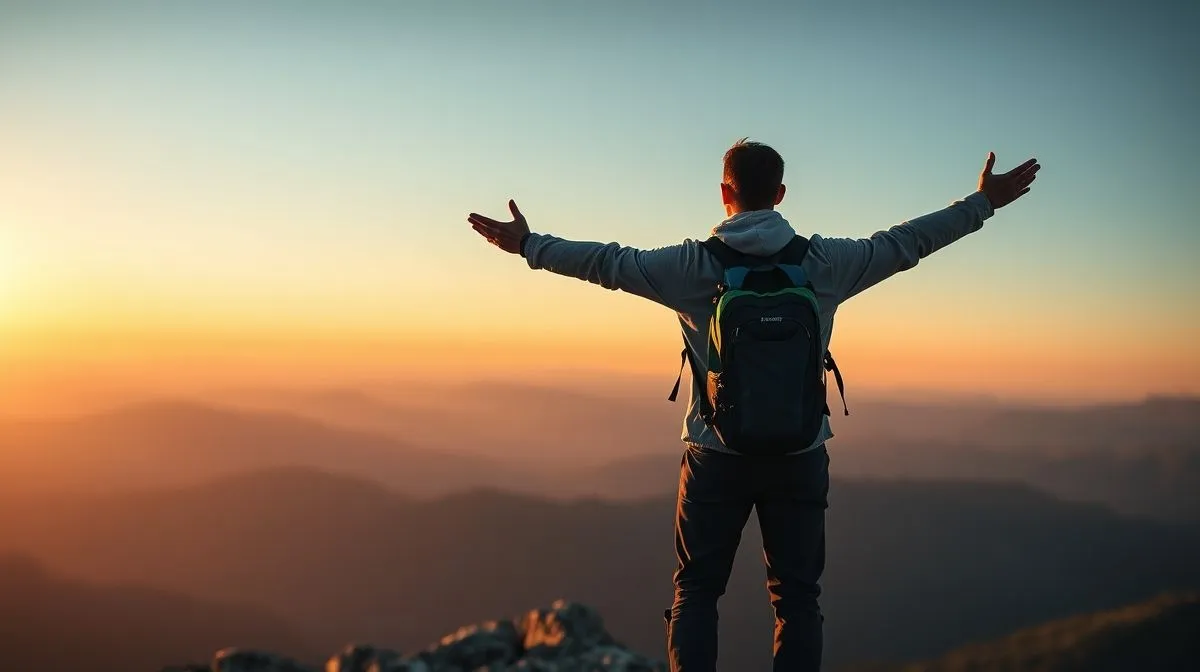
Why solo adventure travel? Because it offers a stark, profound contrast to the environment that causes burnout. It’s not just a vacation; it’s an intentional immersion into challenge, self-reliance, and profound disconnection from the digital leash. Unlike group tours or family trips, solo adventure travel forces you to be present, to make your own decisions, and to confront yourself without the usual external distractions or responsibilities.
Here’s why it’s uniquely effective:
- Forced Disconnection: No endless emails, no urgent calls. You are truly off the grid, allowing your prefrontal cortex, which is likely in overdrive, to finally rest.
- Reclaiming Agency: Burnout often comes with a feeling of losing control. On a solo adventure, every decision, from where to eat to which path to take, is yours, subtly rebuilding your sense of autonomy.
- Physical Challenge & Endorphins: Whether it’s hiking, kayaking, or climbing, physical exertion releases endorphins, reduces stress hormones, and reconnects you with your body.
- Novelty & Neuroplasticity: New environments and challenges stimulate your brain, fostering neuroplasticity and breaking rigid thought patterns. This is crucial for reigniting creativity and problem-solving skills.
- Self-Discovery & Reflection: Without the noise of daily life, you gain invaluable space for introspection. You can reconnect with your core values, your passions, and the person you are outside of your professional identity.
Strategic Planning: Your Pre-Departure Blueprint
Even an adventure needs a strategic plan, especially when your goal is profound recovery. This isn't about rigid itineraries, but about setting the stage for success. In my coaching practice, I always emphasize that the preparation is part of the healing.
- Define Your 'Why': Be crystal clear about what you want to achieve. Is it complete digital detox? Physical challenge? Deep introspection? Knowing your 'why' will guide your choices.
- Choose Your Adventure Wisely: This isn't the time for a beach resort if you need profound change. Consider destinations that offer physical activity, natural beauty, and opportunities for solitude. Think multi-day treks, remote cycling tours, or even a solo sailing trip.
- Logistical & Safety Preparations: As a leader, you understand risk mitigation. Research local customs, secure necessary permits, ensure robust travel insurance, and share your itinerary with a trusted person.
- Prepare Your Team: Delegate effectively. Set clear expectations for your absence. Over-communicate before you leave to minimize interruptions. Remember, true leadership is about building a team that can function without you.
- Set Digital Boundaries: This is non-negotiable. Inform colleagues and clients of your limited availability. Delete work apps from your phone. Consider a 'dumb phone' for emergencies or leaving your primary device behind. This is perhaps the single most important step for true mental respite.
Embracing Discomfort: The Growth Engine of Solo Travel
Executive life often seeks to minimize discomfort, but true growth, especially in overcoming burnout, lies in embracing it. Solo adventure travel will inevitably present moments of discomfort – a wrong turn, challenging weather, a moment of loneliness. These aren't setbacks; they are opportunities.
Think of it as mental and emotional strength training. When you navigate a complex trail alone, or find a solution to a minor travel mishap without assistance, you are actively rebuilding your resilience. You are proving to yourself, outside the corporate context, that you are capable, adaptable, and resourceful. This builds self-efficacy, a critical component often eroded by burnout's feelings of helplessness.
Expert Insight: "The most profound shifts in perspective often occur at the edge of your comfort zone. Solo adventure pushes those boundaries, revealing an untapped wellspring of inner strength."
I've seen executives, initially daunted by the prospect of navigating a foreign city alone, return with an unparalleled sense of accomplishment. This isn't just about the physical journey; it's about the psychological one. You learn to trust your instincts, adapt on the fly, and discover that you are far more capable than you ever imagined. This newfound confidence spills over into your professional life, equipping you to face challenges with renewed vigor.
Mini Case Study: How Sarah, a Tech CEO, Rediscovered Her Drive
Sarah, a high-flying CEO of a rapidly scaling tech firm, found herself staring at the ceiling at 3 AM most nights, dreading the next day. Her passion for innovation had been replaced by pervasive anxiety and a constant sense of overwhelm. Recognizing the signs of severe burnout, she took my advice and embarked on a three-week solo trekking expedition through Patagonia.
Initially, she struggled with the lack of connectivity and the physical demands. There were moments of genuine fear and frustration. However, as she navigated challenging trails, relied solely on her wits, and spent hours in silent contemplation amidst breathtaking landscapes, something shifted. She reconnected with the simple joy of putting one foot in front of the other, of problem-solving for survival rather than profit. She realized how little time she'd dedicated to her own needs. By the end of her trip, she returned not just physically refreshed but mentally invigorated, with a renewed clarity of purpose and a commitment to more sustainable leadership practices. She implemented 'digital-free weekends' for her entire executive team and actively encouraged sabbaticals, seeing a tangible boost in creativity and morale.
The Power of Digital Detox and Presence
In our hyper-connected world, true digital detox is a revolutionary act, especially for executives. Your phone, laptop, and smartwatch are often extensions of your professional identity, constantly reminding you of tasks, emails, and commitments. Solo adventure travel provides the ideal environment for a complete digital disconnection.
When you're navigating a remote trail, kayaking a pristine lake, or simply sitting by a campfire under a blanket of stars, the urge to check your phone diminishes. You are forced into the present moment. This is where mindfulness truly begins, not as an abstract concept, but as a lived experience. You become acutely aware of your surroundings – the smell of pine, the sound of a distant bird, the feeling of the wind on your face. This sensory immersion pulls you away from ruminating on past failures or future anxieties.
This sustained presence is incredibly restorative. It calms the agitated nervous system, allowing your mind to wander creatively rather than obsessively. It’s akin to defragging a hard drive. By unplugging, you allow your brain to process, sort, and ultimately, restore its optimal function. This isn't just about reducing stress; it's about reigniting the cognitive agility that is paramount for effective leadership.
Reconnecting with Self: Beyond the Boardroom Persona
Burnout often blurs the lines of identity. You become 'the CEO,' 'the VP,' 'the manager,' losing touch with the person beneath the title. Solo adventure travel provides the sacred space to shed these external identities and reconnect with your authentic self.
There's no one to impress, no reputation to uphold, no expectations to meet other than your own. You choose your pace, your path, your challenges. This autonomy is profoundly liberating. You might discover a love for painting, a forgotten passion for reading, or simply the joy of silence. As psychologist Carl Jung famously said, "The shoe that fits one person pinches another; there is no recipe for living that suits all cases." Solo travel allows you to find your own fit.
Many executives I’ve mentored have returned from their solo journeys with a startling clarity about their values, their true priorities, and even fundamental shifts in their career trajectory. Some realize they need a more balanced life, others discover a desire for impact beyond profit, and some simply remember who they are when stripped of their corporate armor. This self-discovery is the cornerstone of sustainable well-being and a return to purposeful leadership.
Post-Adventure Integration: Sustaining Your Rejuvenation
The journey doesn't end when you step off the plane. The true test is how you integrate the lessons and renewed vitality into your daily life. Without a conscious effort, the benefits can quickly fade under the relentless pressure of executive demands.
- Debrief and Reflect: Immediately after your trip, dedicate time to journal your experiences, insights, and feelings. What did you learn about yourself? What new perspectives did you gain?
- Set Non-Negotiables: Identify 1-2 practices from your trip that you absolutely must carry forward. Perhaps it's a daily walk in nature, a digital-free hour each evening, or dedicating time to a personal hobby.
- Boundary Reinforcement: Re-evaluate your work-life boundaries. Can you delegate more effectively? Can you say 'no' to non-essential tasks? Can you schedule 'think time' or 'recovery time' into your calendar?
- Share Selectively: You don't need to broadcast every detail, but sharing key insights with trusted colleagues or your mentor can reinforce your commitment to change and inspire others.
- Plan Your Next Micro-Adventure: Even small, local solo adventures can help sustain the feeling of freedom and self-reliance. Don't wait for another burnout to plan your next escape.
Expert Insight: "Burnout recovery is not a one-time event; it's a recalibration. The practices you adopt post-adventure are just as critical as the adventure itself."
According to a report by Deloitte on Human Capital Trends, organizations are increasingly recognizing the importance of employee well-being as a strategic imperative. Your personal journey can inform and inspire systemic changes within your own company.
Frequently Asked Questions (FAQ)
Question? Is solo adventure travel truly safe for someone with high-profile responsibilities?
Answer: Safety is paramount, and it's a valid concern for executives. The key is meticulous planning and choosing destinations appropriate for your experience level. Many reputable adventure travel companies offer 'self-guided' tours where logistics (accommodation, luggage transfer) are handled, but you travel independently. Sharing your itinerary with a trusted contact, carrying a satellite communication device for remote areas, and being aware of local customs and emergency services are all part of responsible solo travel. In my experience, the perceived risks often outweigh the actual, manageable ones, especially when you apply the same risk assessment principles you use in business.
Question? How long should such a trip be to be effective for executive burnout?
Answer: While any break is beneficial, for deep executive burnout, I recommend a minimum of two to three weeks. This allows sufficient time to truly decompress from the 'always-on' state, move beyond the initial discomfort of solitude, and fully immerse yourself in the experience. The first few days are often spent simply unwinding; the real transformative work begins after that initial period of detox. For more severe cases, a month or even longer might be necessary, perhaps as a sabbatical.
Question? What if I'm not naturally 'adventurous' or physically fit for a challenging trip?
Answer: 'Adventure' is subjective. It doesn't have to mean scaling Everest. It could be a solo cycling tour through a European wine region, a multi-day hike on a well-maintained trail, or even a solo cultural immersion trip in a new city where you explore on foot. The 'adventure' aspect comes from the self-reliance and novelty, not necessarily extreme physical exertion. Many trips are adaptable to various fitness levels. The crucial element is stepping outside your comfort zone in a way that feels empowering, not overwhelming. Start small if you need to, but commit to the 'solo' and 'new experience' aspects.
Question? How do I convince my company or colleagues that this type of break is necessary and beneficial?
Answer: Frame it in terms of performance and long-term sustainability. Instead of saying 'I'm burned out,' say 'To continue delivering at my peak and avoid future performance dips, I require a period of profound rejuvenation to return with renewed strategic clarity and energy.' Highlight the benefits to the company: increased innovation, better decision-making, improved leadership capacity, and reduced risk of long-term health issues that lead to extended absences. Reference studies on the benefits of sabbaticals and breaks for executive performance. A well-rested leader is an effective leader.
Question? I'm worried about feeling lonely on a solo trip. How do I manage that?
Answer: It's a common concern, especially for those used to constant interaction. Loneliness can be part of the journey, but it's often fleeting and replaced by profound self-connection. Embrace the solitude. Use it for reflection, journaling, or simply observing the world around you. You'll find opportunities for brief, meaningful interactions with locals or other travelers, which often feel more authentic than daily office chatter. Remember, the goal isn't to avoid all human contact, but to choose it intentionally, and to learn to be comfortable and confident in your own company. Many find that the initial feeling of loneliness quickly transforms into a powerful sense of self-sufficiency and peace.
Recommended Reading
- Unlock Winter Fun: Your Guide to Non-Skiing Destinations
- Your Ultimate Guide: How to Select a Space Tourism Company for Your Journey
- Ultimate Guide: Best Luxury Hotel Amenities for Total Relaxation
- Volunteer for Sea Turtles: Your Ultimate Guide to Conservation
- Surf & Zoom: 7 Global Spots Offering Reliable Remote Work Connectivity
Key Takeaways and Final Thoughts
- Executive burnout is a serious, systemic issue requiring more than superficial solutions.
- Solo adventure travel offers a unique, profound antidote by forcing disconnection, rebuilding agency, and fostering self-discovery.
- Strategic planning, embracing discomfort, and a rigorous digital detox are crucial for maximizing the benefits.
- The journey of self-reconnection is as vital as the physical adventure itself.
- Successful integration of lessons and new habits post-trip is key to sustained well-being and performance.
As a veteran in this field, I've seen firsthand that the bravest journey an executive can undertake isn't always to the top of the corporate ladder, but often into the wild, alone, to rediscover the self that got them there in the first place. You have the courage and the capability to lead your organization; now, apply that same strategic thinking and boldness to leading yourself out of burnout and into a life of renewed purpose and passion. The adventure awaits, and with it, your most resilient self.



Your email address will not be published. Required fields are marked *