

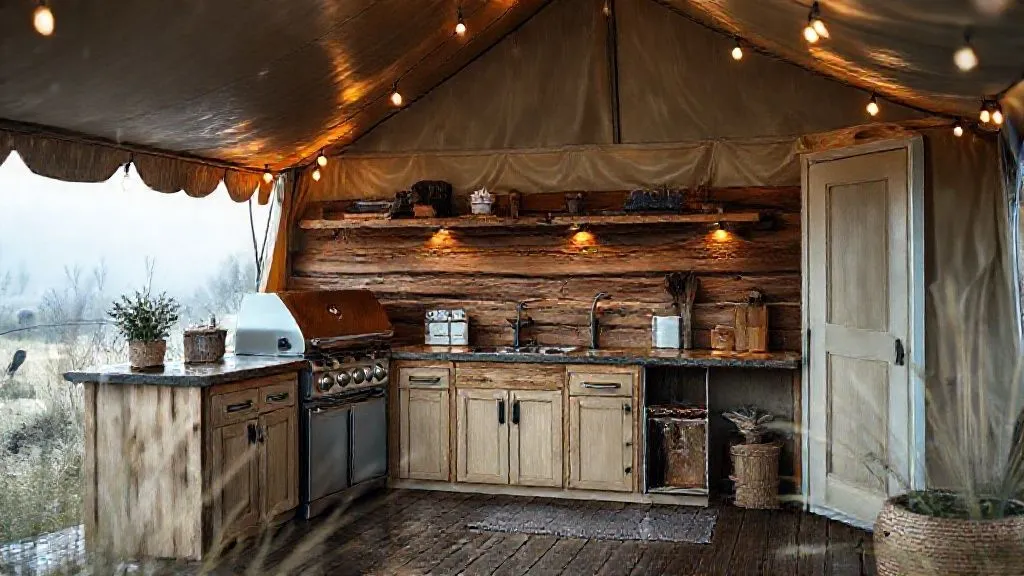
How to Weatherproof Luxury Glamping Outdoor Kitchens for Year-Round Use?
For over a decade and a half, I've had the privilege of traversing the evolving landscape of luxury glamping. From the rugged peaks of the Rockies to the serene coastlines, I've witnessed the breathtaking innovation in outdoor living spaces. Yet, one consistent heartbreaker I've observed is the premature decline of magnificent outdoor kitchens, often succumbing to the relentless elements long before their time.
The vision is always grand: a gourmet cooking haven nestled amidst nature, offering unparalleled culinary experiences year-round. However, without meticulous planning and the right strategies, that dream can quickly turn into a costly nightmare. Owners find their substantial investments corroding, warping, and failing, limiting guest experiences to just a few fair-weather months and eroding the very essence of 'luxury' they sought to provide.
This isn't merely about buying robust materials; it's about a holistic, strategic approach to design, installation, and ongoing maintenance. In this definitive guide, I'll draw upon my extensive experience to provide you with actionable frameworks, real-world insights, and expert advice on how to weatherproof luxury glamping outdoor kitchens for year-round use, ensuring your investment not only enduring but thrives, delivering exceptional guest experiences come rain, shine, or snow.
Understanding the Elements: Your Glamping Kitchen's Arch-Nemesis
Before we delve into solutions, we must first truly understand the adversaries. The natural world, while beautiful, is an unforgiving environment for intricate structures. Your glamping outdoor kitchen isn't just battling one force; it’s confronting a symphony of destructive elements that conspire to degrade its beauty and functionality over time.
The Silent Threats: Moisture, UV, Wind, and Temperature Swings
Moisture, in all its forms—rain, snow, humidity, and condensation—is perhaps the most insidious foe. It leads to rust in metals, rot in wood, mold and mildew growth, and can compromise electrical components. Even seemingly minor dampness can, over time, cause significant structural damage and health hazards. Protecting against water ingress is paramount.
Then there's the sun's relentless UV radiation. While we crave its warmth, UV rays degrade plastics, fade fabrics, crack paints and sealants, and weaken the molecular bonds of many materials. This accelerates aging, reducing the lifespan and aesthetic appeal of your outdoor kitchen components. Think of it as a constant, invisible assault on every exposed surface.
Wind, especially in exposed glamping locations, can cause abrasive damage from airborne particles, stress structural joints, and even dislodge covers or lightweight components. Persistent winds can also drive moisture into the tiniest crevices, exacerbating water-related issues. And let's not forget the dramatic temperature swings between day and night, or season to season. These fluctuations cause materials to expand and contract, leading to cracking, warping, and the loosening of fasteners, ultimately compromising the integrity of your kitchen's construction.
"Proactive defense against the elements isn't an option; it's a non-negotiable prerequisite for any successful year-round luxury glamping outdoor kitchen. Ignoring these forces is akin to building a sandcastle against the tide."
Foundation First: Strategic Site Selection and Layout
The journey to a truly weatherproof glamping kitchen begins long before the first cabinet is installed. It starts with an intelligent assessment of your chosen site. I've seen countless projects fall short because insufficient attention was paid to the microclimate and topographical nuances of the location. This foundational step dictates everything from drainage to sun exposure and wind patterns.
Firstly, consider drainage. Your outdoor kitchen should ideally be situated on slightly elevated ground or a well-drained area to prevent water pooling around its base. Implementing a gentle slope away from the kitchen, or incorporating French drains and gravel beds, can dramatically reduce moisture accumulation. Proper water management prevents erosion, protects foundations, and keeps the cooking area dry and safe.
Next, evaluate sun and shade patterns. Strategic placement under existing mature trees (mindful of falling debris) or utilizing architectural shade structures can mitigate the harsh effects of direct UV radiation. However, be cautious of areas that remain perpetually damp due to excessive shade, as this can encourage mold and mildew. It’s a delicate balance to strike.
Finally, assess wind exposure. While some airflow is desirable for ventilation, excessive wind can be problematic. Utilize natural windbreaks like dense foliage or strategically placed structures to shelter the kitchen. This not only protects the physical components but also enhances comfort for guests, making cooking a more enjoyable experience even on blustery days.
- Elevation and Slope: Ensure a natural or engineered slope directs water away.
- Sun Path Analysis: Map sun exposure throughout the day and year to optimize shade and natural drying.
- Wind Tunnel Identification: Observe wind patterns to position the kitchen in a sheltered spot or plan for windbreaks.
- Proximity to Utilities: Plan for easy, weatherproof access to water, electricity, and gas lines.
- Accessibility: Consider ease of access for guests and maintenance crews, regardless of weather.
The Material Difference: Choosing Resilience and Style
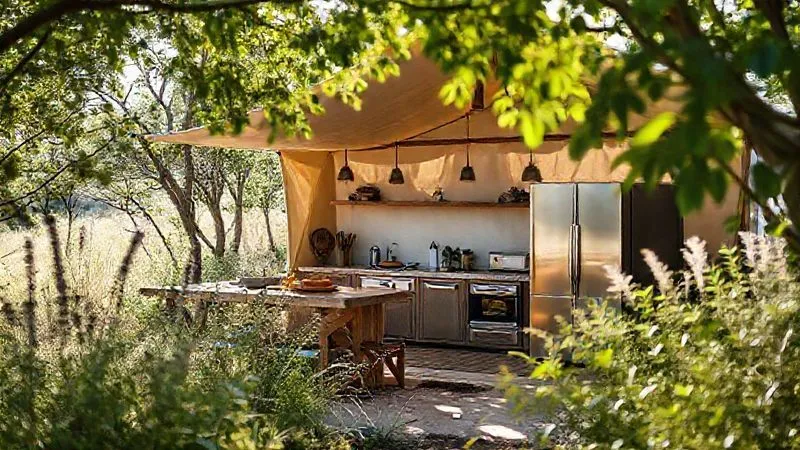
Once your site is optimally selected, the next critical decision lies in the materials you choose. This is where the 'luxury' meets 'longevity'. Skimping on material quality in an outdoor setting is a false economy, leading to rapid deterioration and constant repair. My advice is always to invest in materials that are inherently designed to withstand the elements without compromising on aesthetic appeal.
Countertops and Cabinetry: The Unsung Heroes
For countertops, I steer clients towards non-porous, highly durable options. Sealed natural stone like granite or quartzite, while requiring regular sealing, offers unparalleled beauty and heat resistance. However, for ultimate weather resistance with minimal maintenance, high-performance engineered composites or even robust marine-grade stainless steel are superior. These materials resist staining, UV degradation, and bacterial growth, crucial for hygiene in an outdoor setting.
When it comes to cabinetry, traditional wood is often a poor choice for year-round exposure unless meticulously treated and maintained. Instead, look for materials like marine-grade polymer (HDPE), which is impervious to moisture, won't rot, swell, or delaminate, and is UV-stabilized. Powder-coated aluminum or stainless steel cabinets also offer exceptional durability and a sleek, modern aesthetic. Always ensure hardware (hinges, drawer slides) is also marine-grade stainless steel to prevent rust.
- Assess Climate Demands: Match material resilience to your specific climate (e.g., extreme cold, high humidity, intense sun).
- Prioritize Non-Porous Surfaces: Reduce water absorption and ease cleaning.
- Verify UV Stability: Ensure materials won't fade or degrade under sun exposure.
- Check Corrosion Resistance: Especially for metals; opt for 316-grade stainless steel.
- Consider Maintenance: Choose materials that align with your operational maintenance capacity.
Appliances: Built for the Wild, Designed for Luxury
This is where many glamping kitchens falter. You cannot simply install indoor appliances outdoors and expect them to last. Outdoor-rated appliances are specifically engineered to endure extreme temperatures, moisture, and UV exposure. Look for certifications like those from Underwriters Laboratories (UL) for outdoor use, which signifies rigorous testing for safety and durability in exposed conditions. According to a UL study on outdoor appliance safety, proper certification is crucial for preventing electrical hazards and ensuring longevity.
For grilling, invest in marine-grade stainless steel grills with heavy-duty burners and robust construction. Refrigerators must be outdoor-rated, designed to operate efficiently in a wider range of ambient temperatures and sealed against moisture. Induction cooktops, when integrated correctly, offer excellent performance and are less susceptible to wind interference than gas burners. Ensure all electrical connections are waterproof and housed in appropriate conduits.
Engineered Protection: Covers, Enclosures, and Smart Sheltering
Even with the most resilient materials, direct, prolonged exposure to the harshest elements will eventually take its toll. This is where engineered protection comes into play, acting as the first line of defense. Think of it as creating a micro-environment for your kitchen that shields it from the immediate impact of weather.
Bespoke Covers: More Than Just a Tarp
A generic tarp is simply inadequate for a luxury glamping kitchen. You need custom-fit, breathable, UV-resistant covers for your grill, sinks, and entire cabinetry sections. Materials like Sunbrella fabric or heavy-duty marine canvas are excellent choices. They are designed to repel water, resist fading, and allow air circulation to prevent condensation and mildew buildup underneath. These covers should be easy to secure and remove, encouraging consistent use by staff or guests.
- Custom Fit: Ensures complete coverage and prevents wind uplift.
- Breathable Fabric: Prevents moisture trapping and mildew.
- UV Protection: Extends the life of underlying materials.
- Secure Fastenings: Straps, buckles, or weighted hems keep covers in place during high winds.
- Easy Handling: Lightweight yet durable materials for effortless application and removal.
Retractable Awnings and Pergolas: Blending Form and Function
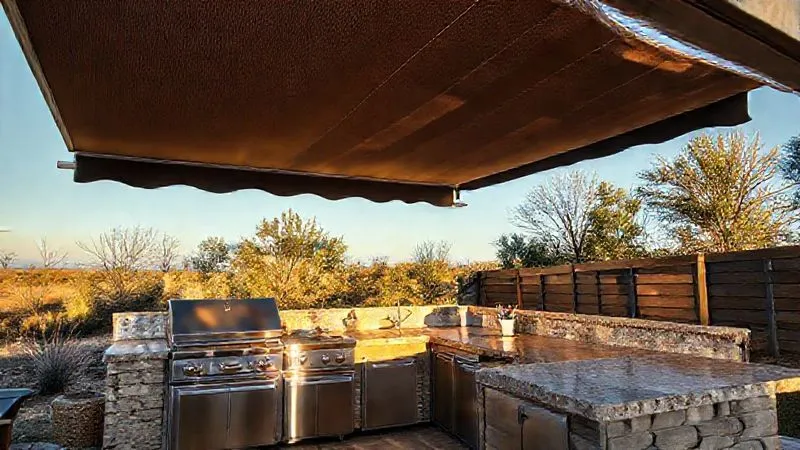
For more permanent overhead protection, retractable awnings or louvered pergolas are invaluable. A high-quality retractable awning, ideally motorized, allows you to provide shade from intense sun or shelter from sudden rain showers at the touch of a button. Look for models with durable, weather-resistant fabrics and robust frame construction, often aluminum or powder-coated steel.
Louvered pergolas offer even greater versatility, with adjustable slats that can be angled to block sun, allow ventilation, or close completely for rain protection. Some advanced systems even integrate rain sensors for automatic closure. These structures not only protect your kitchen but also enhance the overall guest experience by creating a comfortable, adaptable outdoor living space. As I often tell my clients, the best solutions are those that serve multiple purposes.
"The true luxury of a glamping outdoor kitchen isn't just its appearance, but its unwavering readiness for use, regardless of the whims of the weather. Intelligent sheltering makes this a reality."
The Unseen Guardians: Sealants, Coatings, and Drainage Systems
While visible protection is crucial, much of the long-term weatherproofing happens beneath the surface and within the structure itself. These unseen guardians are vital for preventing water penetration and ensuring the integrity of your kitchen from the inside out. Neglecting these details is a common mistake that leads to costly repairs down the line.
Sealing the Deal: Protecting Against Moisture Ingress
Every joint, seam, and penetration point in your outdoor kitchen is a potential pathway for water. This is where high-quality marine-grade sealants and caulks become indispensable. These aren't your average bathroom silicones; they are formulated to withstand extreme temperature fluctuations, UV exposure, and constant moisture without cracking or losing adhesion. Use them diligently around sinks, built-in appliances, countertop seams, and where the kitchen structure meets any adjacent surfaces.
Furthermore, consider applying waterproofing membranes in critical areas, especially behind backsplashes or under countertops where water might collect. For natural stone, regular application of a penetrating stone sealer is crucial to maintain its water repellency and prevent staining. Proper flashing around any openings or transitions is also non-negotiable to direct water away from vulnerable points. This comprehensive approach to sealing is what truly distinguishes a weatherproof kitchen.
- Countertop Seams: Use flexible, UV-resistant sealant to prevent water ingress.
- Appliance Gaps: Seal around built-in appliances where they meet cabinetry.
- Backsplash/Wall Junctions: Apply sealant where the kitchen meets any vertical surfaces.
- Penetrations: Seal meticulously around plumbing and electrical conduits.
- Material Transitions: Ensure a watertight seal where different materials meet.
Drainage: Directing Water Away
Beyond site selection, internal drainage within the kitchen unit itself is critical. Ensure that countertops have a slight slope towards the sink or a subtle drip edge to prevent water from pooling or running down cabinet fronts. For areas prone to heavy rain, incorporating a discreet trench drain around the perimeter of the kitchen pad can be highly effective. These systems collect surface water and channel it away, preventing saturation of the surrounding ground and protecting the kitchen's base from prolonged dampness.
For built-in sinks, ensure robust plumbing with proper P-traps and vents, and use outdoor-rated pipes that can withstand freezing temperatures if applicable to your climate. The goal is to manage water actively, preventing it from ever having a chance to settle and cause damage.
| Sealant Type | Key Benefits | Typical Application |
|---|---|---|
| Marine-Grade Silicone | Extreme flexibility, UV stable, salt-water resistant, excellent adhesion | Countertop seams, around sinks, appliance gaps |
| Polyurethane Sealant | Strong adhesion, paintable, durable, good abrasion resistance | Structural joints, heavy-duty sealing, areas with movement |
| Penetrating Stone Sealer | Invisible protection, allows stone to breathe, resists stains and moisture | Natural stone countertops, backsplashes |
| Butyl Rubber Sealant | Excellent waterproofing, high elasticity, long-lasting, good thermal stability | Flashing, difficult-to-seal joints, hidden membranes |
Smart Technology Integration for Year-Round Monitoring
In the age of smart living, our outdoor spaces shouldn't be left behind. Integrating smart technology into your glamping outdoor kitchen elevates its weatherproofing capabilities from reactive to proactive, offering peace of mind and enhanced operational efficiency. This isn't about unnecessary gadgets; it's about intelligent systems that protect your investment and ensure guest comfort.
Environmental Sensors and Smart Controls
Imagine your kitchen knowing when rain is coming or when temperatures are about to plummet. Environmental sensors are the eyes and ears of your smart kitchen. Humidity sensors can detect excessive moisture buildup within cabinetry, triggering smart ventilation fans to prevent mold and mildew. Temperature sensors can monitor ambient conditions, allowing for automated activation of heating elements (e.g., in water lines) or triggering alerts for manual winterization procedures.
Connecting these sensors to a central smart control system allows for remarkable automation. For instance, a rain sensor could automatically retract an awning or deploy custom covers over vulnerable appliances. Smart lighting can adjust based on ambient light levels, enhancing safety and ambiance. According to a recent Forbes article on smart outdoor living trends, such integrations are becoming a hallmark of true luxury and efficiency. These systems offer not just protection but also valuable data for optimizing energy use and maintenance schedules.
Furthermore, remote monitoring capabilities mean you can check on your glamping kitchen's status from anywhere, receiving alerts if a critical threshold is met (e.g., extreme cold, prolonged dampness). This proactive approach minimizes the risk of damage and ensures your kitchen remains in pristine condition, ready for use at any moment.
Proactive Maintenance: Your Annual Weatherproofing Ritual
Even the most robustly constructed and technologically advanced outdoor kitchen requires consistent, proactive maintenance. Think of it as the ongoing health regimen for your investment. This isn't just about cleaning; it's about regular inspections, timely repairs, and seasonal preparations that significantly extend the lifespan and functionality of your luxury glamping outdoor kitchen.
Seasonal Checklists: A Stitch in Time
I always advocate for a structured, seasonal maintenance plan. This ensures nothing is overlooked and allows you to address minor issues before they escalate into major problems. Here’s a simplified breakdown:
- Spring Opening:
- Thoroughly clean all surfaces, appliances, and cabinetry.
- Inspect all sealants and caulking for cracks or degradation; reapply as needed.
- Check all plumbing and electrical connections for leaks or damage.
- Test all appliances and smart systems.
- Lubricate hinges and moving parts with outdoor-grade lubricants.
- Mid-Season Review (Summer/Peak Use):
- Regularly clean and wipe down surfaces to prevent buildup.
- Check for any signs of pest activity or rust.
- Ensure covers are used during periods of non-use or inclement weather.
- Monitor drainage systems for blockages.
- Fall Winterization (for cold climates):
- Deep clean all components, especially grills and sinks.
- Disconnect and drain all water lines to prevent freezing.
- Turn off gas and electricity to non-essential appliances.
- Apply protective coatings or sealants to vulnerable surfaces.
- Secure all covers tightly and ensure any retractable structures are fully retracted or secured.
Case Study: "The Evergreen Retreat's Resilient Kitchen"
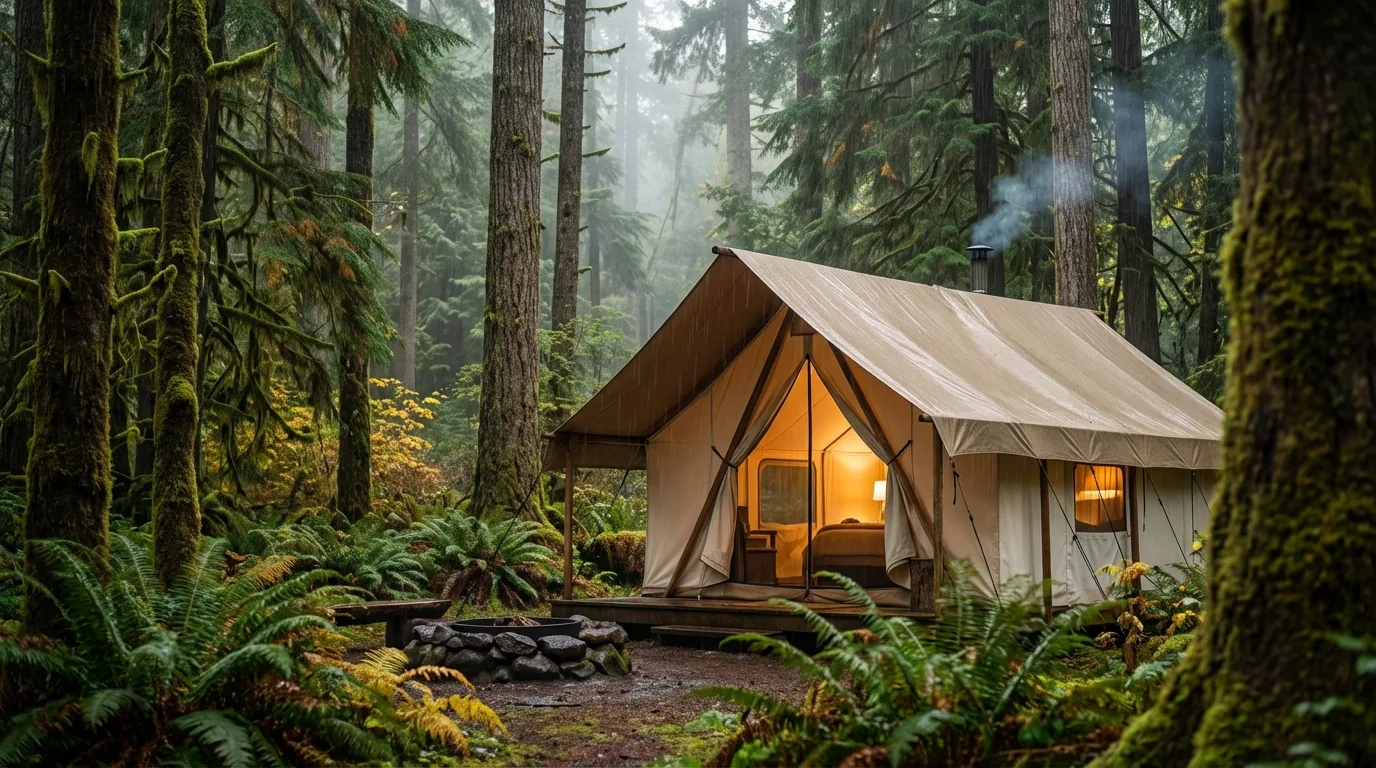
The Evergreen Retreat, a high-end glamping resort nestled in the Pacific Northwest, faced significant challenges with their initial outdoor kitchen installations. Within two years, their beautifully designed kitchens showed signs of severe water damage, rust, and material degradation, leading to frequent repairs and guest complaints. Their problem was a reactive approach to weather challenges.
We partnered with Evergreen to implement a holistic weatherproofing strategy. This involved upgrading key materials to marine-grade polymers and 316 stainless steel, installing automated louvered pergolas, and implementing a rigorous seasonal maintenance schedule. We also integrated environmental sensors that provided real-time data on humidity and temperature, allowing for proactive adjustments.
The results were transformative. Within a year, maintenance costs dropped by 40%, and the kitchens maintained their pristine condition, even through a particularly wet winter. Guest satisfaction scores related to outdoor kitchen usability surged, and the resort was able to confidently market year-round gourmet outdoor dining experiences, solidifying its luxury reputation and boosting revenue.
Frequently Asked Questions (FAQ)
What's the most critical factor for year-round glamping kitchen use? In my extensive experience, the single most critical factor is the initial strategic planning and material selection. Getting the foundation right—from site drainage to choosing genuinely outdoor-rated, marine-grade materials—will save you immense headaches and costs down the line. It's about building resilience in from the ground up, rather than trying to patch problems later.
Are there eco-friendly weatherproofing options available for luxury glamping kitchens? Absolutely. Many modern weatherproofing solutions prioritize sustainability. Look for materials like recycled HDPE polymers for cabinetry, sustainably sourced and sealed natural stones, and low-VOC (Volatile Organic Compound) sealants and coatings. Energy-efficient, outdoor-rated appliances also contribute to a smaller environmental footprint. The focus should be on longevity and durability to reduce waste from frequent replacements, which is inherently eco-friendly. Learn more about sustainable outdoor materials from organizations like the U.S. Green Building Council.
How often should I inspect my glamping kitchen for weather damage? I recommend a thorough inspection at least twice a year: once in the spring as you transition into heavier use, and again in the fall as you prepare for colder or wetter months. During peak season, a quick visual check weekly or bi-weekly is prudent, especially after significant weather events like heavy rain, strong winds, or snow. Early detection of issues is key to preventing minor problems from becoming major repairs.
Can existing glamping kitchens be retrofitted for better weatherproofing? Yes, many existing kitchens can be significantly improved. Retrofitting might involve upgrading covers to custom-fit, breathable versions, replacing standard appliances with outdoor-rated ones, improving drainage around the base, and reapplying marine-grade sealants. For structural elements, adding a retractable awning or a louvered pergola can provide substantial overhead protection. It requires a detailed assessment to identify vulnerabilities and prioritize upgrades.
What's the biggest mistake glamping owners make regarding outdoor kitchens? The biggest mistake I've observed is underestimating the relentless power of nature and treating outdoor kitchens like indoor ones. This leads to selecting inappropriate materials, neglecting proper sealing, and skipping consistent maintenance. It's a luxury investment that demands a specialized understanding of outdoor durability, not just aesthetic appeal. A truly luxurious experience is one that is consistently reliable and robust.
Key Takeaways and Final Thoughts
The dream of a luxury glamping outdoor kitchen that serves guests year-round is not only achievable but essential for delivering a truly premium experience. Through my years in this industry, I've learned that success hinges on a blend of foresight, quality investment, and diligent care. Here are the critical takeaways to ensure your glamping kitchen withstands the test of time and weather:
- Strategic Site Selection is Paramount: Proper drainage, sun, and wind orientation lay the groundwork for resilience.
- Invest in Marine-Grade Materials: Countertops, cabinetry, and hardware must be inherently weather-resistant.
- Outdoor-Rated Appliances are Non-Negotiable: Standard appliances will fail; choose certified outdoor units.
- Engineered Protection is Key: Custom covers and intelligent overhead structures (awnings, pergolas) offer crucial defense.
- Sealants and Drainage are Unseen Heroes: Meticulous sealing and effective water management prevent internal damage.
- Embrace Smart Technology: Environmental sensors and automation provide proactive protection and peace of mind.
- Proactive Maintenance is Your Best Friend: Regular seasonal checks and preventative care extend lifespan and maintain aesthetics.
Building and maintaining a weatherproof luxury glamping outdoor kitchen is an investment, not just in materials, but in the longevity of your guest experience and the reputation of your establishment. By adopting these expert strategies, you’re not just installing a kitchen; you’re crafting an enduring culinary sanctuary that will delight guests and stand strong against the elements for many seasons to come. Your commitment to durability is a testament to true luxury. For further insights on durable outdoor structures, consider resources from reputable architectural firms specializing in outdoor design, such as ArchDaily's Outdoor Architecture section, which often highlights resilient material applications.
Recommended Reading
- Mastering Self-Rescue: Your Ultimate Guide to Multi-Pitch Ice Climbs
- Escaping Executive Burnout: 7 Strategic Steps to Choose Your Perfect Train Tour
- Boost Your Bottom Line: 7 Steps to Measure Sensory-Friendly ROI
- The Ultimate Guide to Keeping Teenagers Entertained on Family Cruises
- The Ultimate Guide: How to Avoid Hidden Travel Fees & Surcharges?

Your email address will not be published. Required fields are marked *