

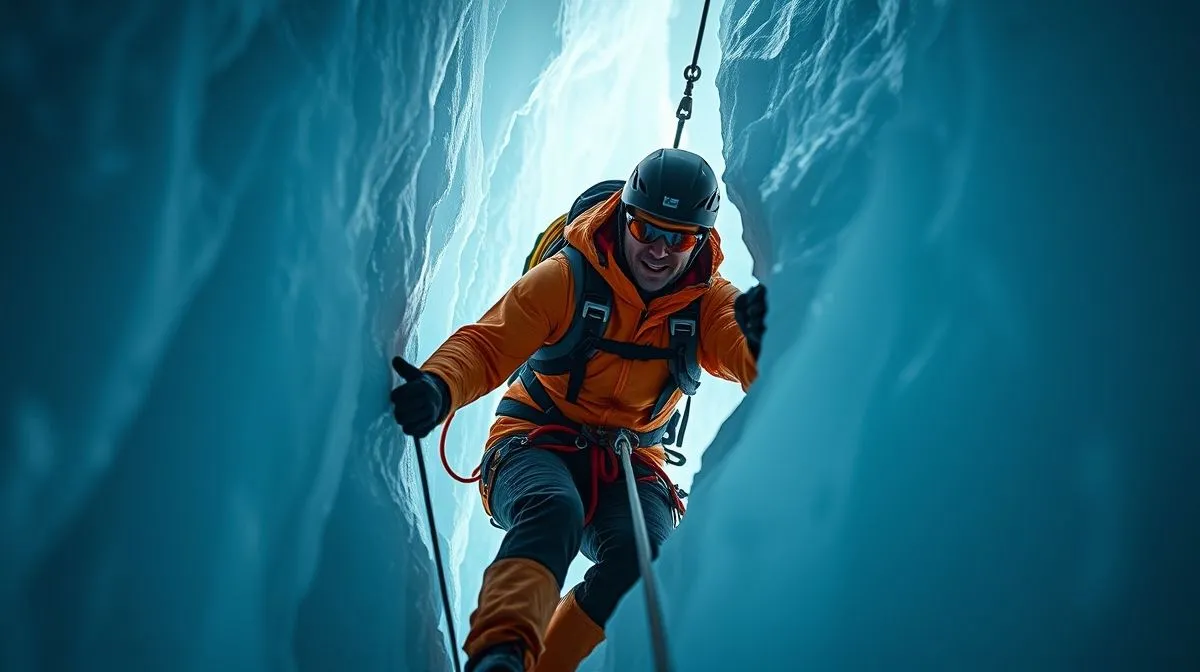
Mastering Self-Rescue on Multi-Pitch Ice Climbs: Your Definitive Guide
Imagine yourself high on a frozen waterfall, hundreds of feet above the ground, the world a breathtaking panorama of ice and rock. Suddenly, a block of ice gives way, or a tool pops unexpectedly. In the blink of an eye, your partner is injured, or you find yourself in a precarious position. What do you do? Panic is not an option when the stakes are this high.
This terrifying scenario highlights a critical question for every aspiring and experienced ice climber: Are you truly prepared for the unexpected? Multi-pitch ice climbing, while exhilarating, inherently involves significant risks that demand more than just climbing skill. It requires a robust understanding of how to manage emergencies when professional help is hours away.
This comprehensive guide will equip you with the essential knowledge and techniques on how to perform self-rescue on multi-pitch ice climbs. By the end of this reading, you will understand the critical importance of self-reliance, master fundamental rescue methods, and gain insights into advanced strategies that could literally save lives.
Why Self-Rescue is Non-Negotiable in Ice Climbing
Ice climbing is a sport defined by its raw beauty and inherent danger. Unlike single-pitch crags, multi-pitch routes often lead climbers into remote, exposed, and unforgiving environments. The very nature of the terrain – vertical ice, freezing temperatures, and complex rope systems – amplifies the consequences of any mishap.
In such settings, relying solely on external rescue services is a luxury you cannot afford. Response times for mountain rescue can range from hours to days, depending on weather, location, and the severity of the incident. Every minute counts when dealing with hypothermia, severe injuries, or exposure.
Being proficient in self-rescue techniques transforms a potential tragedy into a manageable crisis. It empowers you to take control, stabilize the situation, and initiate your own extraction. This isn't just about saving yourself; it's about protecting your partner and ensuring the safety of your entire climbing team. It's a fundamental pillar of responsible and expert mountaineering.
Essential Gear for Ice Climbing Self-Rescue
While your standard ice climbing rack is crucial, specific items are indispensable for self-rescue. Having the right tools, and knowing how to use them, is paramount. Think of these as your emergency toolkit, always accessible and ready for deployment.
- Prusik Cords: At least two, 5-7mm diameter, each about 5-6 feet long, tied into loops. These are the workhorses for ascending ropes.
- Micro Traxion or Ropeman: Mechanical ascenders that greatly simplify rope ascension and hauling.
- Belay Device with Guide Mode: Essential for managing ropes, belaying, and often used in lowering systems.
- Pulleys: Small, lightweight pulleys can significantly reduce friction in hauling systems.
- Extra Carabiners: A handful of locking and non-locking carabiners are always useful for building systems.
- Slings and Cordelettes: Versatile for anchor building, equalizing forces, and creating improvised harnesses.
- Knife or Hook Tool: For cutting rope in an emergency or freeing stuck gear.
- First-Aid Kit: Comprehensive and easily accessible, tailored for cold weather injuries.
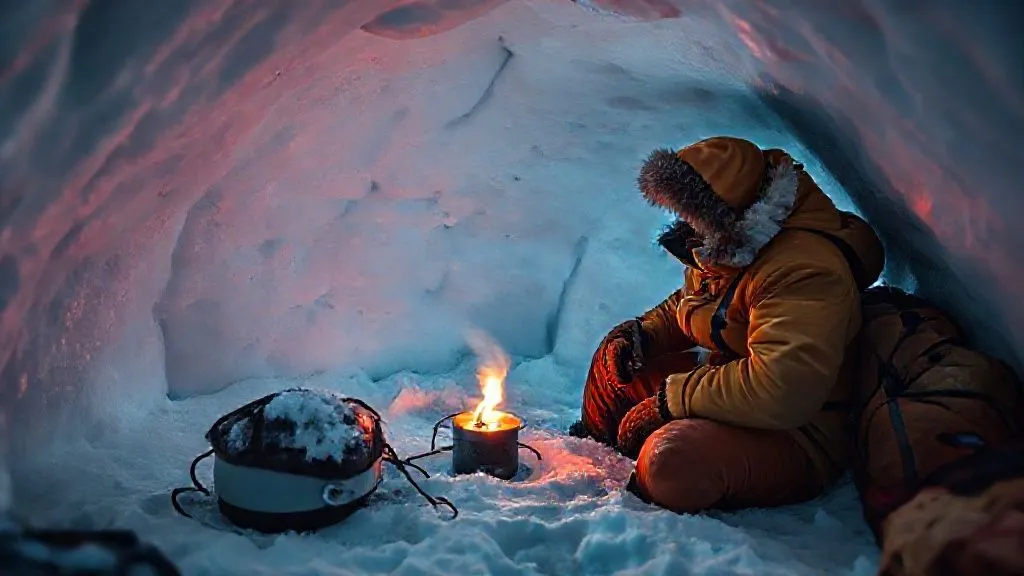
- Emergency Shelter/Bivy: A lightweight bivy sack or emergency tarp for unexpected overnight stays or protecting an injured climber.
Beyond the gear, the most critical item is knowledge. Practice using these tools in a controlled environment until their operation becomes second nature. Muscle memory is key when stress levels are high.
Fundamental Self-Rescue Techniques: The Basics
Before tackling complex scenarios, mastering the foundational techniques is crucial. These are the building blocks for any successful self-rescue operation on ice.
Ascending a Fixed Rope (Prusiking)
The ability to ascend a rope using friction hitches (prusiks) is perhaps the most fundamental self-rescue skill. Whether you've fallen short of a belay, need to retrieve gear, or escape a crevasse, prusiking is your vertical lifeline.
The basic setup involves two prusik hitches on the main rope. One prusik is attached to your belay loop (or harness) via a locking carabiner, acting as your primary attachment. The second prusik, typically a longer loop, connects to a foot loop. By alternately sliding and weighting these prusiks, you can inch your way up the rope. For efficiency and safety, ensure your prusiks are tied correctly and tested before relying on them.
For more advanced or prolonged ascents, mechanical ascenders like the Petzl Micro Traxion or Kong Ropeman can be used in conjunction with or in place of prusiks, offering greater ease and speed. However, knowing the prusik method is vital as a backup should mechanical devices fail or be unavailable. Practice this repeatedly, both on the ground and in a hanging scenario.
Lowering an Injured Climber
If your partner is injured and cannot continue, the ability to lower them to a safe ledge or the ground is paramount. This often involves converting your belay system into a lowering system, which can be done efficiently with a belay device in guide mode.
Firstly, ensure your anchor is bombproof. Then, secure the injured climber's side of the rope to the anchor with a Munter hitch or by carefully re-rigging your belay device to allow for controlled lowering. Communication with the injured climber is vital, even if they are unconscious, to ensure their safety during the descent. Always use a backup friction hitch (like a Prusik) on the brake strand for added security, especially on steep or long lowers. The process requires smooth, controlled release of the rope, managing friction, and protecting the rope from sharp ice edges.
Improvised Hauling Systems
Sometimes, simply lowering isn't an option, or you might need to haul a partner out of a crevasse or over a lip. Improvised hauling systems, often based on mechanical advantage principles, become essential. The simplest is a 3:1 Z-pulley system.
To set up a 3:1 Z-pulley: you'll need two prusiks (or mechanical grab devices), at least one pulley (or a carabiner as a substitute), and a strong anchor. One prusik is attached to the load (your partner), and a second to the anchor. The rope runs from the load through a pulley (or carabiner) on the anchor-prusik, then back to you. This setup allows you to pull the rope three times slower but with three times less force, making it possible to lift a heavy load. Understanding the principles of mechanical advantage (e.g., 2:1, 3:1, 5:1) is more important than memorizing specific setups, as you'll often need to adapt on the fly.
Advanced Scenarios and Problem Solving
Beyond the basics, multi-pitch ice climbing presents unique challenges that require more intricate solutions. These scenarios demand quick thinking and a deep understanding of rope dynamics.
Crevasse Rescue on Ice
While more common on glaciers, crevasses can occur on large ice formations. If a partner falls into a crevasse, the immediate action is to arrest the fall and build a strong anchor. The next steps involve stabilizing the victim and then initiating a hauling system, often a 3:1 or 6:1 mechanical advantage system, to extract them. This process is time-critical due to the extreme cold and potential for hypothermia. The American Alpine Club provides excellent resources on crevasse rescue techniques, which are highly applicable to any deep-ice scenario. (Learn more about mountain safety from the American Alpine Club).
Dealing with Stuck Ropes or Gear
One of the most frustrating and dangerous situations is a stuck rope during a rappel or lower. This often happens when ropes get snagged on ice features or rock projections. Prevention is key: always be mindful of rope management during descent. If a rope does get stuck, ascending the rope to free it might be the only option. In extreme cases, if the rope cannot be freed, you might have to cut it, necessitating a careful assessment of the remaining rope length and the feasibility of continued descent with a shorter rope. This is where carrying an extra length of cord or a tag line can prove invaluable.
Training and Practice: The Key to Proficiency
Reading about self-rescue techniques is a good start, but it is no substitute for hands-on practice. True proficiency comes from repetition, making the complex feel intuitive. Start by practicing in a safe, controlled environment, like a local gym or a small rock crag.
Regularly dedicate time to mock scenarios. Practice prusiking up a fixed rope, setting up a lowering system for a weighted pack, and building various hauling systems. Simulate stress by setting time limits or working in less-than-ideal conditions (e.g., with gloves on). Consider taking advanced courses from certified guides or mountain rescue organizations. These courses provide invaluable real-world experience and expert feedback. According to mountaineering experts, consistent practice significantly reduces cognitive load during actual emergencies, allowing for clearer decision-making under pressure.
Common Mistakes to Avoid in Self-Rescue
Even experienced climbers can fall prey to common errors during a self-rescue situation. Awareness of these pitfalls can help you avoid them:
- Lack of Practice: The most common mistake. Skills atrophy without regular use.
- Poor Anchor Selection: A rescue system is only as strong as its weakest link. Always build bombproof, redundant anchors, especially on ice where placements can be tricky. (Understand more about climbing anchors on Wikipedia).
- Inadequate Communication: Clear and concise communication with your partner is vital, even if they are injured or panicking.
- Overcomplicating Systems: In a stressful situation, simpler is often better. Stick to techniques you know well.
- Forgetting to Protect the Rope: Sharp ice or rock edges can sever ropes under tension. Always protect your ropes, especially at anchor points or during lowers.
- Running Out of Gear: Ensure you have enough locking carabiners, slings, and cordage. A common mistake is using all your essential gear in the initial setup, leaving nothing for subsequent steps or backups.
- Ignoring Hypothermia: Cold is a constant threat. Keep yourself and your injured partner warm. Even minor injuries can become life-threatening if hypothermia sets in.
Real-World Applications and Case Studies
While specific incidents are often kept private for various reasons, the principles of self-rescue are applied regularly in the mountains. Consider a scenario where a lead climber takes a fall on a multi-pitch ice route, sustaining a leg injury. The belayer, utilizing their knowledge of how to perform self-rescue on multi-pitch ice climbs, would first secure the lead climber, perhaps by tying them off to the anchor.
Next, they would assess the injury and the environment. If the lead cannot climb, the belayer would initiate a controlled lower. This might involve converting the belay device to guide mode or using a Munter hitch for friction. If the terrain below is impassable, or if the lead climber is unable to be lowered further, the belayer might need to set up a hauling system to bring the injured climber up to a safer ledge or back to the belay. These decisions are made under immense pressure, highlighting why the theoretical knowledge must be backed by practical, rehearsed skills.
Another common application is a climber getting their rope stuck during a rappel. Instead of abandoning expensive rope, a proficient climber can ascend the rope using prusiks or mechanical ascenders to free the snag, then safely continue their descent. These are not just theoretical exercises; they are the difference between a minor inconvenience and a life-threatening ordeal in the unforgiving realm of multi-pitch ice.
Frequently Asked Questions (FAQ)
What is the most critical self-rescue skill for ice climbing? The ability to ascend a fixed rope using prusiks or mechanical ascenders is arguably the most fundamental. It allows you to escape a crevasse, retrieve gear, or reach a partner.
How often should I practice self-rescue techniques? Regular practice, ideally a few times a year, is recommended to keep skills sharp. Integrate it into your climbing routine, even if it's just a quick session in a controlled environment.
Can I learn self-rescue from online resources alone? While online resources provide valuable theoretical knowledge, hands-on practice under the guidance of an experienced instructor or certified guide is essential for mastering these life-saving skills.
What's the difference between self-rescue and assisted rescue? Self-rescue involves climbers extracting themselves or their partners without external help. Assisted rescue involves external professional teams (e.g., mountain rescue) coming to aid.
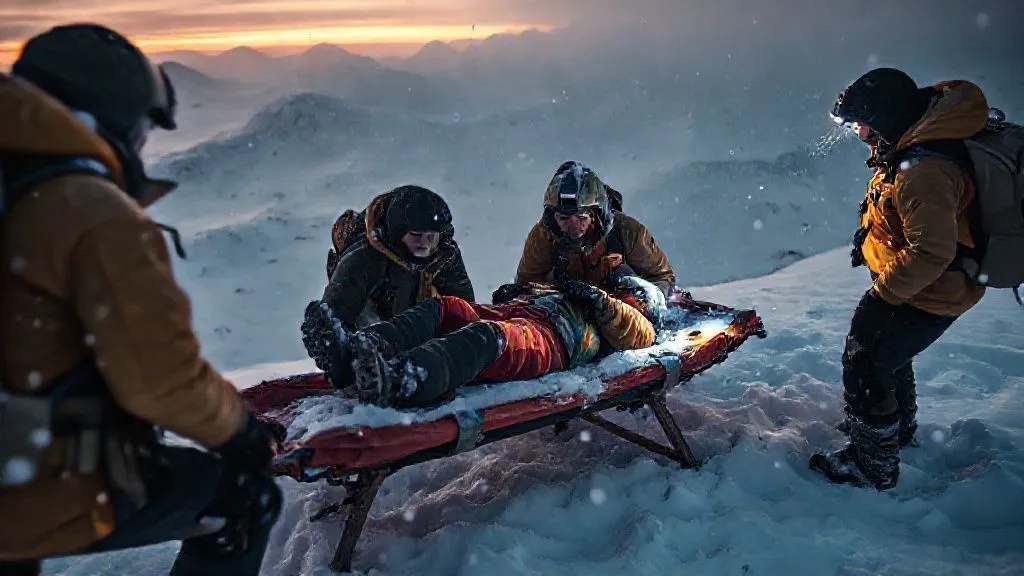
What if my partner is unconscious? This is a highly complex scenario. You would need to secure them to the anchor, assess their condition, and then decide on the most appropriate method for lowering or hauling, often requiring advanced techniques and careful rope management. Always prioritize their airway and warmth.
Recommended Reading
- The Savvy Traveler's Guide: What to Look For When Booking a Budget Hostel?
- Unlock Europe: The Ultimate Guide to Making Train Reservations with Your Eurail Pass
- Glamping in the Cold: The Ultimate Packing List for Winter
- Food Photography for Travel Bloggers: Top Tips & Tricks Revealed
- Master Off-Grid Trekking: Your Ultimate Guide to Safe Navigation
Conclusion
Multi-pitch ice climbing offers unparalleled adventure, but it demands respect for its inherent risks. The ability to perform self-rescue on multi-pitch ice climbs is not merely an optional skill; it is a fundamental responsibility for anyone venturing into this vertical world. By mastering techniques like prusiking, lowering, and improvised hauling, and by diligently practicing them, you transform from a reactive participant into a proactive problem-solver.
Embrace the challenge of learning these critical skills. Invest in the right gear, dedicate time to practice, and cultivate a mindset of self-reliance. When the unexpected happens, and it inevitably will, your preparedness will be the ultimate determinant of a safe outcome. Climb smart, climb safe, and always be ready to be your own rescuer.

Your email address will not be published. Required fields are marked *