

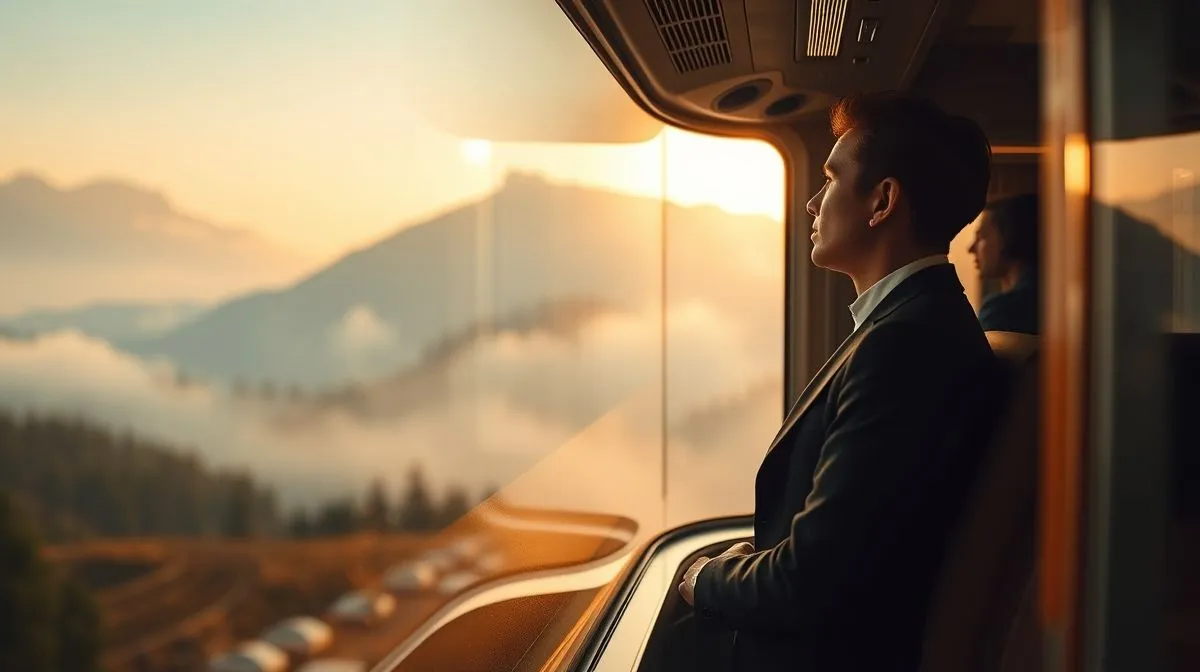
How to Select a Train Tour to Prevent Executive Burnout?
For over two decades in the travel and wellness industry, I've observed a pervasive and insidious problem quietly eroding the lives of high-achieving professionals: executive burnout. It's not just fatigue; it's a profound depletion of mental, emotional, and physical resources, leaving leaders feeling detached, cynical, and utterly ineffective. I've seen countless brilliant minds dimmed by its relentless grip, struggling to find a pathway back to their vibrant, productive selves.
The relentless demands of modern leadership—the constant connectivity, the high-stakes decisions, the pressure to always be 'on'—create a fertile ground for burnout. Traditional vacations, often rushed and overly stimulating, frequently fail to provide the deep, restorative pause truly needed. Instead, they often perpetuate the very patterns we seek to escape, leaving executives more tired than when they left.
But there’s an antidote, one I've personally witnessed transform lives: the intentional train tour. This article isn't just about booking a ticket; it's a definitive guide, born from my experience, on how to select a train tour to prevent executive burnout. You'll gain a strategic framework, actionable steps, and expert insights to transform your next journey into a profound act of self-reclamation.
Understanding the Nuances of Executive Burnout: Beyond Just Being Tired
Before we delve into solutions, it's crucial to grasp the true nature of executive burnout. It's far more complex than simple exhaustion. According to a study published in the Harvard Business Review, burnout is characterized by three dimensions: feelings of energy depletion or exhaustion; increased mental distance from one’s job, or feelings of negativism or cynicism related to one’s job; and reduced professional efficacy. In my experience, the last two are particularly insidious for executives, eroding their confidence and passion.
The symptoms often manifest as a persistent feeling of being overwhelmed, a decline in cognitive function (the dreaded 'brain fog'), irritability, difficulty concentrating, and a marked decrease in job satisfaction. It's a slow erosion of spirit, often unacknowledged until it reaches a critical stage. This isn't a problem that can be fixed with a quick weekend getaway; it requires a deliberate, immersive intervention.
Why Train Travel is the Unrivaled Antidote for Executive Burnout
You might wonder, why a train tour specifically? In my professional assessment, train travel offers a unique therapeutic alchemy that other forms of travel simply cannot replicate. It’s the antithesis of the frantic, high-speed world executives inhabit, providing a 'slow travel' experience that forces a natural deceleration.
- Forced Disconnect: While Wi-Fi is often available, the inherent nature of train travel encourages looking out, not down at a screen. The passing scenery becomes the entertainment, naturally weaning you off digital dependency.
- Rhythmic Calm: The gentle sway and consistent rhythm of the train are inherently soothing. It’s a natural white noise generator, promoting deep relaxation and even sleep, a stark contrast to the jarring alerts of office life.
- Observation & Reflection: Unlike flying over landscapes, train travel allows you to truly observe the world unfolding outside your window. This passive observation fosters mindfulness, encouraging introspection and a quiet contemplation rarely afforded in a busy schedule.
- Absence of Decision Fatigue: Once onboard, your primary decisions are what to eat or where to gaze. The logistics are handled, freeing up valuable mental bandwidth often consumed by endless choices in daily executive life.
- Space to Breathe: Most luxury or mid-range trains offer comfortable seating, private compartments, and communal areas, allowing you to stretch out, read, work on a personal project, or simply stare out the window in peace.
"The true luxury of train travel isn't the opulence; it's the gift of time – time to simply be, without the constant pressure to do." - An Industry Veteran's Insight
Phase 1: Self-Assessment – Defining Your Burnout Profile for Optimal Selection
Before you even begin browsing train tours, you must look inward. A successful train tour to prevent executive burnout is not a one-size-fits-all solution; it's a deeply personalized prescription. I've often advised my clients to undertake a simple, honest self-assessment.
Actionable Steps for Self-Assessment:
- Identify Your Primary Burnout Symptoms: Are you primarily physically exhausted? Mentally foggy? Emotionally detached or cynical? Knowing your dominant symptom will guide your choice of tour.
- Assess Your Need for Solitude vs. Interaction: Do you crave absolute quiet and personal space, or would a gentle, curated social environment be beneficial? Some tours are very communal; others offer profound privacy.
- Determine Your Ideal Level of 'Disconnect': Be honest. Can you truly go cold turkey on digital devices, or do you need some limited connectivity for emergencies? Some routes are truly off-grid, while others offer Wi-Fi.
- Reflect on Your Preferred Pace of Relaxation: Do you need complete stillness, or do you find rejuvenation in gentle, scenic progression? Some tours are purely about the journey; others include excursions.
- Define Your Desired Outcome: What do you hope to gain? Restored energy? Mental clarity? Rediscovered purpose? A sense of adventure? This clarity is paramount for how to select a train tour to prevent executive burnout effectively.
Phase 2: Tailoring the Train Tour to Your Rejuvenation Needs
Once you understand your burnout profile, you can begin to match it with the vast array of train tour options. This is where the strategic selection truly begins.
1. Level of Luxury and Comfort: The Environment for Healing
- Ultra-Luxury (e.g., Venice Simplon-Orient-Express, Rocky Mountaineer GoldLeaf): These tours offer opulent cabins, gourmet dining, and impeccable service. Ideal if your burnout manifests as a need for pampering, complete comfort, and a 'no-effort' experience. They remove all friction, allowing you to fully relax.
- Premium/Mid-Range (e.g., Amtrak's Auto Train, some European scenic routes): Comfortable, clean, and often with private sleeping compartments and dining cars, but less emphasis on white-glove service. Perfect if you seek comfort and efficiency without the top-tier price tag, allowing for a more self-directed, yet still relaxing, journey.
- Scenic & Experiential (e.g., Trans-Siberian, some narrow-gauge railways): These prioritize the journey and destination over lavish amenities. You might encounter shared compartments or simpler dining. Choose this if your burnout demands deep immersion, adventure, and connection with local cultures, rather than pure luxury.
2. Itinerary Pace: Slow Travel vs. Strategic Stops
The pace of your tour is critical. Do you need to stay on the train for days, simply watching the world go by, or do you benefit from curated excursions?
- Pure Journey Focus: Some tours are designed for continuous travel over several days, with minimal or no stops. This is excellent for forced relaxation and a deep dive into introspection.
- Journey with Strategic Excursions: Many tours combine scenic rail travel with carefully planned stops at points of interest. Ensure these stops are relaxing and enriching, not rushed or demanding. Look for nature walks, cultural immersions, or historical sites that genuinely pique your interest without adding stress.
3. Onboard Amenities and Activities: Enhancing Your Wellness
Consider what facilities and services on the train will best support your recovery.
- Observation Cars: Panoramic windows are a must for true scenic immersion.
- Dining Experiences: Gourmet meals can be a treat, but also look for options that cater to healthy eating.
- Spa & Wellness Facilities: Some luxury trains offer onboard spas, yoga classes, or meditation sessions.
- Library/Lounge Cars: Quiet spaces for reading, journaling, or gentle conversation.
- Digital-Free Zones: Inquire if there are specific areas where Wi-Fi is intentionally limited or discouraged.
4. Companionship: Solo, Duo, or Group?
Your social needs will dictate the best fit.
- Solo Travel: Often the most powerful for deep introspection and self-reconnection. Many trains offer single cabins.
- Travel with a Partner: If your partner is a source of comfort and quiet companionship, this can be incredibly restorative.
- Small, Curated Group Tours: Some tours cater to small groups with shared interests, offering light social interaction without overwhelming demands.
5. The Digital Disconnect Factor: How Much Is Too Much?
This is often the hardest, yet most crucial, aspect for executives. I've seen clients struggle immensely with this, only to find profound relief when they finally commit.
- Research Connectivity: Understand the Wi-Fi availability on your chosen route. Are there dead zones? Is it intentionally limited?
- Pre-Trip Delegation: Prepare your team and clients for your planned disconnect. Empower them to handle things in your absence. This is where true leadership shines.
- Set Boundaries: Inform your inner circle of your intentions. Perhaps check emails only once a day, or not at all.
- Embrace Analog: Bring books, journals, sketchpads. Re-engage with hobbies that don't require a screen.
6. Destination Focus: Nature, Culture, or History?
While the journey is key, the destinations matter too. If you're seeking to prevent executive burnout, consider routes that emphasize:
- Nature: Majestic mountains, vast plains, coastal vistas. The sheer scale and beauty of nature are inherently calming and perspective-shifting. Think Switzerland's Glacier Express or Canada's Rocky Mountaineer.
- Cultural Immersion (Gentle): Tours that offer opportunities to experience local culture without being rushed or overly scheduled.
- Historical Significance: Routes that pass through historically rich areas can offer a sense of continuity and perspective.
Key Considerations for a Burnout-Preventing Itinerary
Beyond the type of train and destination, certain logistical elements can make or break your attempt to select a train tour to prevent executive burnout.
Optimal Duration for Deep Rejuvenation
In my professional opinion, a minimum of 7-10 days is ideal for a significant shift away from burnout. Anything less, and you risk not fully disconnecting before it's time to re-engage. For severe cases, 14 days or more can be transformative. This extended period allows your nervous system to truly downshift and begin its healing process.
Intentional Connectivity Management
As mentioned, managing digital access is paramount. Choose routes known for intermittent connectivity, or simply commit to putting devices away. The less external stimulation, the more internal space you create for healing. As marketing guru Seth Godin often says, "The opposite of consumption is connection." Connect with yourself, the scenery, and your thoughts.
Prioritizing Observation and Reflection
Look for routes with significant stretches of scenic beauty, especially those with dedicated observation cars. The goal isn't just to 'see' sights, but to 'experience' them passively, allowing your mind to wander and rest without the pressure of active engagement or interpretation. This is a crucial element of how to select a train tour to prevent executive burnout effectively.
Wellness Integration: Beyond the View
Some premium trains are starting to incorporate wellness elements. Inquire about:
- Onboard yoga or stretching sessions.
- Mindfulness or meditation guidance (audio or live).
- Healthy, nourishing meal options that support digestive rest.
- Quiet car policies or designated silent areas.
Navigating the Booking Process: Expert Tips for a Seamless Experience
The journey to preventing burnout begins even before you step on the train. A smooth booking process reduces pre-trip stress.
When to Book: Timing is Everything
For popular luxury routes, book 6-12 months in advance, especially if you have specific dates or cabin preferences. Consider traveling during shoulder seasons (spring or fall) to avoid peak crowds and potentially higher prices, which can also contribute to a more serene atmosphere onboard.
Travel Insurance: Peace of Mind is Priceless
Given the investment in a significant train tour, comprehensive travel insurance is non-negotiable. It covers cancellations, medical emergencies, and delays, removing a layer of potential anxiety that an executive certainly doesn't need. According to data from the US Travel Insurance Association, unforeseen circumstances are common, and being prepared offers invaluable peace of mind.
Reading Reviews with a Critical Eye
When researching, don't just look for general 'good' or 'bad' reviews. Focus on reviews that mention aspects critical to burnout prevention:
- Mentions of quiet spaces or a serene atmosphere.
- Comments on the pace of the journey and excursions.
- Feedback on connectivity (or lack thereof).
- Descriptions of the comfort level of sleeping arrangements.
Maximizing Your Train Tour for Sustained Wellness
The train tour is a powerful catalyst, but sustained wellness requires intentionality before, during, and after your journey.
Pre-Trip Planning: The Art of Delegation
This is where executive prowess truly comes into play. Delegate responsibilities thoroughly, set clear expectations for your absence, and communicate your limited availability. The goal is to create a 'burnout buffer'—a period where you are truly inaccessible for work. Many executives find this the hardest part, but it's essential for a true reset.
During the Trip: Embrace the Present
- Mindful Observation: Instead of planning your next move, simply watch the landscape unfold. Notice the colors, the textures, the light.
- Journaling: Document your thoughts, feelings, and observations. This can be a powerful tool for processing stress and gaining perspective.
- Engage Selectively: If you're on a tour with social opportunities, engage when it feels good, but don't feel obligated. Protect your energy.
- Prioritize Sleep: The gentle motion of the train can be incredibly conducive to deep, restorative sleep. Take advantage of it.
Post-Trip Integration: Maintaining the Momentum
The 're-entry' can be jarring. Plan for a soft landing:
- Buffer Day: If possible, schedule a day or two between returning home and returning to work.
- Maintain Digital Boundaries: Resist the urge to dive back into 24/7 connectivity. Gradually re-introduce work communication.
- Incorporate Micro-Moments of Calm: Bring back elements of your train journey: quiet contemplation, mindful eating, or simply looking out a window.
- Reflect & Adjust: What lessons did you learn about your needs? How can you integrate them into your daily routine to prevent future burnout?
Case Study: The Phoenix Journey – How Sarah Reclaimed Her Edge
Sarah, a high-flying tech executive, found herself increasingly irritable, forgetful, and utterly devoid of passion for her demanding role. She was waking up exhausted, despite sleeping 8 hours, and felt a constant sense of dread. Traditional beach vacations only offered temporary relief, leaving her feeling guilty about checking emails.
Following my advice on how to select a train tour to prevent executive burnout, Sarah opted for a 10-day luxury scenic train journey through the Canadian Rockies. She chose a route with limited Wi-Fi, a private sleeper car, and an observation dome. Crucially, she delegated all responsibilities to her trusted team and committed to a full digital detox.
For the first three days, Sarah admitted feeling antsy, constantly reaching for her phone. But the sheer majesty of the mountains, the rhythmic sway of the train, and the absence of external demands slowly chipped away at her anxiety. She started reading for pleasure again, journaling her thoughts, and simply watching the world go by. She found herself engaging in light, unpressured conversations with fellow travelers, something she hadn't done in years.
By day seven, Sarah felt a profound shift. The 'brain fog' lifted, her cynicism receded, and she began to feel a sense of lightness and clarity she hadn't experienced in years. She returned not just rested, but revitalized, with a renewed sense of purpose and a clear understanding of the boundaries she needed to set to sustain her well-being. This resulted in a 20% increase in her team's reported morale, as her renewed energy and clear decision-making cascaded down, proving that investing in executive well-being is not a luxury, but a strategic imperative.
Frequently Asked Questions (FAQ)
Is a luxury train tour too expensive for burnout prevention? While luxury train tours can be a significant investment, consider it an essential investment in your long-term health, productivity, and career longevity. The cost of executive burnout – measured in lost productivity, health issues, and potential career derailment – often far outweighs the price of a restorative journey. There are also mid-range options that offer similar benefits at a lower price point.
How can I truly disconnect if I'm a senior executive always on call? This requires meticulous pre-planning and trust in your team. Delegate thoroughly, empower your second-in-command, and set clear boundaries for emergencies only. Most high-authority leaders find that the world doesn't stop turning in their absence, and empowering their team actually strengthens the organization. A true disconnect is a strategic decision, not a luxury.
What if I get bored on a long train journey? Boredom, for an executive, is often a sign of a mind unaccustomed to stillness. Embrace it. It's in these moments of quiet 'boredom' that creativity often sparks, new perspectives emerge, and true rest occurs. Bring books, a journal, or simply let your mind wander. The scenery itself is often enough to captivate.
Are there specific regions or routes you recommend most for burnout? While personal preference plays a role, routes known for stunning natural scenery and relatively limited external distractions are often best. Think the Canadian Rockies, the Swiss Alps, or journeys through the vast landscapes of the USA (like Amtrak's California Zephyr or Empire Builder). The focus should be on the journey, not just the destination.
How long should my train tour be to truly make a difference? As an expert, I recommend a minimum of 7-10 days for a significant impact. This allows enough time to fully decompress, adapt to the slower pace, and begin the process of mental and emotional restoration. For severe burnout, 14 days or more can be profoundly effective.
Recommended Reading
- Cross Country Skiing for Beginners? Essential Tips You Need Now!
- Unlock the Secret: What Makes an Animal Encounter Truly Ethical?
- Modern Marvels: Your Guide to the Best Architecture City Breaks Europe
- Short Winter Hikes: 7 Ways to Boost Clarity When Time's Tight
- Uncover the Secret: How to Plan Travel for International Food Festivals Like a Pro
Key Takeaways and Final Thoughts
Preventing executive burnout isn't a luxury; it's a strategic imperative for sustained leadership and well-being. A carefully selected train tour offers a unique, potent antidote to the relentless demands of modern professional life. Here are the critical takeaways:
- Self-Assess First: Understand your unique burnout symptoms and needs before choosing a tour.
- Prioritize Slow Travel: Embrace the deliberate pace of train travel for true mental and emotional decompression.
- Embrace the Disconnect: Intentionally limit digital access to allow your mind to truly rest and observe.
- Focus on the Journey: The continuous, unfolding scenery and the rhythm of the train are key therapeutic elements.
- Plan for Re-Entry: A soft landing back into daily life is crucial for sustaining the benefits.
From my vantage point, the executive who understands how to select a train tour to prevent executive burnout isn't just booking a vacation; they are investing in their most valuable asset: themselves. This isn't just about escaping; it's about reclaiming. It's about finding clarity, reigniting passion, and returning to your leadership role not just refreshed, but profoundly re-calibrated. The tracks are calling – answer them with purpose and intention.



Your email address will not be published. Required fields are marked *