

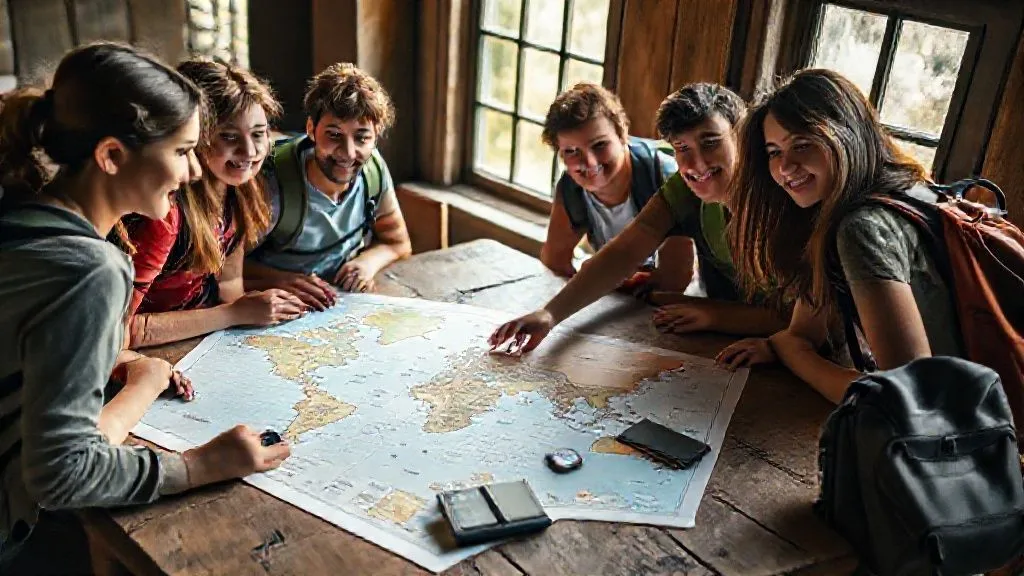
How to Mitigate Financial Risks for Students on Budget Study Trips?
For over 15 years in the budget travel niche, I've had the privilege of guiding countless students through their first international study trips. I've seen the exhilarating highs of discovery and, unfortunately, the stressful lows of unexpected financial setbacks. The dream of exploring new cultures and furthering education abroad often comes with a looming question: how do we make it affordable and safe?
The allure of a study trip is undeniable—cultural immersion, academic enrichment, and personal growth. Yet, for many students, the underlying financial anxiety can cast a shadow over this incredible opportunity. From hidden fees and unexpected emergencies to simply running out of funds, these challenges are real and can derail an otherwise transformative experience.
This comprehensive guide isn't just a list of tips; it's a strategic framework designed to empower you. Drawing from my extensive experience, I'll walk you through actionable steps, real-world insights, and expert advice on how to mitigate financial risks for students on budget study trips, ensuring your adventure is both enriching and financially secure.
The Foundation: Pre-Trip Financial Planning & Budgeting
Effective financial planning begins long before you pack your bags. In my experience, the students who thrive financially on their trips are those who have meticulously planned every penny. This proactive approach is your strongest defense against unexpected costs.
Comprehensive Budget Creation
Creating a detailed budget is the cornerstone of responsible student travel. Don't just estimate; research and itemize every potential expense. This exercise not only provides clarity but also highlights areas where you can save.
- Identify Fixed Costs: These are expenses that are usually set in stone, like tuition fees (if applicable), flight tickets, visa applications, and pre-booked accommodation deposits.
- Estimate Variable Costs: This category includes daily food, local transportation, sightseeing, souvenirs, and entertainment. Research average costs in your destination.
- Allocate a Buffer: Always include a contingency fund of at least 10-15% of your total budget. This acts as your safety net for unforeseen circumstances, which are almost guaranteed to arise during international travel.
A well-structured budget looks something like this:
| Category | Estimated Cost | Notes |
|---|---|---|
| Flights (Round-trip) | $800 | Booked 6 months in advance |
| Visa Application | $150 | Check specific country requirements |
| Accommodation (30 days) | $900 | Hostel/Student Dorm |
| Food & Drink (30 days) | $600 | Mix of cooking & eating out |
| Local Transportation | $100 | Monthly pass |
| Activities & Sightseeing | $250 | Student discounts applied |
| Travel Insurance | $75 | Comprehensive student plan |
| Emergency Buffer (15%) | $430 | For unexpected events |
| Miscellaneous (Toiletries, etc.) | $85 | Small incidentals |
Researching Destination Costs
Understanding the cost of living in your destination is crucial. Websites like Numbeo and Expatistan provide excellent insights into average prices for everything from a meal to public transport tickets. As a veteran traveler, I always advise students to cross-reference multiple sources to get a realistic picture. According to a recent analysis by <a href="https://www.numbeo.com/cost-of-living/" target="_blank">Numbeo</a>, the cost of living can vary by as much as 300% between major global cities, making targeted research indispensable.

Smart Funding Strategies: Beyond Savings
While saving is vital, it's not the only avenue for funding your budget study trip. Expanding your funding sources can significantly reduce personal financial strain and help you mitigate financial risks for students on budget study trips.
Scholarships & Grants for Study Travel
Many organizations, universities, and governments offer scholarships specifically for study abroad programs or international research. These can cover anything from tuition to living expenses. Don't assume you won't qualify; many niche scholarships go unclaimed each year. Explore resources like <a href="https://www.scholarship.com/" target="_blank">Scholarship.com</a> or your university's international office.
Part-Time Work & Creative Fundraising
Consider part-time work before your trip, or even finding remote work you can do while abroad, if allowed by your visa. Creative fundraising, such as crowdfunding campaigns or selling unwanted items, can also generate significant funds. Every little bit helps build your financial cushion.
"Don't just save, strategize your income. Active fundraising and smart earning can transform your travel budget from a dream into a reality."
Case Study: How Maria Funded Her Trip to Kyoto
Maria, a history student, dreamed of a month-long research trip to Kyoto, Japan, but faced a tight budget. Instead of relying solely on her part-time job, she applied for three specific cultural exchange grants, securing a partial scholarship that covered her accommodation. She also organized a small online art sale of her watercolor paintings, raising an additional $700. This multi-pronged approach allowed her to cover her flight and daily expenses without taking out a loan. Her strategic approach meant she could truly focus on her studies and immerse herself in the culture, rather than constantly worrying about money.
Travel Insurance: Your Essential Safety Net
I cannot stress this enough: travel insurance is non-negotiable for students on budget study trips. It's not an expense; it's an investment in your peace of mind and financial security. A single medical emergency or lost passport can quickly deplete your entire budget if you're uninsured.
Understanding Different Coverage Types
Not all travel insurance policies are created equal. As an expert, I always advise students to understand what they're buying:
- Medical Coverage: Critical for any illness or injury abroad. Ensure it covers pre-existing conditions if you have any, and emergency medical evacuation.
- Trip Cancellation/Interruption: Reimburses non-refundable costs if your trip is cut short or canceled due to covered reasons (e.g., illness, natural disaster).
- Baggage & Personal Belongings: Covers loss, theft, or damage to your luggage and personal items.
- Emergency Assistance: Provides 24/7 support for medical emergencies, legal issues, or lost documents.
Comparing Providers & Policies
Shop around. Compare policies from different providers, focusing on deductibles, coverage limits, and exclusions. Read the fine print! Many student-specific travel insurance plans offer competitive rates and tailored benefits. Websites like <a href="https://www.insuremytrip.com/" target="_blank">InsureMyTrip</a> allow you to compare multiple options side-by-side.

Mastering On-Trip Expense Management
Once you're on your trip, smart money management becomes a daily practice. It's about making conscious choices to stretch your budget further and avoid unnecessary fees.
Cash vs. Cards: The Optimal Mix
I've seen students make the mistake of relying solely on one method. A balanced approach is key:
- Cash: Essential for small purchases, street vendors, and places that don't accept cards. Carry only what you need for a day or two to minimize theft risk.
- Debit Cards: Convenient for ATM withdrawals. Ensure your bank doesn't charge excessive international transaction fees.
- Credit Cards: Excellent for larger purchases and emergencies. Look for cards with no foreign transaction fees and good fraud protection. Always have a backup card.
Avoiding ATM & Currency Exchange Fees
These fees can quickly erode your budget. Research banks that offer no-fee international ATM withdrawals or reimburse foreign ATM fees. Always withdraw larger amounts less frequently to reduce per-transaction fees. Avoid airport currency exchange kiosks; their rates are notoriously poor. For more details on smart card usage abroad, check out this guide on <a href="https://www.nerdwallet.com/article/credit-cards/best-credit-cards-for-travel" target="_blank">NerdWallet</a>.
Tracking Expenses in Real-Time
This is where many budget travelers fall short. You need to know where your money is going. Use a budgeting app (like Splitwise, TravelSpend, or a simple spreadsheet) to log every expense as it happens.
- Download an App: Choose a user-friendly expense tracking app before you leave.
- Categorize Expenses: Group your spending (food, transport, activities) to see where you're spending the most.
- Review Daily/Weekly: Take a few minutes each day or week to review your spending against your budget. Adjust your habits if you're overspending in certain areas.
Building a Robust Emergency Fund
Even with meticulous planning and insurance, emergencies can happen. A dedicated emergency fund is your ultimate financial safety net, distinguishing smart travelers from those who get stranded.
How Much is Enough?
As a rule of thumb, I advise students to aim for an emergency fund equivalent to 10-15% of their total trip budget, or enough to cover at least a week's worth of essential expenses. This fund should be separate from your daily spending money and ideally accessible from multiple sources.
Accessing Funds in a Crisis
Think about how you'd access this money if your primary cards were lost or stolen:
- Separate Bank Account/Card: Keep an emergency debit card linked to a separate, smaller bank account.
- Trusted Contact: Arrange for a trusted family member or friend to be able to wire you money if absolutely necessary.
- Emergency Credit Card: Have a credit card specifically for emergencies, with a low limit, kept separate from your other cards.

Cost-Saving Hacks for Student Travelers
Beyond the big financial strategies, there are countless small ways to save money daily. These hacks are crucial for how to mitigate financial risks for students on budget study trips, making your limited funds go further.
Accommodation & Food Bargains
Accommodation and food are often the biggest daily expenses. Be smart about where you stay and what you eat:
- Hostels & Student Dorms: Offer affordable rates and a chance to meet other travelers. Look for ones with kitchen facilities.
- Self-Catering: Buy groceries and cook some of your meals. This is significantly cheaper than eating out for every meal.
- Local Markets & Street Food: Embrace authentic, affordable local cuisine. Avoid tourist traps with inflated prices.
- Student Discounts: Always ask! Your student ID (or an International Student Identity Card - ISIC) can unlock discounts on museums, attractions, and transport.
Transportation Tricks
Getting around doesn't have to break the bank:
- Public Transport: Buses, trams, and subways are usually the cheapest way to travel in cities. Consider multi-day or weekly passes.
- Walking: It's free, healthy, and often the best way to discover a city's hidden gems.
- Student Rail Passes: If you're traveling extensively within a region, a Eurail or similar pass can be cost-effective.
- Budget Airlines & Buses: For longer distances, compare budget airlines and long-distance bus services, but factor in potential hidden fees.
"Every small saving adds up to big adventures. Don't underestimate the power of daily choices to extend your budget and enhance your trip."
Navigating Unexpected Challenges & Scams
Even the most prepared traveler can encounter unforeseen challenges or fall victim to scams. Knowing how to react can save you significant financial distress.
Common Financial Scams Targeting Tourists
I've advised many students who unfortunately encountered these. Awareness is your best defense:
- ATM Skimming: Always check ATMs for suspicious devices. Use ATMs in secure, well-lit areas.
- Fake Taxis/Inflated Fares: Use reputable ride-sharing apps or official taxi stands. Agree on a price beforehand if possible.
- "Help Me" Scams: Be wary of individuals approaching you with elaborate stories of needing money for emergencies.
- Pickpocketing: Especially prevalent in crowded tourist areas. Use anti-theft bags and keep valuables secure.
What to Do If You Lose Money/Cards
This is a traveler's worst nightmare, but having a plan minimizes the damage:
- Cancel Cards Immediately: Call your bank(s) to report lost or stolen cards. Have their international emergency numbers saved.
- File a Police Report: This is crucial for insurance claims and potential fraud investigations.
- Contact Your Embassy/Consulate: They can assist with emergency passports and contact family for funds.
- Access Emergency Funds: Utilize your pre-planned emergency fund or contact your trusted contact for a wire transfer.
Here's a quick overview of common scams and how to mitigate them:
| Scam Type | Mitigation Strategy |
|---|---|
| ATM Skimming | Use ATMs inside banks, check for loose parts, cover PIN. |
| Fake Taxi/Inflated Fares | Use official apps/stands, confirm price before starting. |
| Pickpocketing | Anti-theft bags, secure valuables, situational awareness. |
| Fake Tourist Guides | Book tours through reputable agencies, verify credentials. |
Frequently Asked Questions (FAQ)
What's the best way to carry money abroad as a student? I recommend a multi-faceted approach. Carry a small amount of local currency for immediate needs, use a no-foreign-transaction-fee debit card for ATM withdrawals, and a no-foreign-transaction-fee credit card for larger purchases and emergencies. Always keep these separate and have backup options. Avoid carrying large sums of cash.
Should I get a student-specific travel credit card? If you qualify, absolutely. Many student-focused credit cards offer benefits like no annual fees, no foreign transaction fees, and sometimes even travel rewards. Just ensure you understand the terms and conditions, especially regarding interest rates, and always pay your balance in full to avoid debt.
How do I handle unexpected medical costs on a budget trip? This is precisely why comprehensive travel insurance is vital. Ensure your policy covers medical emergencies, including potential evacuation. If you have a pre-existing condition, confirm it's covered. In an emergency, contact your insurance provider's 24/7 assistance line immediately; they can guide you to approved medical facilities and handle direct billing where possible.
Is it worth paying for 'cancel for any reason' insurance? "Cancel for Any Reason" (CFAR) insurance offers incredible flexibility but comes at a significant premium (often 40-50% more than standard policies). For students on a tight budget, it might be an unnecessary luxury. If your primary concern is financial risk mitigation, a standard comprehensive policy with good medical and trip interruption coverage usually suffices and is more cost-effective. Only consider CFAR if you have a very specific, high-risk reason for needing that level of flexibility.
What if my trip gets extended unexpectedly due to unforeseen circumstances? This is a common concern. Your travel insurance policy will usually have clauses for trip extensions due to covered events (e.g., natural disasters, flight cancellations). Review your policy's maximum duration and extension provisions. If it's a non-covered event, you'll need to tap into your emergency fund, contact your university for support, and potentially adjust your flight home at your own expense. Always have a financial buffer for such possibilities.
Key Takeaways and Final Thoughts
Embarking on a student study trip is an unparalleled opportunity for growth and learning. While the financial aspects can seem daunting, with the right preparation and mindset, you can navigate them successfully. My career has shown me that the difference between a nightmare scenario and a minor hiccup often lies in the planning.
- Plan Meticulously: A detailed budget and understanding destination costs are your first line of defense.
- Diversify Funding: Look beyond personal savings to scholarships, grants, and creative fundraising.
- Insure Wisely: Comprehensive travel insurance is not optional; it's essential.
- Manage Daily: Track expenses, use smart payment methods, and avoid unnecessary fees on the go.
- Build a Buffer: An emergency fund is your ultimate safety net for the unexpected.
- Stay Aware: Be vigilant against scams and know your action plan for financial emergencies.
By adopting these strategies, you're not just saving money; you're investing in a worry-free, enriching experience. Go forth, explore, learn, and make incredible memories, confident in your ability to manage your finances. Your budget study trip awaits, and with these tools, you're ready to embrace every adventure it brings.
Recommended Reading
- 7 Smart Moves: Mitigate Outdoor Dance Festival Weather Risks Effectively
- 5 Steps to Unearth Untapped Foodie Regions for Bespoke Tours
- 7 Steps to Safeguard Your Wellness Journey Abroad: Avoid Alt-Med Scams
- Solo Freedom Travel: 7 Steps to Career Growth While Exploring
- Airport Wheelchair Fails? 7 Critical Steps When Assistance Disappears




Your email address will not be published. Required fields are marked *