

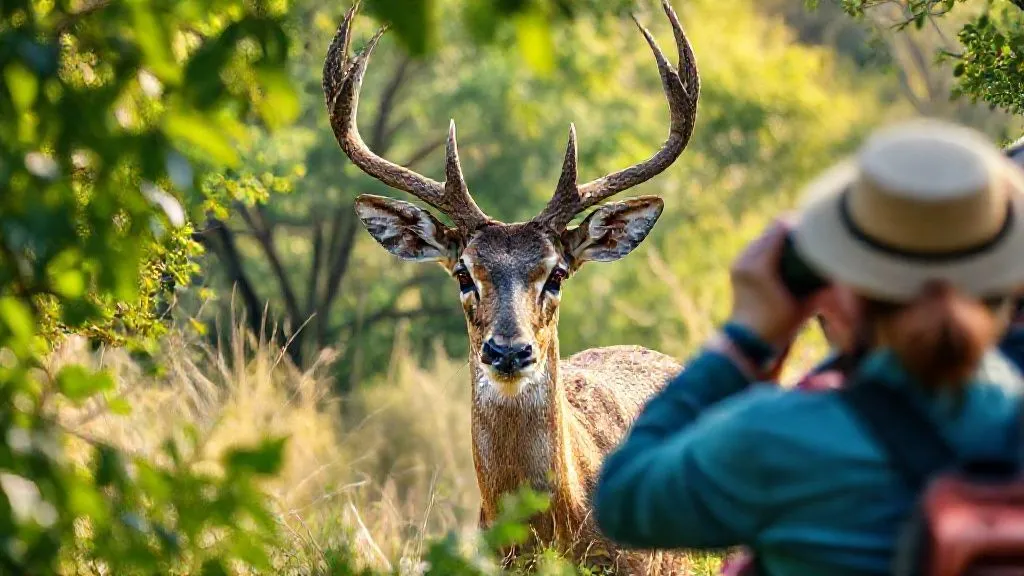
Mitigating Wildlife Habituation from Eco-Tourism Visits?
For over two decades in the vibrant, often challenging, world of eco-tourism, I've had the privilege of witnessing some of nature's most breathtaking spectacles. I've also, with a heavy heart, observed the subtle yet devastating shift in wildlife behavior caused by interactions that, while often well-intentioned, ultimately do more harm than good. It's the paradox of loving nature so much that we inadvertently contribute to its detriment – a phenomenon I've come to call 'loving nature to death'.
The core problem we face is wildlife habituation. This isn't just about animals losing their fear of humans; it's a profound alteration of their natural instincts, leading to increased vulnerability, health risks, and escalating human-wildlife conflict. These changes often begin innocently enough – a dropped snack, a curious approach, a desire for a 'closer' photo – but their cumulative impact can unravel the delicate balance of an ecosystem, diminishing the very wildness we seek to preserve.
This comprehensive guide isn't just a lament; it's a blueprint. Drawing on my extensive experience, I will provide you with actionable frameworks, proven strategies, and expert insights to navigate this critical challenge. My goal is to equip you with the knowledge to ensure eco-tourism genuinely serves conservation, fostering respectful coexistence rather than accidental dependency.
Understanding the Habituation Spectrum: From Curiosity to Dependency
What is Wildlife Habituation?
In simple terms, wildlife habituation is the process by which wild animals become accustomed to the presence of humans, losing their innate fear and natural avoidance behaviors. It's a spectrum, not an on/off switch. At one end, it might be a deer that tolerates human presence in a national park; at the other, it's a bear actively seeking human food in a campsite. It's crucial to distinguish habituation from 'taming' or 'domestication'; habituated animals are still wild, but their behavioral responses to humans have been significantly altered.
From an ecological perspective, this shift can be profoundly detrimental. Animals that no longer perceive humans as a threat may approach too closely, increasing the risk of injury to both humans and animals. More critically, they can become dependent on human-derived food sources, altering their natural foraging patterns and potentially impacting their health and reproductive success. As a veteran in this field, I've seen countless examples where a 'harmless' interaction escalated into a serious conservation issue.
The Dangers of Human-Wildlife Overlap
The consequences of habituation ripple far beyond individual animals. Here are some of the critical dangers:
- Increased Vulnerability: Habituated animals, especially predators, lose their natural wariness, making them easier targets for poachers or increasing their risk of vehicle collisions.
- Altered Foraging Behavior: When animals learn to associate humans with food, they may abandon natural foraging, leading to nutritional deficiencies or dependence on an unreliable food source.
- Aggression and Conflict: Animals accustomed to receiving food may become aggressive when it's not provided, leading to dangerous encounters with tourists or local communities.
- Disease Transmission: Closer proximity increases the risk of zoonotic disease transmission between humans and wildlife, and vice-versa.
- Population Declines: In extreme cases, habituation can lead to reduced reproductive success or even direct mortality, impacting overall population health.
- Loss of 'Wildness': Perhaps the most subtle but profound danger is the erosion of the animals' innate wild character, diminishing the very essence of what makes eco-tourism so valuable.
The Cornerstone: Robust Visitor Education and Interpretation
In my experience, the single most powerful tool for mitigating wildlife habituation is effective education. Most tourists are not malicious; they simply lack understanding. Our role is to transform curiosity into informed respect.
Pre-Arrival Briefings and On-Site Storytelling
- Digital Pre-Trip Information: Before guests even arrive, provide clear, engaging digital materials (videos, interactive FAQs, downloadable guides) outlining responsible wildlife viewing ethics. Emphasize the 'why' behind the rules, not just the 'what'.
- Mandatory On-Site Orientation: Upon arrival, conduct a concise but impactful briefing. Use visuals, local anecdotes, and compelling stories to explain the local ecosystem, the animals they might encounter, and the specific guidelines for interaction.
- Interpretive Signage and Displays: Strategically place informative signs along trails and at viewpoints. These should be visually appealing, easy to understand, and reinforce key messages about distance, noise, and not feeding.
- Interactive Learning Centers: For longer stays, consider mini-museums or interactive centers that delve deeper into local ecology and conservation efforts.
This layered approach ensures that visitors are not just told the rules, but they understand the profound impact of their actions.
Empowering Guides as Conservation Ambassadors
Your guides are the frontline. They are the storytellers, the educators, and the enforcers. Investing in their training is paramount.
- Comprehensive Training Modules: Go beyond basic first aid and animal identification. Train guides on animal behavior, stress signals, the ecological impact of habituation, and effective communication strategies.
- Ethical Decision-Making: Equip guides with frameworks for making ethical decisions in the field, especially when faced with challenging visitor behaviors or unexpected animal encounters.
- Communication Skills: Train guides to be empathetic communicators, capable of explaining complex ecological concepts simply and enforcing rules politely but firmly. Role-playing scenarios are invaluable here.
- Continuous Professional Development: Regular workshops, expert lectures, and field refreshers keep guides informed about the latest research and best practices.
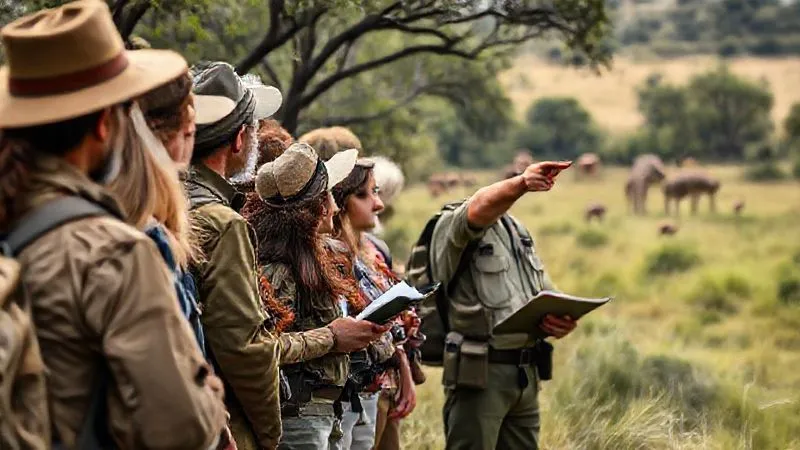
Strict Protocols: Maintaining Distance and Minimizing Disturbance
Physical distance is the most fundamental barrier against habituation. It's a non-negotiable principle that must be enforced rigorously.
The 'Rule of Thumb' and Beyond: Defining Safe Distances
A common guideline I often teach is the 'rule of thumb': if you can cover the entire animal with your outstretched thumb, you're likely at a safe distance. However, specific distances are far more effective:
- General Wildlife: A minimum of 25 meters (82 feet) for most terrestrial animals.
- Large Predators (Bears, Big Cats): A minimum of 100 meters (328 feet).
- Nesting Birds or Vulnerable Species: Even greater distances, or avoidance of areas during critical breeding seasons.
- Marine Wildlife: Specific regulations apply, often much greater distances for whales, dolphins, and seals. For example, NOAA Fisheries provides strict guidelines for marine mammal viewing in the US, often requiring hundreds of yards for whales. Learn more here.
These distances aren't arbitrary; they are based on behavioral science to ensure animals can continue their natural activities undisturbed. Guides must be equipped with rangefinders and trained to identify when an animal is showing signs of stress or disturbance.
Managing Noise, Movement, and Group Sizes
- Keep Noise Levels Low: Encourage quiet observation. Loud talking, sudden shouts, or artificial noises can startle animals and disrupt their behavior.
- Slow, Predictable Movements: Rapid or erratic movements are perceived as threats. Instruct visitors to move slowly, deliberately, and avoid direct eye contact, which can be seen as aggressive.
- Optimal Group Sizes: Smaller groups (e.g., 6-8 people) are generally less impactful than larger ones. They are easier to manage, create less disturbance, and allow for a more intimate, respectful viewing experience.
- Minimize Time at Sightings: Even at a safe distance, prolonged observation can be stressful. Limit the duration of each sighting to allow animals to resume their natural activities.
Case Study: Patagonia's Puma Project - Redefining Proximity
Case Study: Reframing Interactions in Torres del Paine's Puma Territory
For years, the burgeoning interest in puma tracking in Chile's Torres del Paine National Park raised concerns about habituation. Initial, less regulated tours sometimes allowed for too close proximity, potentially stressing the animals and altering their natural hunting behaviors. However, a collaborative effort involving local guides, park authorities, and conservationists implemented a radical shift.
They established a strict code of conduct: mandatory minimum distances, limited viewing times, and a 'no chase' policy. Guides underwent intensive training in puma ecology and stress signals. Critically, the program emphasized the quality of the observation over mere proximity. Tourists were educated on the value of observing natural behaviors from a distance, using high-quality binoculars and spotting scopes. The focus shifted from 'getting close' to 'witnessing wildness'.
The result? While pumas became accustomed to the distant presence of vehicles and observers, their natural hunting and territorial behaviors largely remained intact. Researchers observed no significant increase in human-puma conflict attributed to tourism, and the economic benefits from regulated tourism provided a strong incentive for local communities to protect the pumas. This demonstrated that carefully managed, respectful presence, coupled with rigorous education, can allow for incredible wildlife encounters without fostering detrimental habituation.
No Feeding Policy: Eradicating Food Conditioning
This rule is absolute. Never feed wild animals. This includes leaving out food scraps, intentionally offering food, or even accidentally dropping items that animals might consume. Food conditioning is arguably the fastest and most damaging route to habituation.
Understanding the "Why Not?"
The reasons are manifold and critical:
- Nutritional Imbalance: Human food is rarely appropriate for wild animals and can lead to digestive issues, malnutrition, and even death.
- Loss of Foraging Skills: Animals that rely on handouts lose their natural ability to find food, becoming dependent and vulnerable.
- Increased Aggression: Once animals associate humans with food, they can become aggressive when food is not offered, leading to dangerous encounters.
- Population Imbalances: Artificial food sources can lead to unnaturally high concentrations of certain species, disrupting natural predator-prey dynamics and ecological balance.
- Disease Spread: Concentrated feeding areas increase the risk of disease transmission among animals.
Enforcement and Signage: Making it Unambiguous
A clear, unequivocal 'No Feeding' policy must be communicated at every touchpoint. This includes:
- Prominent Signage: Clear, multilingual signs in strategic locations (trailheads, picnic areas, viewpoints).
- Guide Reinforcement: Guides must actively educate visitors and enforce the policy.
- Consequences: Establish and communicate clear penalties for feeding wildlife, ranging from warnings to fines or expulsion from the site.
- Secure Waste Management: Ensure all waste bins are animal-proof to prevent accidental feeding.
| Interaction Type | Impact on Wildlife | Mitigation Strategy |
|---|---|---|
| Feeding Wildlife | Alters foraging behavior, dependency, aggression | Strict 'No Feeding' policy, educate visitors, fines |
| Littering | Ingestion of plastics, injury, disease | Pack-it-in, pack-it-out, waste management systems |
| Off-Trail Exploration | Habitat destruction, disturbance of nesting sites | Marked trails, guide supervision, restricted areas |
Waste Management and Infrastructure Design
Beyond direct feeding, indirect food sources through poor waste management are a significant contributor to habituation. Thoughtful infrastructure design can preempt many problems.
Animal-Proof Waste Systems
This is non-negotiable in any area where wildlife may encounter human waste. Standard bins are simply an invitation for animals to forage. Solutions include:
- Bear-Proof Bins: Robust, locking containers designed to withstand the strength and ingenuity of animals like bears.
- Secure Composting: If composting is practiced, ensure it's fully enclosed and inaccessible to wildlife.
- 'Pack It In, Pack It Out' Policy: For remote or sensitive areas, the most effective strategy is to require visitors to carry out all their waste, leaving no trace.
- Regular Collection: Frequent emptying of waste receptacles prevents overflow and reduces attraction for animals.
Thoughtful Trail and Facility Placement
The design of your eco-tourism infrastructure plays a critical role in minimizing human-wildlife conflict.
- Avoid Critical Habitats: Trails, campsites, and lodges should be located away from sensitive areas such as breeding grounds, watering holes, or key foraging zones.
- Buffer Zones: Establish natural buffer zones between human activity areas and wildlife habitats.
- Elevated Walkways/Blinds: In some environments, elevated boardwalks or discreet viewing blinds can allow for observation without direct ground-level disturbance.
- Natural Barriers: Utilize natural topography, dense vegetation, or water bodies as natural barriers to separate human and wildlife spaces.
- Minimizing Artificial Lighting: Light pollution can disrupt nocturnal animals. Use downward-facing, low-intensity, motion-activated lighting where necessary.
Monitoring, Data Collection, and Adaptive Management
Effective mitigation isn't a one-time fix; it's an ongoing process that requires vigilance, data, and a willingness to adapt. As an industry specialist, I've always stressed the importance of a dynamic approach.
Behavioral Monitoring: Early Warning Systems
Regularly observing and documenting wildlife behavior is essential for detecting early signs of habituation. Guides and park staff should be trained to look for:
- Reduced Flight Distance: Animals allowing closer approaches than expected.
- Increased Boldness: Animals approaching humans, vehicles, or campsites without provocation.
- Altered Activity Patterns: Animals becoming more active during human presence, or altering their feeding/resting schedules.
- Aggressive Displays: Animals exhibiting defensive or aggressive behaviors towards humans, often a sign of advanced habituation or food conditioning.
Establishing a standardized reporting system for these observations allows for data accumulation and trend analysis. This data is invaluable for identifying hotspots of habituation and informing management responses.
Leveraging Technology: Drones, Camera Traps, and Citizen Science
Modern technology offers powerful tools for non-invasive monitoring:
- Camera Traps: Provide continuous, unobtrusive monitoring of wildlife activity, allowing researchers to study natural behaviors without human presence.
- Drones: Can be used for aerial surveys, habitat mapping, and monitoring large animal populations from a safe distance, minimizing disturbance.
- GPS Collars: For specific research projects, collaring can provide data on animal movements, home ranges, and how they respond to human infrastructure.
- Citizen Science Platforms: Engaging visitors in data collection (e.g., reporting sightings, uploading photos with geotags) can expand monitoring efforts, provided strict guidelines are in place to ensure data quality and ethical interaction. Projects like iNaturalist or eBird are excellent examples.
"True conservation isn't just about protecting species; it's about preserving the wildness within them. Habituation erodes that wildness, piece by tragic piece." - An expert's insight.
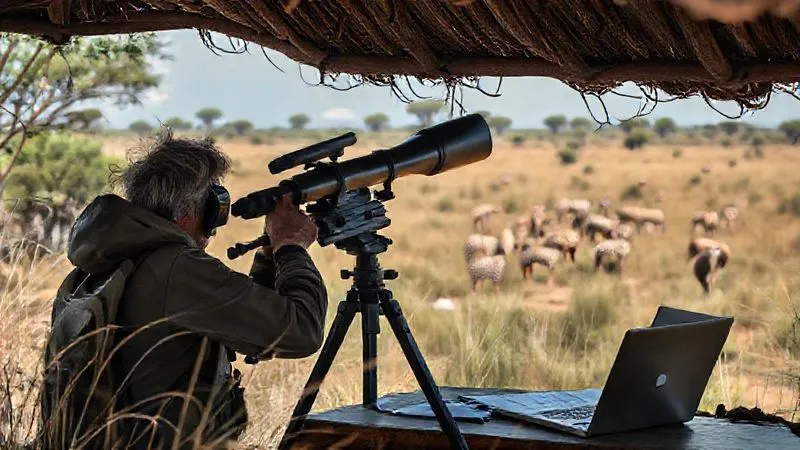
Staff Training and Guide Certification
The quality of your staff, particularly your guides, directly correlates with the success of your habituation mitigation efforts. They are the frontline educators and enforcers.
Beyond Basic Knowledge: Deep Ethical Frameworks
Training should extend far beyond identifying species or navigating trails. It must instill a deep ethical understanding of responsible tourism:
- Behavioral Ecology: Guides should have an in-depth understanding of the behavior, ecology, and social structures of the local wildlife. This allows them to interpret animal actions accurately and anticipate potential issues.
- Stress Signals: Crucially, guides must be able to recognize subtle signs of stress or discomfort in animals (e.g., flattened ears, averted gaze, tail tucking, increased vigilance) and respond immediately by increasing distance or moving away.
- Ethical Storytelling: Train guides to craft narratives that promote respect for wildlife, highlight conservation challenges, and inspire responsible behavior, rather than sensationalizing close encounters.
- Enforcement with Empathy: Guides need skills to enforce rules firmly but respectfully, explaining the 'why' behind the regulations without alienating guests.
Continuous Professional Development
The natural world is dynamic, and so too should be the knowledge of your staff. Regular refreshers and advanced training are vital:
- Annual Workshops: Cover new research findings, updated best practices, and lessons learned from past incidents.
- First Aid and Emergency Response: Especially critical for remote areas, including protocols for unexpected wildlife encounters.
- Peer-to-Peer Learning: Encourage experienced guides to mentor newer staff, sharing practical field wisdom and ethical dilemmas.
- Certification Programs: Partner with recognized conservation organizations or academic institutions to offer accredited certification programs for guides, enhancing their credibility and expertise. Organizations like the IUCN (International Union for Conservation of Nature) often publish guidelines that can inform such programs.
| Training Module | Key Learning Outcome | Methodology |
|---|---|---|
| Wildlife Behavior & Ecology | Recognize stress signals, understand natural routines | Field observation, expert lectures |
| Visitor Management & Communication | Educate without lecturing, enforce rules respectfully | Role-playing, communication workshops |
| Emergency Protocols | Handle unexpected animal encounters safely | Simulations, first aid for wildlife incidents |
Community Engagement and Local Partnerships
Sustainable eco-tourism, especially in regions with rich biodiversity, cannot thrive without the active involvement and support of local communities. They are often the primary stewards of the land and its wildlife.
Involving Local Communities in Conservation
From my perspective, genuine partnership is the only way forward. This means:
- Local Employment and Training: Prioritize hiring and training local community members as guides, park rangers, and lodge staff. This creates direct economic incentives for conservation.
- Shared Decision-Making: Involve local communities in the planning and management of eco-tourism activities, ensuring their traditional knowledge and concerns are integrated into policies.
- Benefit Sharing: Ensure that a significant portion of tourism revenue directly benefits local communities through infrastructure development, education, or conservation funds.
- Cultural Exchange: Promote respectful cultural exchange, where visitors learn from local traditions and conservation practices, fostering mutual understanding.
Economic Benefits as an Incentive
When communities see tangible benefits from responsible wildlife tourism, their commitment to protecting wildlife and mitigating habituation naturally increases. If wildlife is more valuable alive and wild than through other means (e.g., poaching or agricultural expansion into habitat), then conservation becomes a community-driven imperative. Initiatives like community-based conservation projects, often supported by organizations like the World Wildlife Fund, demonstrate this principle effectively.
This creates a virtuous cycle: responsible tourism leads to healthy wildlife populations, which in turn attracts more tourists, generating more revenue for conservation and community development. This holistic approach is critical for the long-term success of any eco-tourism venture aiming to mitigate wildlife habituation from eco-tourism visits.
Frequently Asked Questions (FAQ)
Q: Is all habituation bad, or can some level of habituation be acceptable? While some level of 'tolerance' to human presence might occur in protected areas, true habituation, where animals lose fear and alter natural behaviors, is almost always detrimental. The goal isn't necessarily zero interaction, but rather interactions that are entirely on the animal's terms, without impacting their wild instincts or survival. The line is fine, and it's best to err on the side of minimal impact.
Q: How can I, as a tourist, tell if an animal is becoming habituated or stressed? Look for behavioral cues. A non-habituated animal will typically maintain a significant distance, move away if approached, and exhibit natural behaviors like foraging or resting without constant vigilance towards humans. Signs of stress include constant staring, flattened ears, pacing, tail tucking, or sudden, erratic movements. An animal that approaches you or shows no reaction to your presence is likely habituated.
Q: What role does photography play in wildlife habituation? Photography can be a major driver of habituation, especially when photographers prioritize 'getting the shot' over animal welfare. Using long lenses, maintaining respectful distances, avoiding flash photography, and never baiting or disturbing animals are critical. Many professionals adhere to strict ethical codes, such as those promoted by the National Geographic Society for wildlife photography.
Q: What if a local community relies on feeding animals for tourism income? How can that be mitigated? This is a complex challenge. The solution lies in transitioning to more sustainable, non-feeding tourism models. This requires education, alternative income generation opportunities (e.g., cultural tourism, craft markets), and showcasing the long-term ecological and economic benefits of wild, unhabituated wildlife. It often requires significant investment in community development and collaborative planning.
Q: Can habituated animals be 're-wilded' or is the damage permanent? In some cases, particularly with less severe habituation, animals can re-learn natural behaviors if human-animal interactions cease or are significantly reduced. This often involves relocating animals to remote areas, implementing strict no-contact policies, and sometimes even aversive conditioning. However, it's a difficult and often unsuccessful process, underscoring the importance of preventing habituation in the first place.
Key Takeaways and Final Thoughts
Mitigating wildlife habituation from eco-tourism visits is not merely a best practice; it is a fundamental ethical imperative for anyone operating in or participating in the eco-tourism sector. It requires a multifaceted approach, deep commitment, and continuous adaptation. From my vantage point, having seen both the triumphs and tragedies in this field, I can unequivocally state that the future of eco-tourism hinges on our ability to truly respect the wild.
- Education is Paramount: Empowering both guides and visitors with knowledge is the first line of defense.
- Distance is Key: Strict adherence to safe distances and minimal disturbance protocols protects natural behaviors.
- No Feeding, Ever: Eliminating all forms of food conditioning is non-negotiable for animal welfare.
- Design with Wildlife in Mind: Thoughtful infrastructure and waste management prevent accidental habituation.
- Monitor and Adapt: Continuously observe, collect data, and be prepared to adjust strategies based on real-world outcomes.
- Invest in Staff: Well-trained, ethically grounded guides are your most valuable asset.
- Engage Communities: Local partnership ensures long-term sustainability and shared stewardship.
The wild places and the incredible creatures that inhabit them are a precious, finite resource. When we engage with them responsibly, we don't just protect them; we enrich our own lives and leave a legacy of respect for future generations. Let us commit to making every eco-tourism visit a testament to true conservation, where the wild remains wild, and our presence is a privilege, not a burden.
Recommended Reading
- 5 Strategies: Healthy Travel Diet for Peak Professional Focus
- Unveiling the Truth: Is Public Transport Truly Cheaper for Budget Travel?
- 7 Ways Spiritual Retreats Sharpen Executive Decision Clarity
- 7 Steps to Quiet Your Professional Mind for Mindful Solo Travel
- The Ultimate Guide: How to Prepare for a Luxury Overnight Train Journey




Your email address will not be published. Required fields are marked *