

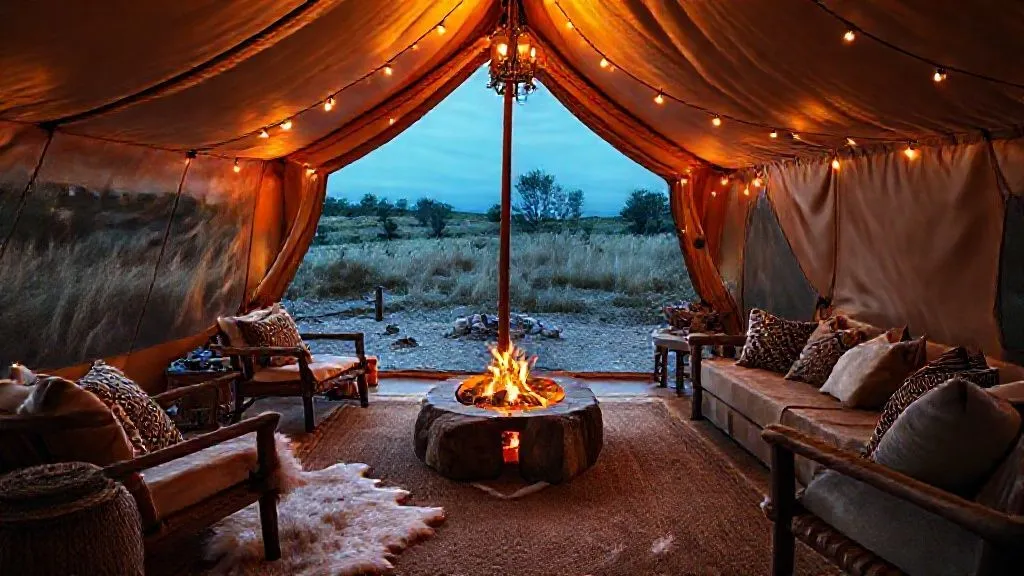
My Glamping's Rustic Elegance Looks Cheap: How to Elevate It?
For over 15 years, I've had the privilege of immersing myself in the world of glamping, witnessing its incredible evolution from a niche concept to a global phenomenon. During this time, I've consulted with countless operators, from budding entrepreneurs to established luxury brands, and I've seen a recurring challenge: the delicate dance between 'rustic' and 'elegance.' It's a tightrope walk where one misstep can quickly tip the scales from charmingly authentic to undeniably cheap.
The problem often stems from a well-intentioned but misguided approach. Operators aim for that coveted 'rustic elegance' but inadvertently cut corners, use unsuitable materials, or simply lack the nuanced understanding of what truly elevates a space. The result? A glamping setup that, despite its natural surroundings, feels more like a hastily assembled campsite than a thoughtfully curated luxury escape. Guests notice, reviews reflect it, and ultimately, the brand suffers. It’s a disheartening cycle for passionate owners.
But here’s the good news: this challenge is entirely surmountable. In this definitive guide, I'm going to pull back the curtain on the strategies and insights I've gleaned over years of hands-on experience. We’ll dive deep into actionable frameworks, explore real-world examples, and uncover the expert secrets to transforming a 'cheap-looking' rustic glamping site into a beacon of sophisticated, authentic luxury. Prepare to learn not just what to do, but how to do it, ensuring your glamping's rustic elegance shines with genuine allure.
Understanding the 'Cheap' vs. 'Chic' Divide in Rustic Design
The line between rustic charm and a cheap appearance is often razor-thin, and the distinction lies in intention, quality, and execution. Rustic, by definition, implies a connection to nature, simplicity, and an unrefined beauty. Elegance, on the other hand, speaks to refinement, sophistication, and a certain grace. When these two concepts merge successfully, the result is truly magical. When they clash, it’s usually because the 'rustic' elements dominate without the 'elegance' to balance them, or worse, the 'rustic' is poorly imitated.
Many operators fall into the trap of equating 'rustic' with 'DIY' or 'found objects' without a critical eye for quality or design cohesion. They might opt for mass-produced items that mimic natural textures but lack the tactile authenticity, or use materials that aren't durable enough for the glamping environment. This often leads to a transient, temporary feel rather than the robust, inviting permanence that luxury guests expect.
"Authenticity is not just about using natural materials; it's about honoring their inherent beauty and integrating them with thoughtful design that speaks to both comfort and longevity. Anything less risks looking like a costume rather than a character."
Here are some common elements that, when mishandled, can inadvertently make your glamping space feel cheap:
- Flimsy Fabrics: Thin, synthetic, or poorly chosen textiles that lack texture or drape.
- Imitation Materials: Plastic wood-grain, faux stone, or synthetic rattan that visibly lacks natural character.
- Cluttered Decor: Too many small, unrelated knick-knacks that create visual noise rather than curated charm.
- Poor Lighting: Harsh, single-source overhead lights or inadequate ambient lighting that doesn't create warmth.
- Uncomfortable Furniture: Pieces that prioritize aesthetic over ergonomics, leading to a subpar guest experience.
- Lack of Cohesion: A mix-and-match approach without an overarching design theme or color palette.
- Visible Wear and Tear: Faded fabrics, chipped paint, or worn-out accessories that signal neglect.
To truly elevate, we must move beyond surface-level aesthetics and delve into the substance of design, prioritizing quality, thoughtful curation, and a deep understanding of the guest experience.
The Foundation of Elevated Rustic: Quality Materials and Craftsmanship
When I advise glamping operators, my first directive is always to scrutinize the foundations. True rustic elegance begins not with decorative flourishes, but with the integrity of the core structure and the materials it's built from. This isn't just about durability; it's about the innate sensory experience that quality materials provide – the scent of real wood, the cool touch of stone, the robust feel of canvas.
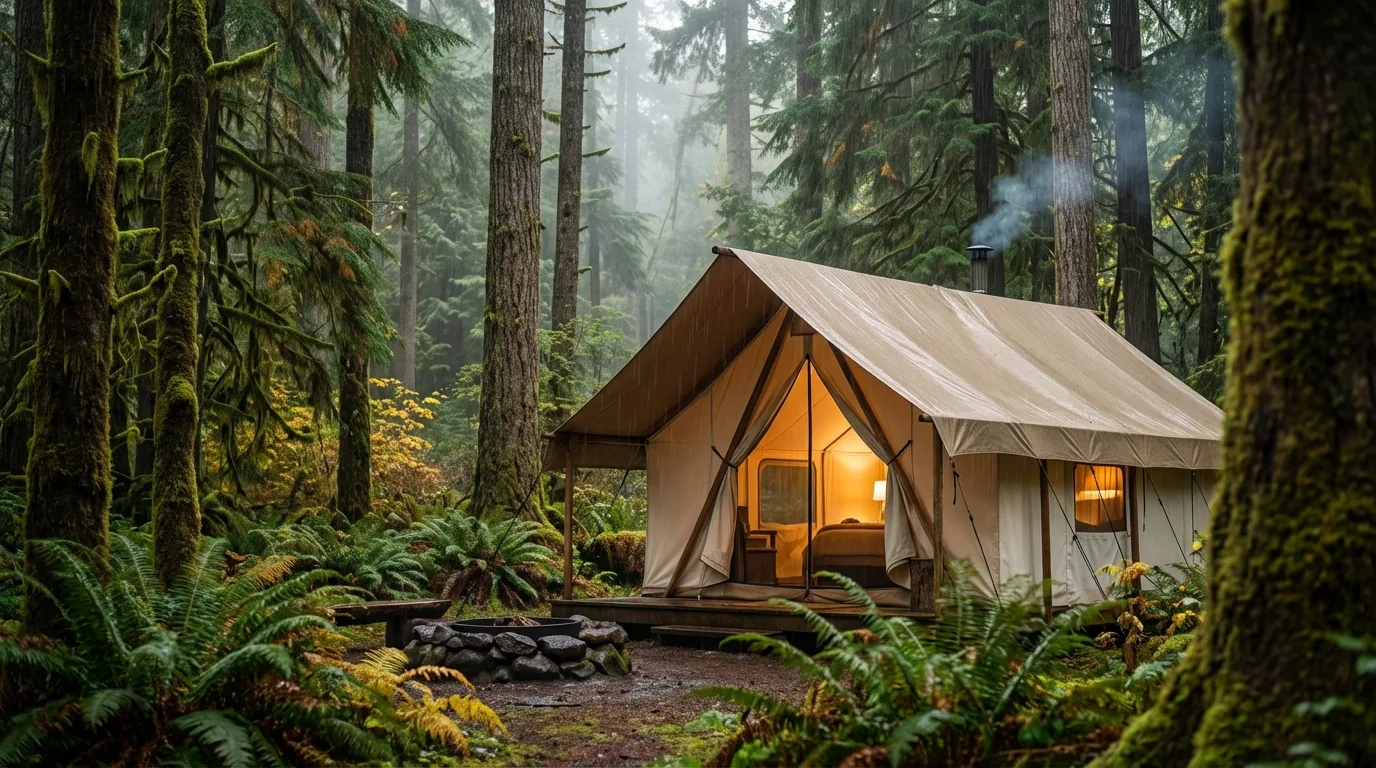
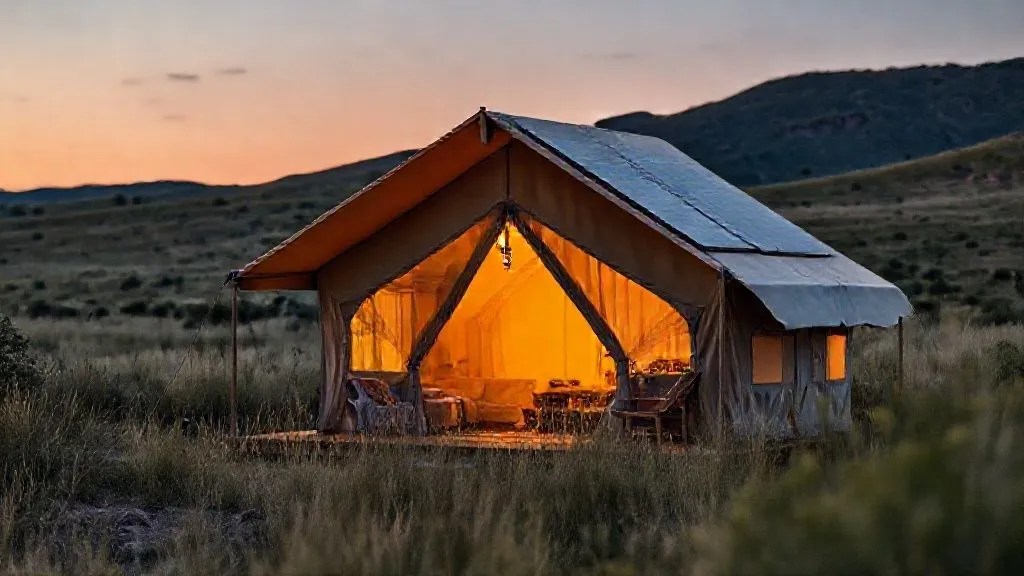
Think about the main dwelling itself. Is it a robust canvas tent, a sturdy yurt, or a charming cabin? The quality of the canvas, the strength of the frame, the insulation – these are paramount. A cheap, thin canvas will not only degrade faster but will also feel less substantial and luxurious. Investing in heavier-grade, weather-resistant materials from reputable suppliers is non-negotiable for longevity and perceived value.
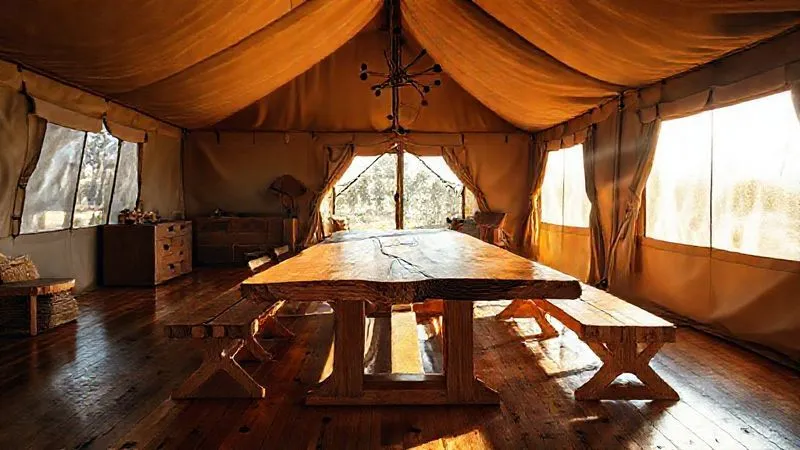
Natural materials are your best friends in achieving authentic rustic elegance. We're talking solid wood, natural stone, wrought iron, and thick, breathable cottons or linens. These materials age gracefully, developing a patina that tells a story, unlike synthetic alternatives that merely deteriorate. They also offer superior tactile and visual appeal, grounding the space in authenticity. Don't be afraid to leave some elements raw or unfinished, like a live-edge wood slab for a table, to highlight their natural beauty.
Beyond the Tent: Permanent Structures & Flooring
Even if your primary accommodation is a tent, consider how permanent elements like flooring, decks, and even pathways contribute to the overall impression. I've seen countless glamping tents elevated dramatically by a solid, well-built wooden deck that extends beyond the tent's footprint, providing a stable, clean, and inviting outdoor living space. This immediately signals a higher level of comfort and permanence than a tent pitched directly on uneven ground.
- Solid Wood Decks: Use durable, sustainably sourced hardwoods or treated lumber. Ensure they are level and well-maintained.
- Natural Stone Pathways: Instead of gravel or dirt, consider flagstone or river rock pathways that blend seamlessly with the environment and offer a stable walking surface.
- Interior Flooring: Within the tent, a robust subfloor topped with quality wood laminate, engineered wood, or even large, durable natural fiber rugs can transform the feel underfoot. Avoid cheap, thin vinyl or carpet remnants.
- Structural Beams: If your design allows, exposed wooden beams or posts within the structure add an undeniable rustic charm and sense of strength.
Curating the Interior: Texture, Layers, and Bespoke Touches
Once the foundation is set, the interior curation becomes your canvas for true rustic elegance. This is where you infuse personality and comfort, transforming a mere shelter into a sanctuary. The key here is intentionality – every item should serve a purpose, contribute to the aesthetic, and enhance the guest experience. It's about creating a tactile, sensory journey.
I always emphasize the importance of texture. A room devoid of varied textures feels flat and uninviting. In glamping, where the natural world is your backdrop, bringing in a rich tapestry of textures helps to bridge the gap between the rugged outdoors and the cozy indoors. Think about how different materials feel underfoot, to the touch, and how they interact visually.
The Art of Textural Play
Layering textures adds depth, warmth, and visual interest. It prevents the space from feeling sterile or overly minimalist, which can often be mistaken for cheap in a rustic setting. Consider these elements:
- Rugs: Layer natural fiber rugs like jute, sisal, or wool over your main flooring. A plush sheepskin rug beside the bed adds an instant touch of luxury and softness.
- Textiles: Introduce throws and blankets in varying weights and weaves – chunky knits, soft alpaca, organic cotton, or linen. Layer them on beds, sofas, and chairs.
- Cushions: Mix and match cushions with different fabrics (velvet, canvas, leather, linen) and patterns (subtle geometrics, natural motifs).
- Wood Accents: Incorporate carved wooden bowls, rustic picture frames, or unique wooden sculptures.
- Metallics: A touch of aged brass, copper, or wrought iron in lighting fixtures or decorative elements can add a sophisticated contrast.
Bespoke vs. Mass-Produced: A Critical Distinction
One of the quickest ways to make a rustic space look cheap is to fill it with mass-produced, generic items that lack character. Elevated rustic elegance thrives on uniqueness and a sense of discovery. This doesn't mean everything has to be custom-made, but a significant portion should feel thoughtfully chosen or handcrafted. As I often tell my clients, 'Your glamping site should tell a story, not just sell a stay.'
To source unique items that elevate your space:
- Support Local Artisans: Commission or purchase items from local craftspeople – pottery, artwork, textiles, small furniture pieces. This not only adds authenticity but also supports the local economy and provides a unique story for your guests.
- Hunt for Vintage Treasures: Scour antique shops, flea markets, and online marketplaces for vintage furniture, lamps, or decorative objects. These items often have a patina and history that new pieces lack.
- Custom Fabrication: For key pieces like a unique headboard, a reception desk, or a distinctive shelving unit, consider working with a local woodworker or metal fabricator.
- Curated Collections: Instead of random decor, build small collections of related items – a set of vintage books, a display of local natural objects (pinecones, interesting stones), or a series of framed botanical prints.
Case Study: How 'Whispering Pines Glamp' Transformed Their Interiors
Whispering Pines Glamp, a mid-sized operation in the Pacific Northwest, faced the exact problem we're discussing. Their original tents, while functional, were furnished with generic, flat-pack furniture and basic textiles. Guest feedback often mentioned the lack of 'coziness' and 'luxury.' Their rustic elegance looked cheap.
Working with my team, they embarked on a strategic overhaul. They replaced all synthetic bedding with high-thread-count organic cotton and added chunky knit wool throws and faux fur rugs. They commissioned a local artisan to create unique, live-edge bedside tables and headboards for each tent, immediately adding a bespoke feel. Instead of standard lamps, they sourced vintage lanterns and added dimmable LED Edison bulbs. Finally, they introduced small, curated collections of local interest books and artisanal mugs for morning coffee.
The transformation was remarkable. Within six months, their average nightly rate increased by 20%, and guest satisfaction scores for 'ambiance' and 'luxury' soared by 40%. The perception shifted from 'a nice tent' to 'a beautifully designed, immersive experience' – a testament to the power of thoughtful curation and quality materials.
Lighting as a Game-Changer: Crafting Ambiance and Warmth
Lighting is, without a doubt, one of the most underestimated elements in glamping design, yet it holds immense power to transform a space. Poor lighting can make even the most expensive decor look dull and uninviting, while expertly designed lighting can elevate a modest setup into a magical retreat. It’s about more than just illumination; it’s about crafting mood, highlighting features, and creating a sense of warmth and security.
I've observed countless glamping sites that rely on a single, harsh overhead light. This is a cardinal sin in creating rustic elegance! It flattens the space, casts unflattering shadows, and completely negates any attempt at coziness. The secret lies in a multi-layered lighting strategy, much like you'd find in a high-end boutique hotel, adapted for the unique glamping environment.
Ambient, Task, and Accent Lighting
Think about lighting in terms of its function:
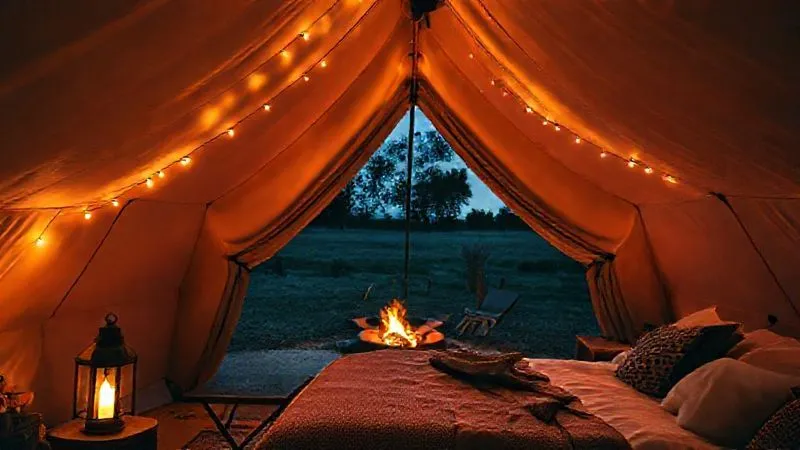
- Ambient Lighting: This is your general, soft illumination. It should be warm and inviting, never harsh. Options include string lights (festoon or fairy lights), dimmable ceiling fixtures (if applicable), or soft-glow lanterns.
- Task Lighting: Essential for activities like reading, cooking (if there's a kitchenette), or preparing for bed. Bedside lamps with warm, focused light are crucial. A small desk lamp if there's a workspace.
- Accent Lighting: Used to highlight specific features or create dramatic effect. This could be small spotlights on a piece of art, LED strips under a bed frame for a floating effect, or uplights on outdoor trees near the tent.
My recommendation is always to use warm-toned LED bulbs (2700K-3000K) and, wherever possible, incorporate dimmers. The ability for guests to adjust the lighting to their preference is a luxury in itself. Consider unique fixtures that align with your rustic theme – antique-style lanterns, Edison bulbs in metal cages, or woven pendant lights made from natural fibers.
"Light shapes perception. It can make a space feel expansive or intimate, cold or comforting, ordinary or extraordinary. In glamping, mastering light is mastering the guest's emotional journey."
Integrating Nature: Seamless Blending with the Environment
The very essence of glamping is its connection to nature. To truly elevate rustic elegance, you must do more than just place a tent in the wilderness; you must create a seamless dialogue between the interior comfort and the natural surroundings. This integration should feel organic, intentional, and deeply respectful of the environment. It's about bringing the outside in, and subtly inviting the inside out.
A common misstep is to treat the glamping structure as an isolated entity, sealed off from its environment. While comfort and protection are paramount, the best glamping experiences blur the lines, allowing guests to feel immersed in nature even from within their luxurious abode. This enhances the sense of escape and authenticity, which is what guests are seeking.
Strategic Placement and Views
Before any structure is even built, thoughtful site selection and orientation are critical. Position your tents to maximize stunning views – whether it's a mountain range, a tranquil lake, or a dense forest canopy. Large windows, clear panels (if appropriate for the structure), or expansive deck openings should frame these natural vistas like living art. Ensure privacy, but never at the expense of a breathtaking view.
Natural Elements Indoors
Bring nature inside in a curated, sophisticated way:
- Live Plants: Strategically placed potted plants (low-maintenance and suitable for the climate) can purify air and add a touch of living greenery.
- Botanical Art: Framed pressed flowers, botanical prints, or even simple branches arranged aesthetically.
- Natural Decor: Display interesting rocks, driftwood, pinecones, or other natural curiosities collected responsibly from the area. These add a sense of place and discovery.
- Color Palette: Draw inspiration from the surrounding landscape for your interior color scheme – earthy greens, muted browns, soft blues, and warm grays.
- Outdoor Living Spaces: Extend the interior comfort to the outdoors with a well-appointed deck or patio. Comfortable outdoor seating, a fire pit, and perhaps an outdoor kitchen or shower further blend the two realms.
For more insights into sustainable and integrative design, consider exploring resources from organizations focused on ecological architecture or landscape design, such as articles found on sites like National Geographic Environment, which often highlight harmonious human-nature interactions.
Thoughtful Amenities: The Devil is in the Details
In the realm of luxury glamping, it's often the small, thoughtful amenities that truly elevate the experience from good to unforgettable. These are the details that signal to your guests that you've anticipated their needs, considered their comfort, and gone the extra mile to provide a truly pampering stay. Neglecting these details can quickly make even a well-designed space feel incomplete or, worse, cheap.
I've seen operators invest heavily in the structure and decor, only to fall short on the consumables and conveniences. Guests aren't just paying for a beautiful tent; they're paying for an experience. This includes everything from the quality of the coffee to the comfort of the towels. It's about creating moments of delight and unexpected luxury.
Beyond the Basics: Unexpected Luxuries
While clean linens and basic toiletries are a given, true rustic elegance provides amenities that surprise and delight:
- Premium Bedding: High-thread-count sheets, hypoallergenic pillows, and a luxurious duvet. A comfortable mattress is non-negotiable.
- Artisanal Toiletries: Locally sourced, eco-friendly, high-quality soaps, shampoos, and lotions. Avoid generic hotel mini-bottles.
- Coffee & Tea Bar: A French press or pour-over setup with freshly ground local coffee, a selection of gourmet teas, and perhaps local honey or artisanal sugar.
- Curated Reading Nook: A small selection of relevant books – local history, nature guides, inspiring fiction – and perhaps a comfortable armchair and reading lamp.
- Welcome Basket: A thoughtful collection of local treats – artisanal chocolates, regional snacks, a bottle of local wine or craft beer.
- High-Quality Cookware: If self-catering is an option, provide sturdy, clean, and complete sets of pots, pans, and utensils.
- Bluetooth Speaker: A discreet, high-quality portable speaker for guests to enjoy their music.
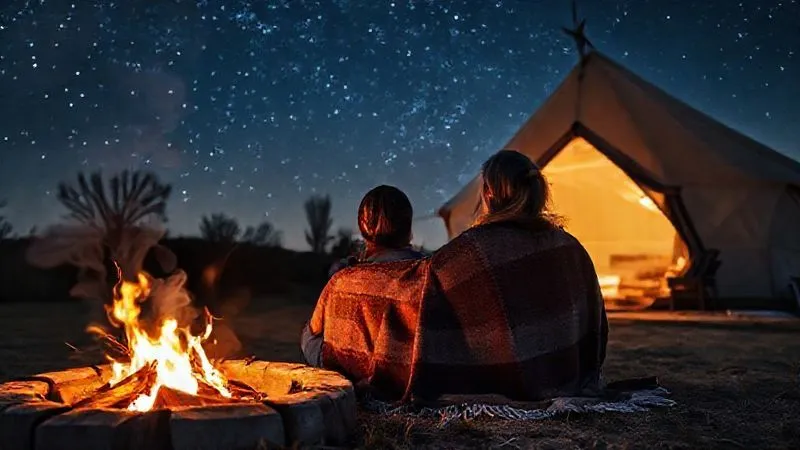
- Outdoor Comforts: Plush outdoor blankets for stargazing, quality binoculars for wildlife viewing, or a yoga mat for morning stretches.
Consider this comparison of amenities and their perceived value:
| Category | Basic Glamping | Elevated Rustic Glamping |
|---|---|---|
| Bedding | Standard cotton sheets, thin blanket | High-thread-count organic cotton, down duvet, plush throws |
| Toiletries | Generic mini-bottles | Locally sourced, organic, refillable dispensers |
| Beverages | Instant coffee, basic tea bags | French press, local roasted coffee, gourmet tea selection |
| Outdoor Seating | Plastic camp chairs | Adirondack chairs, cushioned lounge seating, fire pit |
| Entertainment | None | Curated local books, quality Bluetooth speaker, binoculars |
These thoughtful touches demonstrate a commitment to guest comfort and a deep understanding of what constitutes a truly luxurious and memorable stay. They transform a simple accommodation into a holistic experience.
The Power of Storytelling: Branding Your Rustic Elegance
In a competitive market, having a beautiful glamping site isn't enough; you need a compelling narrative. The most successful glamping operations I've encountered don't just offer a place to stay; they offer a story, an experience, a unique identity that resonates deeply with their target audience. This is the ultimate elevation of rustic elegance – transforming it from a mere aesthetic into a powerful brand ethos.
Without a clear story, your rustic elegance can feel generic, even if the individual elements are high quality. Guests are increasingly seeking authentic, meaningful experiences. They want to know the 'why' behind your design choices, the history of your location, the values that drive your operation. This narrative creates an emotional connection, fostering loyalty and word-of-mouth referrals.
Crafting Your Brand Narrative
Your brand story should weave together the elements of your location, your design philosophy, your commitment to sustainability, and the unique experiences you offer. Here's a framework I often use:
- Identify Your Core Values: What truly matters to your glamping site? Is it deep immersion in nature, historical preservation, artisanal craftsmanship, or sustainable luxury?
- Uncover Your 'Origin Story': How did your glamping site come to be? Was it a lifelong dream, a passion project, a response to a need? Personal anecdotes are powerful.
- Highlight Your Unique Selling Proposition (USP): What makes your rustic elegance distinct? Is it a specific architectural style, a focus on local foraging, or unparalleled stargazing opportunities?
- Define Your Ideal Guest: Who are you trying to attract? Understanding their desires and values helps tailor your story to them.
- Weave it into Every Touchpoint: Your story should be evident in your website copy, social media posts, guest welcome guide, choice of amenities, and even the names of your individual glamping units.
As experts like those at Harvard Business Review often emphasize, brand storytelling is not just marketing; it's about building genuine connections and trust. When your guests understand and believe in your story, your rustic elegance transcends mere aesthetics and becomes an authentic, memorable experience.
Maintenance and Upkeep: Sustaining the Elegance
Achieving rustic elegance is one thing; sustaining it is another. I've witnessed countless glamping sites where initial investment in beautiful design slowly erodes due to inadequate maintenance. A chipped mug, a faded cushion, a squeaky floorboard – these seemingly minor details accumulate, collectively undermining the perception of luxury and making the entire space feel neglected and, yes, cheap.
Elegance is not static; it requires continuous care and attention. Guests pay a premium for a pristine, well-maintained environment, and even in a rustic setting, high standards of cleanliness and functionality are expected. This means developing a robust maintenance schedule that goes beyond superficial tidying.
Seasonal Refresh and Deep Cleans
Your maintenance strategy should include daily, weekly, monthly, and seasonal tasks. Daily checks ensure immediate issues are addressed. Weekly and monthly deep cleans tackle wear and tear more thoroughly. Seasonal refreshes are crucial for glamping, as exposure to the elements can be significant.
- Daily Checks: Inspect for cleanliness, functionality of lights/appliances, fresh linens, restocked amenities.
- Weekly Deep Clean: Thorough cleaning of all surfaces, vacuuming/mopping, checking for minor repairs (loose screws, light bulb replacements).
- Monthly Maintenance: Inspecting structural integrity, checking for pests, cleaning outdoor furniture, deep cleaning fabrics.
- Seasonal Overhaul (e.g., Spring/Fall): This is where you address larger issues. Pressure washing decks, resealing wood, deep cleaning canvas, inspecting and repairing any weather damage, refreshing soft furnishings (replacing faded cushions, washing all throws).
- Proactive Repairs: Don't wait for something to break. Regular inspections should identify potential problems before they become issues that impact guest experience.
"A truly elegant space whispers of care, not just cost. When guests perceive a lack of upkeep, the value proposition crumbles, regardless of the initial investment."
Here’s a simplified example of a maintenance schedule for key glamping elements:
| Item | Frequency |
|---|---|
| Canvas/Tent Exterior | Weekly visual, Monthly spot clean, Quarterly deep clean/weatherproof check |
| Wooden Deck/Flooring | Daily sweep, Weekly wash, Bi-annual reseal/stain |
| Interior Fabrics (Rugs, Throws) | Weekly vacuum/shake, Monthly spot clean, Quarterly professional clean/replace |
| Appliances/Fixtures | Daily check, Monthly deep clean, Annual professional service |
| Outdoor Furniture | Weekly wipe down, Monthly deep clean, Seasonal protection/storage |
Investing in high-quality materials upfront reduces the frequency of major repairs, but regular, meticulous upkeep is the only way to ensure your glamping's rustic elegance remains consistently high-end. For further insights into maintaining high standards in hospitality, I often recommend resources from industry leaders like Hospitality Net, which provides best practices for operational excellence.
Frequently Asked Questions (FAQ)
How do I balance rustic charm with modern comforts without looking incongruous? The key is thoughtful integration and a cohesive design language. Avoid stark contrasts. Opt for modern comforts that are either discreetly hidden (e.g., underfloor heating, integrated charging ports) or designed with a rustic aesthetic (e.g., vintage-style appliances, matte black fixtures). Focus on natural materials and a consistent color palette that bridges both worlds. For instance, a sleek, minimalist coffee maker can fit if placed on a live-edge wooden counter, surrounded by artisanal mugs. It's about blending rather than clashing, ensuring that the modern elements serve to enhance comfort without detracting from the natural, unrefined beauty you're cultivating.
What are the most cost-effective ways to upgrade a glamping tent's interior? The biggest impact for the least cost often comes from textiles and lighting. Investing in high-quality, layered bedding (duvets, throws, decorative pillows), plush rugs, and substantial curtains can dramatically change the feel. Simultaneously, upgrading your lighting from a single overhead bulb to multiple warm-toned sources (string lights, bedside lamps, lanterns) creates instant ambiance. Beyond that, a fresh coat of paint or stain on any wooden elements, and decluttering to allow hero pieces to shine, are highly effective and budget-friendly. Remember, perceived value often comes from thoughtful curation, not just expense.
How important is local sourcing for achieving authentic rustic elegance? Extremely important. Local sourcing not only supports your community but also imbues your glamping site with a unique sense of place. It tells a story that mass-produced items cannot. When you use local wood, textiles, pottery, or even welcome basket items, you're offering guests a tangible connection to the region. This authenticity is a cornerstone of true rustic elegance and is a powerful differentiator in the market. It moves beyond generic 'rustic' to something truly rooted and special, enhancing the overall guest experience and brand narrative.
What's the biggest mistake operators make when trying to achieve rustic elegance? From my experience, the biggest mistake is equating 'rustic' with 'cheap' or 'disposable,' leading to a lack of investment in quality. This manifests as flimsy materials, poorly constructed furniture, or a general absence of intentional design. Another common error is clutter – over-decorating with too many small, unrelated items that create visual chaos instead of curated charm. Rustic elegance thrives on thoughtful simplicity and the inherent beauty of well-chosen, durable items, not an abundance of trinkets. It's about quality over quantity, always.
Can I achieve rustic elegance on a tight budget? Yes, absolutely, but it requires more creativity and patience. Focus your budget on core elements that provide the most sensory impact: a comfortable mattress, quality bedding, and strategic lighting. For other items, embrace DIY with an emphasis on craftsmanship (e.g., sanding and staining salvaged wood, creating textile art from natural fibers). Scour flea markets and second-hand stores for unique, vintage pieces that have character. Prioritize natural materials and a cohesive color palette. The key is to be intentional with every choice, ensuring each item contributes to the desired aesthetic and avoids looking like a random collection of cheap finds. It’s a slower process, but the results can be incredibly rewarding and authentic.
Key Takeaways and Final Thoughts
- Prioritize Quality Materials: Invest in robust structures, natural woods, and durable textiles from the outset to build a foundation of genuine elegance.
- Master Interior Curation: Layer textures, mix bespoke and vintage pieces, and avoid clutter to create depth, warmth, and a unique story.
- Leverage Lighting: Employ a multi-layered lighting strategy with warm tones and dimmers to craft inviting ambiance and highlight key features.
- Integrate Nature Seamlessly: Maximize natural views, bring curated natural elements indoors, and extend comfortable living to outdoor spaces.
- Elevate Amenities: Go beyond the basics with thoughtful, high-quality consumables and conveniences that pamper guests and anticipate their needs.
- Craft a Compelling Story: Develop a unique brand narrative that resonates emotionally with guests, explaining the 'why' behind your rustic elegance.
- Commit to Meticulous Maintenance: Implement a robust upkeep schedule to preserve the integrity and beauty of your glamping site, ensuring lasting luxury.
Transforming your glamping's rustic elegance from 'cheap' to 'chic' is not merely an aesthetic upgrade; it's a strategic investment in your brand, your guest experience, and ultimately, your long-term success. It demands intentionality, an eye for detail, and a deep respect for both design principles and the natural world. Remember, true luxury isn't about ostentation; it's about thoughtful design, authentic materials, and an unparalleled sense of comfort and place. By embracing these principles, you won't just elevate your glamping site; you'll create an unforgettable sanctuary that your guests will cherish and return to, time and time again.
Recommended Reading
- Navigating Zero-G Tourism Safety: 7 Steps to Regulatory Compliance
- 7 Advanced Protocols: How to Prevent Diver Panic on Reef Excursions?
- Safeguarding Your Career: 7 Steps for International Volunteer Success
- The Ultimate Guide: How to Choose Responsible Volunteer Travel Programs?
- Unlock Asia's Secrets: How to Book Sleeper Train Adventures with Ease

Your email address will not be published. Required fields are marked *