

How to Book Sleeper Train Adventures in Asia: Your Ultimate Guide
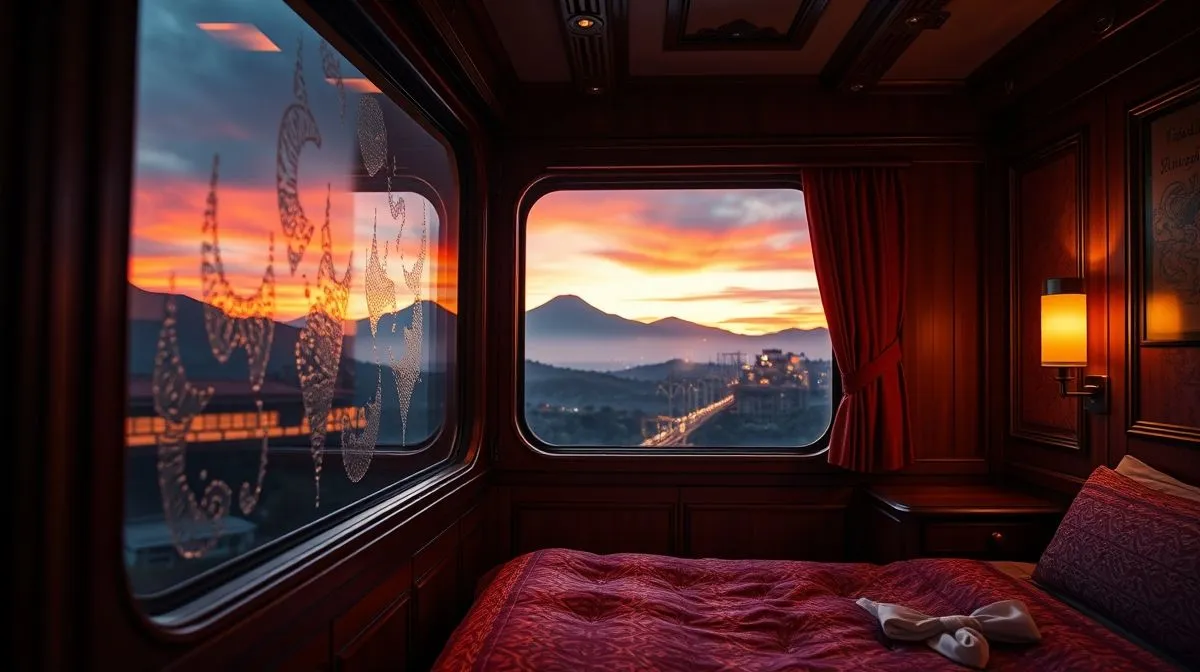
Imagine the rhythmic lull of train wheels against the tracks, the gentle sway of your private cabin, and waking up to a breathtaking new landscape unfurling outside your window. This isn't just travel; it's an immersive journey, a moving hotel room that takes you deep into the heart of Asia's diverse cultures and stunning scenery.
But how do you turn this dream of an epic overnight rail journey into a tangible reality? Many aspiring adventurers find themselves overwhelmed by the myriad of railway networks, booking systems, and cultural nuances across the vast continent. The 'how-to' can seem like a complex puzzle.
This comprehensive guide will demystify how to book sleeper train adventures in Asia, equipping you with the knowledge, tips, and confidence to plan and execute unforgettable voyages across this magnificent continent. From choosing the right route to securing your tickets and navigating the journey itself, you'll learn everything you need for a seamless and enriching experience.
Why Choose Sleeper Trains for Asian Exploration?
Sleeper trains offer a unique blend of practicality and romance that conventional travel often misses. Unlike cramped flights or long bus rides, they provide a comfortable space to relax, work, or simply watch the world go by.
The journey itself becomes part of the adventure. You save on accommodation costs for a night, cover significant distances while you sleep, and arrive refreshed and ready to explore a new destination. It's an eco-friendly alternative that fosters a deeper connection with the landscapes you traverse.
Moreover, sleeper trains facilitate cultural immersion. You'll interact with locals, sample regional cuisine from onboard vendors, and witness authentic slices of life that are hidden from the usual tourist trails. This makes them an ideal choice for the discerning traveler seeking more than just a destination.
Understanding Asia's Diverse Rail Networks
Asia's railway networks are as varied and complex as the continent itself. From the high-speed efficiency of Japan's shinkansen to the charmingly rustic lines of Southeast Asia, each region offers a distinct rail experience. Understanding these differences is key to successful booking.
Some countries, like India and China, boast extensive networks that crisscross their vast territories, offering a multitude of sleeper options. Others, such as Vietnam and Thailand, feature iconic north-south lines that are popular with tourists. Researching the specific country's rail system is your first step.
Southeast Asia's Enchanting Routes
Southeast Asia is a backpacker's paradise, and its sleeper trains are an integral part of the adventure. Countries like Thailand, Vietnam, and Malaysia offer comfortable overnight services connecting major cities. The Bangkok-Chiang Mai route in Thailand, or the Reunification Express in Vietnam, are legendary for their scenic beauty and cultural insights.
These trains typically offer a range of classes, from basic fan-cooled berths to air-conditioned cabins. Booking in advance, especially during peak seasons, is highly recommended due to their popularity. The atmosphere is often social, making it easy to meet fellow travelers.
North Asia's Epic Journeys
North Asia is home to some of the world's most iconic long-distance journeys. The legendary Trans-Siberian Railway (though primarily in Russia, it connects to Asia) offers an unparalleled adventure, crossing multiple time zones and vast landscapes. Japan's overnight trains, while fewer due to their extensive high-speed network, offer a unique blend of efficiency and comfort.
Booking these routes often requires more foresight and sometimes involves multiple operators or specialized agencies due to their complexity and international nature. Researching the specific types of carriages and service levels is crucial for a comfortable journey.
South Asia's Vibrant Connections
India's railway system is one of the largest and most intricate in the world, a lifeline for millions. Sleeper classes range from basic unreserved to air-conditioned first class. Journeys can be long, but they offer an unparalleled window into Indian life. Similarly, countries like Sri Lanka also offer scenic rail routes.
Booking Indian trains can be a unique experience in itself, often requiring patience and understanding of their specific booking windows and foreigner quotas. Services like IRCTC (Indian Railway Catering and Tourism Corporation) are essential for direct bookings, though third-party sites can simplify the process for international travelers.
The Booking Process: Step-by-Step
Successfully booking your sleeper train adventure in Asia involves a few key steps. While methods vary by country, a general approach ensures you secure your desired journey.
- Research Your Route: Determine your origin, destination, and desired travel dates.
- Check Train Schedules: Verify availability and departure/arrival times.
- Choose Your Class: Decide on the type of sleeper berth or cabin that fits your budget and comfort needs.
- Book Your Tickets: Utilize online platforms, direct railway websites, or local travel agencies.
- Confirm and Prepare: Double-check your booking details and gather necessary travel documents.
For comprehensive information on routes and booking advice across various Asian countries, the renowned train travel resource Seat61.com is an invaluable tool, offering detailed guides for almost every major route.
Online Booking Platforms
For international travelers, online booking platforms are often the most convenient way to secure tickets for Asian sleeper trains. Websites like 12Go.Asia specialize in transportation across Southeast Asia, offering an easy-to-use interface to search, compare, and book tickets for trains, buses, and ferries.
Other platforms, such as Klook or Trip.com, also offer train tickets for various Asian countries, including China and Japan. Always compare prices and check reviews before committing to a platform. Ensure the site is reputable and offers secure payment options.
Direct from Railway Operators
In many countries, you can book directly through the official railway operator's website. This often provides the lowest price, but the websites can be challenging to navigate, sometimes only available in the local language, or require local payment methods.
For example, the State Railway of Thailand (SRT) has its own online booking system, as do Japan Railways (JR) and Indian Railways (IRCTC). While direct booking can save money, it may require more patience and technical savvy. It's often best for those who have a clear understanding of the local system.
Travel Agencies and Tour Operators
If you prefer a hands-off approach or are planning a complex itinerary, a local travel agency or a specialized tour operator can be an excellent option. They can handle all the intricacies of booking, especially for popular routes that sell out quickly or for multi-leg journeys.
While this method might incur a service fee, the convenience and peace of mind can be well worth it. They can also offer valuable insights into the best routes, cabin types, and even assist with visa requirements or onward travel arrangements.
Choosing Your Cabin: Comfort and Budget
The type of sleeper cabin you choose will significantly impact your journey's comfort and cost. Asian trains offer a wide spectrum, from basic shared berths to luxurious private suites. Understanding your options is crucial for a pleasant trip.
Consider your budget, privacy needs, and the duration of your journey. For short overnight trips, a basic berth might suffice. For longer adventures or if you value privacy, a private cabin is a worthwhile investment. Always check what amenities are included, such as bedding, air conditioning, and power outlets.
Economy and Standard Sleepers
These are the most common and budget-friendly options. They typically consist of open-plan carriages with bunk beds, often without private compartments. Bedding is usually provided, though it might be basic.
- Hard Sleeper (China): Open carriages with 6 bunks per bay (3 high). No door.
- Soft Sleeper (China): 4 bunks per compartment, with a door for privacy.
- Second Class Sleeper (Thailand/Vietnam): Either open-plan bunks or compartments with 4-6 berths. Often air-conditioned.
- Sleeper Class (India): Open-plan carriages with 3-tier berths, fan-cooled.
These options are great for meeting other travelers and experiencing the local atmosphere. They are generally safe, but it's always wise to keep valuables secure.
Deluxe and Luxury Cabins
For those seeking more comfort and privacy, many Asian trains offer deluxe or luxury options. These can range from private two-berth compartments to full suites with en-suite bathrooms.
- First Class Sleeper (Thailand/Vietnam): Private 2-berth cabins with air conditioning, often with a sink.
- AC First Class (India): Private 2 or 4-berth compartments with air conditioning and lockable doors.
- Luxury Trains (e.g., Eastern & Oriental Express): High-end, all-inclusive experiences with private cabins, gourmet dining, and excursions.
These premium options provide a more serene and comfortable journey, often with dedicated service and better amenities. They are perfect for couples or those who prioritize a restful night's sleep over budget savings.
Essential Tips for a Smooth Sleeper Train Journey
Once you've mastered how to book sleeper train adventures in Asia, preparing for the journey itself is the next step. A few practical tips can significantly enhance your experience and ensure a comfortable trip.
Always arrive at the station well in advance, especially in larger cities, to account for potential delays or confusion. Have your tickets, passport, and any necessary visa documents readily accessible. Familiarize yourself with the train number and platform information before boarding.
Pre-Departure Checklist
- Pack Smart: Keep essentials (toiletries, snacks, entertainment, valuables) in a small bag accessible from your bunk. Your main luggage might be stored elsewhere.
- Snacks & Water: While some trains offer food, having your own snacks and plenty of water is always a good idea.
- Comfort Items: A travel pillow, eye mask, and earplugs can make a huge difference for a good night's sleep.
- Power Bank: Outlets can be scarce or non-functional; a charged power bank is essential for your devices.
- Sanitizer & Tissues: Public restrooms on trains can vary in cleanliness.
Onboard Etiquette and Safety
Respect local customs and fellow passengers. Keep noise levels down, especially during sleeping hours. If sharing a compartment, be mindful of others' space and privacy.
For safety, always keep your valuables close, especially in open-plan carriages. Use a small lock on your bag if possible. Don't leave electronics unattended. Be cautious of strangers offering food or drinks. While generally safe, common sense precautions are always advised, as with any travel.
Navigating Challenges and Common Pitfalls
While sleeper train travel in Asia is largely rewarding, it's wise to be prepared for potential challenges. Delays are not uncommon, especially in less developed networks, so factor this into your itinerary.
Language barriers can sometimes make communication at stations or with staff difficult. Having a translation app or key phrases written down can be very helpful. Remember that patience is a virtue when traveling in Asia; things might not always run exactly to Western schedules.
- Ticket Scams: Be wary of unofficial 'helpers' at stations who try to sell you inflated tickets. Always buy from official counters or reputable online platforms.
- Luggage Security: In some open sleeper cars, it's advisable to chain your main luggage to the train's fixtures, or keep it under your lower bunk for security.
- Food Quality: Onboard food quality can vary wildly. Some trains offer excellent dining cars, while others have limited options. Research your specific train or bring your own provisions.
Embrace these potential challenges as part of the adventure. A flexible mindset and a good sense of humor will ensure they don't detract from your overall enjoyment.
Crafting Your Asia Sleeper Train Itinerary
The beauty of sleeper train travel lies in its ability to connect distant points seamlessly, allowing for incredible multi-country itineraries. When planning, consider the time it takes to travel between destinations, allowing for buffer days for sightseeing and unexpected delays.
For example, you could journey from Bangkok to Chiang Mai, then take a bus to Laos, and continue your rail adventure through Vietnam. Or, perhaps a segment of the Trans-Siberian, connecting to local Chinese lines, could be your grand adventure. The possibilities are vast.
Research visa requirements for each country you plan to enter. Some visas can be obtained on arrival, while others require pre-application. A comprehensive guide to visa policies for various Asian countries can be found on reputable government travel advisory websites, ensuring you're fully prepared for border crossings.
Consider the seasons; monsoon season can bring heavier rains and potential delays, while peak tourist seasons mean more crowded trains and higher prices. Planning your itinerary around these factors will optimize your experience.
Frequently Asked Questions (FAQ)
Is it safe to travel on sleeper trains in Asia? Generally, yes, sleeper trains in Asia are safe. However, like any form of travel, it's wise to take precautions: keep valuables secure, be aware of your surroundings, and avoid flashing expensive items. Private cabins offer more security.
When is the best time to book sleeper train tickets? It's highly recommended to book as far in advance as possible, especially for popular routes, holidays, or peak seasons. Some tickets can be booked up to 60-90 days in advance, while others have shorter windows.
What should I pack for an overnight train journey? Pack light essentials in an easily accessible bag: toiletries, comfortable clothes for sleeping, earplugs, eye mask, a book or entertainment, a power bank, snacks, and water. Keep valuables on your person or securely locked.
Can I shower on a sleeper train? Most standard sleeper trains in Asia do not have shower facilities. Luxury trains, such as the Eastern & Oriental Express, or some modern Chinese high-speed sleepers, may offer en-suite showers. Otherwise, be prepared for a 'wet wipe wash'.
Are meals included on Asian sleeper trains? This varies greatly by train and class. Some luxury services include meals, while others have dining cars or onboard vendors where you can purchase food. It's often best to bring your own snacks and drinks, especially if you have dietary restrictions.
Recommended Reading
- Unlock Your Adventure: How to Plan an Accessible Adaptive Sports Vacation
- The Ultimate Guide: How to Stay Safe at Multi-Day Dance Festivals
- Travel Dialysis for Seniors: Top Tips for Safe & Worry-Free Trips
- Ultimate Guide: Best Winter Sports Photography Settings
- Your Wheelchair Damaged? What To Do If Airline Damages Wheelchair!
Conclusion
Embarking on sleeper train adventures in Asia is more than just transportation; it's a profound way to experience the continent's soul. From the bustling markets of India to the serene landscapes of Vietnam, these journeys offer a unique perspective, fostering deeper connections with the land and its people. We've explored how to book sleeper train adventures in Asia, delved into the diverse networks, and armed you with essential tips for a smooth voyage.
By understanding the booking process, choosing the right cabin, and preparing wisely, you can transform a simple trip into an epic narrative. So, take the leap, embrace the rhythmic hum of the tracks, and let the magic of Asia's sleeper trains carry you to your next unforgettable destination. Your adventure awaits!


Your email address will not be published. Required fields are marked *