

How to Choose Responsible Volunteer Travel Programs?
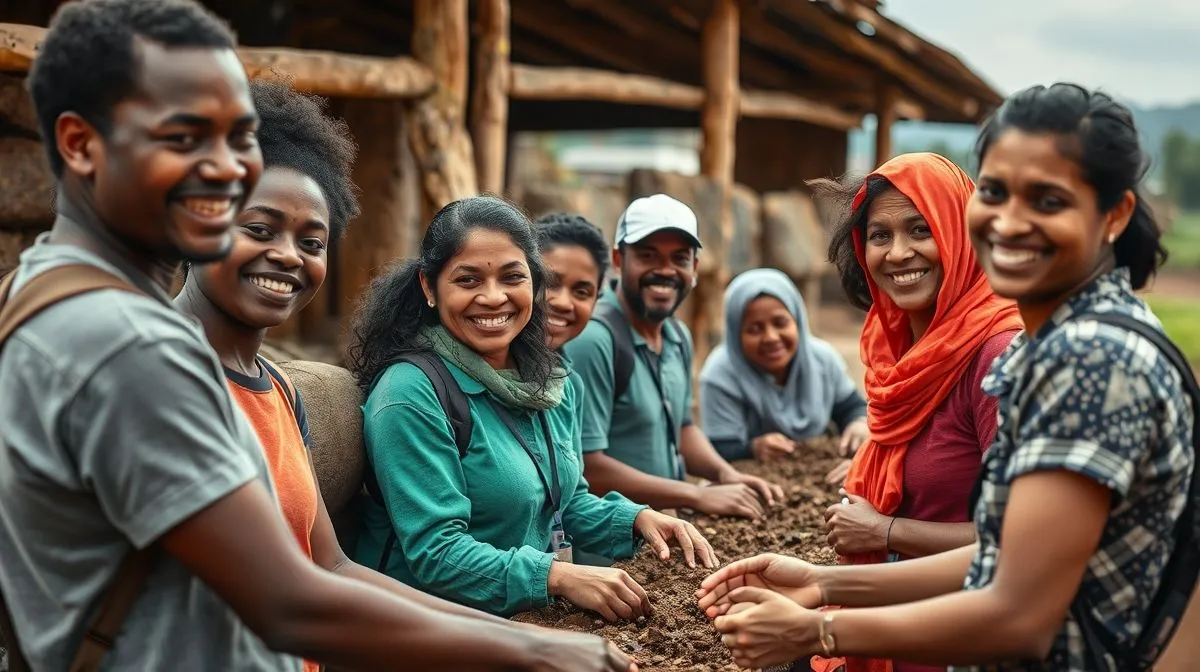
Imagine standing on a dusty path in a remote village, the sun warming your skin as you work alongside local residents, building something tangible, something that will genuinely improve lives. This isn't just a fantasy; it's the profound reality of responsible volunteer travel. Many dream of combining their wanderlust with a desire to make a positive impact, to contribute meaningfully beyond just being a tourist.
However, the landscape of volunteer travel is complex and, at times, fraught with challenges. The rise of 'voluntourism' has highlighted a critical problem: well-intentioned efforts can sometimes do more harm than good, creating dependency, undermining local economies, or even exploiting vulnerable populations. Navigating this intricate world to find truly ethical and impactful opportunities can feel overwhelming.
This comprehensive guide is designed to equip you with the knowledge and tools needed to cut through the noise. By the end of this article, you will understand the core principles of responsible volunteering, learn how to rigorously vet organizations, identify sustainable projects, and ultimately, discover how to choose responsible volunteer travel programs that align with your values and genuinely contribute to positive change.
Understanding Responsible Volunteer Travel: More Than Just Good Intentions
The term 'responsible volunteer travel' goes far beyond simply showing up and being willing to help. It encompasses a deep understanding of ethical considerations, community needs, and long-term sustainability. It's about ensuring that your presence and efforts are a genuine asset, not a burden or an unintentional detriment.
What is Responsible Volunteering?
Responsible volunteering is rooted in the principle of do no harm. It prioritizes the needs and autonomy of the host community above the volunteer's experience. It means engaging in projects that are community-led, sustainable, and aim to build local capacity rather than create dependency. It's about cultural exchange, learning, and humility.
The Pitfalls of "Voluntourism"
"Voluntourism," a portmanteau of volunteer and tourism, often describes short-term, feel-good trips that prioritize the volunteer's experience over genuine community benefit. These programs can inadvertently lead to:
- Dependency: Communities becoming reliant on external aid rather than developing self-sufficiency.
- Unskilled Labor: Volunteers performing tasks that locals could, or should, be paid for, displacing local employment.
- Exploitation: Particularly in orphanages or childcare, where children may be exploited to attract volunteers.
- Unsustainable Projects: Initiatives that crumble once volunteers leave because they weren't designed for long-term local management.
- Cultural Misunderstandings: Lack of adequate cultural preparation leading to disrespect or inappropriate behavior.
Key Principles of Responsible Volunteering
To truly make a difference, a responsible volunteer program should adhere to these core principles:
- Community-Led: Projects are initiated and managed by the local community, addressing their self-identified needs.
- Sustainable Impact: Contributions lead to lasting positive change, building local capacity and knowledge.
- Ethical Conduct: Strict policies against exploitation, especially involving children and vulnerable populations.
- Transparency: Clear communication about how funds are used and the real impact of the program.
- Skill-Matching: Volunteers' skills are genuinely needed and appropriate for the tasks.
- Cultural Sensitivity: Comprehensive pre-departure and in-country training on local customs and norms.
Researching Organizations: Digging Deep Beyond the Brochures
The first and most critical step in determining how to choose responsible volunteer travel programs is thorough research into the organizations themselves. Don't just rely on glossy websites and appealing testimonials. Dig deeper.
Transparency and Accountability
A reputable organization will be transparent about its operations, finances, and impact. Look for:
- Public Financial Reports: Can you easily find annual reports detailing how donations and program fees are spent? Reputable non-profits often publish these.
- Impact Reports: Do they provide clear, measurable data on the outcomes of their projects? Vague statements like 'we helped many people' are red flags.
- Registration and Affiliations: Is the organization legally registered in its home country and, if applicable, in the host country? Are they affiliated with recognized ethical tourism or development bodies?
For guidance on assessing non-profit organizations, resources like Charity Navigator (primarily US-focused) or similar regional watchdog sites can provide valuable insights into financial health and accountability.
Community Ownership and Local Leadership
The hallmark of a truly responsible program is that the community itself drives the initiatives. Ask:
- Are local staff in leadership positions, or are they primarily foreign-run?
- Were the projects initiated by the community, or were they imposed by the organization?
- How are community members involved in the planning, implementation, and evaluation of projects?
An organization that truly empowers locals will emphasize their voices and leadership, ensuring that projects address genuine, self-identified needs.
Questions to Ask a Volunteer Organization
When you contact potential organizations, be prepared with specific questions:
- "How are your projects identified and initiated? Is there direct community consultation?"
- "What percentage of my program fee goes directly to the local project, and what covers administrative costs?"
- "What is the average length of stay for volunteers, and what is your return volunteer rate?"
- "Can you provide references from past volunteers or, ideally, from local community leaders?"
- "What are your policies on child protection and vulnerable populations?"
- "What training and orientation do you provide before and during the program?"
Project Focus and Sustainability: Ensuring Real Impact
Once you've vetted the organization, the next crucial step in determining how to choose responsible volunteer travel programs is to scrutinize the projects themselves. Are they truly effective and sustainable?
Identifying Genuine Needs vs. Imposed Projects
Responsible projects address a clear, identified need within the community, rather than creating a project simply for volunteers to do. Be wary of programs that:
- Displace Local Labor: If you're building a wall, could a local mason be paid to do it? If you're teaching English, are there qualified local teachers who need employment?
- Create Dependency: Projects that rely indefinitely on foreign volunteer input without a clear exit strategy for local self-sufficiency.
- Lack of Skill Match: Programs that let unskilled volunteers perform complex tasks (e.g., medical procedures, advanced construction) without proper supervision or training.
Focus on programs where your skills are genuinely needed and complement, rather than replace, local expertise. For instance, if you're a skilled carpenter, assisting with a specific building project might be appropriate, but only if local carpenters are involved and benefit from the exchange.
Long-Term Sustainability
A truly impactful project is one that continues to thrive long after the volunteers have departed. Ask:
- What is the long-term plan for this project?
- How is the community being trained to manage and sustain the initiative independently?
- Are there clear indicators of success and how are they measured over time?
For example, a sustainable education project might focus on training local teachers, developing locally relevant curricula, or improving school infrastructure in a way that is maintainable by the community, rather than simply having foreign volunteers teach for a few weeks.
Ethical Considerations: Protecting Vulnerable Populations and Environments
Ethical considerations are paramount in responsible volunteer travel. Your presence, however well-intentioned, can have profound effects on the local community and environment. Understanding these nuances is key to knowing how to choose responsible volunteer travel programs.
Child Protection Policies
Volunteering with children, particularly in orphanages, requires extreme caution. Many organizations now advocate against orphanage volunteering due to the documented harm it can cause, including:
- Attachment Disorders: Children forming bonds with transient volunteers, leading to emotional distress when volunteers leave.
- Orphanage Tourism: The creation of 'orphanages' to attract foreign aid and volunteers, sometimes even involving children who have living relatives.
- Lack of Vetting: Inadequate background checks on volunteers, potentially exposing children to harm.
If you wish to help children, consider supporting programs that focus on community-based family reunification, education, or support for local schools and youth centers, rather than direct care in residential institutions. Always ensure the organization has robust child protection policies, including thorough background checks for all volunteers. UNICEF provides extensive information on the harms of institutional care for children and promotes family-based alternatives. Their work on child protection is a critical resource for understanding these issues. See more at UNICEF Child Protection.
Environmental Impact
Your travel and activities will have an environmental footprint. A responsible program will encourage and adhere to environmentally friendly practices:
- Waste Management: How does the program handle waste and recycling?
- Resource Conservation: Are water and energy conserved?
- Local Sourcing: Do they prioritize locally sourced food and materials to reduce carbon footprint?
- Conservation Projects: If involved in conservation, are the methods scientifically sound and locally appropriate?
Look for organizations that demonstrate a commitment to minimizing their environmental impact and educate volunteers on sustainable practices.
Cultural Sensitivity and Respect
Understanding and respecting local culture is non-negotiable. A responsible program will provide:
- Pre-departure Cultural Training: Information on local customs, dress codes, communication styles, and social etiquette.
- Language Basics: Encouragement or basic instruction in the local language.
- In-country Orientation: Ongoing support and guidance to navigate cultural differences.
Be prepared to be a learner, not a teacher, in cultural matters. Your role is to adapt, listen, and respect, not to impose your own cultural norms.
Vetting Program Logistics and Support: Your Safety and Preparedness
Beyond the ethical and impact considerations, practical logistics and the level of support provided by the organization are vital for a safe and productive experience. This is another key area when considering how to choose responsible volunteer travel programs.
Pre-Departure Support and Training
A good organization will not just send you off with a plane ticket. They will provide:
- Comprehensive Information Packs: Details on your project, accommodation, local area, safety, health, and cultural norms.
- Orientation Sessions: Online or in-person sessions to prepare you for your role and the local context.
- Visa and Travel Advice: Assistance with necessary documentation and travel arrangements.
This preparation ensures you arrive feeling confident and informed, ready to contribute effectively.
In-Country Support
Once you're on the ground, the quality of in-country support is paramount:
- Local Staff: Are there dedicated, experienced local coordinators or staff members available for support?
- Emergency Protocols: Is there a clear emergency plan, including medical emergencies and political instability? What is their communication system?
- Accommodation and Food: Is the accommodation safe and appropriate? Are meals provided or is there access to safe food preparation?
- Transportation: How will you get to and from your project site safely?
A responsible organization prioritizes your safety and well-being as much as the project's success.
Costs and Fees Transparency
Volunteer programs often come with fees, which cover everything from accommodation and food to in-country support and project contributions. Transparency here is key. Ask for a detailed breakdown of what your fees cover. A significant portion should ideally go directly to the project and local community, rather than being absorbed by administrative overheads or excessive profit margins. Be wary of programs that are unusually cheap or unusually expensive without clear justification.
According to a study on volunteer tourism economics published in the Journal of Sustainable Tourism, a significant portion of program fees in ethical organizations often covers local staff salaries, community resources, and project materials, ensuring direct benefit to the host country. For more in-depth research on the economics of volunteer travel, academic databases like JSTOR or university libraries can provide access to peer-reviewed articles on the subject.
Post-Travel Reflection and Continued Engagement
Your journey doesn't end when you return home. Responsible volunteer travel encourages ongoing reflection and engagement, transforming a single trip into a lifelong commitment to ethical global citizenship.
Reflecting on Your Impact
Take time to process your experience. Journaling, discussing with others, and critically evaluating your contributions can help you understand the nuances of your impact. Consider:
- What did you learn about the community and yourself?
- Were your expectations met? Exceeded? Challenged?
- How can you apply the lessons learned to your daily life?
Many organizations encourage volunteers to share their experiences responsibly, highlighting the community's strengths and needs rather than portraying them as helpless victims.
Becoming an Advocate
Your experience can make you a powerful advocate for responsible travel and global development. Share your insights with friends, family, and online communities. Educate others on the importance of ethical considerations when choosing volunteer opportunities. Support organizations that are truly making a difference, even if you can't travel again immediately. Your voice can help shape a more responsible future for volunteer travel.
Frequently Asked Questions (FAQ)
Is volunteer travel expensive? Volunteer travel can range from relatively inexpensive to quite costly, depending on the program, duration, and destination. Fees typically cover accommodation, food, in-country support, and a contribution to the project itself. Researching what's included in the fee and comparing programs is essential.
How do I know if a program is legitimate? Look for transparency in finances, clear impact reports, community-led projects, strong ethical policies (especially child protection), and positive reviews from past volunteers and local partners. Don't hesitate to ask specific, probing questions.
Can I volunteer without specific skills? Yes, many programs welcome enthusiastic volunteers without specialized skills, particularly for tasks like general labor, teaching English (if you're a native speaker), or environmental conservation. However, programs that require specific professional skills (e.g., medical, engineering) will typically ask for relevant qualifications.
What's the difference between voluntourism and responsible volunteering? Voluntourism often prioritizes the volunteer's experience and can inadvertently create dependency or displace local jobs. Responsible volunteering, conversely, focuses on genuine community needs, long-term sustainability, local leadership, and ethical conduct, ensuring the community benefits most.
How long should a volunteer trip be? While short trips can be beneficial for some tasks, longer stays (several weeks to months) generally allow for deeper integration, more meaningful contributions, and a better understanding of the local context. This often leads to a more significant and sustainable impact.
Recommended Reading
- Conquer Your Fears: Solo Dining Tips for Shy Travelers Revealed
- Mastering Your First Art Festival: Essential Tips for Attendees
- Unlock Serenity: Your Ultimate Guide to Finding True Peace & Relaxation on the Beach
- Mastering Meals: How to Prepare Food for Long Train Journeys with Ease
- Unveiling the Secrets: What Makes a Safari Truly Luxurious Experience?
Conclusion
Embarking on a volunteer travel journey can be one of the most rewarding experiences of your life, offering unparalleled opportunities for personal growth and genuine contribution. However, the true value of your efforts hinges entirely on your ability to discern and how to choose responsible volunteer travel programs. By prioritizing transparency, community ownership, ethical practices, and sustainable impact, you move beyond mere good intentions to become a force for truly positive change.
Remember, responsible volunteering is not just about what you do, but how and why you do it. It's an ongoing commitment to learning, respecting, and empowering the communities you engage with. Approach your next adventure with diligence and an open heart, and you will not only enrich your own life but also contribute meaningfully to a more equitable and sustainable world.




Your email address will not be published. Required fields are marked *