


Overwhelmed by budget travel? How professionals save big money.
For over two decades in the travel industry, I've witnessed countless aspiring adventurers throw in the towel on their travel dreams, not due to lack of desire, but due to an overwhelming sense of financial dread. The internet is awash with generic 'budget tips,' yet many still feel paralyzed, believing that saving significant money means sacrificing comfort, safety, or the very essence of the travel experience.
The common pain point I observe is a feeling of being adrift in a sea of conflicting advice, coupled with the misconception that 'budget travel' equates to 'backpacking in a dorm room.' This isn't just about finding the cheapest flight; it's about strategic decision-making, understanding value, and leveraging insider knowledge to create rich, fulfilling experiences without breaking the bank. Many professionals, accustomed to efficiency and smart investments in their careers, find this unstructured approach to travel budgeting particularly frustrating.
This article isn't another list of superficial hacks. Instead, I’ll share the definitive frameworks, actionable strategies, and professional insights that seasoned travelers and industry experts use to genuinely save big money. You'll learn how to approach budget travel with the same strategic acumen you apply to your professional life, transforming overwhelm into empowered exploration.
The Mindset Shift: From Scarcity to Strategic Abundance
The first and most crucial step in mastering budget travel, as any professional will tell you, is a fundamental shift in mindset. Many approach budget travel from a place of scarcity – focusing on what they 'can't have.' This often leads to feelings of deprivation and ultimately, burnout.
What I've seen work consistently is embracing a mindset of strategic abundance. This means understanding that saving money isn't about cutting corners on every single thing, but rather about making conscious choices that align with your travel priorities and values. It’s about being intentional with every dollar, ensuring it maximizes your experience.
Prioritizing Experiences Over Possessions
True professionals understand the difference between cost and value. When it comes to travel, this often means prioritizing immersive experiences – a local cooking class, a guided hike, a cultural festival – over material souvenirs or luxury amenities that add little to your core travel narrative. I always advise my clients to identify their 'non-negotiables' and 'negotiables' early on.
“Budget travel isn't about spending less; it's about spending smarter. It’s about aligning your expenditures with your deepest travel desires, not just the lowest price tag.” – Industry Expert Insight
By focusing your budget on what truly enriches your journey, you naturally find areas to cut back without feeling deprived. This mindful allocation of resources is a hallmark of professional budgeting in any field.
Masterful Planning: The Blueprint for Big Savings
In my experience, the single biggest differentiator between those who save big and those who merely 'try' to save is the depth and foresight of their planning. Professionals don't just hope for savings; they engineer them. This means detailed research and proactive decision-making long before departure.
The "Pre-Trip Audit": Uncovering Hidden Costs
Just as a business conducts an audit to identify inefficiencies, a savvy traveler performs a "pre-trip audit" to unearth potential cost savings and avoid common pitfalls. This goes beyond simply listing expenses; it involves questioning assumptions and exploring alternatives.
- Transportation Audit: Are there cheaper airports nearby? Could a train be more cost-effective and scenic than a flight for part of the journey?
- Accommodation Audit: Beyond hotels, have you considered hostels, guesthouses, house-sitting, or home exchanges?
- Activity Audit: Which attractions offer free entry days? Are there local walking tours or community events that provide authentic experiences at no cost?
- Food Audit: What are typical meal costs? Can you self-cater some meals or rely on local markets?
- Connectivity Audit: What are the costs for international roaming, or is a local SIM card a better option?
This comprehensive approach allows you to build a realistic and optimized budget from the ground up, rather than reacting to costs as they arise. It’s a proactive stance that consistently yields significant savings.
| Category | Estimated Cost | Pro Strategy Savings | Potential Savings |
|---|---|---|---|
| Flights | $800 | Book 3-6 months out, use incognito, flexible dates | $250 |
| Accommodation | $1000 | Hostels, Airbnb, house-sitting, off-peak | $400 |
| Food | $500 | Local markets, street food, self-catering | $200 |
| Activities | $300 | Free walking tours, public parks, museum free days | $150 |
| Local Transport | $150 | Public transport passes, walking, cycling | $75 |
| Miscellaneous | $200 | Emergency fund, travel insurance, no impulse buys | $50 |
Leveraging Off-Peak & Shoulder Seasons
One of the most impactful strategies professionals employ is the strategic timing of their travel. Simply shifting your dates by a few weeks can unlock dramatic savings on flights, accommodation, and even popular attractions. Off-peak and shoulder seasons (the periods just before or after peak season) offer a sweet spot:
- Lower Prices: Demand is lower, leading to reduced costs across the board.
- Fewer Crowds: Enjoy popular destinations without the throngs of tourists.
- Authentic Experience: Interact more with locals and experience a destination's true rhythm.
According to a study published by Forbes Advisor, flexibility with travel dates can save travelers up to 30% on airfare alone. This isn't just about avoiding holidays; it's about understanding the seasonal rhythms of your chosen destination and planning accordingly.

Airfare & Accommodation: The Strategic Procurement Playbook
These two categories typically represent the largest portion of any travel budget. Professionals approach them not as unavoidable expenses, but as procurement challenges demanding smart strategy and execution.
Dynamic Pricing & The Incognito Advantage
Airline and hotel pricing is notoriously dynamic, changing based on demand, time of day, and even your browsing history. I've seen this firsthand; a flight can literally increase in price while you're still considering it. To combat this:
- Browse in Incognito Mode: Always search for flights and accommodations using your browser's incognito or private browsing mode. This prevents cookies from tracking your searches and potentially inflating prices based on your interest.
- Be Flexible with Dates: Use tools like Google Flights 'explore' map or Skyscanner's 'whole month' view to identify the cheapest days to fly. Even shifting your departure by a day or two can save hundreds.
- Book at the Optimal Time: General advice suggests booking international flights 3-6 months in advance and domestic flights 1-3 months out, but research specific routes for best results.
- Consider Alternative Airports: Always check prices for airports within a reasonable distance of your primary destination.
This proactive approach to flight and accommodation booking is a cornerstone of how professionals save big money. It's about being smarter than the algorithms.
Beyond Hotels: Smart Accommodation Choices
While hotels offer convenience, they often come at a premium. Diversifying your accommodation strategy is key to significant savings.
- Hostels (Private Rooms): Modern hostels offer private rooms with en-suite bathrooms that are often cleaner, more social, and significantly cheaper than budget hotels.
- Airbnb/VRBO: Renting an apartment or room can provide amenities like a kitchen, allowing for self-catering and further food savings. Look for 'superhosts' for reliability.
- House-Sitting: Websites like TrustedHousesitters connect travelers with homeowners needing care for their homes and pets. You get free accommodation in exchange for responsibilities.
- Home Exchanges: Swap homes with another traveler for a truly free stay. This requires more planning but offers immense value.
- Guesthouses/B&Bs: Often locally owned, these can offer a more authentic experience and better value than chain hotels, especially in non-major cities.
Each option presents a unique blend of cost, comfort, and cultural immersion. The key is to match the accommodation type to your travel style and budget for each leg of your journey. For more insights on booking best practices, I often refer to resources like NerdWallet's guide on flight booking timing, which aggregates data-driven advice.
Local Immersion: Eating, Moving, and Experiencing Like a Local
One of the biggest budget leaks for many travelers is adopting tourist-centric spending habits once they arrive. Professionals understand that true savings and authentic experiences often come from living more like a local.
Culinary Hacks: Markets, Street Food & Self-Catering
Food is a significant daily expense. Instead of defaulting to tourist traps or expensive restaurants for every meal, embrace local culinary habits:
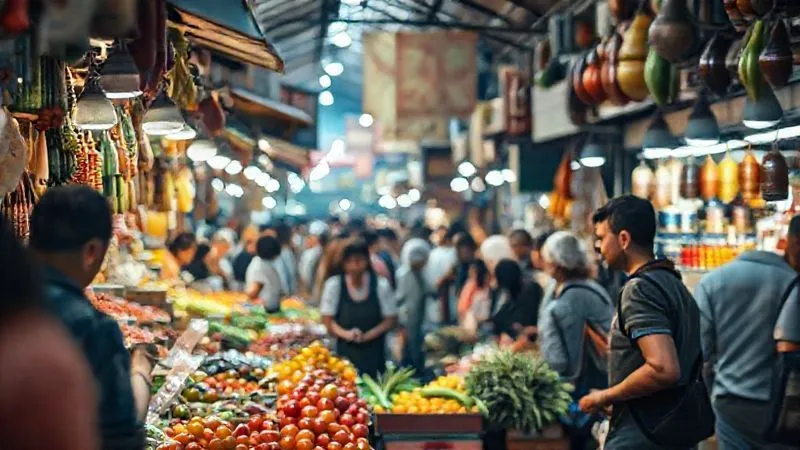
- Local Markets: Visit farmers' markets or local grocery stores to buy fresh produce, bread, and local delicacies. This is often an experience in itself and allows for budget-friendly breakfasts, lunches, and even simple dinners.
- Street Food: In many cultures, street food is not only incredibly delicious but also incredibly cheap. Look for stalls with long lines of locals – a sure sign of quality and value.
- Self-Catering: If your accommodation has a kitchen, utilize it! Cooking even a few meals can drastically reduce your food budget. Consider packing some non-perishable staples from home (e.g., instant coffee, tea bags, oatmeal).
- Lunch Specials: Many restaurants offer more affordable lunch menus compared to their dinner offerings.
By integrating these habits, you not only save money but also gain a deeper appreciation for the local culture through its food. It's a win-win strategy for the discerning budget traveler.
Navigating Like a Native: Public Transport & Walking
Taxis, ride-shares, and private transfers can quickly deplete your budget. Embrace local transportation methods:
- Public Transport: Buses, subways, and trams are almost always the most economical way to get around. Purchase multi-day passes if available, as they often offer significant savings.
- Walking: Not only is walking free, but it's also the best way to discover hidden gems, soak in the atmosphere, and truly understand a city's layout. Always pack comfortable walking shoes.
- Cycling: Many cities offer bike-sharing programs or affordable bike rentals, providing a fun and healthy way to explore.
I often tell people that the most authentic way to experience a city is through its public transport network. You see life unfold, observe local interactions, and save a substantial amount of money compared to private options. This immersion is part of the 'professional' approach to budget travel – getting more value for your dollar and enriching your experience simultaneously.
Smart Money Management Abroad: Avoiding Hidden Fees
Even after meticulously planning flights and accommodation, hidden banking and currency exchange fees can quietly erode your savings. Professionals know how to navigate the international financial landscape to keep more money in their pockets.
The Best Travel Credit Cards & Debit Cards
Your choice of payment method can have a huge impact on your budget. Look for cards with these features:
- No Foreign Transaction Fees: This is paramount. Many credit and debit cards charge 2-3% on every international purchase. Opt for cards that waive these fees.
- ATM Fee Reimbursement: Some debit cards reimburse ATM fees charged by foreign banks, allowing you to withdraw local currency without penalty.
- Strong Security Features: Chip-and-PIN technology, fraud protection, and easy travel notifications are essential.
- Travel Rewards: While not strictly for saving, earning points or miles on your spending can contribute to future budget travel goals.
Always notify your bank of your travel plans to avoid having your cards flagged for suspicious activity. Having multiple card options (e.g., one credit, one debit) is a smart backup strategy.
Currency Exchange Wisdom
Avoid exchanging large sums of money at airport kiosks or tourist-heavy areas, as their exchange rates are often unfavorable. Instead:
- Use ATMs: Withdraw local currency from reputable ATMs (preferably inside a bank) using a no-foreign-transaction-fee debit card. This generally offers the best exchange rate.
- Pay in Local Currency: When offered the choice to pay in your home currency or the local currency (Dynamic Currency Conversion), always choose the local currency. Your bank will almost always offer a better exchange rate.
- Carry Small Bills: While cards are convenient, having small denominations of local currency is useful for street vendors, small shops, or situations where cards aren't accepted.
These seemingly small financial decisions add up, preserving your hard-earned savings. For a deeper dive into the best financial tools for international travel, I recommend checking out expert reviews on sites like The Points Guy.
The Power of Loyalty Programs & Travel Hacking
This is where the 'professional' aspect of saving big money truly shines. Savvy travelers don't just spend; they strategize every purchase to earn rewards that can be redeemed for free or heavily discounted travel. This isn't about being a casual points collector; it's about systematic travel hacking.
Accumulating Points & Miles Strategically
Understanding and leveraging loyalty programs is a game-changer. It requires patience and a bit of research, but the payoffs are immense.
- Airline Loyalty Programs: Enroll in programs for airlines you frequently fly, or those within the same alliance (e.g., Star Alliance, SkyTeam, Oneworld). Consolidate your points.
- Hotel Loyalty Programs: Similar to airlines, choose a program and stick with it to accrue status and benefits like free nights, upgrades, and late check-outs.
- Travel Credit Cards: Many credit cards offer lucrative sign-up bonuses (e.g., 50,000+ points) that can be enough for a free flight or several nights' stay. Maximize these bonuses responsibly.
- Everyday Spending: Use your travel rewards credit card for all your daily purchases to accumulate points passively.
The goal is to align your everyday spending with your travel goals, turning routine expenses into future adventures. This is a long-term strategy that requires discipline but delivers extraordinary value.
Case Study: How Sarah Saved $2,000 on Her European Trip
Sarah, a marketing professional, dreamed of a three-week trip through Italy and Greece but was daunted by the costs. Instead of just booking, she spent six months strategically accumulating points. She opened a travel rewards credit card offering a 60,000-point sign-up bonus after spending $3,000 in three months. She used this card for all her business expenses and groceries, easily hitting the minimum spend. She also consistently used the same airline alliance for her domestic work travel.
By the time her trip approached, Sarah had enough points to cover a round-trip flight from New York to Rome (saving approximately $900) and two nights in a premium hotel in Athens (saving $400). She then combined these with budget accommodation choices for the rest of her trip and utilized her no-foreign-transaction-fee debit card for all purchases. Her meticulous planning and points strategy ultimately saved her over $2,000, allowing her to extend her trip and enjoy more experiences without financial stress. This demonstrates how a professional, systematic approach to rewards can yield massive savings.
| Loyalty Program Type | Key Benefit | Best For |
|---|---|---|
| Airline Alliance (e.g., Star Alliance) | Consolidate miles across multiple airlines | Frequent international flyers |
| Hotel Chain (e.g., Marriott Bonvoy) | Free nights, elite status, upgrades | Those who prefer consistent hotel stays |
| Travel Rewards Credit Card | Large sign-up bonuses, flexible points redemption | Strategic spenders, points maximizers |
| Online Travel Agency (e.g., Expedia Rewards) | Earn points on flights, hotels, car rentals | Those who book various travel components together |
Unforeseen Circumstances: Building a Budget Buffer
Even the most meticulously planned budget can be derailed by unexpected events. Professionals understand the importance of contingency planning and risk mitigation. This means not just having an emergency fund, but also making smart investments like travel insurance.
Travel Insurance: An Investment, Not an Expense
Many budget travelers skip travel insurance, viewing it as an unnecessary cost. I've seen this mistake lead to devastating financial consequences countless times. A medical emergency abroad, a lost bag, or a canceled flight can quickly turn a budget trip into a financial nightmare. Travel insurance is an investment in peace of mind and financial protection.
- Medical Coverage: Ensures you're covered for accidents or illnesses abroad, which can be astronomically expensive.
- Trip Cancellation/Interruption: Reimburses non-refundable expenses if your trip is cut short or canceled due to covered reasons.
- Baggage Protection: Covers lost, stolen, or delayed luggage.
- Emergency Assistance: Provides 24/7 support for travel emergencies.
Always read the policy details carefully to understand what is and isn't covered. Compare different providers and choose a policy that aligns with your specific trip and risk tolerance. A small upfront cost can save you thousands later, embodying the professional principle of proactive risk management.

Frequently Asked Questions (FAQ)
Q: Is it possible to travel luxuriously on a budget? A: Absolutely, but it requires a redefined understanding of 'luxury.' Professionals often achieve 'affordable luxury' by strategically splurging on one or two high-impact experiences (e.g., a five-star meal, a unique cultural tour) while cutting back significantly on other areas like accommodation or daily transport. It's about selective indulgence, leveraging points for premium experiences, and finding value in unique, local offerings rather than generic opulence.
Q: How do I handle unexpected expenses when budget traveling? A: The key is a dedicated emergency fund, separate from your main travel budget. I always recommend having at least 10-15% of your total trip cost set aside specifically for unforeseen circumstances. This could be for a sudden flight change, an unexpected medical need, or even just a compelling last-minute experience that arises. Also, having a flexible credit card for emergencies, used only when absolutely necessary, provides a crucial safety net.
Q: What are the biggest mistakes budget travelers make that professionals avoid? A: The biggest mistakes are often a lack of planning, falling for tourist traps, and underestimating hidden costs. Professionals meticulously plan, research local prices and authentic experiences, and account for every potential expense from foreign transaction fees to airport transfers. They also avoid impulse purchases and always prioritize value over perceived convenience.
Q: How far in advance should I book things for budget travel? A: Generally, the earlier the better for major expenses like international flights (3-6 months) and popular accommodations. However, some last-minute deals can emerge. For budget travel, being flexible with dates and destinations is more important than a rigid booking window. For tours and activities, booking a few weeks in advance can secure better prices or ensure availability, especially for popular options.
Q: Can I really save money by booking direct vs. third-party sites? A: It depends. For flights, direct booking with airlines can sometimes offer better flexibility for changes or cancellations, and you deal directly with the carrier. For hotels, direct booking can sometimes secure loyalty points or special perks. However, third-party sites (OTAs) often have flash sales or bundle deals that can be significantly cheaper. Professionals check both, compare prices rigorously, and consider the 'total value' beyond just the dollar amount, including cancellation policies and loyalty benefits.
Key Takeaways and Final Thoughts
Overwhelmed by budget travel? How professionals save big money boils down to a blend of strategic mindset, meticulous planning, and smart execution. It's not about deprivation, but about intentionality and maximizing value at every turn. By adopting these expert strategies, you can transform your travel dreams into affordable realities.
- Shift Your Mindset: Embrace strategic abundance and prioritize experiences that genuinely matter to you.
- Plan with Precision: Conduct a "pre-trip audit" and leverage off-peak seasons for maximum savings.
- Master Procurement: Use incognito browsing, be flexible, and explore diverse accommodation options beyond traditional hotels.
- Live Like a Local: Eat street food, shop at markets, and utilize public transport for authentic, budget-friendly immersion.
- Manage Money Smartly: Use no-foreign-transaction-fee cards and understand currency exchange best practices.
- Hack Your Travel: Systematically earn and redeem points and miles through loyalty programs and travel credit cards.
- Prepare for the Unexpected: Build an emergency fund and invest in comprehensive travel insurance.
Remember, the world is waiting, and it doesn't have to cost a fortune to explore it deeply. By applying the same strategic thinking you use in your professional life to your travel planning, you'll not only save big money but also unlock richer, more fulfilling adventures. Go forth, explore wisely, and enjoy the journey!

Recommended Reading
- 7 Strategies: Prevent Career Stagnation After Volunteer Teaching Abroad
- 5 Adventure Spiritual Journeys: Combat Professional Burnout Effectively?
- Unveiling What to Expect as a Wildlife Rescue Volunteer Abroad
- 7 Steps: Carbon Neutral Business Travel Without Huge Costs?
- Why High-End Guests Bypass Rustic-Elegant Glamping: 5 Crucial Fixes




Your email address will not be published. Required fields are marked *