

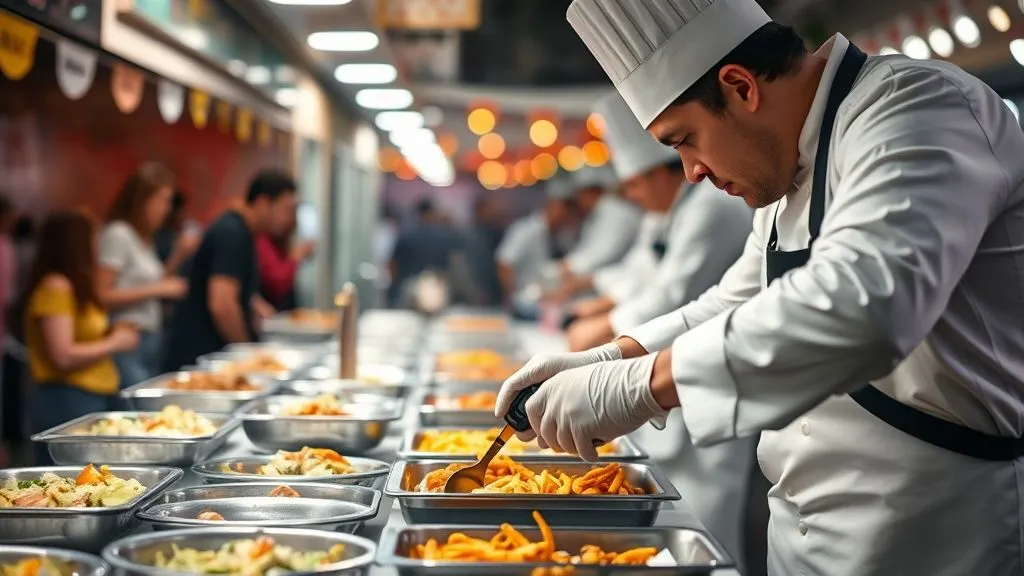
Preventing Health Code Violations at Food Festivals? Your Expert Guide to Flawless Operations
For over two decades in the vibrant world of food travel, I’ve witnessed the magic and mayhem of countless food festivals. I’ve seen culinary dreams take flight, and unfortunately, I’ve also seen promising events crumble under the weight of preventable health code violations. It’s a harsh reality: a single slip-up can jeopardize an entire festival’s reputation, financial stability, and most importantly, the public’s health.
The pain points are palpable: the stress of impending inspections, the fear of fines or closures, and the immense pressure to ensure every dish served is not just delicious, but unequivocally safe. Organizers often feel overwhelmed by the sheer volume of regulations, the transient nature of their operations, and the varied experience levels of their vendors.
But what if you could transform this anxiety into confidence? In this definitive guide, I’ll share the actionable frameworks, real-world insights, and expert strategies I’ve accumulated over years, specifically tailored for **preventing health code violations at food festivals**. We’ll delve into everything from proactive planning and vendor vetting to critical temperature control and meticulous documentation, ensuring your next event is a resounding success, free from the shadow of health code concerns.
Understanding the Regulatory Landscape: It's More Than Just Common Sense
Before any tent goes up or any skillet sizzles, the absolute first step for any festival organizer is to thoroughly understand the regulatory environment. It’s a common misconception that general food safety knowledge is sufficient. The truth is, temporary food establishments operate under a unique set of guidelines that often differ from permanent restaurants.
I’ve seen organizers make the costly mistake of assuming 'what works for a restaurant' applies directly to a festival. This oversight can lead to immediate violations, as health departments have specific requirements for temporary setups, mobile units, and the rapid, high-volume service typical of festivals.
Navigating Local Health Department Requirements
Every region, and sometimes even individual cities or counties, will have its own specific health codes and permit requirements for food festivals. It’s your responsibility to identify and adhere to these local mandates. Proactive engagement with your local health department is not just good practice; it's non-negotiable.
- Pre-Event Permit Applications: Begin this process well in advance. Understand the lead times and documentation required.
- Vendor Application Reviews: Your permit often depends on the compliance of your individual vendors. Ensure they submit their own permits and operational plans.
- Inspection Schedules and Checklists: Request any public inspection checklists or guidelines the health department uses. This provides a roadmap for what inspectors will be looking for.
- Understanding Specific Regulations: Pay close attention to rules regarding water sources, waste disposal, handwashing facilities, and power supply for temporary setups.
“The most effective strategy for preventing health code violations at food festivals begins with a deep, proactive dive into local regulations. Don’t wait for the inspector; become one yourself, metaphorically speaking, before they even arrive.”
For foundational guidance on food safety principles that often inform local regulations, you can refer to resources like the Centers for Disease Control and Prevention (CDC) food safety guidelines.
The Foundation of Food Safety: Site Planning and Infrastructure
A festival’s physical layout and supporting infrastructure are often overlooked yet absolutely critical components in **preventing health code violations at food festivals**. A poorly planned site can create bottlenecks for sanitation, compromise temperature control, and even facilitate pest infestations. From my vantage point, I’ve observed how a thoughtful site plan can be the silent hero of a smooth, compliant operation.
Critical Site Considerations for Temporary Food Establishments
When you’re laying out your festival grounds, think like a health inspector. Visualize the flow of food, people, and waste. Every element needs to support hygiene and safety.
- Adequate Spacing Between Stalls: Ensure enough room for safe food preparation, customer queues, and emergency access. Overcrowding leads to cross-contamination risks and hinders cleaning.
- Accessible Potable Water Supply: Each food vendor must have access to a safe, potable water supply for handwashing, food preparation, and equipment cleaning. This often means strategically placed water hookups or approved portable water tanks.
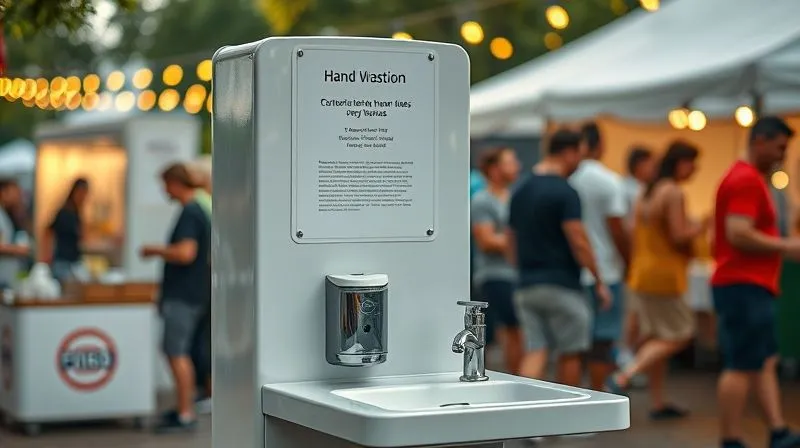
- Handwashing Stations: Beyond vendor stalls, place public handwashing stations with soap and paper towels in high-traffic areas. These are crucial for overall festival hygiene.
- Dedicated Warewashing Areas: If multi-use utensils are allowed, a designated three-compartment sink (wash, rinse, sanitize) or equivalent is mandatory.
- Effective Waste Management Plan: Plan for numerous, easily accessible, lidded waste bins that are frequently emptied. Designate a remote, secure area for waste collection prior to off-site disposal.
- Power Supply Reliability: Ensure consistent, sufficient power for refrigeration, hot holding, and lighting. Power fluctuations are a direct threat to temperature-sensitive foods.
Vendor Vetting & Training: Your First Line of Defense
Your vendors are the face of your festival’s culinary offerings, and their practices directly reflect on your event’s commitment to safety. Trusting that every vendor inherently knows and follows health codes is a gamble I would never advise taking. A rigorous vetting process combined with comprehensive training is paramount for **preventing health code violations at food festivals**.
Establishing a Robust Vendor Vetting Process
I’ve learned that a strong application process weeds out potential problems before they even set foot on your grounds. This isn't just about delicious food; it's about demonstrable commitment to safety.
- License and Permit Verification: Require copies of all current food service licenses, permits, and any specific temporary event permits they’ve obtained.
- Previous Inspection Records: Ask for recent health inspection reports. Consistent violations are a red flag.
- Menu Review and Approval: Review menus for high-risk items that require complex preparation or extensive temperature control. Ensure vendors have a plan for these.
- Operational Plan Submission: Request a detailed plan outlining their food handling, storage, cooking, and cleaning procedures for the festival.
- Insurance and Liability: Verify adequate insurance coverage, which is crucial for mitigating risks.
Mandatory Food Safety Training for All Staff
Even the most experienced chefs can benefit from a refresher, especially when adapting to a festival environment. Training should be a continuous process, not a one-off event.
- Certification Requirements: Mandate that a certain percentage, or all, of a vendor’s staff hold recognized food safety certifications (e.g., ServSafe or equivalent).
- Pre-Festival Briefings: Conduct a mandatory briefing for all vendor leads, covering festival-specific health code expectations, emergency procedures, and contact information.
- On-Site Refresher Training: Consider brief, daily huddles to reinforce key safety messages and address any emerging concerns.
- Designated Food Safety Point Person: Require each vendor to designate a staff member responsible for overseeing food safety compliance at their stall.
| Compliance Area | Requirement | Verification Method |
|---|---|---|
| Vendor License/Permit | Current & Valid | Copy of document |
| Health Inspection History | Satisfactory (last 2 years) | Submitted reports |
| Food Safety Certification (Staff) | Minimum 1 certified staff per shift | Copy of certification |
| Operational Plan | Detailed & Approved | Submitted document review |
| Insurance Coverage | Valid General Liability | Certificate of Insurance |
Temperature Control: The Non-Negotiable Core of Food Safety
In the realm of food safety, temperature control is king. The 'danger zone' – temperatures between 41°F (5°C) and 135°F (57°C) – is where harmful bacteria multiply rapidly. At a bustling food festival, maintaining safe temperatures for both hot and cold foods presents unique challenges, but it's where meticulous attention to detail truly pays off in **preventing health code violations at food festivals**.
Mastering Hot and Cold Holding Temperatures
Every step of the food journey, from receiving ingredients to serving the final dish, must be monitored for temperature. I've seen too many festivals fall short here, often due to inadequate equipment or lax monitoring.
- Receiving: All perishable ingredients must arrive at safe temperatures (e.g., cold foods below 41°F, hot foods above 135°F). Reject anything outside these ranges.
- Storage: Use sufficient refrigeration and freezer capacity. Ensure cold-holding units are consistently at or below 41°F. Hot-holding units must maintain food at or above 135°F.
- Preparation: Minimize the time food spends in the danger zone during preparation. Work in small batches and return ingredients to temperature control quickly.
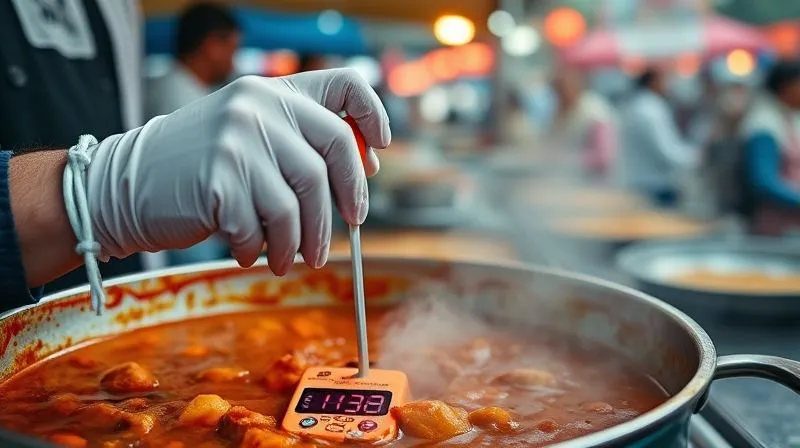
- Cooking: Cook foods to their required internal temperatures (e.g., poultry to 165°F, ground meat to 155°F). Use calibrated thermometers.
- Serving: Hot foods must remain hot (135°F+) and cold foods cold (41°F-). Regularly monitor and log these temperatures.
- Cooling: If foods are prepared in advance for later service, they must be cooled rapidly from 135°F to 70°F within 2 hours, and then from 70°F to 41°F within an additional 4 hours.
“Never underestimate the power of a calibrated thermometer. It’s not just a tool; it’s your frontline defense against foodborne illness and a non-negotiable requirement for compliant food service.”
Case Study: How 'Spice Route Fest' Averted a Major Incident
At a large international food festival, 'Spice Route Fest,' a vendor preparing a popular chicken curry had an unexpected power surge, causing their hot-holding unit to drop below 135°F for a brief period. Thanks to their rigorous hourly temperature logging protocol, the vendor's designated food safety lead immediately noticed the dip. Following their pre-established critical control point plan, they promptly discarded the affected batch of curry, preventing any potential bacterial growth and subsequent risk to festival-goers. This quick, documented action not only saved them from a potential health violation but, more importantly, safeguarded their customers' health and the festival's reputation. It demonstrated a clear understanding of **preventing health code violations at food festivals** in real-time.
Hygiene & Sanitation: Keeping It Pristine from Prep to Plate
Beyond temperature, personal hygiene and overall sanitation are the bedrock of any safe food operation, especially at food festivals where open-air environments and high traffic can introduce additional risks. As an industry specialist, I’ve often observed that seemingly minor lapses in hygiene can escalate into significant health code violations. It's about creating a culture of cleanliness that permeates every action.
Personal Hygiene Protocols for Food Handlers
The human element is often the weakest link if not properly managed. Every person handling food must adhere to strict personal hygiene standards.
- Frequent and Proper Handwashing: This is the single most important defense. Handwashing stations with warm running water, soap, and paper towels must be readily available and used frequently – especially after using the restroom, handling raw meat, or touching anything unsanitized.
- Glove Use: Gloves should be worn when handling ready-to-eat foods and changed frequently, especially between tasks or after contamination. Gloves are not a substitute for handwashing.
- Clean Uniforms/Attire: All food handlers should wear clean outer garments, hair restraints (hats, hairnets), and appropriate footwear.
- Sick Policy: Any staff member exhibiting symptoms of illness (e.g., vomiting, diarrhea, fever, jaundice) must be excluded from food handling duties.
- Avoid Bare-Hand Contact: Where possible, use utensils, tongs, or deli paper to handle ready-to-eat foods.
Preventing Cross-Contamination: A Multi-Pronged Approach
Cross-contamination is the silent enemy, easily transferring harmful bacteria from one food item or surface to another. Vigilance is key.
- Separate Raw and Ready-to-Eat Foods: Store raw meats, poultry, and seafood below ready-to-eat foods in refrigeration to prevent drips. Use separate cutting boards, utensils, and containers.
- Designated Work Areas: If space allows, designate separate areas for raw food preparation and cooked food preparation.
- Sanitized Equipment and Surfaces: All food contact surfaces, equipment, and utensils must be regularly cleaned and sanitized using approved sanitizers at the correct concentrations.
- Color-Coded Systems: Implement color-coded cutting boards and utensils for different food types (e.g., red for raw meat, yellow for raw poultry, green for produce) to visually prevent cross-contamination.
For detailed sanitation standards and best practices, organizations like NSF International provide invaluable resources on food safety and public health.
Waste Management & Pest Control: Often Overlooked, Always Critical
In the bustling, open-air environment of a food festival, waste management and pest control are not just about aesthetics; they are fundamental to public health and crucial for **preventing health code violations at food festivals**. A festival with overflowing bins or visible pests quickly loses its appeal and becomes a breeding ground for health risks. In my experience, these areas are often underestimated until a problem arises.
Effective Waste Segregation and Disposal Strategies
A proactive and efficient waste management plan is essential. It minimizes odors, deters pests, and maintains a clean environment.
- Sufficient, Lidded Bins: Provide an ample number of waste bins with tight-fitting lids at every vendor stall and throughout the public areas of the festival.
- Frequent Emptying Schedule: Establish a clear schedule for emptying bins, especially during peak hours. Assign dedicated staff for this task.
- Segregation: Encourage or mandate segregation of recyclables, compostables, and general waste where feasible, to streamline disposal and reduce overall volume.
- Designated Waste Collection Area: Set up a secure, enclosed, and regularly cleaned area away from food preparation zones for temporary waste storage before off-site removal.
- Proper Grease Disposal: Have a specific plan for grease and oil disposal, preventing it from entering stormwater drains or accumulating on site.
Proactive Pest Management at Open-Air Events
Flies, rodents, and other pests are attracted to food and waste. Their presence is a direct health code violation and a massive deterrent for attendees.
- Site Cleanliness: The most effective pest control is impeccable cleanliness. Promptly clean up spills and food debris.
- Screening: Where possible, use screens on food preparation areas or storage tents to deter flying insects.
- Traps: Strategically place appropriate traps (e.g., fly traps, rodent traps) away from public and food preparation areas.
- Vendor Compliance: Ensure vendors keep their stalls clean, food covered, and waste contained within their designated areas.
Documentation & Record-Keeping: Your Paper Trail to Success
In the world of food safety, if it wasn't documented, it didn't happen. Meticulous record-keeping is not just bureaucratic red tape; it's your primary evidence of compliance and a critical tool for **preventing health code violations at food festivals**. It demonstrates diligence to health inspectors and provides a historical account for continuous improvement. I’ve seen robust documentation save festivals from significant penalties, proving due diligence even when minor issues occurred.
Maintaining Comprehensive Food Safety Records
Every critical control point, every cleaning schedule, and every training session should have a corresponding record. This paper trail is your defense.
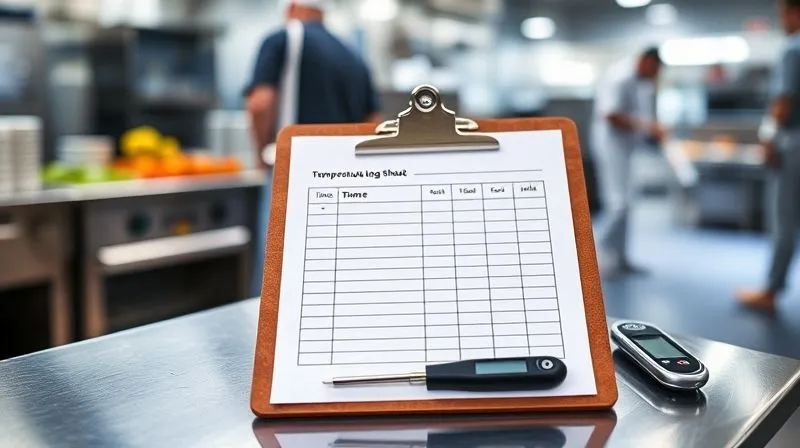
- Temperature Logs: Maintain detailed logs of cold-holding, hot-holding, and cooking temperatures, taken at regular intervals throughout the event. Include dates, times, temperatures, and the initials of the staff member who took the reading.
- Cleaning and Sanitization Schedules: Document when and how equipment, surfaces, and facilities were cleaned and sanitized.
- Staff Training Records: Keep records of all food safety training completed by staff, including certifications and attendance at pre-festival briefings.
- Receiving Logs: Document incoming food deliveries, noting temperatures and condition of goods upon arrival.
- Incident Reports: Any food safety-related incidents (e.g., equipment malfunction, illness complaint, pest sighting) should be thoroughly documented, including actions taken.
- Pest Control Logs: If pest control services are utilized, maintain their service reports.
| Date | Time | Item | Temp (°F) | Action | Initials |
|---|---|---|---|---|---|
| 2024-07-20 | 10:00 AM | Chicken Curry | 158 | OK | JS |
| 2024-07-20 | 11:00 AM | Refrigerated Deli Meats | 39 | OK | KM |
| 2024-07-20 | 12:00 PM | Pulled Pork (Hot Hold) | 132 | Reheat to 165°F | JS |
| 2024-07-20 | 01:00 PM | Fresh Produce Cooler | 40 | OK | KM |
Pre-Inspection & During-Inspection Strategies: Be Ready, Be Confident
The moment a health inspector arrives can be nerve-wracking, but with proper preparation and a confident approach, it can be a smooth process. My advice, honed over years of observing and advising, is to treat every moment leading up to and during an inspection as an opportunity to showcase your commitment to safety. This proactive mindset is key to **preventing health code violations at food festivals**.
Conducting Internal Audits Before the Health Inspector Arrives
Don't wait for the official inspection. Conduct your own, even more rigorous, internal audits. Think of it as a dress rehearsal.
- Self-Inspection Checklists: Develop a comprehensive checklist based on your local health department’s guidelines and use it to perform daily or even hourly checks.
- Mock Audits: Assign a trusted staff member to conduct a 'mock inspection' of all vendor stalls and common areas, looking for potential issues with a critical eye.
- Address Deficiencies Immediately: Any issues identified during internal audits must be rectified promptly and documented.
- Review Documentation: Ensure all required logs, permits, and training records are up-to-date, complete, and easily accessible.
Navigating the Official Health Inspection Process
When the inspector arrives, your calm, organized approach can make a significant difference. Remember, they are there to ensure public safety, and you are there to demonstrate your compliance.
- Designate a Point Person: Have one knowledgeable and confident individual (e.g., the festival manager or food safety lead) accompany the inspector.
- Be Cooperative and Transparent: Answer all questions honestly and provide requested documentation without hesitation. Don't hide anything.
- Take Notes: Jot down any observations, recommendations, or violations noted by the inspector. This helps with follow-up.
- Ask for Clarification: If you don't understand a comment or a violation, politely ask for clarification. This shows a willingness to learn and comply.
- Correct Minor Issues On-Site: If a minor issue can be corrected immediately (e.g., closing a bin lid, adjusting a temperature), do so in front of the inspector.
- Follow Up: For any significant violations, ensure you understand the required corrective actions and timelines. Document your follow-up.
Investing in certified food safety training programs for your key staff can significantly boost confidence and compliance during inspections. Organizations like the FDA provide Food Code guidance that can be incredibly helpful.
Frequently Asked Questions (FAQ)
Q: What are the most common health code violations at food festivals? A: In my experience, the most frequent violations include inadequate temperature control (foods in the danger zone), improper handwashing or lack of handwashing facilities, cross-contamination between raw and cooked foods, lack of pest control, and insufficient waste management. Often, these stem from a lack of proper training or oversight in a fast-paced, temporary environment.
Q: How can small festivals with limited budgets ensure compliance? A: Even with limited resources, focus on the fundamentals: a rigorous vendor vetting process, mandatory basic food safety training for all staff, clear communication of expectations, and a simple but strict temperature logging system. Leverage volunteers for tasks like waste management and handwashing station upkeep. Proactive communication with the local health department for guidance is also free and invaluable.
Q: What should I do if a health inspector identifies a critical violation during my event? A: Immediately acknowledge the violation and ask for clear instructions on the corrective action required. If possible, correct it on the spot. If it involves discarding food, do so without hesitation. Document everything – the violation, the corrective action, and the time. Your quick, responsible response can mitigate further penalties and demonstrates your commitment to public safety.
Q: Is it better to have all food prepared on-site or pre-prepared off-site? A: Both have pros and cons. On-site preparation requires extensive temporary kitchen infrastructure and stringent temperature control throughout the entire process. Pre-prepared food minimizes on-site risks but shifts the burden to the off-site facility to prove compliance and requires strict cold chain management during transport and holding. Many health departments prefer minimal on-site preparation for high-risk foods to reduce exposure time and complexity. Always check local regulations, as they often have specific rules for each.
Q: How important is a designated food safety manager for a festival? A: Incredibly important. A dedicated food safety manager, or at least a highly trained point person, is crucial. This individual understands the regulations, oversees all food safety protocols, trains staff, handles documentation, and acts as the primary liaison with health inspectors. Their presence ensures consistent adherence to standards and quick resolution of any issues, significantly contributing to **preventing health code violations at food festivals**.
Key Takeaways and Final Thoughts
Organizing a food festival is an immense undertaking, a complex symphony of logistics, culinary artistry, and community spirit. But at its core, the safety of the food served and the well-being of your attendees must always be the loudest, clearest note. **Preventing health code violations at food festivals** isn't just about avoiding fines; it's about building trust, safeguarding reputations, and most importantly, protecting public health.
- Proactive Planning is Paramount: Start with deep engagement with local health authorities and a meticulously planned site.
- Vetting and Training are Non-Negotiable: Your vendors and their staff are your frontline; ensure they are educated and compliant.
- Temperature Control is King: Master the danger zone and implement rigorous monitoring for all food items.
- Hygiene and Sanitation are Foundational: Foster a culture of cleanliness from personal practices to equipment sanitization.
- Documentation is Your Defense: Keep thorough records of everything to prove due diligence.
- Be Prepared for Inspections: Conduct internal audits and approach official inspections with confidence and transparency.
As an industry veteran, I've seen the transformative power of a truly committed approach to food safety. It elevates an event from merely enjoyable to genuinely exceptional. By embracing these strategies, you're not just running a festival; you're building a culinary landmark known for its excellence and unwavering commitment to safety. Go forth, organize with confidence, and let the delicious, safe food speak for itself!
Recommended Reading
- Unlock Winter Fun: Your Guide to Non-Skiing Destinations
- 7 Steps: Measure True Environmental Impact of Eco-Travel Itineraries?
- Unveiling Luxury Train Dining: 7 Key Factors to Compare Experiences
- Unearthing Flavors: 7 Steps to Craft Narratives for Obscure Dishes
- Unlock Europe: The Ultimate Guide to Interrail Travel Days Explained




Your email address will not be published. Required fields are marked *