

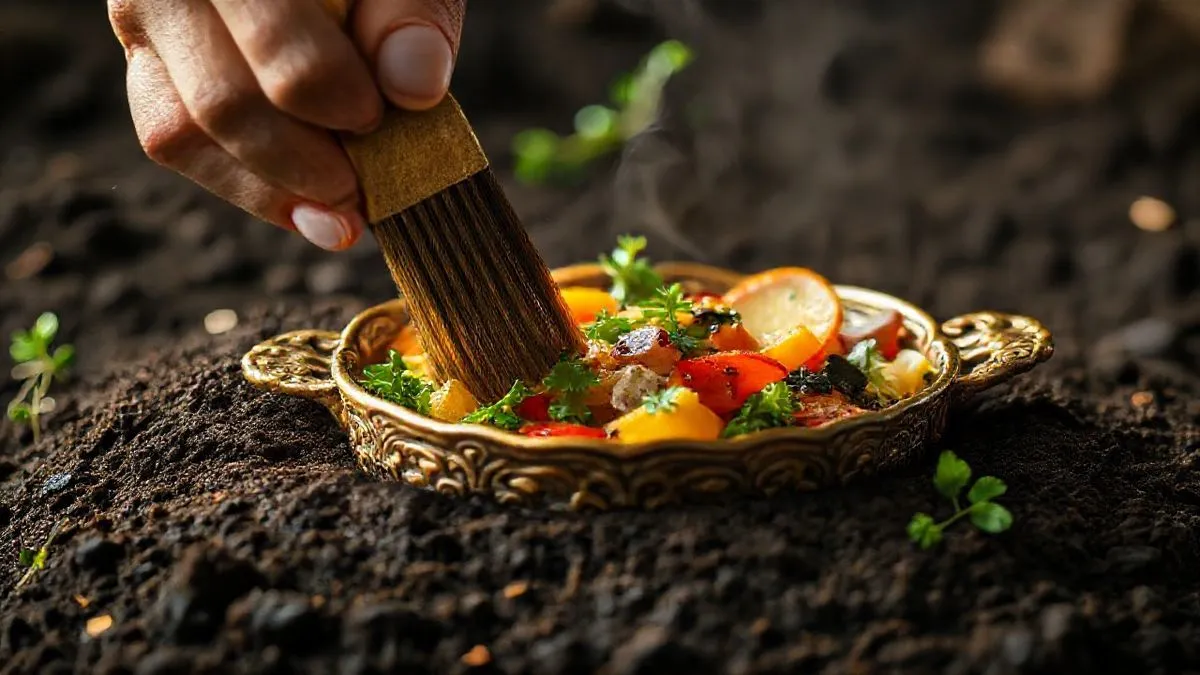
How to Craft Compelling Narratives Around Obscure Regional Dishes?
Crafting a compelling narrative around an obscure regional dish isn't merely about listing ingredients or describing its taste. In my fifteen years traversing the globe, I've learned that it's about unearthing its soul – the history, the people, and the cultural tapestry woven into every bite.
The true magic lies in transforming something unknown into an irresistible invitation, making readers feel as though they've already savored a piece of that distant culture.
My first cardinal rule is to go beyond the surface-level research. Don't just Google; engage. Seek out the elders in the community, the local historians, the market vendors who have witnessed generations of culinary tradition.
Ask about the dish's genesis: Was it born of necessity during lean times, a celebration of a bountiful harvest, or perhaps a fusion of migrating cultures? Understanding its origin story provides the bedrock for your narrative.
"A dish without a story is just food; a dish with a story is an experience."
For instance, consider Khachapuri Adjaruli from Georgia. It's not just boat-shaped bread with cheese and egg; it’s a reflection of a maritime culture, the egg yolk symbolizing the setting sun on the Black Sea, and the cheese representing the mountainous Adjaruli region. This deep dive transforms a simple pastry into a geographical and cultural metaphor.
Food is inherently human. A common mistake I see emerging writers make is focusing solely on the dish itself, neglecting the hands that prepare it and the mouths that savor it. Who are the guardians of this recipe?
Is it a grandmother passing down secrets, a village collective preserving a tradition, or a visionary chef reinterpreting heritage? These personal stories infuse the dish with warmth, authenticity, and emotional resonance.
I once encountered Mokgwae, a traditional Setswana dish, in a remote village in Botswana. The narrative wasn't just about the pounded meat and sorghum; it was about the women who gathered to prepare it communally, singing old songs, sharing laughter, and telling tales of their ancestors. Their collective spirit became as much a part of the dish as its ingredients.
To truly transport your reader, you must engage all their senses, not just taste. Describe the aroma wafting from the kitchen, the vibrant colors of the ingredients, the sizzle and pop as it cooks, and the texture on the palate.
Think like a painter, not a chemist. Instead of saying "it was spicy," describe the "slow, creeping warmth that blossoms on the tongue, leaving a tingling afterglow." Instead of "it was savory," depict "the deep, umami richness that grounds you, hinting at centuries of slow-cooked tradition."
When writing about Feijoada in Brazil, for example, I don't just mention black beans and pork. I describe the smoky scent of slow-cooked meats permeating the air on a Saturday, the glossy sheen of the beans, the earthy depth that coats the mouth, and the comforting weight it brings to the stomach – a true embrace of Brazilian culture.
As the writer, you are the reader's guide. Share your personal journey of discovery. How did you stumble upon this dish? What were your initial impressions, your hesitations, your ultimate revelations?
This vulnerability and authenticity build trust. Your readers are experiencing the unknown through your eyes, so make your experience vivid and relatable. Did you have to overcome a language barrier to order it? Did its appearance initially put you off, only for its taste to surprise you?
My first encounter with Hákarl in Iceland was challenging, to say the least. I didn't shy away from describing the potent ammonia smell that hit me first, or the mental fortitude required for the first bite. But then, I detailed the surprising subtle, salty aftertaste and the sense of deep cultural connection it evoked, turning a potentially off-putting experience into a memorable narrative about tradition and courage.
While celebrating uniqueness, sometimes an analogy can help readers grasp the essence of an obscure dish without diluting its identity. Use comparisons to more familiar flavors or textures, but always pivot back to what makes the dish distinct.
The key here is not to say "it tastes like chicken" when it clearly doesn't, but rather to find a parallel that illuminates. For example, describing the texture of a fermented dish might be "like a firmer, more pungent blue cheese" rather than just "weird."
When discussing Cuy (guinea pig) in Peru, instead of simply stating it's 'roasted meat,' I might explain its flavor profile as "a delicate, slightly gamey meat, reminiscent of a darker, richer poultry, with incredibly crispy skin akin to perfectly roasted duck." This offers a relatable anchor while preserving its unique character.
Finally, elevate the narrative by explaining the dish's broader cultural significance. Is it tied to a specific festival, a rite of passage, or a daily ritual? What does its continued existence tell us about the resilience, history, or values of the community?
This is where the narrative moves beyond mere food writing and becomes a form of cultural anthropology. It provides the "so what?" for your reader, giving them a reason to care deeply about this seemingly obscure culinary creation.
Consider Mämmi, a traditional Finnish Easter dessert. On its own, it's a dark, rye-based pudding. But when you explain its centuries-old ties to Easter, its laborious preparation, and its role as a symbol of patience and tradition during a time of renewal, it transforms into a powerful emblem of Finnish heritage, far more than just a sweet treat.
How important are visuals in telling a food narrative?
In my 15+ years navigating the intricate world of food travel, I've come to understand that visuals are not merely supplementary; they are foundational, especially when unearthing narratives for obscure dishes. Words alone, however eloquent, often struggle to bridge the chasm between the familiar and the truly unknown.
A compelling image acts as an immediate interpreter, translating the abstract concept of an unfamiliar ingredient or culinary tradition into something tangible. It’s about creating an instant connection, inviting the reader to engage with what might otherwise seem intimidating or unapproachable.
Food is inherently sensory, and while taste, smell, and texture are the ultimate goals, sight is our primary entry point. A well-composed visual can evoke the crispy skin, the succulent interior, the vibrant spices, or the comforting warmth of a dish long before a single word has been fully processed.
Consider a dish like Hákarl from Iceland – fermented shark. Describe it purely with words: "Cubes of Greenland shark, cured with a fermentation process and hung to dry for several months." It sounds challenging, perhaps even off-putting, to most. Now, imagine a photograph showing a neatly arranged platter of the translucent, amber-hued pieces, perhaps alongside a shot of the rugged Icelandic landscape where it's traditionally consumed.
"A compelling photograph doesn't just show what a dish looks like; it shows what it *could be* for the viewer – an adventure, a comfort, a revelation."
The visual transforms the narrative, moving it from a potentially repulsive description to an intriguing cultural experience. It speaks volumes about the dish's identity and its place within a larger story, fostering curiosity rather than aversion.
A common mistake I see even seasoned writers make is underestimating the power of context in visuals. It's not just about a perfect "hero shot" of the final plate. The most impactful visuals tell a broader story, capturing the environment, the people, and the process behind the food.
When you're crafting a narrative around an obscure dish, think expansively about your visual strategy:
- The Dish Itself: Capture the finished dish in its best light, highlighting unique textures, colors, and garnishes. Show different angles and close-ups that emphasize its distinct characteristics.
- Ingredients: Photograph the raw, unusual ingredients. A vibrant shot of a strange fruit or a unique spice can spark immediate interest and provide a crucial reference point.
- Preparation: Document the cooking process. Hands kneading dough, ingredients being stirred in a traditional pot, or a chef’s focused expression all add layers of authenticity and human connection.
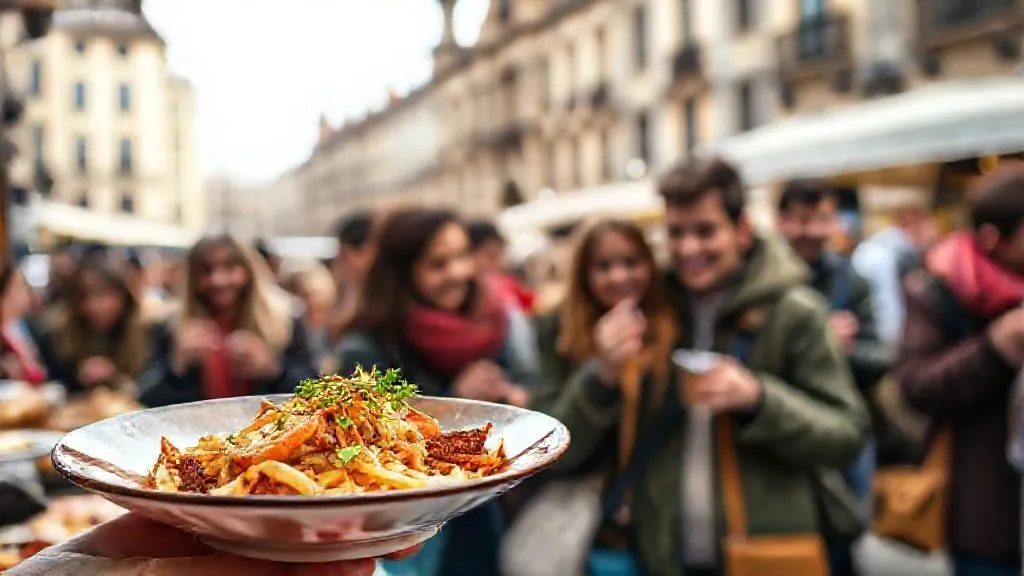
- The Setting: Show where the dish is prepared and consumed. Is it a bustling street food stall, a quiet village kitchen, or a grand celebratory feast? The environment is part of the flavor profile.
- The People: Include portraits of the cooks, vendors, or local people enjoying the dish. Their faces tell stories of tradition, passion, and community, making the food feel more relatable.
In my professional opinion, neglecting the visual aspect of food travel writing, especially for obscure dishes, is akin to trying to describe a vibrant painting in monochrome. You miss the very essence that makes it captivating and memorable.
Visuals are not merely illustrative; they are integral to the narrative's success, serving as the silent, yet most powerful, storytellers in your culinary exploration.
Reading Recommendations:
- Unlock the Magic: Discover Kid-Friendly Destinations That Offer Educational Fun
- 7 Steps to Prove ROI for Luxury Holistic Healing Wellness Programs
- Unlock Ancient Tastes: How to Experience Spice Route Flavors at Home
- The Ultimate Guide: How to Choose Ethical Nature Reserve Eco Tours Responsibly
- Unlock Accessible Adventures: Your Ultimate Guide to Disability-Friendly Travel
Key Points and Final Thoughts
As we conclude this journey into crafting compelling narratives for the world’s lesser-known culinary treasures, it's crucial to distill the essence of our mission. In my 15+ years exploring the planet's diverse foodscapes, I've learned that the most impactful stories aren't just about ingredients or recipes; they're about the human connection woven into every bite.
The true power of unearthing an obscure dish lies in your ability to act as a bridge, connecting a reader to a culture they might never encounter otherwise. It's about more than travel; it's about cultural translation, bringing context, history, and emotion to the forefront.
“An obscure dish isn't just food; it's a whisper from the past, a current conversation, and a hope for the future, all served on a single plate. Your narrative gives that whisper a voice.”
A common mistake I see emerging writers make is approaching an obscure dish as merely an exotic curiosity. This superficial gaze often strips the food of its soul, reducing it to a mere novelty. Instead, remember that every dish, no matter how humble or unusual, is a culinary artifact, rich with layers of history, adaptation, and community.
To avoid this, always strive for a multi-dimensional understanding. Consider these key elements:
- The 'Why' Behind the What: Why do people eat this? What role does it play in celebrations, daily life, or survival? For instance, the fermented shark (hákarl) of Iceland isn't just 'rotten fish'; it's a testament to ancient preservation techniques born of harsh necessity, a symbol of resilience and heritage.
- The People, Not Just the Plate: Who makes it? What stories do they tell? In my experience, the most resonant narratives emerge from direct, respectful engagement with the cooks and the community elders. Their anecdotes are the spice you can't buy.
- Sensory Beyond Taste: Describe the sounds of preparation, the aroma that fills the air, the texture's journey from raw ingredient to finished dish. Don't just tell; immerse your reader in the full sensory experience.
Remember, your ultimate goal is not just to inform, but to evoke empathy and foster understanding. When you write about a dish like *chapulines* (fried grasshoppers) in Oaxaca, it's not enough to say they're crunchy; you must explain their nutritional significance, their place in indigenous diets, and the sustainable harvesting practices that underpin their consumption.
Finally, embrace the responsibility that comes with being a food travel writer. You have the power to shine a light on traditions that might otherwise fade, to uplift local economies, and to broaden global palates and perspectives. By approaching each obscure dish with genuine curiosity, deep respect, and meticulous storytelling, you don't just write an article – you contribute to a richer, more connected world.



Your email address will not be published. Required fields are marked *