


Preventing Space Adaptation Syndrome for Orbital Trips: An Expert's Guide
For over two decades in the nascent, yet rapidly accelerating, field of space tourism, I've had the privilege of witnessing the dawn of a new era of human exploration. Yet, amidst the awe and wonder, I've also observed a pervasive challenge that, if unaddressed, can significantly diminish the orbital experience: Space Adaptation Syndrome (SAS).
This isn't just a minor inconvenience; it's a physiological hurdle that can transform a dream voyage into a struggle against nausea, disorientation, and discomfort. Many aspiring space tourists underestimate its impact, assuming it's merely a brief bout of motion sickness. In reality, SAS is a complex response to the alien environment of microgravity, affecting a significant portion of space travelers.
My goal with this definitive guide is to equip you with the knowledge and actionable strategies necessary for preventing Space Adaptation Syndrome for orbital trips. Drawing from my extensive experience, research, and insights from the astronaut corps, we'll delve into comprehensive pre-flight preparations, in-flight countermeasures, and post-flight readaptation techniques. This isn't just about avoiding sickness; it's about optimizing your health and maximizing every moment of your extraordinary journey beyond Earth.
Understanding the Enemy: What is Space Adaptation Syndrome?
Before we can conquer SAS, we must first understand it. Often colloquially referred to as 'space sickness,' Space Adaptation Syndrome is a neurological condition experienced by astronauts and space tourists during the initial days of spaceflight. It's the human body's bewildered response to the absence of gravity, primarily affecting the vestibular system, our internal balance mechanism.
The Vestibular System's Confusion
On Earth, our vestibular system, located in the inner ear, works in concert with our eyes and proprioceptors (sensors in muscles and joints) to tell our brain where our body is in space, which way is up, and how we are moving. In microgravity, this intricate system is thrown into disarray. The otolith organs, which normally sense linear acceleration and head tilt relative to gravity, no longer receive gravitational cues. Simultaneously, the semicircular canals, which detect angular acceleration, continue to function, but their signals are now misinterpreted by a brain expecting gravitational input.
This sensory conflict—where the eyes might see one thing, but the inner ear and body feel another—leads to confusion in the brain. It's akin to a severe case of seasickness, but without the rocking motion. The brain struggles to reconcile these conflicting signals, leading to the characteristic symptoms of SAS.
Symptoms and Severity
The symptoms of SAS can range from mild discomfort to severe incapacitation. They typically appear within the first few hours or days of entering microgravity and usually subside within 24 to 72 hours as the body begins to adapt. Common symptoms include:
- Nausea and Vomiting: The most well-known and distressing symptom.
- Disorientation: Difficulty perceiving 'up' or 'down,' leading to spatial confusion.
- Headaches: Often a result of fluid shifts to the head.
- Vertigo: A sensation of spinning or dizziness.
- Lethargy and Malaise: A general feeling of being unwell or tired.
- Loss of Appetite: Directly linked to nausea.
While most individuals recover quickly, severe cases can significantly impact an individual's ability to perform tasks, enjoy their surroundings, and even compromise safety. This is precisely why preventing Space Adaptation Syndrome for orbital trips is not just about comfort, but about maximizing the mission's success and the traveler's well-being.
Pre-Flight Preparation: Laying the Groundwork for a Smooth Journey
In my experience, the battle against SAS is largely won or lost on the ground. Thorough pre-flight preparation is the single most critical factor in mitigating its effects. This isn't just about physical conditioning; it's a holistic approach encompassing vestibular training, nutritional strategies, and psychological readiness.
Physical Conditioning and Vestibular Training
Just as an athlete trains for a marathon, an aspiring space traveler must prepare their body for the unique demands of microgravity. While you can't simulate zero-G on Earth, you can train your vestibular system to better cope with sensory conflict.
- Vestibular Adaptation Exercises: These exercises involve specific head and body movements designed to challenge and adapt the inner ear. Think of activities like spinning in a chair, rapid head tilts while fixing your gaze, or even complex gymnastics. Consistent practice, several times a week for months leading up to flight, can significantly improve your resilience.
- Balance and Coordination Training: Activities such as yoga, Pilates, and martial arts enhance proprioception and overall body awareness, which are crucial when your primary sense of orientation is compromised.
- Eye-Hand Coordination Drills: Tasks that require precise eye-hand coordination, especially during movement, can help integrate visual and vestibular inputs more effectively.
According to research published by NASA's Human Research Program, astronauts often undergo rigorous vestibular training regimes, and these same principles can be adapted for space tourists.
Nutritional Strategies and Hydration
What you put into your body before and during your trip plays a vital role. Dehydration and poor nutrition can exacerbate SAS symptoms.
- Hydration Focus: Begin increasing your fluid intake weeks before launch. Dehydration can worsen nausea and headaches.
- Light, Easily Digestible Foods: In the days leading up to launch, opt for bland, low-fat, and low-fiber foods. Avoid spicy, heavy, or gas-producing meals.
- Ginger and Peppermint: Many find natural remedies like ginger chews or peppermint tea helpful for nausea. Consult your flight medical team about incorporating these.
Psychological Preparedness and Expectation Management
The psychological component of SAS is often overlooked. Anxiety and fear can amplify physical symptoms.
- Education is Key: Understand that SAS is a normal physiological response, not a sign of weakness. Knowing what to expect reduces anxiety.
- Visualization Techniques: Mentally rehearsing the feeling of microgravity and imagining yourself adapting successfully can prime your brain for the experience.
- Stress Reduction: Practice mindfulness, meditation, or deep breathing exercises to manage pre-flight jitters.
Pharmaceutical Interventions: When and How to Use Them
While prevention is paramount, sometimes medical intervention is necessary. Certain medications can be highly effective in managing SAS symptoms, but their use requires careful consideration and professional guidance.
Common Medications and Their Efficacy
The most common medications used for motion sickness, including SAS, are antiemetics and anticholinergics.
- Scopolamine: Often delivered via a transdermal patch, scopolamine is highly effective in preventing nausea and vomiting by blocking nerve signals from the vestibular system to the brain's vomiting center. It's typically applied hours before launch and can last for up to three days.
- Promethazine: An antihistamine with strong antiemetic properties, often used in conjunction with other medications. It can cause drowsiness.
- Meclizine: Another antihistamine, generally less sedating than promethazine, and effective for mild to moderate nausea and dizziness.
It's crucial to understand that these medications have potential side effects, including drowsiness, dry mouth, and blurred vision. Their use should always be under the strict guidance of your spaceflight medical team.
Personalized Medical Consultations
Every individual reacts differently to medications and microgravity. This is why a personalized medical consultation is indispensable for preventing Space Adaptation Syndrome for orbital trips. Your flight surgeon will assess your medical history, discuss potential sensitivities, and recommend the most appropriate pharmaceutical strategy, including dosage and timing. Never self-medicate for spaceflight.
In-Flight Strategies: Navigating Microgravity with Confidence
Once you're in orbit, the way you behave and interact with your new environment can significantly influence your adaptation process. Proactive in-flight strategies are crucial for minimizing discomfort and accelerating acclimatization.
Head Movement Control and Visual Fixation
One of the primary triggers for SAS is rapid or uncoordinated head movements, which exacerbate the sensory conflict. My advice to every new space traveler is this:
- Slow and Deliberate Movements: Especially during the first 24-48 hours, move your head slowly and intentionally. Avoid sudden turns or tilts.
- Visual Fixation: Try to keep your eyes fixed on a stable reference point when moving your head or body. This helps your visual system provide a consistent 'up' and 'down' cue, even if your vestibular system is confused.
- Focus on the Horizon (or Earth): When looking out the window, focusing on the Earth's horizon can provide a strong visual orientation cue that temporarily overrides internal confusion.
"In the initial hours of microgravity, your eyes are your best allies. Trust what you see, and move slowly to give your brain time to catch up."
Strategic Meal Planning and Hydration in Zero-G
Eating and drinking in microgravity are different experiences. Nausea can be worsened by certain foods or by eating too much too quickly.
- Small, Frequent Meals: Instead of large meals, opt for smaller, more frequent portions of bland, familiar foods.
- Stay Hydrated: Continue to drink plenty of water, but do so slowly. Sipping water throughout the day is better than gulping large amounts.
- Avoid Strong Odors: The sense of smell can be heightened in space, and strong food odors can trigger nausea.

The Importance of Early Adaptation Exercises
Even if you feel unwell, gentle, controlled movements can actually help your body adapt faster. Astronauts often perform specific exercises to 'force' adaptation.
- Controlled Head Movements: Perform slow, deliberate head nods and shakes. Start with small movements and gradually increase the range as tolerated.
- Targeted Gaze Stabilization: Practice moving your head while keeping your eyes fixed on a specific object.
- Gentle Tumbles: Once you feel slightly better, very gentle, controlled tumbles or rotations can help your brain process the new sensory inputs. Always do this under guidance and with caution.
Advanced Training Techniques: Beyond the Basics
For those truly committed to preventing Space Adaptation Syndrome for orbital trips, there are advanced training techniques that go beyond general physical conditioning and offer a more direct approach to vestibular readiness. These often involve specialized equipment and expert coaching.
Virtual Reality and Ground-Based Simulators
Modern technology offers powerful tools for pre-flight preparation:
- Virtual Reality (VR) Microgravity Simulations: Advanced VR systems can simulate the visual disorientations and spatial challenges of microgravity. While they can't replicate the lack of gravity, they can train your brain to process conflicting visual and vestibular cues, which is a core problem of SAS.
- Vestibular Chairs and Rotation Devices: These specialized chairs can rotate and tilt, subjecting the inner ear to various accelerations and orientations. Regular exposure can desensitize the vestibular system and improve its ability to cope with novel inputs.
- Parabolic Flight Experience (Zero-G Flights): While expensive, a parabolic flight offers brief periods of true microgravity. This is the closest you can get to experiencing zero-G without going to space, allowing for real-world adaptation practice.
Biofeedback and Neurofeedback Approaches
These cutting-edge techniques aim to help individuals gain conscious control over physiological responses that are usually unconscious.
- Biofeedback for Nausea: By monitoring physiological signals like skin conductance or heart rate, individuals can learn to recognize and potentially mitigate the early signs of nausea.
- Neurofeedback for Vestibular Stability: This involves training brainwave activity to enhance areas associated with balance and spatial orientation. While still an emerging field for spaceflight, it holds promise for proactive adaptation.
| Training Method | Benefit | Frequency |
|---|---|---|
| Vestibular Chair | Simulates angular acceleration, improves balance | Daily, 15-30 min |
| Visual-Vestibular Integration | Enhances coordination between eyes and balance system | Weekly, 30 min |
| VR Microgravity Simulation | Familiarizes brain with disorienting cues | Pre-flight, 1-2 hours sessions |
Case Study: Elysium Expeditions' Proactive Protocol
Elysium Expeditions, a pioneering space tourism company, faced initial challenges with a significant percentage of their early orbital tourists experiencing moderate to severe SAS. Their customer satisfaction scores, while high for the overall experience, showed a dip during the initial days of flight. By implementing a new, proactive protocol, they dramatically improved outcomes.
Working with a team of aerospace physiologists, Elysium introduced a mandatory, personalized 6-week pre-flight vestibular training program that included daily exercises on a specialized vestibular chair and weekly VR microgravity simulations. They also integrated a comprehensive nutritional and hydration plan, coupled with personalized medical consultations for prophylactic medication. The result? A 60% reduction in reported moderate-to-severe SAS symptoms among their subsequent groups of orbital tourists, and a noticeable increase in early engagement with in-flight activities. This proactive approach not only enhanced comfort but also significantly improved the overall perceived value of the orbital trip.
The Role of Personalized Medical Support and Technology
As space tourism evolves, so does the sophistication of medical support. Personalized care, leveraging advanced technology, is becoming a cornerstone of ensuring traveler well-being and effectively preventing Space Adaptation Syndrome for orbital trips.
Wearable Biometrics and Real-Time Monitoring
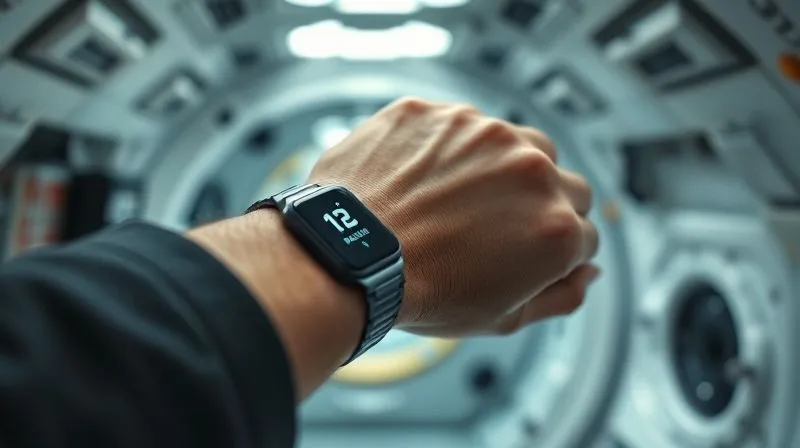
The future of space health monitoring is already here. Advanced wearable devices can track a vast array of physiological data points:
- Heart Rate Variability (HRV): An indicator of stress and recovery, which can be correlated with SAS onset.
- Skin Conductance: Often a precursor to nausea, changes in skin conductance can provide early warnings.
- Sleep Patterns: Disrupted sleep can exacerbate SAS symptoms; monitoring helps ensure adequate rest.
- Balance and Gait Metrics: While challenging in microgravity, new sensors are being developed to assess early signs of disorientation.
This real-time data allows on-ground medical teams to proactively intervene, adjusting medication schedules or recommending specific in-flight exercises before symptoms become severe. As the World Health Organization emphasizes, preventative health is always more effective than reactive treatment.
Telemedicine in Orbit: A New Frontier
The concept of a doctor in every spacecraft is impractical. Instead, sophisticated telemedicine systems allow for immediate, expert medical consultation. High-bandwidth communication links mean that a space tourist experiencing SAS can have a real-time video consultation with a flight surgeon on Earth, who can assess symptoms, review biometric data, and provide precise guidance. This level of immediate, expert support is invaluable for both reassurance and effective symptom management.
Post-Flight Readaptation: Easing Back to Earth
The journey doesn't end when your spacecraft touches down. Just as your body adapted to microgravity, it must now readapt to the persistent pull of Earth's gravity. While not as dramatic as SAS, readaptation can also present its own set of challenges.
Gravitational Readjustment Exercises
Upon returning, many experience a temporary sense of heaviness, dizziness, or unsteadiness. This is normal. I always advise:
- Slow and Deliberate Movements: Similar to in-flight, avoid sudden movements. Your balance system is recalibrating.
- Balance Exercises: Simple exercises like standing on one foot, walking heel-to-toe, or gentle stretches can help retrain your balance.
- Gradual Increase in Activity: Don't rush into strenuous physical activity. Let your body gradually readjust to the demands of gravity.
This period of readaptation typically lasts a few days, though some subtle effects might linger longer. Patience and gentle exercise are key.
Nutritional Support and Rest
Your body has undergone a significant physiological shift. Supporting its recovery through proper nutrition and adequate rest is vital.
- Nutrient-Rich Diet: Focus on a balanced diet rich in vitamins and minerals to aid recovery.
- Plenty of Rest: Allow your body ample time to sleep and recover. Fatigue can prolong the readaptation process.
- Hydration: Continue to hydrate well, especially as your body adjusts to fluid shifts back to your lower extremities.
By proactively addressing readaptation, you ensure a smoother transition back to terrestrial life, completing your space journey fully refreshed and ready to share your incredible story.

Frequently Asked Questions (FAQ)
Question: Is Space Adaptation Syndrome inevitable for everyone going on orbital trips? No, it's not inevitable, but it is common. Statistics suggest that about 60-80% of first-time space travelers experience some symptoms. However, with proper pre-flight training and in-flight countermeasures, the severity and duration of symptoms can be significantly reduced, and some individuals may experience no symptoms at all.
Question: Can I prevent SAS just by taking medication? While medications like scopolamine patches are highly effective for many, they are not a standalone solution. They are best used as part of a comprehensive strategy that includes physical conditioning, vestibular training, and psychological preparedness. Relying solely on medication might mask symptoms but doesn't address the underlying physiological adaptation your body needs to undergo.
Question: How long do the effects of SAS typically last? For most individuals, the acute symptoms of Space Adaptation Syndrome subside within 24 to 72 hours of entering microgravity. However, subtle effects like mild disorientation or a general feeling of unease might linger for a few more days until full adaptation occurs. Severe cases can last longer, emphasizing the importance of preventative measures.
Question: Are there any long-term health consequences from experiencing SAS? Generally, no. Space Adaptation Syndrome itself is a temporary, acute response to microgravity. Once the body adapts, the symptoms resolve. There are no known long-term health consequences directly attributable to experiencing SAS. However, repeated exposure to microgravity and the long-term effects of spaceflight on the human body are subjects of ongoing research by organizations like the European Space Agency (ESA).
Question: What if my space tourism provider doesn't offer extensive SAS training? If your provider's training seems insufficient, I strongly advise seeking independent consultations with aerospace medicine specialists. Many experts offer bespoke pre-flight training programs. Investing in your own preparedness is a small price to pay for a comfortable and enjoyable orbital experience. Resources from organizations like the International Association for the Advancement of Space Safety (IAASS) can also provide guidance on best practices.
Key Takeaways and Final Thoughts
The prospect of an orbital trip is undeniably exhilarating, a true pinnacle of human experience. However, to truly savor every moment, it is imperative to address the physiological challenges that come with leaving our home planet's embrace. Preventing Space Adaptation Syndrome for orbital trips is not just a medical consideration; it's an integral part of preparing for an optimal journey.
- Proactive Preparation is Paramount: Begin your physical, vestibular, and psychological training well in advance.
- Utilize Medical Guidance: Engage with your flight medical team for personalized advice on nutrition and pharmaceutical interventions.
- Adopt Smart In-Flight Behaviors: Slow movements, visual fixation, and strategic eating are your best friends in orbit.
- Embrace Technology: Leverage advanced training tools and in-flight monitoring for enhanced safety and comfort.
- Plan for Readaptation: Understand that returning to Earth also requires a period of adjustment.
As we venture further into the age of space tourism, my hope is that every aspiring space traveler is empowered with the knowledge to make their journey not just possible, but genuinely comfortable and profoundly memorable. By taking these expert-backed steps, you're not just preparing for a trip; you're ensuring an unparalleled adventure, free from the bonds of discomfort, and fully immersed in the wonder of orbital flight. Your extraordinary journey awaits.
Recommended Reading
- Unlock the Secrets: How to Stay Safe During River Crossings on Adventure Treks
- 5 Steps: High-Impact Volunteer Travel for Your Busy Schedule
- Unlock Your Adventure: How to Prepare for an Immersive Cultural Trip!
- Uncover the Best Cooking Classes Abroad for Foodies
- Solo Female Travel Safety: 10 Ways to Prevent & Respond to Harassment





Your email address will not be published. Required fields are marked *