


Solo Travel Emergency: How to Get Urgent Medical Help Alone Abroad?
For over 15 years, as a veteran in the travel industry specializing in solo adventures, I've guided countless individuals through the exhilarating world of independent exploration. Yet, among all the wonders and freedoms, one fear consistently surfaces: what if something goes terribly wrong, medically, when you're truly alone, thousands of miles from the familiar comforts of home? I've witnessed the panic, the confusion, and the sheer vulnerability that can engulf even the most seasoned adventurer. It's a scenario that chills many to the bone, often holding them back from embracing the profound joy of solo travel.
The reality is, a solo travel emergency, particularly a medical one, isn't just about pain or illness; it's about navigating unfamiliar healthcare systems, language barriers, and complex logistics without a familiar face by your side. The stakes are incredibly high, and the lack of immediate personal support can amplify an already stressful situation. This isn't just a hypothetical 'what if'; it's a very real concern that demands a concrete, actionable plan, especially when the crucial question becomes: Solo travel emergency: How to get urgent medical help alone abroad?
In this definitive guide, drawing from my extensive experience in solo travel and crisis management, I will equip you with a robust, actionable framework. We'll delve into the vital preparations, immediate steps, and essential resources necessary to effectively manage a solo travel medical emergency abroad. You'll gain not just knowledge, but the confidence to face the unexpected, transforming apprehension into empowered readiness.
The Unspoken Truth: Why Preparation is Your Best Medicine
In my years on the road and advising fellow travelers, I've learned that the most effective response to a crisis begins long before it ever materializes. Proactive preparation isn't just a suggestion; it's your most potent form of medicine when facing a solo travel emergency. Without a solid foundation, even simple issues can quickly escalate into overwhelming challenges.
Before You Go: Your Pre-Departure Medical Checklist
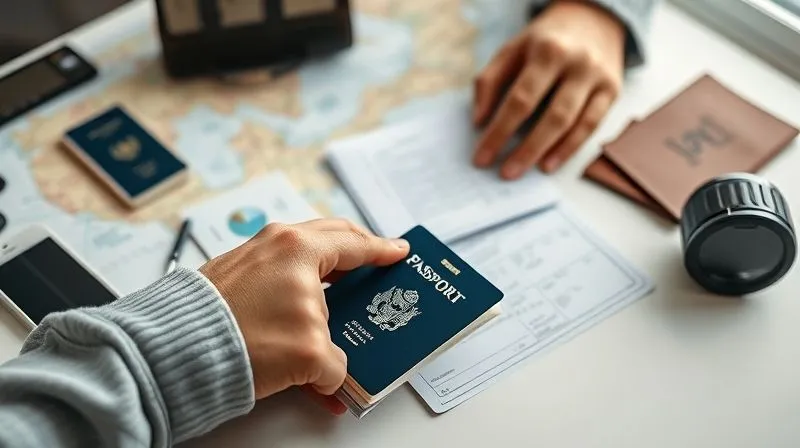
Before your boots even hit foreign soil, there are critical steps you must take to safeguard your health and well-being. Think of this as your personal medical fortress, built brick by brick.
- Comprehensive Travel Insurance: Your Non-Negotiable Lifeline. I cannot stress this enough: travel insurance, specifically a policy with robust medical coverage, is absolutely essential for solo travelers. I've seen too many individuals regret skipping this, only to face exorbitant medical bills that could bankrupt them. It's not just for major accidents; it covers everything from a nasty ear infection requiring a doctor's visit to a broken limb demanding emergency evacuation. Look for policies that cover emergency medical treatment, medical evacuation (getting you to the nearest appropriate facility), and repatriation (getting you back home if necessary). Always read the fine print regarding pre-existing conditions and policy limits. According to a recent industry report, uninsured travelers face an average of $10,000-$50,000 in out-of-pocket expenses for serious medical incidents abroad.
- Digitize and Organize Your Medical Records. Carry both physical and digital copies of vital medical information. This includes a list of all current medications (with generic names), known allergies, chronic conditions, and your doctor's contact information. A letter from your doctor explaining any pre-existing conditions and prescribed medications can be invaluable at customs or a foreign pharmacy. Store digital copies securely in the cloud and on your phone, perhaps in a password-protected folder, accessible even offline.
- Emergency Contacts & Basic Language Skills. Share your detailed itinerary with at least two trusted individuals back home. Ensure they have copies of your passport, insurance details, and a clear understanding of who to contact in an emergency. On your phone, set up an 'In Case of Emergency' (ICE) contact easily accessible from your lock screen. Additionally, learn a few basic phrases in the local language related to medical help: 'doctor,' 'hospital,' 'help,' 'pain,' 'allergy,' 'pharmacy.' A little effort here goes a very long way.
Immediate Action: When Illness or Injury Strikes Abroad
Despite the best preparation, unexpected medical emergencies can still arise. When they do, especially when you're alone, the initial moments are critical. Your ability to act calmly and systematically can significantly impact the outcome. This is where your preparedness truly pays off.
Step 1: Assess the Situation Calmly and Safely
Your first priority is always your safety. If you've had an accident, ensure you're out of immediate danger. Then, take a moment to assess your condition. Is it life-threatening? Can you move? What are your symptoms? Resist the urge to panic. Take a few deep breaths. This momentary pause can help you think more clearly and make rational decisions.
Step 2: Contact Your Travel Insurance Provider FIRST
This is often the most overlooked yet vital step. Your travel insurance company isn't just a financial safety net; they are your primary logistical support system in a medical emergency abroad. Their 24/7 assistance lines are staffed by professionals who can guide you through the local healthcare system, recommend approved facilities, and even arrange direct billing.
- Locate Your Insurance Policy Details: Have your insurance card, policy number, and the emergency assistance phone number readily accessible – ideally on a physical card and in your phone.
- Call Their 24/7 Emergency Assistance Line: Explain your situation clearly, including your exact location, symptoms, and any immediate actions you've taken.
- Follow Their Guidance: They will advise you on the next steps, which might include directing you to a specific hospital, arranging a doctor's visit, or even dispatching medical assistance.
- Do NOT Pay Out-of-Pocket for Major Expenses Without Guidance: Unless it is an absolute life-or-death situation where every second counts, avoid paying for significant medical expenses directly. Your insurer prefers to pre-authorize treatment and may have preferred providers who can bill them directly, saving you immense hassle and potential reimbursement delays.
- Document Everything: Keep a log of who you spoke to, when, and what was discussed.
Step 3: Utilize Local Emergency Services & Resources
While your insurance provider is your first call, sometimes the situation demands immediate local emergency services. Knowing how to access these can be life-saving.
- Know the Local Emergency Number: Just as you'd call 911 in the US, other countries have their own emergency numbers. For instance, 112 is common across most of Europe, and 999 in the UK. I always recommend travelers look this up for their destination before they even leave. You can find a comprehensive list of international emergency numbers from official sources like the US Department of State: International Emergency Numbers.
- Embassies and Consulates: Your country's embassy or consulate can offer assistance in a crisis. While they cannot pay your medical bills, they can help you contact family, provide lists of local doctors and hospitals, and even assist with emergency passport services if yours is lost or stolen during the emergency.
| Country/Region | Emergency Number |
|---|---|
| Europe (most) | 112 |
| USA/Canada | 911 |
| Australia | 000 |
| UK | 999 |
| Japan | 119 (ambulance), 110 (police) |
Navigating the Healthcare System: A Solo Traveler's Guide
Once you've made initial contact and assessed the situation, the next hurdle is navigating the actual healthcare system of a foreign country. This can be vastly different from what you're accustomed to, and managing it alone requires both resilience and strategic thinking.
Understanding Local Medical Culture and Costs
Healthcare systems vary wildly. Some countries have excellent public healthcare, while others rely heavily on private facilities. Your insurance provider will typically direct you to facilities they have relationships with, often private hospitals that cater to international patients and have English-speaking staff. It's important to understand the typical payment structure: some hospitals may expect upfront payment, especially for minor issues, which you'd then claim back from your insurer. For serious issues, direct billing between the hospital and your insurance is the ideal scenario.
Case Study: Maria's Unexpected Appendicitis in Thailand
Case Study: Maria's Unexpected Appendicitis in Thailand
Maria, a 28-year-old solo traveler, developed severe abdominal pain while exploring Chiang Mai. Despite her initial panic, she remembered her travel insurance policy. After contacting her provider's 24/7 line, they directed her to a private international hospital, pre-authorizing her appendectomy. The hospital staff spoke English, and her insurance handled direct billing, saving her from having to navigate complex payment systems while recovering. This proactive step ensured she received high-quality care without financial strain, allowing her to focus solely on her recovery rather than the daunting logistics of a solo travel emergency abroad.
Communicating Your Needs: Language Barriers & Medical Jargon
Even in international hospitals, language can be a significant barrier. Medical jargon, even in your native tongue, is complex, and translating it adds another layer of difficulty. Here's how to manage:
- Speak Slowly and Clearly: Articulate your symptoms simply, avoiding slang.
- Utilize Translation Apps: Have Google Translate or a similar app ready. Use its voice translation feature or pre-typed phrases.
- Ask for English-Speaking Staff: Most international hospitals will have staff who speak English, or they can arrange for a translator. Don't be afraid to politely insist.
- Point and Gesture: Sometimes, a simple gesture or pointing to the area of pain can convey more than words.
- Write It Down: If communication is difficult, try writing down your symptoms or questions.
"In a medical emergency, clarity trumps politeness. Don't hesitate to repeat yourself, use gestures, or insist on a translator. Your health depends on effective communication, especially when you're alone and seeking urgent medical help abroad."
Post-Treatment & Recovery: Managing Your Solo Journey Forward
Surviving the initial medical emergency is a huge step, but the journey doesn't end there. As a solo traveler, managing post-treatment care and recovery logistics requires foresight and diligence. This phase is crucial for a full and safe return to your travels or home.
Follow-up Care and Medication Management
Before leaving any medical facility, ensure you fully understand your discharge instructions. If possible, ask for them in writing, and if there's a language barrier, use your translation app or ask for a staff member who can explain them clearly. This includes:
- Medication Schedule: Understand dosage, frequency, and duration.
- Follow-up Appointments: If required, know when and where these are. Your insurance provider can often assist in scheduling these.
- Activity Restrictions: Be aware of any limitations on physical activity, diet, or travel.
If you need new prescriptions filled, ask the doctor for the generic name of the medication, as brand names vary globally. Your insurance company may also have a preferred pharmacy network.
Financial Logistics: Claims, Receipts, and Reimbursements
The administrative burden of a medical emergency can be daunting, but proper documentation is your best friend when dealing with insurance claims. I've seen countless travelers struggle because they didn't keep meticulous records.
- Keep ALL Receipts: Every single receipt, no matter how small – from consultations and medications to ambulance rides and even taxi fares to the hospital – should be kept. These are vital for your insurance claim.
- Obtain Detailed Medical Reports: Request a comprehensive medical report from the treating facility, outlining your diagnosis, treatment received, and prognosis. This will be crucial evidence for your insurer.
- Communicate with Your Insurer: Continue to update your travel insurance provider on your condition and any follow-up care. They can guide you through the claims process and inform you of necessary documentation.
- Understand Reimbursement Timelines: Be patient. Insurance claims can take time to process, especially for complex international cases. Having all your documents organized will expedite the process significantly.

Leveraging Technology: Apps and Digital Aids for Emergencies
In the digital age, your smartphone is more than just a camera or a navigation tool; it's a powerful emergency kit. For the solo traveler, leveraging technology can bridge gaps in communication, locate assistance, and provide peace of mind during a solo travel emergency.
Medical Translation Apps & Phrasebooks
As I've emphasized, language barriers are a significant hurdle. Modern translation apps have become incredibly sophisticated:
- Google Translate: Offers real-time voice, text, and even image translation. Crucially, you can download language packs for offline use, which is invaluable if you lose signal or data.
- iTranslate Voice: Another excellent option for instant two-way voice translation.
- Pre-Downloaded Phrasebooks: Beyond apps, having a simple medical phrasebook downloaded as a PDF can be a reliable backup.
Telemedicine & Virtual Consultations
Many travel insurance policies now include or offer telemedicine services. This allows you to have a virtual consultation with a doctor (often English-speaking) via video call. While not suitable for urgent, life-threatening conditions, it's incredibly useful for:
- Minor ailments: Rashes, colds, stomach upsets.
- Getting a second opinion.
- Discussing symptoms before deciding if an in-person visit is necessary.
- Obtaining prescriptions for non-controlled substances.
Safety Apps with Emergency Features
Several apps are designed with traveler safety in mind:
- What3words: This ingenious app divides the world into 3-meter squares, each with a unique three-word address. This is incredibly precise and can be life-saving for directing emergency services to your exact location, especially in areas without clear street addresses.
- Local Emergency Apps: Some countries or regions have their own emergency apps that connect directly to local services. Research these for your destination.
- Travel Insurance Apps: Many insurers now have apps that provide direct access to their emergency assistance line, policy details, and even GPS location sharing.
| App Name | Key Feature |
|---|---|
| Google Translate | Real-time voice & text translation, offline modes |
| What3words | Pinpoint location to 3-meter square accuracy |
| Airalo/eSIM apps | Ensures data connectivity abroad |
| Travel Insurance App | Direct access to emergency assistance, policy details |
Building Your Support Network: Even When You're Alone
The essence of solo travel is independence, but it doesn't mean isolation, especially when a solo travel emergency strikes. Even when traveling alone, you can build a network of support that can prove invaluable during a medical crisis abroad.
Connecting with Fellow Travelers & Expat Communities
I've seen the incredible power of community among travelers. Websites like "Traveller's Point" or "Expat Forum" have active communities where you can seek advice, ask for local recommendations, or even find someone willing to offer practical help if you're incapacitated. Hostels, co-working spaces, and local tour groups are also excellent places to meet other travelers who might offer a helping hand or simply a friendly face during a difficult time.
The Role of Your Embassy or Consulate
As mentioned earlier, your embassy or consulate is a crucial resource. They are there to protect the interests of their citizens abroad. While they cannot directly provide medical care or pay your bills, they can:
- Provide a List of Local Doctors and Hospitals: Often vetted for quality and English-speaking staff.
- Assist in Notifying Family: If you are incapacitated, they can help contact your emergency contacts.
- Help with Emergency Travel Documents: If your passport is lost or stolen during your medical emergency, they can issue a temporary one.
- Offer General Guidance: They can provide advice on local laws, customs, and resources.
For general travel health advice and country-specific information, organizations like the World Health Organization (WHO) provide invaluable resources: WHO Travel Advice.

The Mental & Emotional Toll: Self-Care in Crisis
While we focus heavily on the practical steps of how to get urgent medical help alone abroad, it's crucial to acknowledge the profound mental and emotional impact of a solo travel emergency. Being ill or injured far from home, without immediate personal support, can be incredibly distressing. Neglecting your mental well-being during such a time can hinder your physical recovery.
Managing Stress and Anxiety During a Medical Emergency
The stress of an unexpected medical issue, coupled with the isolation of solo travel, can lead to significant anxiety. I've seen even the most stoic travelers crack under this pressure. Here are some strategies:
- Practice Mindfulness and Deep Breathing: Simple techniques can help calm your nervous system. Focus on your breath, acknowledge your fears without judgment, and remind yourself that you are taking steps to manage the situation.
- Focus on What You Can Control: You can't control the illness, but you can control your actions: contacting insurance, following medical advice, and staying organized.
- Allow Yourself to Feel: It's okay to be scared, frustrated, or sad. Suppressing these emotions can be counterproductive.
- Journaling: Writing down your thoughts and feelings can be a therapeutic way to process the experience.
Seeking Emotional Support Remotely
Even though you're physically alone, you don't have to be emotionally isolated:
- Video Calls with Loved Ones: Schedule regular video calls with family and friends. Seeing familiar faces and hearing their voices can provide immense comfort and a sense of connection.
- Online Therapy/Counseling: Many therapists offer virtual sessions. If you're struggling significantly, reaching out to a mental health professional, even remotely, can provide vital support.
- Support Groups: Online forums for solo travelers or those who've experienced medical emergencies abroad can offer a sense of camaraderie and shared experience.
"Beyond the physical, a medical emergency alone abroad tests your mental fortitude. Prioritize self-compassion and connect with your support system, even if it's virtually. Your emotional well-being is paramount for recovery and managing a solo travel emergency."
For additional resources on staying healthy and safe during international travel, the CDC offers comprehensive information: CDC Traveler Information.
Frequently Asked Questions (FAQ)
Question? What if I don't have travel insurance when a solo travel emergency happens?
Detailed answer: If you find yourself in a medical emergency abroad without travel insurance, the situation becomes significantly more complex and potentially financially devastating. You will be personally responsible for all medical costs, which can range from hundreds to tens of thousands of dollars. Your options will primarily involve seeking treatment at public hospitals (which may be cheaper but potentially have longer wait times or fewer English-speaking staff), contacting your embassy or consulate for lists of local medical providers, and reaching out to family or friends for financial assistance. Some hospitals may require upfront payment or a significant deposit before treatment. It's a dire situation that underscores why travel insurance is non-negotiable for solo travelers.
Question? How do I choose the right travel insurance for solo travel, especially regarding medical emergencies?
Detailed answer: When selecting travel insurance for solo travel, prioritize policies with high medical coverage limits (at least $100,000, but ideally more), comprehensive emergency medical evacuation and repatriation benefits, and a 24/7 emergency assistance hotline. Look for coverage of pre-existing conditions if applicable, and ensure the policy covers the specific activities you plan to undertake (e.g., adventure sports). Read reviews, compare policies from reputable providers, and always scrutinize the fine print, especially regarding exclusions and deductibles. A good policy explicitly states how they handle a solo travel emergency: How to get urgent medical help alone abroad? scenarios.
Question? Should I go to a public or private hospital if I'm alone abroad and need urgent medical help?
Detailed answer: Your travel insurance provider should be your first point of contact, as they will direct you to an approved facility, often a private international hospital. These hospitals typically have higher standards of care, shorter wait times, and English-speaking staff, making communication much easier for a solo traveler. Public hospitals can be a viable option, especially in countries with excellent public healthcare systems, but they might involve longer waits, more bureaucracy, and significant language barriers. In a true life-threatening emergency, go to the nearest facility, then contact your insurance as soon as safely possible.
Question? What if I'm in a remote area without phone signal when I need urgent medical help?
Detailed answer: This is a challenging scenario for a solo travel emergency. Preparation is key here: always inform someone of your itinerary and expected return time when venturing into remote areas. Consider carrying a satellite communication device (like a Garmin inReach or Spot device) which can send emergency signals and messages even without cell service. Ensure you have a comprehensive first-aid kit and basic medical knowledge. If an emergency occurs, your immediate actions should focus on self-preservation, signaling for help (if possible), and making your way to the nearest populated area or known emergency contact point as safely as you can.
Question? How can I ensure my family back home is notified if I'm incapacitated during a solo travel medical emergency?
Detailed answer: Several layers of precaution can help. Firstly, set up 'In Case of Emergency' (ICE) contacts on your phone's lock screen, clearly labeling them. Secondly, carry a physical ICE card in your wallet with your emergency contacts, insurance details, and any critical medical information. Thirdly, ensure your travel insurance provider has your emergency contact details; they are often the first to notify family if you are unable to. Finally, register your trip with your country's embassy or consulate (e.g., STEP program for US citizens, Smartraveller for Australians); they can reach out to your contacts if they become aware of your situation.
Key Takeaways and Final Thoughts
Embarking on a solo journey is an act of profound courage and self-discovery. It offers unparalleled freedom and unique perspectives that can transform your understanding of the world and yourself. However, this freedom comes with the responsibility of meticulous preparation, especially when contemplating a medical emergency abroad. As an industry specialist, I’ve seen firsthand that the fear of a solo travel emergency can be a significant deterrent, but it doesn't have to be.
- Preparation is Paramount: Secure comprehensive travel insurance, organize your medical documents, and know your emergency contacts and numbers before you depart.
- Act Calmly and Strategically: In a crisis, assess your situation, prioritize contacting your travel insurance provider, and then utilize local emergency services.
- Leverage All Available Resources: From technology like translation apps and telemedicine to the support of your embassy and fellow travelers, don't hesitate to seek assistance.
- Prioritize Your Mental Well-being: The emotional toll of a solo medical emergency is real. Allow yourself to feel, connect with loved ones remotely, and practice self-compassion.
By internalizing these insights and implementing the actionable steps outlined in this guide, you will not only mitigate the risks but also empower yourself with the confidence to navigate any unexpected health challenge. Solo travel is an incredibly rewarding experience, and with the right preparation, the thought of a solo travel emergency: How to get urgent medical help alone abroad? can transform from a daunting fear into a manageable challenge. Travel boldly, travel wisely, and know that you are equipped to handle whatever the world throws your way.
Recommended Reading
- Mastering Baby's Sleep: 7 Strategies for International Business Travel
- 7 Strategies: Mitigate Revenue Loss from River Cruise Diversions
- Unlock Serenity: Simple Nature Therapy Exercises for Travelers
- Reduce Travel Carbon Footprint Responsibly: The Ultimate Guide
- 7 Proven Strategies: Maximize Your Luxury Glamping Investment Returns





Your email address will not be published. Required fields are marked *