

What Are Simple Nature Therapy Exercises for Travelers?
Ever felt the paradoxical exhaustion that sometimes follows an exhilarating journey? You've seen incredible sights, experienced new cultures, and yet, there's an underlying fatigue that lingers, a subtle disconnect from your inner calm. This is a common experience for many adventurers, as the constant movement, new environments, and schedule changes can take a surprising toll on our mental and emotional well-being.
Travel, while enriching and transformative, often pulls us away from our familiar routines and natural rhythms. The hustle of airports, the rush of cityscapes, and the pressures of sightseeing can leave us feeling overwhelmed and out of sync. This challenge highlights a critical need for accessible tools that can help travelers recenter and find peace, no matter how far they roam.
This comprehensive guide will unveil simple, yet powerful, nature therapy exercises specifically designed for travelers. By the end of this reading, you will learn how to effortlessly weave moments of natural connection into your adventures, helping you find calm, rejuvenate your spirit, and deepen your travel experience.
The Essence of Nature Therapy on the Go
What is Nature Therapy?
Nature therapy, often referred to as ecotherapy or green therapy, is a broad term for structured activities that aim to improve a person's mental and physical health through interaction with nature. It’s not just about being outdoors; it's about engaging mindfully with the natural world.
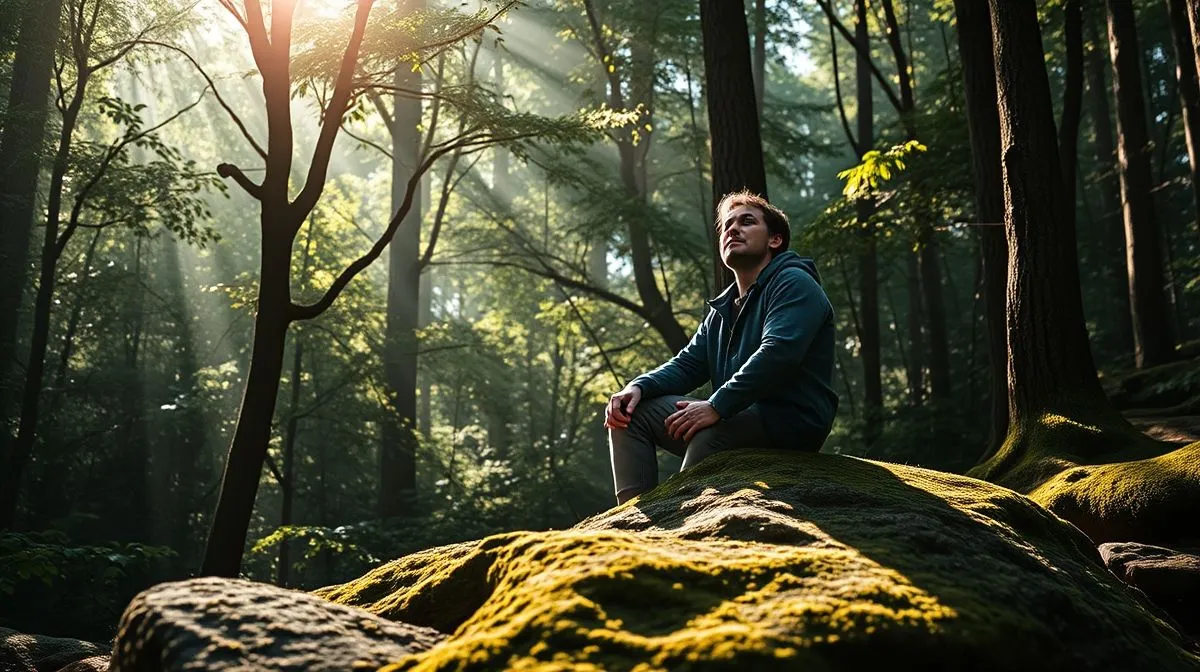
From the deliberate practice of forest bathing (Shinrin-yoku) to simply observing a tree, these practices harness nature's inherent ability to soothe, restore, and inspire. The core principle is that humans are intrinsically connected to nature, and spending time in natural environments can significantly reduce stress, improve mood, and boost overall well-being.
Why It's Crucial for Travelers
For travelers, the benefits of incorporating nature therapy are amplified. The very act of travel, while exciting, often involves high levels of stimulation and can lead to sensory overload. Nature therapy offers a vital counterbalance, providing moments of stillness and grounding.
- Stress Reduction: Travel often comes with unexpected delays and logistical challenges. Nature therapy helps lower cortisol levels and promotes relaxation.
- Improved Sleep: Exposure to natural light and fresh air can regulate circadian rhythms, leading to better sleep quality, especially important when adjusting to new time zones.
- Enhanced Mood: Studies show that spending time in nature can significantly reduce feelings of anxiety and depression, fostering a more positive travel mindset.
- Increased Focus and Creativity: Disconnecting from digital distractions and reconnecting with nature can clear the mind, improving concentration and sparking new ideas.
- Physical Well-being: Many nature therapy exercises involve light physical activity, contributing to overall health without the intensity of a gym workout.
Understanding what are simple nature therapy exercises for travelers is key to transforming your journeys from merely seeing places to truly experiencing them with a heightened sense of presence and well-being.
Mindful Moments: Sensory Engagement Exercises
The beauty of nature therapy lies in its simplicity. You don't need special equipment or vast wilderness. Often, all it takes is a conscious shift in attention to engage your senses with the natural world around you.
The Art of Mindful Walking
Mindful walking is perhaps the most accessible nature therapy exercise. It involves paying deliberate attention to your surroundings as you move through them, rather than rushing from point A to point B.
- Slow Down: Reduce your pace. Notice the rhythm of your steps, the feel of the ground beneath your feet.
- Engage Your Senses: What do you see? The intricate patterns of leaves, the vibrant colors of flowers, the way light filters through branches. What do you hear? Birdsong, the rustle of leaves, distant water. What do you smell? Damp earth, pine needles, blooming flora.
- Breathe Deeply: Synchronize your breath with your steps, inhaling the fresh air deeply and exhaling slowly.
- Be Present: If your mind wanders, gently guide it back to your immediate sensory experience.
Even a 10-minute mindful walk in a park, along a quiet street with trees, or by a lake can significantly reduce stress and enhance your connection to your environment.
Soundscapes and Silence
In our constantly noisy world, finding moments of natural sound or even silence can be incredibly therapeutic. This exercise involves actively listening to the sounds of nature.
Find a quiet spot outdoors – a garden, a balcony overlooking trees, or a path by a river. Close your eyes and simply listen. Distinguish between the different layers of sound: the chirping of insects, the distant murmur of the wind, the gentle splash of water. Allow these sounds to wash over you, noticing how they make you feel. Sometimes, the most profound experience is the subtle absence of human-made noise, allowing nature's own symphony to emerge.
Visual Immersion
Our eyes are constantly bombarded with information. Visual immersion in nature therapy encourages a slower, more appreciative way of seeing. This isn't about scanning for landmarks; it's about truly seeing the details.
- Focus on a Single Object: Choose a leaf, a flower, a cloud, or a patch of bark. Observe it as if you've never seen it before. Notice its colors, textures, patterns, and how light interacts with it.
- Soft Gaze: Allow your gaze to soften and take in the broader landscape without sharp focus. Let your eyes wander, absorbing the overall beauty and spaciousness.
- Find Symmetry and Asymmetry: Nature is full of perfect imperfections. Observe the balance and imbalance, the repeating patterns, and unique formations.
This practice can be done from a park bench, a hotel window, or even while waiting for public transport if there's a natural element in view.
Connecting with Elements: Earth, Water, Air
Beyond engaging your primary senses, nature therapy also invites you to connect with the fundamental elements that constitute our natural world. These practices can be profoundly grounding and revitalizing for the weary traveler.
Grounding with Earth
Connecting directly with the earth is a powerful way to feel rooted and stable. This practice, often called 'earthing' or 'grounding,' involves direct skin contact with the Earth's surface.
Whenever possible, take off your shoes and walk barefoot on grass, sand, or even damp soil. Feel the texture, the temperature, and the subtle energy beneath your feet. If going barefoot isn't feasible, simply sitting on a patch of grass or placing your hands on a tree trunk can also create a connection. Imagine any stress or tension draining out of your body and into the earth, while fresh, calming energy flows back up into you.
Water's Calming Embrace
Water has an innate ability to soothe and cleanse. Incorporating water elements into your nature therapy can be incredibly restorative.
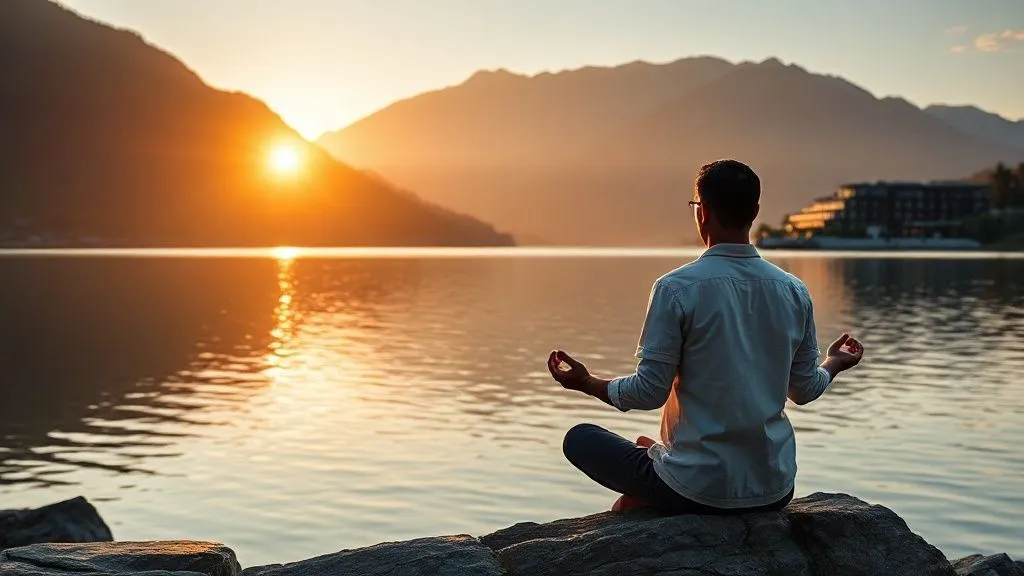
Seek out natural bodies of water: a flowing river, a serene lake, or the vast ocean. Sit by the water's edge and simply observe its movement. Listen to the sound of waves, the gentle lapping, or the rush of a stream. If safe and appropriate, dip your hands or feet into the water, feeling its temperature and flow. Even the sound of a fountain in a city park can offer a mini-escape and a moment of watery tranquility. According to a study published by the University of Exeter, proximity to 'blue spaces' can significantly improve mental health. Find out more about their findings here.
Breathing the Air of Tranquility
The air we breathe is a constant, vital connection to the natural world. Mindful breathing outdoors can be a powerful nature therapy exercise.
Find a spot with relatively clean air, perhaps a park or a quiet street. Stand or sit comfortably. Close your eyes if you wish, or keep a soft gaze. Begin to take slow, deep breaths, inhaling through your nose and exhaling through your mouth. As you inhale, imagine drawing in the freshness and vitality of the air around you. As you exhale, release any tension or stale energy. Notice the subtle scents carried on the breeze and the feeling of the air on your skin. This simple exercise can quickly calm your nervous system.
Portable Practices: Nature Therapy for Limited Access
Travel often means being in urban environments or confined spaces. The good news is that nature therapy isn't exclusive to wilderness. Many simple nature therapy exercises for travelers can be adapted for situations where direct access to nature is limited.
Window Gazing and Visualization
Even if you're stuck in a hotel room, a window can be your portal to nature. Take a few minutes to simply gaze out. Focus on any trees, clouds, or distant natural landscapes you can see. Observe the movement of leaves, the shifting patterns of clouds, or the flight of birds.
If there's no view, or for an even deeper dive, practice nature visualization. Close your eyes and vividly imagine a favorite natural place: a serene beach, a lush forest, a majestic mountain. Engage all your senses in this mental journey – hear the sounds, smell the scents, feel the textures. Visualization can evoke similar calming responses in the brain as actual exposure to nature.
Plant Power: Bringing Nature Indoors
A small piece of nature can have a big impact. Consider carrying a small, low-maintenance plant if your travel style allows, or simply buying a fresh flower or a sprig of greenery for your hotel room. The presence of living plants has been shown to reduce stress and improve air quality.
Alternatively, essential oils derived from natural sources like lavender, cedarwood, or pine can bring the scents of nature indoors. Diffuse them or place a drop on a tissue to inhale when you need a moment of calm. This sensory connection can trick your brain into feeling closer to nature, even in an artificial environment.
Digital Nature Breaks
While the goal is often to disconnect, curated digital content can sometimes serve as a bridge to nature when physical access is impossible. Watch high-quality nature documentaries, listen to nature soundscapes, or browse stunning photography of natural landscapes.
However, exercise caution with this method. It should be a conscious, limited break, not a replacement for genuine interaction. The aim is to evoke feelings of awe and relaxation, not to get lost in a digital rabbit hole. Use these tools as a temporary solace, not a permanent substitute for the real thing.
Overcoming Obstacles: Common Mistakes to Avoid
While nature therapy is inherently simple, there are common pitfalls travelers might encounter that can diminish its effectiveness. Being aware of these can help you maximize your natural connection.
Forcing It vs. Flowing With It
One common mistake is approaching nature therapy as another item on a rigid itinerary. If you feel compelled to 'do' nature therapy rather than genuinely seeking connection, it loses its therapeutic power. The essence is to be present and open, not to achieve a specific outcome.
Instead of forcing a long session, allow for spontaneous moments. If you see a beautiful tree, pause. If you hear birdsong, listen. Let the interaction unfold naturally, without pressure or judgment. Flexibility is key, especially when traveling.
Overthinking vs. Experiencing
Another pitfall is intellectualizing the experience. While understanding the benefits is helpful, true nature therapy is about direct experience, not analytical thought. Don't get caught up in whether you're 'doing it right' or what the scientific explanation is in that moment.
Simply allow yourself to feel, observe, and be. Let your senses lead the way. The goal is to quiet the internal monologue and immerse yourself in the sensory richness of the present moment in nature. This is where the profound healing occurs.
Ignoring Local Context
When traveling, it's crucial to be mindful of local customs, safety guidelines, and environmental considerations. Don't trespass, disturb wildlife, or leave any trace behind. Be respectful of the natural environment and local communities.
Research the areas you plan to visit for any specific rules or recommendations regarding nature access. This ensures your nature therapy practices are not only beneficial for you but also responsible and sustainable for the places you visit. For example, understanding local biodiversity can enhance your appreciation, as detailed by resources like Wikipedia's entry on Ecotherapy.
Integrating Nature Therapy into Your Travel Itinerary
The key to successful nature therapy for travelers is seamless integration. It shouldn't feel like an extra chore but rather a natural extension of your journey.
Pre-Trip Planning
Before you even leave, research your destination for accessible green spaces. Are there parks, botanical gardens, riversides, or coastal paths near your accommodation or planned activities? Knowing these spots in advance makes it easier to weave them into your daily schedule.
Consider packing minimal essentials that enhance the experience: a small blanket for sitting, a journal for reflections, or comfortable shoes for walking. This preparation makes spontaneous nature encounters more likely and enjoyable.
Daily Micro-Doses
You don't need hours for nature therapy to be effective. Even 5-10 minute 'micro-doses' throughout your day can make a significant difference. This might involve:
- Having your morning coffee on a balcony with a plant view.
- Taking a scenic detour through a park instead of a busy street.
- Spending a few minutes observing the sky or clouds while waiting for transport.
- Eating a meal outdoors, consciously noticing the surrounding nature.
- Ending your day by a window, gazing at the moon or stars.
These small, consistent interactions accumulate to provide substantial benefits, helping you maintain balance and well-being even on the busiest travel days. They are perfect examples of what are simple nature therapy exercises for travelers that fit any schedule.
Post-Trip Reflection
Once your journey concludes, take time to reflect on your nature therapy experiences. How did these moments of connection impact your trip? Did they help manage stress, enhance your mood, or deepen your appreciation for the places you visited?
Journaling about these experiences can solidify their benefits and help you identify which practices resonated most with you. This reflection also prepares you for future travels, allowing you to refine your approach to integrating nature therapy into every adventure.
The Profound Benefits: Beyond Relaxation
While relaxation and stress reduction are immediate and noticeable benefits of nature therapy, its impact extends much further, offering profound advantages for travelers and their overall well-being.
Enhanced Mental Clarity
The constant stimulation of travel can lead to mental fog and decision fatigue. Nature therapy, particularly practices like mindful walking and sensory immersion, can significantly clear the mind. By reducing mental chatter and allowing for a 'soft fascination' with natural elements, it creates space for clarity, improved problem-solving, and enhanced cognitive function. This can be invaluable when navigating new cultures or making travel plans.
Boosted Immune System
Research, particularly on forest bathing (Shinrin-yoku), suggests that exposure to certain compounds released by trees, called phytoncides, can boost the activity of natural killer (NK) cells in the immune system. This means that simply spending time in a forest or a green space can help your body fight off infections and illnesses, a crucial benefit for travelers who are often exposed to new environments and potential pathogens. The Mayo Clinic also highlights the broader benefits of time outdoors on overall health and immunity. Learn more about stress relief and nature here.
Deeper Cultural Connection
Nature is often deeply intertwined with local cultures, traditions, and spiritual beliefs. By engaging in nature therapy practices, travelers can gain a more profound appreciation for the indigenous flora, fauna, and landscapes, as well as the ways in which local communities interact with their natural environment. This can lead to more meaningful interactions and a richer understanding of the destination beyond its popular tourist sites.
Sustainable Travel Habits
Practicing nature therapy cultivates a deeper respect and appreciation for the natural world. This increased connection often translates into more sustainable travel choices. Travelers become more mindful of their environmental impact, opting for eco-friendly accommodations, supporting conservation efforts, and reducing waste. It fosters a sense of stewardship, encouraging travelers to protect the very environments that provide them with so much peace and rejuvenation.
Frequently Asked Questions (FAQ)
Can I practice nature therapy in a city? Yes, absolutely! Even in urban environments, you can find parks, gardens, trees along streets, or even just a potted plant on a balcony. The key is to mindfully engage with any natural elements available to you, no matter how small.
How long should a nature therapy session be? Even a few minutes can be beneficial. While longer sessions (20-30 minutes or more) can offer deeper relaxation, short 'micro-doses' of 5-10 minutes throughout the day are highly effective for travelers. Consistency is more important than duration.
Is nature therapy the same as forest bathing? Forest bathing (Shinrin-yoku) is a specific form of nature therapy that focuses on immersing oneself in the atmosphere of the forest. Nature therapy is a broader term that encompasses many different practices of connecting with nature, including but not limited to forest bathing.
Do I need special equipment for nature therapy? No, the beauty of nature therapy is its simplicity. You don't need any special equipment. Comfortable clothing and shoes appropriate for the weather are usually sufficient. Sometimes a journal or a camera can enhance the experience, but they are not necessary.
What if I'm not a 'nature person'? Nature therapy is for everyone. You don't need to be an avid hiker or camper. Start small, with simple observations or mindful breathing in a green space. Often, the very act of trying it can open up a new appreciation for nature's calming power.
Recommended Reading
- Ultimate Transcontinental Train Travel Planning Guide: Your Epic Journey Awaits!
- Is a Private Luxury Tour Worth the High Cost? Uncover the Truth!
- Unlock Your Adventure: How to Plan an Accessible Adaptive Sports Vacation
- Unveiling the Secret: How Geodomes Conquer Extreme Weather for Glamping
- Uncover the Secret: How to Plan Travel for International Food Festivals Like a Pro
Conclusion
Travel, at its heart, is about exploration and self-discovery. By embracing what are simple nature therapy exercises for travelers, you add a profound layer of well-being and presence to every journey. From mindful walks in urban parks to deep breaths by a remote coastline, these practices offer a vital antidote to the stresses of modern travel, fostering resilience, enhancing connection, and deepening your appreciation for both the world around you and your own inner landscape.
Don't just see the world; feel it, breathe it, and allow its natural rhythms to restore your spirit. Incorporating these simple yet powerful techniques will not only transform your travels into more rejuvenating experiences but also enrich your life long after your bags are unpacked. Embrace nature's embrace, wherever your adventures may lead you.



Your email address will not be published. Required fields are marked *