


Solving Urgent Guest Safety Challenges at Remote Glamping Sites
For over 15 years, I've traversed the globe, witnessing the incredible evolution of adventure travel, particularly the rise of glamping. I've seen breathtaking sites transform untouched wilderness into luxurious havens. Yet, I've also seen the stark reality that many operators, seduced by the allure of remoteness, inadvertently overlook the paramount importance of guest safety. It's a mistake that can, and has, led to devastating consequences, not just for the guests, but for the entire venture.
The inherent beauty of a remote glamping site — its isolation, its immersion in nature — is also its greatest challenge. Traditional safety protocols often fall short when you're miles from the nearest paved road, medical facility, or even cell signal. Guests arrive seeking adventure and tranquility, trusting that you, the operator, have meticulously prepared for the unexpected. When that trust is broken, the repercussions are severe, impacting reputation, finances, and, most importantly, human lives.
This article isn't just a guide; it's a deep dive into actionable frameworks and expert insights forged from years in the field. We'll explore how to proactively identify, mitigate, and respond to the unique risks of off-grid operations. My promise to you is a comprehensive blueprint for not just meeting, but exceeding guest safety expectations, turning potential vulnerabilities into robust pillars of resilience and trust for your glamping enterprise.
The Unseen Perils: A Deep Dive into Remote Glamping Risks
Before we can solve urgent guest safety challenges at remote glamping sites, we must first truly understand the nature of these challenges. Remote locations introduce a layer of complexity far beyond what a typical hotel faces.
Environmental Hazards: Nature's Unpredictable Hand
Operating in the wilderness means contending with Mother Nature's full spectrum. This includes everything from sudden, severe weather changes — flash floods, wildfires, blizzards, high winds — to encounters with wildlife, which can range from curious to dangerous. The terrain itself poses risks: unstable ground, steep inclines, hidden obstacles, and challenging access points can all lead to accidents. I recall a site in the Rockies where an unexpected early snow trapped guests for days; their preparedness, or lack thereof, made all the difference.
Operational Vulnerabilities: When Resources are Scarce
Remoteness inherently means delayed emergency response times. A simple medical incident can escalate rapidly when professional help is hours away. Communication blackouts are a constant threat, rendering traditional phones useless. Infrastructure failures, such as power outages or water supply interruptions, can quickly compromise comfort and safety. Furthermore, staff fatigue and isolation can impact decision-making and response efficacy, especially if they are under-resourced or inadequately trained.
Proactive, holistic risk assessment isn't just a checklist; it's the bedrock of responsible remote glamping. It means anticipating every conceivable scenario and having a documented, rehearsed plan for each.
Building a Resilient Foundation: Site Planning and Infrastructure
The first step in solving urgent guest safety challenges at remote glamping sites begins long before a guest arrives. It starts with meticulous planning and the establishment of robust infrastructure.
Strategic Site Selection and Layout
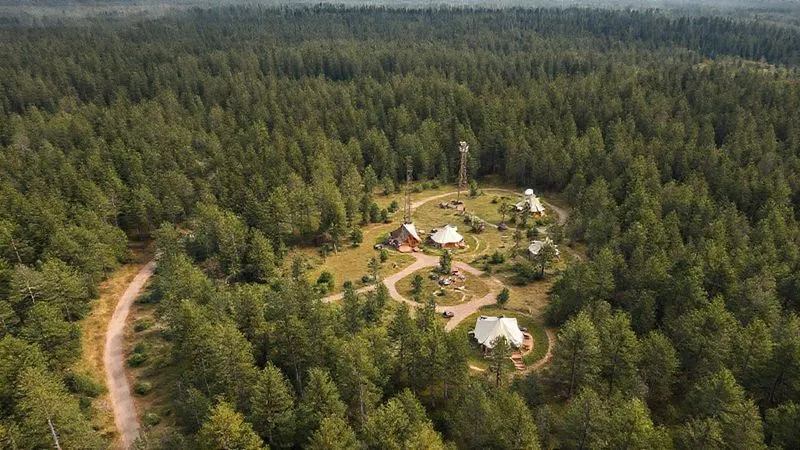
The choice of location is paramount. I always advise operators to conduct exhaustive site surveys, assessing factors like natural drainage, potential flood zones, wildfire risk, and prevailing wind patterns. Design your site with safety in mind: clear, well-marked pathways; emergency access roads; designated safe zones; and strategically placed lighting. Ensure that tents are not in areas prone to rockfalls or flash floods. Consider the ISO 31000 standard for risk management principles in your initial planning.
Robust Communication Networks
Reliable communication is non-negotiable. Don't rely solely on mobile phones. Invest in a multi-layered communication system. This should include satellite phones or satellite messengers for emergency contacts, two-way radio systems for on-site staff communication, and potentially even mesh radio networks for larger properties. Emergency beacons (PLBs or ELTs) should be readily available for critical situations where immediate SAR notification is needed. Test these systems regularly and ensure all staff are proficient in their use.
Empowering Your Team: The Human Element of Safety
Your staff are your first responders and the most critical component in solving urgent guest safety challenges at remote glamping sites. Their training and preparedness can make the difference between a minor incident and a major catastrophe.
Comprehensive Staff Training & Certification
Every member of your team, from reception to maintenance, needs basic safety training. For those in direct guest interaction or remote areas, advanced certifications are essential. This includes Wilderness First Aid (WFA) or Wilderness First Responder (WFR), CPR, and basic search and rescue techniques. Training should also cover specific site hazards, like wildlife encounter protocols, fire suppression, and the proper use of all emergency equipment. Regular refreshers are crucial.
Developing a Clear Emergency Response Team Structure
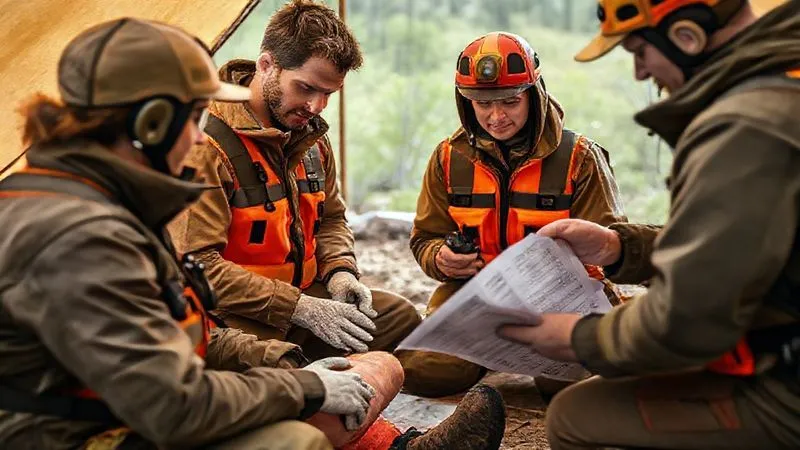
Establish a clear chain of command for emergencies. Who is the incident commander? Who handles communications? Who provides first aid? Define roles and responsibilities beforehand, and ensure everyone understands their part. Regular drills, simulating various scenarios, are vital to ingrain these protocols and identify weaknesses. This isn't just about knowing what to do; it's about doing it instinctually under pressure.
Case Study: Starlight Glamp's Staff-Led Rescue
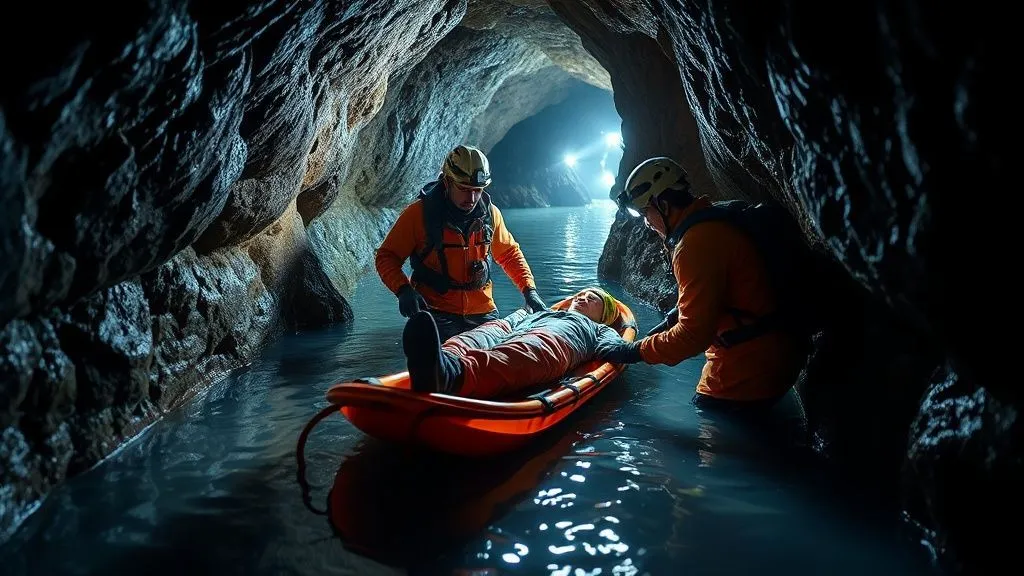
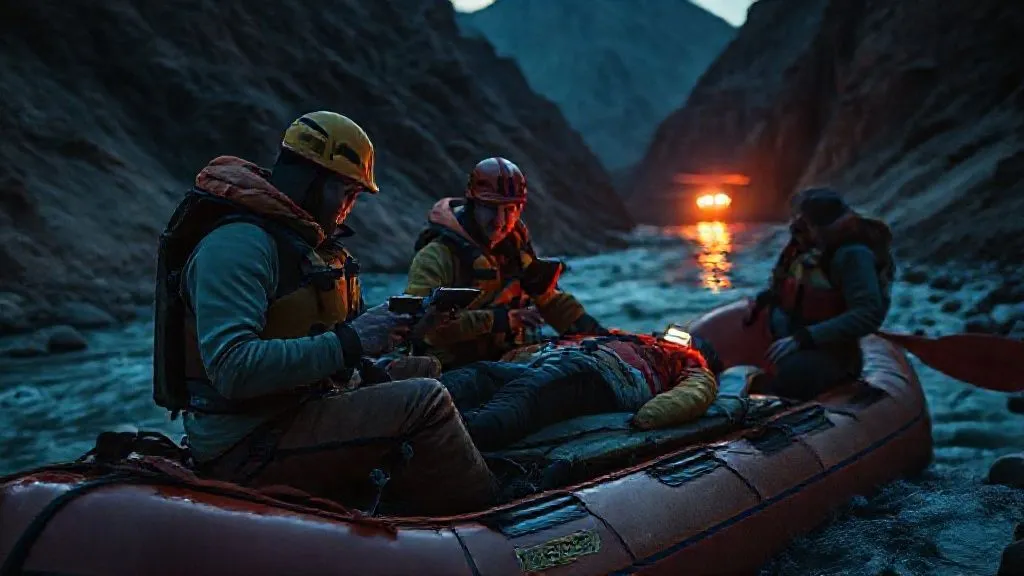
Starlight Glamp, a remote luxury camp nestled deep in Patagonia, faced a critical situation when a guest suffered a severe allergic reaction, far from medical help. Thanks to their rigorous training, the on-site team, led by a WFR-certified manager, immediately administered an EpiPen, stabilized the guest, and initiated satellite communication with emergency medical services. They then coordinated a precise, difficult evacuation using a pre-arranged local transport partner, all while maintaining calm and clear communication with the guest's family. This swift, confident response, born from consistent training and clear protocols, not only saved a life but solidified Starlight Glamp's reputation for prioritizing guest well-being above all else.
Guest Engagement: Fostering a Culture of Shared Responsibility
Guests also play a vital role in their own safety. Educating and empowering them is a key strategy for solving urgent guest safety challenges at remote glamping sites.
Pre-Arrival Information & Digital Safety Guides
The safety journey begins before guests even pack their bags. Provide comprehensive pre-arrival information detailing what to expect, essential gear to bring, local hazards (e.g., specific wildlife, weather patterns), and critical site rules. A digital safety guide, accessible via a QR code or email, can include emergency contacts, detailed maps, and step-by-step instructions for common issues. This sets expectations and prepares guests for the unique environment.
On-Site Safety Briefings and Equipment Provision
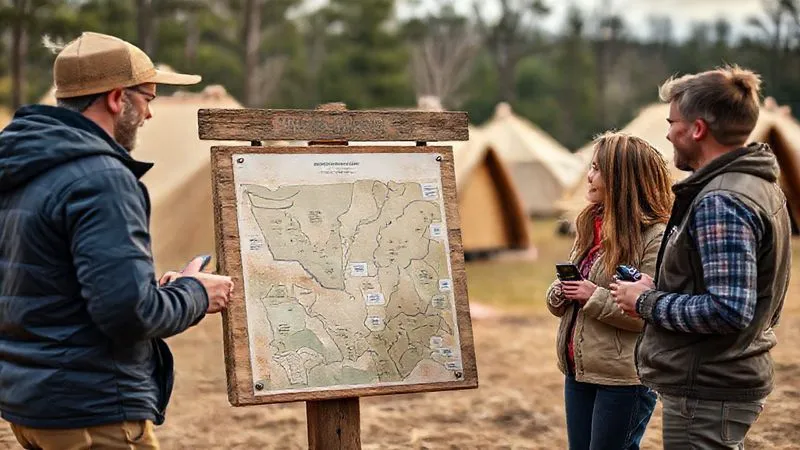
Upon arrival, a mandatory, personalized safety briefing is essential. This isn't just a quick rundown; it's an interactive session covering everything from how to use in-tent emergency call buttons or personal alarms to understanding the site's unique features. Provide guests with essential safety equipment: readily accessible first-aid kits, headlamps, whistles, and, for truly remote sites, personal satellite messengers or two-way radios with clear instructions on their use. Ensure maps highlight emergency rendezvous points and escape routes.
Crafting an Ironclad Emergency Action Plan (EAP)
A well-defined Emergency Action Plan (EAP) is the backbone of any safety strategy. It transforms potential chaos into coordinated action when solving urgent guest safety challenges at remote glamping sites.
Developing a Multi-Scenario EAP
Your EAP must be comprehensive, addressing a wide array of potential incidents. Think beyond the obvious. Scenarios should include: medical emergencies (minor to severe), lost or missing guests, fire (structural and wildfire), severe weather events, wildlife encounters, natural disasters (earthquake, flood), and even security threats. For each scenario, outline clear objectives, roles, communication protocols, and required resources. Regular review and updates are crucial.
- Identify Potential Hazards: Brainstorm every possible risk at your specific site.
- Assess Risk Levels: Prioritize hazards based on likelihood and impact.
- Define Emergency Scenarios: Group similar hazards into actionable scenarios.
- Establish Clear Roles & Responsibilities: Assign specific tasks to staff members for each scenario.
- Outline Response Procedures: Detail step-by-step actions for each role per scenario.
- Identify & Allocate Resources: List all equipment, supplies, and external contacts needed.
- Develop Communication Protocols: How will staff, guests, and external agencies be notified?
- Train & Drill: Conduct regular, realistic drills to test the EAP.
- Review & Revise: Update the EAP based on drills, incidents, and changing conditions.
Establishing Local Partnerships and Protocols
In remote areas, your network is your lifeline. Forge strong relationships with local emergency services (police, fire, ambulance), hospitals, and search and rescue teams. Understand their capabilities and limitations in your specific location. Establish clear communication protocols and pre-arranged agreements for response. Consider partnerships with private emergency evacuation services like Global Rescue for additional layers of support, especially for international guests or extremely remote sites. These partnerships are not just about response; they're about prevention through shared knowledge.
| Scenario | Response Steps | Key Personnel | Resources Needed |
|---|---|---|---|
| Medical Emergency (Severe) | Assess, stabilize, activate satellite comms, coordinate evacuation | WFR-certified staff, Incident Commander | Advanced First Aid Kit, Satellite Phone, Evacuation Vehicle/Partner |
| Lost Guest | Initiate search protocol, notify authorities, use tracking devices | Search Team Leader, Communication Officer | Maps, GPS, Two-way Radios, Whistles, Tracking Devices |
| Wildfire Threat | Monitor alerts, activate evacuation plan, secure site | Incident Commander, Evacuation Team | Fire Extinguishers, Water Supply, Emergency Vehicles, Communication System |
Harnessing Technology for Proactive Security and Monitoring
Technology offers powerful tools for enhancing safety and security, providing crucial layers of protection when solving urgent guest safety challenges at remote glamping sites.
Integrated Surveillance & Environmental Monitoring
Deploy remote CCTV cameras in strategic, non-intrusive locations to monitor common areas, access points, and critical infrastructure. These can deter intruders and provide vital information during an incident. Integrate environmental sensors: localized weather stations provide real-time data on wind, temperature, and precipitation, allowing for proactive adjustments to activities or early warnings for severe weather. CO2 and smoke detectors within glamping tents are standard, but consider advanced systems that can alert staff remotely if an alarm is triggered.
Personal Safety Devices for Guests
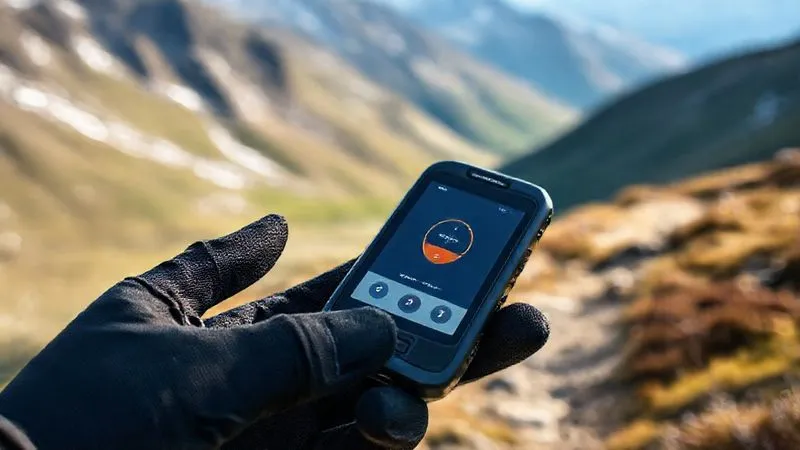
Beyond traditional emergency buttons, equip guests with modern personal safety devices. Wearable GPS trackers can allow staff to locate guests in distress, especially useful for those venturing on self-guided hikes. Personal satellite messengers with SOS functions provide a direct link to emergency services from virtually anywhere. Educate guests on their proper use and encourage them to carry these devices at all times when outside their tents. This empowers guests while providing an invaluable safety net.
Incident Management and Post-Crisis Recovery
Even with the best preparation, incidents can occur. How you manage them and recover afterward is crucial for long-term sustainability and trust.
Effective Incident Reporting and Analysis
Every incident, no matter how minor, should be meticulously documented. This includes near-misses. A robust reporting system allows you to identify patterns, understand root causes, and implement corrective actions. Regular analysis of this data helps refine your EAP and prevention strategies. Don't just file the report; learn from it. This continuous feedback loop is vital for evolving your safety protocols.
Psychological First Aid for Guests and Staff
A critical, often overlooked, aspect of post-incident care is psychological support. Traumatic events can have lasting impacts on both guests and staff. Have resources or protocols in place for offering psychological first aid. This might involve trained staff members, access to professional counseling services, or simply creating a supportive environment for individuals to process their experiences. Showing empathy and care in the aftermath reinforces your commitment to well-being.
An incident is never just an incident; it's a profound learning opportunity. Embrace the lessons, however difficult, to forge a stronger, safer operation.
The Continuous Cycle of Safety Improvement
Solving urgent guest safety challenges at remote glamping sites is not a one-time fix; it's an ongoing commitment to excellence and adaptation.
Regular Safety Audits and Drills
Your safety protocols should never be static. Conduct annual, comprehensive safety audits, ideally with an external expert, to objectively assess your entire operation. Supplement these with unannounced, scenario-based drills for your staff. These drills test the EAP under pressure, uncover weaknesses, and keep skills sharp. Document all findings and ensure corrective actions are implemented promptly.
Staying Abreast of Industry Best Practices and Regulations
The adventure travel industry is constantly evolving, as are safety technologies and best practices. Stay informed by participating in industry associations like the Adventure Travel Trade Association (ATTA), attending workshops, and subscribing to relevant publications. Monitor local and national regulations that might impact your operations. Proactive adaptation to new knowledge and standards ensures your safety framework remains cutting-edge and compliant.
| Audit Item | Status | Action Required | Date Completed |
|---|---|---|---|
| EAP Review & Update | Completed | N/A | 2023-11-01 |
| Staff WFR Certification Renewal | In Progress | Schedule Q1 2024 course | |
| Satellite Phone Battery Check | Completed | N/A | 2023-12-15 |
| Guest Briefing Material Update | Pending | Review and integrate new wildlife protocols | |
| External Emergency Services Liaison | Completed | N/A | 2023-10-20 |
Frequently Asked Questions (FAQ)
What's the biggest mistake glamping owners make regarding guest safety in remote areas? In my experience, the single biggest mistake is underestimating the true implications of remoteness. Many assume mobile phone coverage or a quick drive to the nearest town is sufficient. They fail to invest in redundant communication systems, comprehensive staff training beyond basic first aid, and robust, multi-scenario emergency action plans that account for hours, not minutes, of delayed external support. It's a dangerous overestimation of external resources and an underestimation of inherent risks.
How can I effectively manage potential wildlife encounters at my remote glamping site? Effective wildlife management is multi-faceted. Start with site design: use bear-proof food storage, elevate structures where possible, and install motion-activated lighting. Educate guests extensively on local wildlife, what to do if encountered, and never to feed animals. Train staff in wildlife deterrent techniques and, if necessary, safe hazing methods. For high-risk areas, consider subtle, non-lethal perimeter deterrents or even electric fencing around food storage or waste areas, always balancing safety with ecological impact.
What's the absolute minimum communication setup needed for a truly remote glamping site? For a truly remote site with no cell service, the absolute minimum is a multi-modal approach: a reliable satellite phone for direct emergency calls (tested weekly), a robust two-way radio system for on-site staff communication (covering the entire property), and personal emergency beacons (PLBs/ELTs) readily available for both staff and guests to activate a direct SAR alert if all else fails. Relying on a single system is a critical vulnerability.
How often should staff undergo safety training and drills? New staff should receive comprehensive safety onboarding immediately. For existing staff, core certifications like WFA/WFR and CPR should be refreshed as required by the certification body (typically every 2-3 years). Beyond that, I recommend annual refresher training for all safety protocols, with scenario-based drills conducted at least quarterly. This ensures skills remain sharp and the EAP is ingrained, not just memorized.
Is it possible to be "too safe" and detract from the adventure experience at a glamping site? Absolutely not. True adventure isn't about reckless abandon; it's about informed risk-taking within a framework of safety. When guests feel genuinely safe, they are more relaxed, more confident, and more able to fully immerse themselves in the adventure and beauty of the remote setting. Robust safety measures don't detract; they enhance the experience by building profound trust and allowing guests to truly let go and enjoy, knowing they are in capable hands. Safety is the ultimate luxury in adventure travel.
Key Takeaways and Final Thoughts
- Prioritize Proactive Planning: Safety starts with strategic site selection, robust infrastructure, and a deep understanding of remote risks.
- Empower Your Team: Invest in comprehensive staff training and clear emergency roles; they are your most vital asset.
- Engage Your Guests: Educate them pre-arrival and on-site, providing tools and knowledge for shared responsibility.
- Build a Multi-Layered EAP: Develop and regularly drill a comprehensive Emergency Action Plan for all conceivable scenarios, fostering local partnerships.
- Leverage Technology Wisely: Utilize communication, monitoring, and personal safety devices to extend your reach and response capabilities.
- Embrace Continuous Improvement: Safety is an ongoing journey of audits, learning from incidents, and adapting to new best practices.
Solving urgent guest safety challenges at remote glamping sites is not merely a compliance issue; it's a moral imperative and a cornerstone of sustainable business success. By adopting a proactive, comprehensive approach, you not only protect your guests and staff but also safeguard your reputation and the very spirit of adventure that glamping embodies. Go forth, operate with confidence, and continue to offer those unforgettable, yet incredibly safe, wilderness experiences.
Recommended Reading
- Mastering Luxury: How to Differentiate 5-Star Resorts for Discerning Clients
- 7 Expert Strategies: Find Premium Family Vacation Rentals Efficiently
- CFO Buy-In: 7 Ways to Justify Higher Sustainable Train Travel Costs
- 7 Private Havens: Guaranteeing Tan-Line-Free Sunbathing for Elite Clients
- Unlocking Serenity: Is a Solo Spa Retreat Beneficial for Burnout Recovery?



Your email address will not be published. Required fields are marked *