

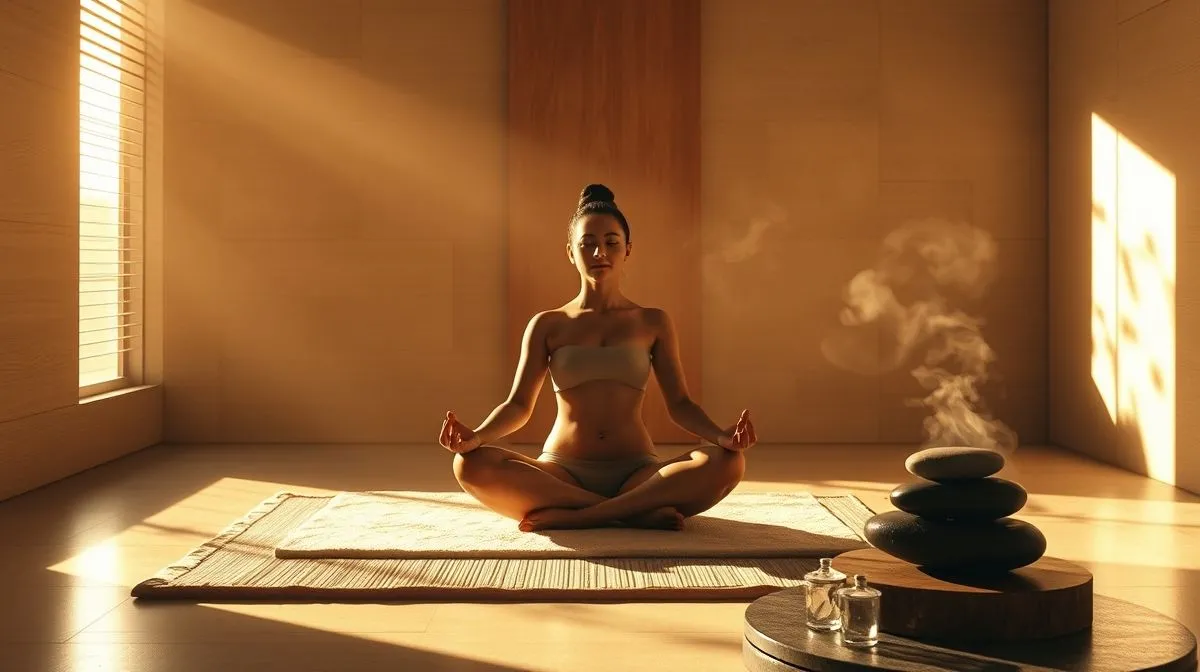
Is a Solo Spa Retreat Beneficial for Burnout Recovery? Unlocking Profound Healing
Imagine a quiet morning, the gentle scent of essential oils filling the air, and the only sound is the soft murmur of water. For a moment, all the demands, the endless to-do lists, and the relentless pressure fade away. Does this sound like a distant dream, or a vital necessity?
In our increasingly fast-paced world, burnout has become an epidemic, silently eroding our well-being. It’s more than just feeling tired; it’s a state of chronic physical and emotional exhaustion, cynicism, and a sense of ineffectiveness. Traditional vacations often fail to address the root causes, leaving us feeling refreshed for a brief period, only to quickly fall back into old patterns. This begs the crucial question: Is a solo spa retreat beneficial for burnout recovery, offering a deeper, more sustainable path to healing?
This comprehensive guide will delve into the profound benefits of embarking on a solo spa retreat specifically tailored for burnout recovery. We will explore the scientific underpinnings of why solitude and targeted therapies can be incredibly effective, how to plan your ideal escape, and the long-term impacts on your mental and physical health. By the end of this reading, you will understand how to leverage the power of a dedicated solo wellness journey to reclaim your energy, clarity, and passion for life.
Understanding Burnout: More Than Just Being Tired
Burnout, as defined by the World Health Organization (WHO), is an occupational phenomenon resulting from chronic workplace stress that has not been successfully managed. It's not merely a bad day or a temporary slump; it's a persistent state that affects every facet of an individual's life.
The Three Dimensions of Burnout
- Emotional Exhaustion: Feeling drained and depleted of emotional resources, unable to cope.
- Depersonalization (Cynicism): Developing a detached, cynical, or indifferent attitude towards one's job or people.
- Reduced Personal Accomplishment: A sense of ineffectiveness and lack of achievement, feeling that one's work doesn't matter or isn't appreciated.
These dimensions don't just impact your professional life; they spill over into personal relationships, hobbies, and overall life satisfaction. The constant activation of the stress response system leads to elevated cortisol levels, impacting sleep, digestion, immune function, and cognitive abilities.
The Silent Epidemic
Burnout is often insidious, creeping up slowly until its grip is firm. Many individuals don't recognize it until they are deeply entrenched, experiencing symptoms like chronic fatigue, irritability, insomnia, anxiety, and even physical ailments like headaches or digestive issues. Traditional breaks, while offering temporary respite, rarely provide the structured environment and dedicated time needed to truly address the deep-seated issues that lead to burnout. For more information on the official definition of burnout, you can refer to the World Health Organization's classification.
Why Solitude Matters: The Core of a Solo Retreat
The concept of a solo retreat might seem daunting to some, but it is precisely the absence of external demands and social obligations that makes it so potent for burnout recovery. Solitude is not loneliness; it is a chosen state of being alone, allowing for profound introspection and self-connection.
Escaping Constant Stimulation
Our daily lives are saturated with noise: digital pings, social expectations, work deadlines, family demands. This constant influx of information and obligation keeps our minds perpetually active, preventing the deep rest and processing necessary for healing. A solo spa retreat offers a sanctuary from this relentless stimulation, creating a space where your nervous system can finally downshift.
Reconnecting with Self
When battling burnout, individuals often lose touch with their own needs, desires, and passions. The focus shifts entirely to external demands. Solitude provides the invaluable opportunity to reconnect with your inner self. Without the need to perform, to entertain, or to respond to others, you can simply be. This quiet space allows for self-reflection, emotional processing, and a rediscovery of what truly brings you joy and purpose.
The Power of Self-Directed Healing
In a solo retreat, you are in complete control of your schedule and your healing journey. There's no pressure to engage in activities you don't feel drawn to, or to adhere to someone else's pace. This autonomy is incredibly empowering, fostering a sense of agency that is often lost in the midst of burnout. You can choose to spend hours meditating, reading, walking in nature, or simply doing nothing at all – all tailored to your specific recovery needs.
The Synergistic Power of Spa Therapies for Burnout
A spa retreat is not just about luxurious pampering; it's about curated therapies designed to promote deep relaxation, physical healing, and mental clarity. When combined with solitude, these therapies become even more effective in addressing the multifaceted symptoms of burnout.
Hydrotherapy and Relaxation
Water-based treatments, from mineral baths and thalassotherapy pools to steam rooms and saunas, have profound effects on the body. Warm water helps to dilate blood vessels, improve circulation, and relax muscles. The buoyancy reduces pressure on joints, and the gentle sounds can be incredibly soothing. These therapies aid in detoxifying the body and calming the nervous system, preparing it for deeper rest.
Massage and Bodywork
Chronic stress often manifests as physical tension, knots, and pain. Therapeutic massages, such as deep tissue, Swedish, or hot stone massage, release these muscular contractions. Beyond the physical relief, massage therapy has been shown to reduce stress hormones like cortisol and increase feel-good hormones like serotonin and dopamine. This physical release directly contributes to mental and emotional relief.
Mindfulness and Movement Practices
Many spa retreats integrate practices like yoga, meditation, Tai Chi, and breathwork. These disciplines are crucial for burnout recovery because they teach you how to regulate your nervous system, manage stress responses, and cultivate present-moment awareness. Learning to quiet the mind and connect with the body through conscious movement and breath is a powerful tool for long-term well-being, far beyond the retreat itself.
Nutritional Support and Detoxification
A holistic spa experience often includes a focus on nourishing, clean eating. Meals are typically prepared with fresh, whole ingredients, free from processed foods, excessive sugar, and unhealthy fats. Some retreats also offer specific detoxification programs. This focus on wholesome nutrition supports physical healing, boosts energy levels, and can significantly improve mood and cognitive function, which are often compromised by burnout.
Scientific Backing: How Spa Retreats Aid Recovery
The benefits of spa therapies and a retreat environment are not just anecdotal; they are increasingly supported by scientific research. The combination of relaxation, solitude, and targeted treatments creates a physiological and psychological shift essential for burnout recovery.
Reducing Cortisol Levels
Chronic stress keeps the body in a constant state of 'fight or flight,' leading to elevated levels of cortisol, the primary stress hormone. Spa therapies, particularly massage and hydrotherapy, have been shown to significantly lower cortisol levels. A study published in the Journal of Alternative and Complementary Medicine found that massage therapy can reduce cortisol by an average of 31%.
Enhancing Parasympathetic Activation
The parasympathetic nervous system (PNS) is responsible for the body's 'rest and digest' functions. Burnout is characterized by an overactive sympathetic nervous system (SNS). Spa environments, quietude, and relaxation techniques actively stimulate the PNS, allowing the body to recover, repair, and restore balance. This shift is critical for healing the physiological damage caused by prolonged stress.
Improving Sleep Quality
Insomnia and disturbed sleep are hallmark symptoms of burnout. The relaxation induced by spa treatments, combined with a digital detox and a structured environment, can significantly improve sleep architecture. Better sleep is fundamental for brain health, emotional regulation, and physical repair, making it a cornerstone of effective burnout recovery. Research published in the Journal of Clinical Sleep Medicine highlights the critical role of sleep in stress resilience.
Boosting Emotional Regulation
A solo spa retreat provides a safe, supportive space to process emotions without judgment or external pressure. The quiet introspection, coupled with mindfulness practices, helps individuals develop greater emotional awareness and better coping mechanisms. This leads to improved emotional regulation, reducing irritability and increasing resilience in the face of future stressors. The holistic nature of these retreats, including practices like meditation and yoga, have been linked to improved mood and reduced symptoms of anxiety and depression, as explored in various studies on mind-body interventions.
Crafting Your Ideal Solo Spa Retreat for Burnout Recovery
A successful solo spa retreat for burnout recovery isn't just about booking a luxurious destination; it's about intentional planning and setting yourself up for profound healing. Here’s how to ensure your retreat maximizes its benefits.
Choosing the Right Destination and Program
- Focus on Wellness, Not Just Luxury: While comfort is important, prioritize retreats that genuinely focus on holistic well-being, stress reduction, and mental health support. Look for programs that offer a range of therapies, mindfulness practices, and nutritional guidance.
- Consider Location: A peaceful, natural setting (mountains, ocean, forest) can significantly enhance the healing experience. Accessibility is also a factor.
- Program Structure: Some retreats offer structured programs with daily schedules, while others provide more flexibility. Choose what aligns with your need for either guidance or complete autonomy.
Setting Intentions for Your Retreat
Before you go, take time to reflect on what you hope to gain. Do you want to:
- Reduce specific physical symptoms of stress?
- Gain clarity on your career path?
- Reconnect with your intuition?
- Learn new self-care techniques?
Having clear intentions will help you choose the right retreat and make the most of your time there.
Digital Detox: A Non-Negotiable
To truly disconnect and allow your nervous system to reset, a digital detox is paramount. Leave your laptop at home, turn off notifications, and limit phone use to emergencies. This creates the space for genuine introspection and presence, free from the constant pull of external demands.
Post-Retreat Integration
The benefits of a solo spa retreat extend far beyond your stay. Plan how you will integrate the lessons and practices into your daily life. This might involve:
- Continuing a mindfulness practice.
- Adopting healthier eating habits.
- Setting boundaries at work.
- Scheduling regular self-care time.
Think of the retreat as a powerful reset button, not a one-time cure. The true transformation lies in applying what you've learned.
Beyond the Pampering: Long-Term Benefits of Solo Retreats
While the immediate relief from stress and exhaustion is undeniable, the true value of a solo spa retreat for burnout recovery lies in its long-term impact on your well-being and resilience.
Enhanced Resilience
By learning to manage stress responses, understanding your triggers, and developing coping mechanisms during a retreat, you build greater resilience against future stressors. This isn't about avoiding stress, but about developing the capacity to bounce back more effectively.
Improved Mental Clarity
The quiet introspection and digital detox allow your mind to declutter. This can lead to improved focus, creativity, and problem-solving abilities. Many individuals report returning from a retreat with renewed clarity on personal and professional challenges.
Sustainable Self-Care Practices
A good retreat will introduce you to a variety of self-care practices – from meditation and yoga to healthy eating and mindful movement. The immersive environment helps you establish these as habits, making it easier to integrate them into your daily routine upon your return. These practices become your ongoing defense against burnout.
Preventing Future Burnout
Ultimately, a solo spa retreat can be a powerful preventative measure. By addressing the root causes of burnout, equipping you with tools, and fostering a deeper connection to your own well-being, it helps you recognize early warning signs and take proactive steps to prevent recurrence. It teaches you to prioritize your health as non-negotiable.
Potential Pitfalls and How to Avoid Them
While a solo spa retreat offers immense benefits, it's important to be aware of potential pitfalls that could hinder your recovery journey.
Over-scheduling Your Retreat
The temptation to book every single treatment and activity available can be strong. However, for burnout recovery, the goal is often rest and decompression. Avoid the urge to over-schedule. Leave ample time for unstructured relaxation, quiet reflection, or simply doing nothing. This 'white space' is crucial for your nervous system to truly unwind.
Expecting a Quick Fix
Burnout is a complex issue that develops over time, and recovery is a process, not a single event. While a retreat can provide a powerful jumpstart, it's not a magic bullet. Manage your expectations and understand that continued self-care and lifestyle adjustments are necessary for lasting recovery. Focus on progress, not perfection.
Neglecting Post-Retreat Follow-Up
One of the biggest mistakes is returning to the exact same environment and habits that led to burnout in the first place. Without a plan to integrate new insights and practices, the benefits of the retreat can quickly fade. Before you leave, identify 2-3 key habits or shifts you want to maintain. This could be a daily meditation, better sleep hygiene, or setting clearer boundaries at work. Consider seeking professional support, like therapy or coaching, to help solidify these changes and prevent relapse. For strategies on preventing burnout recurrence, resources like those from the Harvard Business Review can be helpful.
Frequently Asked Questions (FAQ)
How long should a solo spa retreat be for burnout? For significant burnout recovery, a minimum of 3-5 days is recommended, but a week or even two weeks can offer deeper, more sustained benefits. It allows enough time to truly disconnect and engage with therapies.
Can I afford a spa retreat for burnout recovery? Spa retreats vary widely in price. While some are luxurious, many more affordable options exist, including local wellness centers or even self-designed retreats at a quiet Airbnb with access to spa facilities. Prioritize the 'solo' and 'wellness' aspects over sheer opulence.
Is a solo retreat better than a group retreat for burnout? For deep burnout recovery, a solo retreat often proves more effective because it eliminates social demands and allows for complete self-focus. Group retreats can be wonderful for connection, but for profound internal healing, solitude is key.
What should I pack for a burnout recovery spa retreat? Pack comfortable clothing, swimwear, a journal, a good book, and any personal items that promote relaxation (e.g., your favorite tea, an eye mask). Importantly, leave work-related items and excessive electronics behind.
How do I know if I'm experiencing burnout? Common signs include chronic exhaustion, feeling cynical or detached from work, reduced sense of accomplishment, irritability, difficulty concentrating, and physical symptoms like headaches or digestive issues. If you suspect burnout, consulting a healthcare professional is advisable.
Recommended Reading
- Unlock the Magic: Discover Kid-Friendly Destinations That Offer Educational Fun
- Unlocking Unique Family Adventures: How to Find Child-Friendly Gems Abroad
- The Ultimate Guide: How to Find Authentic Foodie Destinations Abroad
- Wild Camping Checklist for Beginners UK: Your Essential Guide
- Unlock Hidden Gems: How to Find Unique Stops for Your Ultimate Road Trip!
Conclusion
The question, is a solo spa retreat beneficial for burnout recovery, can be answered with a resounding yes. It offers a unique and powerful antidote to the pervasive exhaustion and disillusionment of burnout. By providing a dedicated space for solitude, targeted therapeutic interventions, and a profound disconnection from daily stressors, these retreats empower individuals to heal on a deep, holistic level. It's an investment in your most valuable asset: your well-being. By embracing this journey, you not only recover from past burnout but also cultivate the resilience, clarity, and self-awareness needed to navigate life's challenges with renewed vitality and purpose. Consider this your invitation to reclaim your peace and step back into life with renewed energy.


Your email address will not be published. Required fields are marked *