

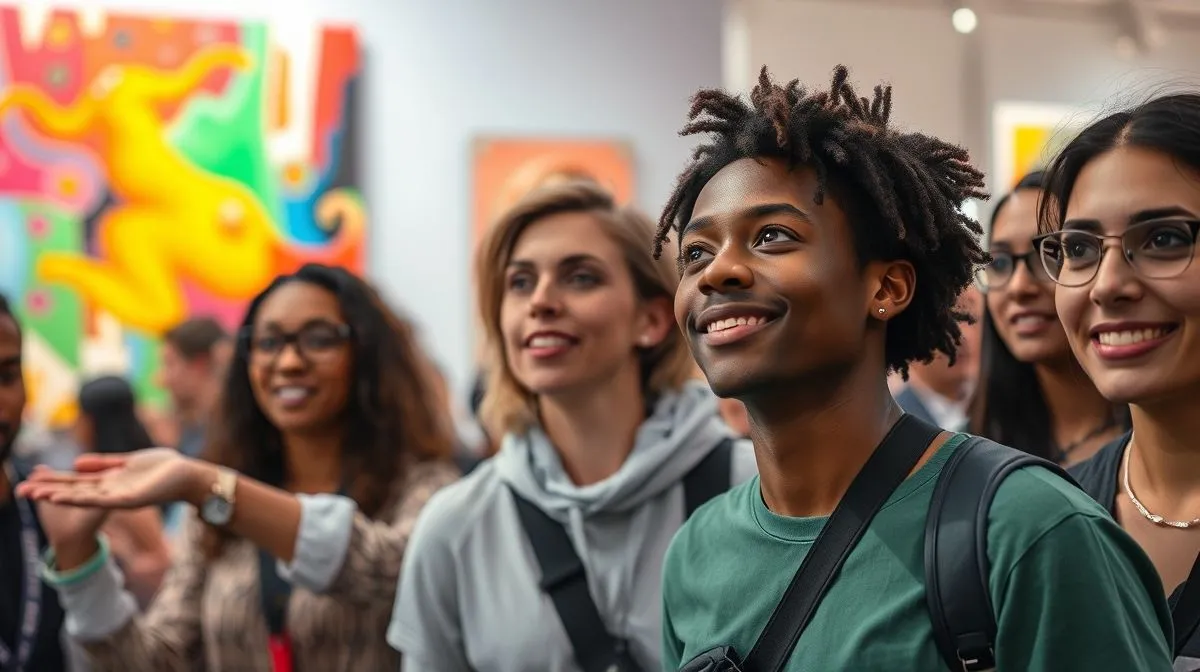
Navigating Your First Art Festival: Essential Tips for First-Time Art Festival Attendees
Have you ever walked into a space teeming with creativity, where every corner holds a new discovery, a fresh perspective waiting to be unveiled? Art festivals are vibrant tapestries woven from diverse artistic expressions, community spirit, and the sheer joy of creation. They offer a unique opportunity to connect directly with artists, explore groundbreaking works, and immerse yourself in a cultural experience unlike any other.
For many, the idea of attending an art festival for the first time can be both exhilarating and a little daunting. Where do you start? How do you make the most of it? What are the unwritten rules of engagement in a space so rich with visual and sensory stimuli? The sheer volume of art, the crowds, and the various activities can sometimes feel overwhelming, leading to a less fulfilling experience than anticipated.
This comprehensive guide will equip you with all the essential tips for first-time art festival attendees, ensuring your inaugural journey into this vibrant world is not just memorable, but truly enriching. From savvy pre-planning to responsible on-site navigation and even post-festival reflection, we'll cover everything you need to know to transform your visit into an unforgettable adventure of discovery and appreciation.
Why Attend an Art Festival? More Than Just a Gallery Visit
Art festivals are distinct from traditional gallery or museum visits. While galleries often present a curated selection from a specific artist or theme, and museums offer historical breadth, festivals are dynamic, often sprawling events that bring together hundreds, sometimes thousands, of artists from various disciplines. This direct interaction with the creators themselves is a game-changer.
Discovering New Artists and Styles
One of the primary draws of an art festival is the unparalleled opportunity to discover emerging talent and diverse artistic styles. You might encounter a local sculptor whose work resonates deeply with you, or a painter experimenting with techniques you've never seen before. Festivals are incubators for innovation, showcasing everything from traditional mediums to digital art, performance art, and interactive installations. It's a chance to broaden your artistic horizons significantly.
- Variety: Expect a wide array of mediums, including painting, sculpture, photography, ceramics, jewelry, textiles, and mixed media.
- Emerging Talent: Many festivals are platforms for artists who are just beginning to gain recognition, offering you the chance to acquire a piece from a future art star.
- Global Perspectives: Larger festivals often feature artists from different cultural backgrounds, introducing you to global artistic dialogues.
The Immersive Cultural Experience
Beyond the art itself, festivals are cultural events. They often feature live music, culinary delights from local vendors, workshops, and demonstrations. This creates an immersive, multi-sensory environment that celebrates creativity in its broadest sense. It's a community gathering, a place where art enthusiasts, artists, and curious onlookers converge to share a common passion.
The atmosphere is typically buzzing with energy, fostering a sense of camaraderie and shared excitement. This social aspect is a significant part of the festival appeal, making it a perfect outing for families, friends, or even a solo exploration. According to art market reports, the experiential aspect of art events is becoming increasingly important for engagement and appreciation.
Pre-Festival Planning: Laying the Groundwork for Success
A little preparation goes a long way in maximizing your art festival experience. Think of it as preparing for an exciting journey; the more you plan, the smoother and more enjoyable the ride will be.
Researching the Festival and Artists
Before you even step out the door, take some time to research the specific festival you're attending. Most festivals have comprehensive websites that list participating artists, a schedule of events, maps, and practical information like parking and accessibility. This pre-screening allows you to identify artists or types of art that particularly interest you.
- Artist Directory: Look for a list of exhibiting artists. Many include artist statements or portfolios.
- Schedule of Events: Check for live demonstrations, artist talks, workshops, or performances you might want to attend.
- Logistics: Understand the festival layout, entry points, and facilities.
Understanding the festival's focus, whether it's fine art, craft, or a specific regional style, can also help manage expectations and guide your exploration. For instance, a festival known for its contemporary art will offer a different experience than one specializing in traditional crafts. You can learn more about the diverse world of visual arts and its movements on Wikipedia.
Budgeting for Art and Experiences
Art festivals are fantastic places to acquire unique pieces, but it's wise to set a budget beforehand. This isn't just about how much you're willing to spend on art, but also factoring in admission fees (if any), food, drinks, and potential transportation costs. Having a clear budget helps prevent impulse purchases you might later regret and ensures you can enjoy all aspects of the festival without financial stress.
- Art Budget: Decide on a realistic range for potential art purchases.
- Incidental Costs: Account for food, beverages, parking, and souvenirs.
- Payment Methods: While many artists accept credit cards, it's always good to have some cash on hand for smaller purchases or vendors who might prefer it.
Practical Preparations: What to Wear and Bring
Comfort is key when you're planning to spend hours on your feet, exploring. Wear comfortable shoes, as you'll likely be doing a lot of walking. Dress in layers, as outdoor festivals can experience fluctuating temperatures. Sunscreen, a hat, and sunglasses are essential for daytime events. Consider bringing a reusable water bottle to stay hydrated, especially if the festival allows outside food and drink.
- Comfortable Attire: Prioritize shoes that support prolonged standing and walking.
- Weather Preparedness: Pack for sun, rain, or temperature changes.
- Essentials: Small backpack for water, snacks, hand sanitizer, and a portable charger for your phone.
- Shopping Bag: If you plan to buy small items, a reusable tote bag is helpful.
On-Site Navigation: Maximizing Your Festival Day
Once you arrive, the festival can feel like a sensory explosion. Having a strategy for how you'll navigate the event can significantly enhance your experience.
Strategy for Exploration: Don't Rush!
Resist the urge to rush through every booth. Instead, adopt a leisurely pace. Some attendees prefer to do a quick first pass to get an overview, noting booths they want to revisit. Others prefer to explore one section thoroughly before moving on. There's no single right way, but allowing yourself time to pause, observe, and absorb is crucial. Art, much like fine wine, benefits from thoughtful contemplation.
- Pacing: Don't try to see everything in the first hour.
- Breaks: Take breaks for food, drinks, or simply to sit and people-watch.
- Maps: Use the festival map to orient yourself and plan your route.
Engaging with Artists: Beyond a Quick Glance
One of the most enriching aspects of an art festival is the opportunity to speak directly with the artists. They are often present at their booths, eager to discuss their work. Don't be shy! Ask them about their inspiration, their process, or the story behind a particular piece. This interaction adds immense value to your appreciation and understanding of the art. It's a chance to learn directly from the creators.
- Ask Questions: Show genuine interest in their work and process.
- Share Your Thoughts: If a piece moves you, tell the artist why.
- Respect Their Time: Be mindful if they are busy with other customers.
- Business Cards: Collect cards if you want to follow up or explore more of their work online.
Understanding Art Pricing and Purchases
When it comes to purchasing art, don't be afraid to ask about pricing. Artists are accustomed to these questions. Some pieces may have prices clearly marked, while others might require you to inquire. Remember that you are investing in an artist's vision, skill, and livelihood. While some negotiation might be possible, especially for higher-priced items or multiple purchases, approach it respectfully. Understand that the price reflects not just materials, but years of dedication and unique creative labor. For insights into the art market, resources like Artsy's guide to buying art at a fair can be very helpful.
- Clarify Pricing: Ask if framing or shipping is included.
- Certificate of Authenticity: For original works, ask if a Certificate of Authenticity (COA) is provided.
- Shipping Options: If you buy a large piece, inquire about shipping arrangements.
Art Festival Etiquette: Being a Respectful and Informed Visitor
Just like any public gathering, art festivals have unspoken rules that contribute to a positive experience for everyone—artists, fellow attendees, and organizers alike. Adhering to these simple guidelines demonstrates respect and enhances the overall atmosphere.
Photography and Personal Space
While sharing your festival experience on social media is encouraged, always be mindful of photography policies. Some artists prefer that their work not be photographed, especially if it's still in the process of being copyrighted or if it's a unique installation. Always look for signage indicating photography restrictions, or simply ask the artist if it's okay to take a picture. When taking photos, be considerate of other attendees and avoid blocking pathways or views for extended periods.
- Ask First: If unsure, always ask the artist for permission to photograph their work.
- Be Mindful of Others: Avoid obstructing views or creating congestion.
- Respect Privacy: Be cautious when photographing people, especially children, without their explicit consent.
Handling Artwork and Displays
Unless explicitly invited to touch, assume that all artwork is for viewing only. Oils from hands can damage delicate surfaces, and even a slight bump can cause significant harm to sculptures or installations. Respect the display setups, ropes, and barriers. These are in place to protect the art and ensure a safe environment for everyone. Teach children to look with their eyes, not their hands.
- Look, Don't Touch: This is the golden rule unless permission is granted.
- Mind Your Belongings: Be careful with bags or backpacks that could accidentally brush against art.
- Supervise Children: Ensure young attendees understand and follow these guidelines.
Supporting Artists Ethically
Art festivals are the primary livelihood for many artists. Even if you don't purchase a piece, there are many ways to support them ethically. Engaging in meaningful conversations, sharing their social media handles, or simply leaving positive feedback can be incredibly valuable. If you truly love a piece but cannot afford it, consider sharing the artist's information with friends who might be interested. Your enthusiasm and advocacy can go a long way.
- Engage: Have respectful conversations.
- Share: Promote artists you love on social media (with their permission).
- Provide Feedback: Offer genuine compliments.
Common Pitfalls and How to Avoid Them
Even with the best intentions, a first-time art festival attendee might encounter a few common challenges. Awareness is the first step to avoiding them and ensuring a smooth experience.
Overwhelm and Decision Fatigue
With hundreds of artists and thousands of pieces, it's easy to feel overwhelmed. Decision fatigue can set in, making it hard to appreciate individual works or decide on a purchase. This is where pre-planning and pacing come in. Don't feel pressured to see every single booth or make a purchase if nothing truly resonates. Take breaks, step outside for fresh air, and revisit areas if needed.
- Prioritize: Focus on a few artists or sections that truly interest you.
- Take Breaks: Step away from the art for a few minutes to recharge.
- Trust Your Instincts: If a piece doesn't immediately speak to you, move on.
Impulse Buys vs. Thoughtful Acquisitions
The vibrant atmosphere and the excitement of discovery can sometimes lead to impulse purchases. While a spontaneous acquisition can sometimes be a delightful surprise, it's generally better to make thoughtful decisions, especially for larger investments. Take a moment to consider if the piece truly fits your space, your aesthetic, and your budget. Don't feel pressured by an artist or the crowd.
- Take a Photo: If allowed, photograph the piece and revisit it after seeing more.
- Consider Your Space: Visualize where the art would go in your home or office.
- Sleep on It: For significant purchases, if possible, take time to think before committing.
Missing Out on Unique Opportunities
Sometimes, focusing too much on buying or seeing everything can lead to missing out on the unique, less obvious opportunities a festival offers. This could be a spontaneous street performance, an engaging artist demonstration, or a chance to taste a local delicacy. Keep an open mind and allow for serendipity. The best festival memories often come from unexpected moments.
- Check the Schedule: Be aware of performance times or workshops.
- Wander: Allow yourself to stray from your planned path.
- Engage: Participate in interactive installations or discussions.
Beyond the Purchase: Cherishing Your Festival Memories
The art festival experience doesn't end when you leave the grounds. There are ways to extend the joy and continue your connection to the art and artists you discovered.
Documenting Your Experience
Whether through photos (with permission, of course!), a small notebook of observations, or simply sharing stories with friends, documenting your experience helps solidify the memories. If you purchased art, take a picture of it in its new home. This creates a personal archive of your artistic journey and discoveries.
- Photo Album: Create a digital or physical album of your favorite pieces and moments.
- Journaling: Jot down thoughts, artist names, and inspirations.
- Share with Friends: Recount your favorite discoveries and experiences.
Integrating New Art into Your Life
If you've acquired a new piece of art, take the time to find the perfect spot for it. Consider lighting, surrounding decor, and how the piece contributes to the overall ambiance of your space. Art is meant to be lived with, to inspire, and to spark conversation. Integrating it thoughtfully into your daily life ensures its continued enjoyment and impact.
- Placement: Experiment with different locations for your new acquisition.
- Lighting: Ensure the art is well-lit to showcase its details and colors.
- Care: Understand any specific care instructions from the artist to preserve your piece.
Frequently Asked Questions (FAQ)
What's the best time to arrive at an art festival? Arriving early, right when the festival opens, often provides a less crowded experience, allowing for more intimate interactions with artists and better viewing of the art. Later in the day can be more bustling.
Can I bring my pet to an art festival? Most art festivals have a strict no-pet policy, with the exception of service animals. Always check the festival's official website or guidelines beforehand to avoid disappointment.
Is it okay to haggle over art prices? While some artists might be open to slight negotiation, especially for multiple purchases or at the end of the festival, it's generally not expected in the same way as at a flea market. Approach the conversation respectfully, if at all. Remember, you're investing in unique creations.
How do I transport larger art pieces I purchase? Many artists offer shipping services for larger works, or they can recommend local shipping companies. For smaller pieces, ensure you have a safe way to carry them, perhaps a sturdy tote bag or art tube. Discuss logistics with the artist at the time of purchase.
Are art festivals kid-friendly? Many art festivals are very kid-friendly, often featuring dedicated children's activity zones, interactive art installations, and family-oriented performances. However, always check the festival's specific offerings and be prepared to supervise children closely, especially around delicate artwork.
Recommended Reading
- Eco-Friendly Travel: How It Impacts Local Communities Positively
- Glamping for Nature Immersion: Unlock the Benefits Now!
- Decoding Space Tourism: Commercial Spaceflight Safety Regulations Explained
- Ultimate Guide: Navigating International Air Travel with Your Service Dog
- The Ultimate Guide: How to Budget for Student Travel Abroad Effectively?
Conclusion
Attending your first art festival is an incredible journey into the heart of creativity and community. By embracing these tips for first-time art festival attendees, from thoughtful pre-planning and mindful navigation to respectful engagement with artists and their work, you're not just visiting an event; you're stepping into a vibrant ecosystem of artistic expression. Allow yourself to be captivated, to learn, and to connect with the stories behind the brushstrokes and sculptures. Your inaugural festival experience will undoubtedly be a rich tapestry of discovery, leaving you with lasting memories and perhaps even a cherished piece of art to adorn your life. Go forth, explore, and let the art move you!

Your email address will not be published. Required fields are marked *