

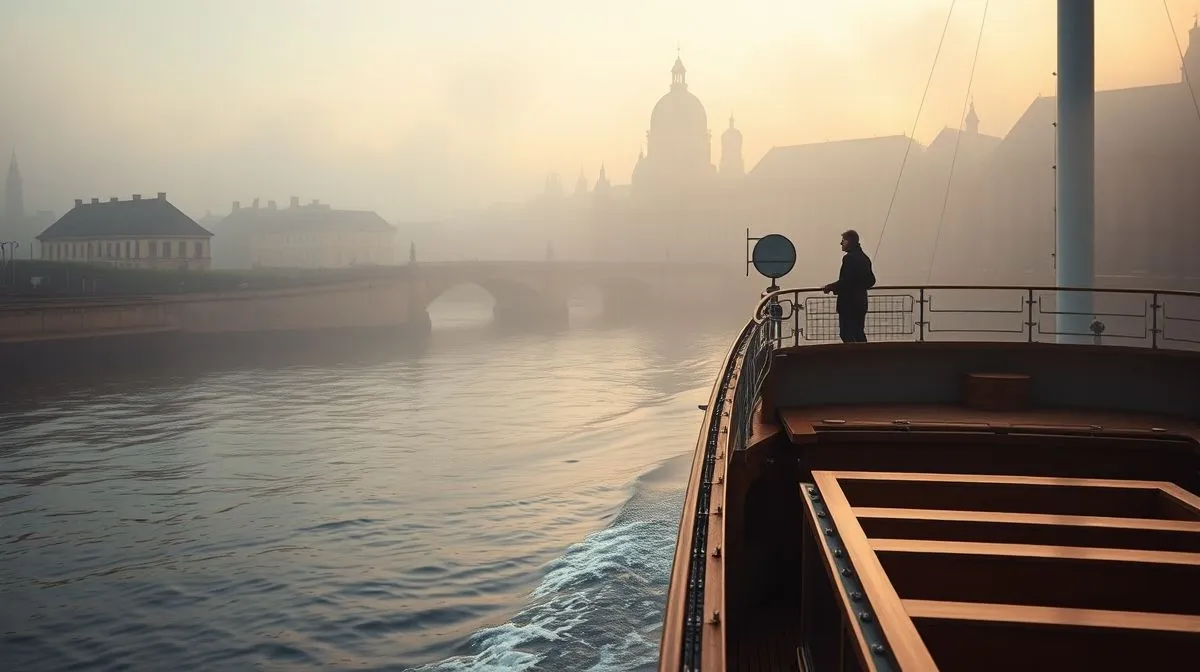
Using a River Cruise to Effectively Combat Executive Burnout?
For over two decades in the travel and wellness sectors, I've observed a recurring phenomenon: brilliant, driven executives reaching the pinnacle of their careers only to find themselves utterly depleted. It's a silent epidemic, often masked by outward success, leading to decreased productivity, fractured relationships, and a profound sense of disillusionment.
The traditional advice for executive burnout often involves a quick beach holiday or a high-octane adventure, but in my experience, these rarely address the root cause of deep-seated exhaustion. They're like putting a small band-aid on a gaping wound – temporary relief, but no true healing.
Today, I want to introduce you to an unconventional yet profoundly effective strategy for recovery: using a river cruise to effectively combat executive burnout. This isn't just about a vacation; it's about a curated journey of restoration, designed to recalibrate the mind, body, and spirit of the most demanding professionals. You'll discover actionable frameworks, real-world insights, and a clear path to sustainable well-being.
The Silent Epidemic: Executive Burnout Defined and Its Cost
Before we dive into solutions, let's truly understand the adversary. Executive burnout isn't just feeling tired; it's a state of chronic physical and emotional exhaustion, often accompanied by cynicism and a sense of ineffectiveness. It's the culmination of prolonged, unmanaged stress, a state recognized by the World Health Organization as an occupational phenomenon.
I've seen its insidious effects firsthand. Leaders who once exuded passion become disengaged; their decision-making sharpens into cynicism; their innovative spark dims. The cost isn't just personal; it's professional. A burned-out executive impacts team morale, strategic direction, and ultimately, the bottom line. According to a study published in the Harvard Business Review, burnout is more about the workplace environment than the individual, highlighting the systemic nature of the problem.
Many executives push through, believing resilience is about enduring endless pressure. But true resilience, I've learned, is about strategic recovery. It’s about knowing when and how to step back to recharge, not just to survive, but to thrive again. Without this intentional recovery, the cycle of exhaustion only deepens, making effective comeback increasingly challenging.
Why Traditional Escapes Often Fall Short for Executives
When an executive finally decides to take a break, their first instinct is often to book a fast-paced trip: a week in a bustling city, a packed itinerary of sightseeing, or an adrenaline-fueled adventure. While these experiences have their place, they rarely provide the deep rest and mental decompression necessary to combat executive burnout effectively.
Consider the typical 'vacation' for a high-achiever. It often involves racing from one attraction to another, constantly checking emails 'just in case,' or feeling pressure to 'do it all.' This isn't recovery; it's merely a change of scenery for the same high-intensity mindset. The brain remains on high alert, processing new information at a rapid pace, rather than slowing down and disengaging.
Furthermore, many traditional resorts, while luxurious, can still feel isolating or, paradoxically, overwhelming with their myriad of options and constant activity. The very environment designed for relaxation can become another source of decision fatigue for a mind already burdened with countless choices. What's needed is a different rhythm, a gentle unspooling of tension, not just a temporary distraction.
The Unique Allure of River Cruises for Recovery
This is where the magic of a river cruise truly shines as a potent antidote for executive burnout. Unlike ocean cruises, which can feel like floating cities, river cruises offer an intimate, slow-paced journey through the heart of diverse cultures. This unique blend creates an environment uniquely suited for profound restoration.
Slow Travel: A Balm for the Overworked Mind
A river cruise operates at a deliberately unhurried pace. You glide through landscapes, watching the world unfold from your panoramic window. There’s no rush, no constant packing and unpacking, no frantic dashes to airports. This inherent slowness forces your brain to downshift from its usual high-speed processing mode. It's akin to moving from a chaotic symphony to a peaceful, melodic sonata, allowing your nervous system to regulate and truly relax. This 'slow travel' philosophy is crucial for deep recovery.
Curated Enrichment, Not Over-Stimulation
River cruise itineraries are expertly curated, offering a balance of cultural excursions, historical insights, and ample free time. You visit charming towns, ancient castles, and vibrant markets, but these experiences are interspersed with long stretches of peaceful cruising. This prevents the sensory overload common in other forms of travel. You absorb, reflect, and learn without feeling overwhelmed, fostering genuine intellectual and emotional engagement rather than superficial consumption.
The Gentle Nudge Towards Digital Disconnect
While Wi-Fi is often available, the natural flow and beauty of a river cruise subtly encourage a digital detox. The ever-changing scenery outside your window, the camaraderie with fellow passengers, and the inherent tranquility of the journey provide compelling alternatives to screen time. I've witnessed countless executives, initially tethered to their devices, gradually let go, finding far more compelling engagement in the present moment. This enforced, yet gentle, disconnect is vital for mental clarity and emotional recalibration.
"True recovery from burnout isn't about escaping reality; it's about reconnecting with your inner self in a nurturing environment that allows for genuine rest and reflection."
Crafting Your Burnout-Busting River Cruise Itinerary
Choosing the right river cruise is paramount to ensuring it effectively combats executive burnout. It's not a one-size-fits-all solution; personalization is key. Here’s how to approach it:
- Define Your Recovery Goals: Are you seeking complete digital detox, cultural immersion with relaxation, or a mix of both? If stress reduction is paramount, prioritize itineraries with more scenic cruising days and fewer back-to-back excursions. If mental stimulation is part of your recovery, look for themed cruises (e.g., wine, history, art).
- Consider the Destination: European rivers (Rhine, Danube, Seine, Douro) offer rich history and charming towns. Asian rivers (Mekong, Yangtze) provide exotic cultural immersion. The Amazon offers unparalleled nature. Each offers a distinct flavor of escape and restoration. For first-time burnout recovery, a serene European itinerary often provides the ideal balance of comfort and gentle engagement.
- Research the Cruise Line's Vibe: Some lines are more active, offering biking excursions and more structured activities. Others are known for their quiet luxury and emphasis on relaxation. Read reviews, look at passenger demographics, and speak to a travel advisor specializing in river cruises. You want a ship that aligns with your preferred pace of recovery.
- Plan for Pre and Post-Cruise Downtime: Resist the urge to pack your travel days tight. Arrive a day or two early at your embarkation city to decompress before boarding. Similarly, schedule a buffer day or two upon return before diving back into work. This prevents a jarring transition and allows you to integrate the benefits of your cruise more smoothly.
- Communicate Your Needs: Inform your travel advisor or the cruise line about any specific dietary needs or preferences for quietude. Most lines are adept at accommodating discerning travelers.
Maximizing Your Onboard Wellness & Recovery
Once aboard, the environment is set for recovery, but your active participation in embracing it will amplify the benefits. This isn't about 'doing nothing' but about 'being present' in a way that rejuvenates you.
- Embrace the View: Spend significant time on deck or on your balcony. The constant, gentle motion of the boat and the ever-changing scenery are incredibly meditative. This visual flow helps quiet a busy mind, offering a natural form of mindfulness.
- Prioritize Sleep: The gentle rocking of the boat and the quiet environment are conducive to deep, restorative sleep. Resist the urge to stay up late every night. Give your body the rest it desperately needs.
- Savor the Cuisine: River cruises are renowned for their excellent, regionally inspired cuisine. Eat mindfully, savoring each meal. This is a sensory pleasure that can be lost in the rush of executive life.
- Engage Selectively: Participate in onboard activities or shore excursions that genuinely interest you. Don't feel obligated to do everything. If a quiet afternoon reading on deck calls to you more than a city tour, follow that impulse.
- Limit Digital Device Use: While tempting, try to set specific times for checking emails or using social media. Better yet, declare a full digital detox for the duration of the cruise. The world will not stop if you unplug for a week or two.
- Connect with Others (or Not): River cruises foster a friendly, communal atmosphere. Engage in conversations with fellow passengers if you feel inclined, but also give yourself permission for solitude. The balance is yours to strike.
By consciously leaning into the unique rhythm of the river, you transform a vacation into a powerful wellness retreat, effectively using a river cruise to combat executive burnout at its core.
Beyond the Horizon: Sustaining Your Well-being Post-Cruise
The true measure of a successful burnout recovery journey isn't just how good you feel on the cruise, but how effectively you integrate those feelings and insights back into your daily life. A river cruise provides the reset button; it's up to you to maintain the new, healthier operating system.
Case Study: Sarah's Journey from Exhaustion to Empowerment
Sarah, a high-flying tech executive, came to me utterly drained. Her days were a blur of back-to-back meetings, her nights riddled with anxiety about the next day. She'd tried traditional vacations, but the stress would return within days of her return. I recommended a 10-day Danube river cruise, focusing on scenic beauty and gentle cultural immersion. During her cruise, she intentionally unplugged, spent hours on her balcony meditating, and engaged in deep conversations with other passengers about life beyond work. Upon her return, she implemented a strict 'no-emails-after-7 PM' rule, scheduled 15-minute 'mindfulness breaks' throughout her workday, and continued her newfound appreciation for slow, deliberate meals. Six months later, Sarah reported sustained energy, improved focus, and a significant reduction in anxiety. Her experience demonstrated the lasting power of a deliberate river cruise reset, followed by conscious lifestyle changes.
To sustain the benefits, consider these actionable steps: schedule 'unplugged' blocks in your week, integrate short mindfulness practices, prioritize quality sleep, and continue to seek out moments of 'slow living' – whether it's a long walk, a quiet coffee, or simply gazing out a window. As Forbes often highlights, strategic rest is not a luxury but a necessity for sustained leadership performance.
The Investment: Is a River Cruise Worth It for Executive Recovery?
Let's address the elephant in the room: the cost. A luxury river cruise is an investment, not a cheap getaway. Prices can range from several thousand dollars to tens of thousands, depending on the itinerary, duration, and level of luxury. However, when considering using a river cruise to effectively combat executive burnout, it's crucial to view this cost not as an expense, but as an investment in your most valuable asset: yourself.
Consider the alternative: the hidden costs of unaddressed burnout. These include decreased productivity, increased healthcare expenditures, higher turnover rates (for your team, due to your diminished leadership), and the immeasurable personal toll on mental and physical health. A study from the American Psychological Association consistently points to work-related stress as a major contributor to health issues.
When you invest in a profound recovery experience like a river cruise, you are investing in renewed clarity, enhanced creativity, improved decision-making capabilities, and a return to peak performance. It's an investment in sustainable leadership, ensuring you can continue to contribute at your highest level without sacrificing your well-being. Think of it as a strategic retreat for your most critical resource.
Frequently Asked Questions (FAQ)
Question? I'm worried I'll get bored on a river cruise if it's too slow. How do I balance relaxation with engagement?
Detailed answer: This is a common concern for high-energy executives. The beauty of a river cruise lies in its flexibility. While the pace is generally slow, itineraries are packed with engaging shore excursions (walking tours, museum visits, cooking classes). You can choose to participate in as many or as few as you like. The key is to listen to your body and mind. If you're feeling overwhelmed, opt for a quiet afternoon on deck. If you're recharged and curious, join an excursion. Many executives find the balance liberating – the option to engage without the pressure to do so.
Question? Will I be able to stay connected to my office if necessary, or is it truly a 'digital detox' environment?
Detailed answer: Most modern river cruise ships offer Wi-Fi, often included in the fare, though the speed can vary depending on the location and specific cruise line. So, yes, you can stay connected if absolutely necessary. However, I strongly encourage clients to set strict boundaries for work communication. Perhaps designate a specific hour each day for checking critical emails, and then fully disconnect. The true value of the cruise for burnout recovery comes from stepping away from constant connectivity, not merely changing your office location.
Question? Are river cruises suitable for solo travelers, or are they mostly for couples/groups?
Detailed answer: River cruises are surprisingly excellent for solo travelers. Their smaller size fosters a more intimate and friendly atmosphere than large ocean liners. Many cruise lines offer 'solo traveler' deals or specific departures with no single supplement. The shared dining tables and organized excursions make it easy to meet people if you wish, but there's also ample opportunity for quiet solitude. It's a wonderful environment to reconnect with yourself without feeling isolated.
Question? What's the best time of year or specific river for an executive seeking deep relaxation and minimal crowds?
Detailed answer: For deep relaxation and fewer crowds, consider the shoulder seasons (April-May or September-October) in Europe. The weather is generally pleasant, and popular sites are less congested than in peak summer. The Danube and Rhine are classic choices, offering beautiful scenery and rich history. For ultimate tranquility, look into lesser-known routes or specific themed cruises that might attract a more niche, relaxed crowd. Always consult with a specialized travel advisor who can match your specific needs to the perfect itinerary.
Recommended Reading
- Uncover the Secret: How to Plan Travel for International Food Festivals Like a Pro
- Unlocking the Style Secrets: What to Wear to a Fancy Rooftop Bar in a City Break?
- Unlocking City Secrets: Your Ultimate Guide to Hidden Gems in Vibrant City Breaks
- Epic Family Friendly National Park Road Trips USA: Your Ultimate Guide
- Unlock Hotel Accessibility: Best Ways to Confirm Features Before You Go
Key Takeaways and Final Thoughts
The journey to combat executive burnout is a crucial one, demanding a strategic, intentional approach. A river cruise, with its unique blend of slow travel, curated experiences, and natural digital detachment, offers an unparalleled pathway to profound recovery.
- Burnout is a systemic issue, not a personal failing, requiring intentional recovery.
- Traditional vacations often fall short, failing to provide true mental decompression.
- River cruises offer a unique 'slow travel' rhythm conducive to deep rest and reflection.
- Strategic planning, from itinerary selection to onboard choices, maximizes recovery.
- Sustaining well-being post-cruise requires integrating new habits into daily life.
- The cost of a river cruise is an investment in your most valuable asset: your well-being and leadership capacity.
As a seasoned industry expert, I've seen the transformative power of these journeys. Investing in your well-being isn't a luxury; it's a strategic imperative for sustained success and a fulfilling life. Embrace the gentle current of a river cruise, and allow it to carry you back to a place of renewed vitality, clarity, and purpose. Your career, and more importantly, your life, will thank you for it.



Your email address will not be published. Required fields are marked *