

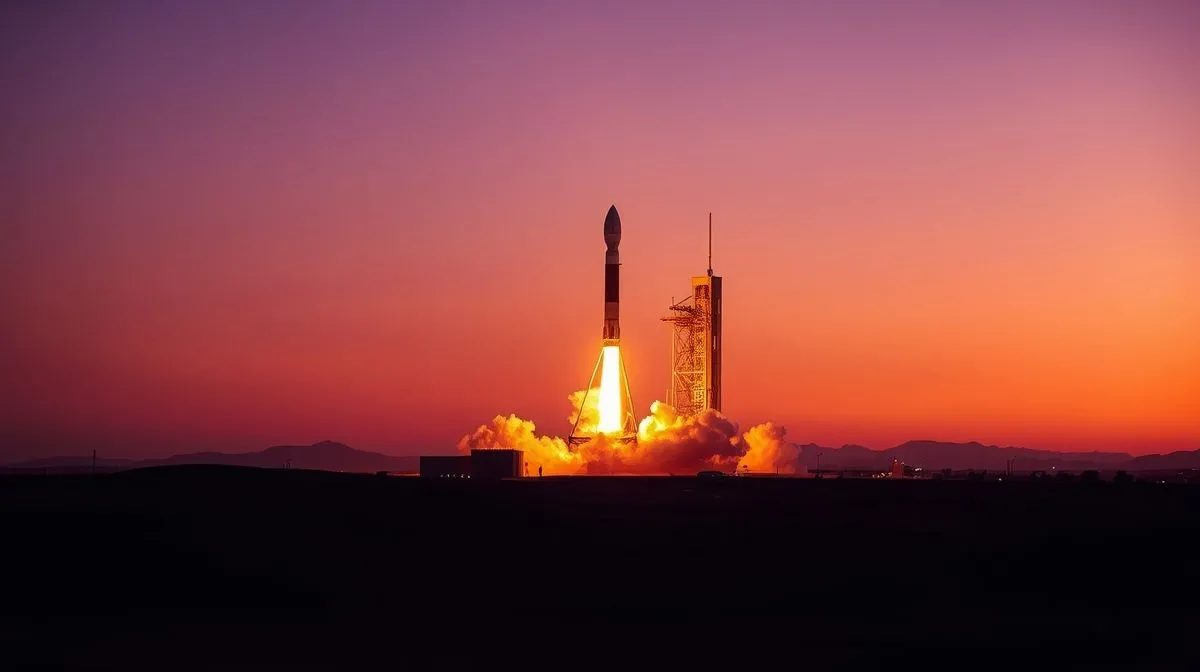
How Safe Are Private Space Tourism Rocket Launches?
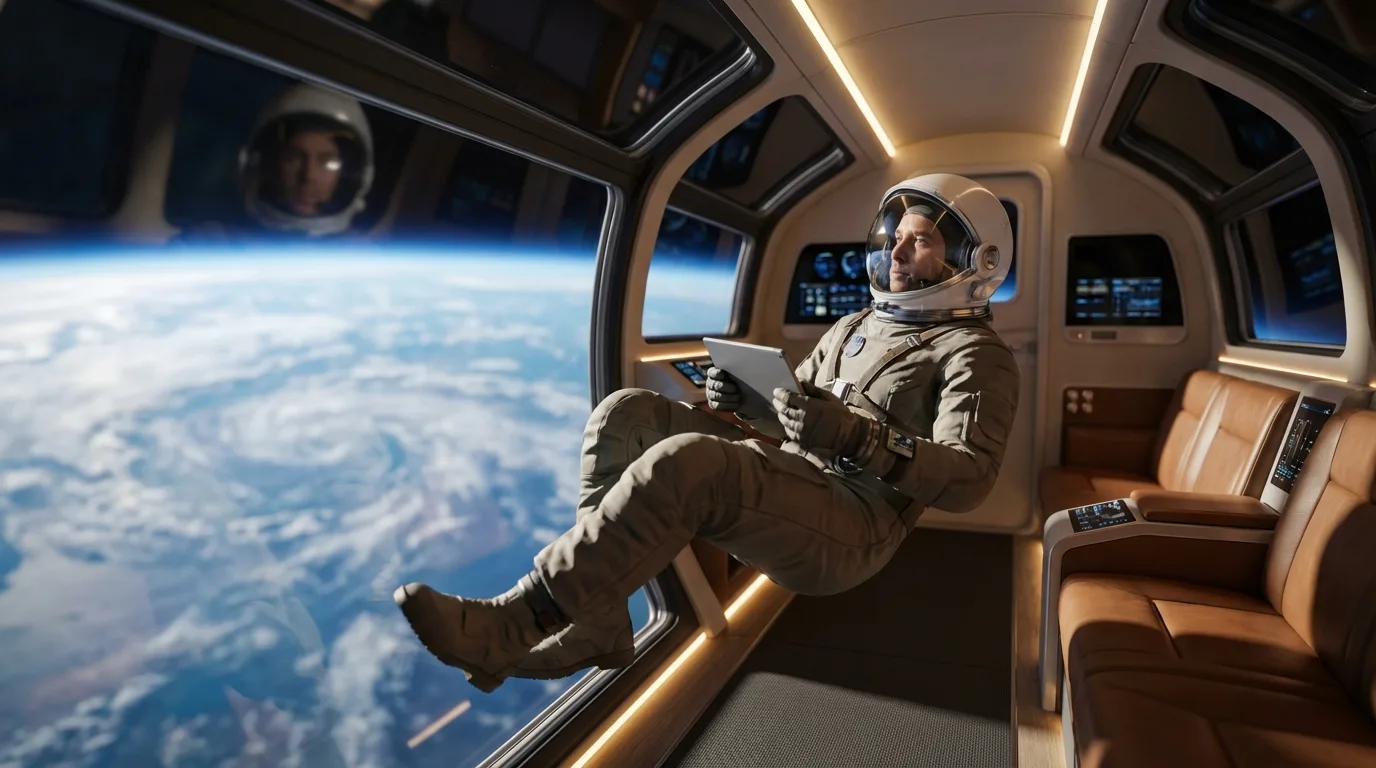
Once the exclusive domain of governments and highly trained astronauts, the dream of venturing beyond Earth's atmosphere is now becoming a tangible reality for private citizens. Imagine gazing upon our pale blue dot from the blackness of space, a privilege once unimaginable for the average person. But as private companies like SpaceX, Blue Origin, and Virgin Galactic push the boundaries of commercial spaceflight, a crucial question arises for aspiring space tourists: just how safe are private space tourism rocket launches?
The allure of space is undeniable, yet the inherent risks of rocketry are equally apparent. Every launch is a symphony of immense power, complex engineering, and extreme forces, pushing the limits of human ingenuity and material science. For those contemplating this extraordinary journey, concerns about safety protocols, regulatory oversight, and the industry's track record are paramount. It's a natural apprehension when considering an endeavor that involves speeds and environments far beyond everyday experience.
This comprehensive guide will delve deep into the multifaceted aspects of private space tourism safety. We will explore the rigorous engineering and testing processes, the regulatory frameworks governing this nascent industry, the extensive training required for space tourists, and the continuous innovations aimed at making space travel increasingly secure. By the end of this reading, you will possess a clearer understanding of the measures in place to ensure passenger well-being and the evolving landscape of commercial human spaceflight safety.
The Dawn of Commercial Spaceflight: A New Era of Accessibility
The privatization of space travel marks a pivotal shift from government-led missions to a vibrant commercial sector. This transformation is not merely about launching rockets; it's about democratizing access to space, opening up new frontiers for exploration, research, and, ultimately, tourism.
From Government Monopolies to Private Ventures
For decades, space exploration was primarily the domain of national space agencies like NASA, Roscosmos, and ESA. These entities, driven by scientific discovery, geopolitical competition, and national prestige, developed the foundational technologies for human spaceflight. However, the high costs and slow pace of government programs created an opportunity for private enterprise. Visionary entrepreneurs saw the potential to innovate, reduce costs, and accelerate development by applying commercial principles to space technology. This shift began with satellite launches and cargo resupply to the International Space Station, gradually paving the way for human spaceflight.
The Visionaries Behind the Boom
The current boom in private space tourism is largely thanks to a handful of influential figures and their companies. Elon Musk's SpaceX revolutionized the industry with reusable rockets, significantly driving down launch costs. Jeff Bezos's Blue Origin is focused on making space travel routine and accessible, starting with suborbital flights. Richard Branson's Virgin Galactic offers a unique air-launched system for a brief but profound experience at the edge of space. These companies, driven by a blend of passion, profit, and a desire to expand humanity's reach, are investing billions into developing safe and reliable spacecraft and launch systems, fundamentally changing the question of how safe are private space tourism rocket launches into a practical challenge they are actively solving.
Understanding the Risks: What Makes Space Travel Inherently Dangerous?
Despite technological advancements, space travel remains an inherently risky endeavor. Understanding these risks is the first step in appreciating the extensive safety measures put in place by private space tourism companies.
The Physics of Launch and Re-entry
A rocket launch is an act of controlled explosion. Tremendous amounts of energy are required to overcome Earth's gravity and accelerate a vehicle to orbital or suborbital velocities. This process involves:
- Immense Forces: Passengers experience several G-forces during ascent and re-entry, putting significant strain on the body.
- Extreme Temperatures: Engines generate superheated plasma, while re-entry involves friction that heats the spacecraft's exterior to thousands of degrees.
- Vibration and Noise: The sheer power of the engines creates intense vibrations and deafening noise, requiring robust structural design and noise dampening.
Any deviation from the precise trajectory or engine performance can have catastrophic consequences, emphasizing the need for flawless execution and multiple redundant systems.
Environmental Challenges Beyond Earth
Once a spacecraft leaves the protective embrace of Earth's atmosphere, it faces a hostile environment:
- Vacuum of Space: The absence of air requires a perfectly sealed cabin to maintain a breathable atmosphere and prevent fluids from boiling.
- Radiation: Beyond Earth's magnetic field, passengers are exposed to solar radiation and cosmic rays, necessitating shielding.
- Micrometeoroids and Orbital Debris (MMOD): Even tiny particles can cause significant damage at orbital velocities, requiring robust hull designs and debris tracking.
These environmental factors present unique engineering challenges that must be meticulously addressed to ensure passenger safety.
Human Factors and Mechanical Failures
Even with the most advanced technology, human error and mechanical failures remain potential risks. These can include:
- Design Flaws: Errors in engineering or manufacturing, though rare, can lead to critical system failures.
- Software Glitches: Complex software systems control every aspect of a flight, and bugs or vulnerabilities can pose risks.
- Operational Errors: While automated systems reduce human involvement, ground control and crew actions still play a vital role.
Mitigating these risks involves rigorous testing, extensive training, and the implementation of robust quality control processes.
Rigorous Safety Protocols: The Foundation of Trust
To counter the inherent risks of space travel, private space tourism companies implement incredibly stringent safety protocols that often exceed those found in commercial aviation. These protocols are the bedrock upon which trust in commercial spaceflight is built.
Design and Engineering Standards
Every component of a space vehicle, from the smallest bolt to the largest engine, is designed and engineered to withstand extreme conditions and perform flawlessly. This includes:
- Redundancy: Critical systems often have multiple backups, so if one fails, another can take over seamlessly. This 'fail-safe' approach is paramount.
- Robust Materials: Only the most advanced, high-strength, and heat-resistant materials are used, often developed specifically for aerospace applications.
- Fault Tolerance: Systems are designed to continue operating even if minor faults occur, preventing small issues from escalating into major problems.
- Strict Margins: Components are built to perform well beyond the expected stresses and strains, providing a significant safety margin.
The design phase alone can take years, involving countless simulations and analyses to identify and mitigate potential failure points.
Extensive Testing and Validation
Before any human steps aboard a commercial spacecraft, the vehicle and its systems undergo an exhaustive series of tests. This validation process is multi-layered:
- Component Testing: Individual parts are tested to their breaking point to ensure they meet specifications.
- Subsystem Testing: Integrated groups of components (e.g., propulsion, life support) are tested together.
- Full-Scale Ground Testing: Entire vehicles are subjected to simulations of flight conditions, including structural stress tests, thermal vacuum chamber tests, and acoustic tests.
- Uncrewed Test Flights: The ultimate validation comes from uncrewed test flights, where the spacecraft performs its mission profile without passengers, allowing engineers to gather real-world data and fine-tune systems.
Any anomaly, no matter how minor, triggers a thorough investigation and often a redesign or retest, ensuring that only proven systems are used for crewed missions.
Emergency Preparedness and Abort Systems
Despite all precautions, the possibility of an in-flight anomaly always exists. Therefore, robust emergency procedures and abort systems are critical:
- Launch Abort Systems (LAS): For crewed orbital vehicles, an LAS can quickly separate the crew capsule from a failing rocket during ascent, carrying the passengers to safety.
- In-Flight Contingencies: Crews and ground control are trained to handle a wide array of potential malfunctions, from minor system errors to more severe emergencies.
- Rapid Response Teams: Dedicated teams are on standby at launch and landing sites, ready to respond to any incident.
- Emergency Egress Training: Passengers are trained on how to exit the vehicle swiftly in an emergency on the ground.
These layers of safety demonstrate a profound commitment to protecting human life, even in the most extreme circumstances.
Regulatory Oversight: Who Ensures Safety in the Commercial Sphere?
Unlike traditional government space programs, private space tourism falls under specific regulatory frameworks designed to ensure public safety and protect passengers. This oversight is crucial for building confidence in the nascent industry.
The Role of the FAA (Federal Aviation Administration)
In the United States, the Federal Aviation Administration's Office of Commercial Space Transportation (FAA AST) is the primary regulatory body for private spaceflight. The FAA AST:
- Licenses and Permits: Issues licenses for launch and re-entry operations, and permits for experimental flights.
- Public Safety: Focuses on protecting the uninvolved public and property on the ground during launch and landing.
- Commercial Space Launch Act: Operates under this act, which provides the legal framework for commercial space activities.
- Informed Consent: Requires space tourism operators to inform passengers of the inherent risks, as the FAA currently has limited authority over the safety of spaceflight participants themselves, operating under a 'learning period' to allow the industry to mature.
This regulatory body plays a critical role in balancing innovation with public safety, ensuring that operators meet minimum safety standards for their vehicles and operations.
International Cooperation and Standards
While national agencies like the FAA oversee domestic operations, the global nature of space travel necessitates international cooperation. Organizations like the United Nations Office for Outer Space Affairs (UNOOSA) work towards:
- Treaties and Principles: Establishing international legal frameworks for space activities.
- Best Practices: Encouraging the adoption of common safety and operational standards across different nations.
As space tourism expands globally, harmonized international standards will become increasingly important to ensure a consistent level of safety.
"Informed Consent" and Passenger Responsibility
A unique aspect of private space tourism regulation, particularly in the US, is the concept of "informed consent." Due to the experimental nature of human spaceflight and the desire to foster industry growth, the FAA currently requires operators to inform passengers in writing about the risks involved, but does not regulate the safety of spaceflight participants to the same degree as commercial airline passengers. This means:
- Passengers acknowledge the significant risks, including death or serious injury.
- They waive certain rights to sue operators for negligence.
This approach places a greater onus on the individual to understand and accept the risks, a point that differentiates space tourism from more mature forms of transportation like commercial aviation. It is a critical part of understanding how safe are private space tourism rocket launches from a legal and personal responsibility perspective.
Training and Preparation for Space Tourists
Becoming a space tourist isn't as simple as buying a ticket and showing up at the launchpad. Extensive preparation and training are required to ensure passengers are physically and psychologically ready for the unique challenges of spaceflight.
Pre-flight Medical Assessments
Before being cleared for space travel, prospective tourists undergo rigorous medical evaluations similar to those for astronauts. These assessments aim to:
- Identify any pre-existing conditions that could be exacerbated by the G-forces, vibrations, or vacuum of space.
- Ensure a basic level of fitness and cardiovascular health.
- Assess psychological stability and ability to handle stressful situations.
These medical checks are designed to minimize the risk of in-flight medical emergencies and ensure passengers can safely tolerate the flight environment.
Simulator Training and Emergency Drills
Just like professional pilots, space tourists undergo comprehensive training in simulators. This training includes:
- Flight Profile Familiarization: Understanding each phase of the mission, from pre-launch to landing.
- G-Force Tolerance: Experiencing simulated G-forces to prepare the body for acceleration and re-entry.
- Emergency Procedures: Practicing responses to various in-flight emergencies, such as cabin depressurization or abort scenarios.
- Cabin Familiarization: Learning how to operate safety equipment and move within the spacecraft cabin.
These drills are crucial for building muscle memory and ensuring passengers can react appropriately and calmly if an unexpected event occurs.
Psychological Preparedness
Spaceflight can be an intense psychological experience. Companies also focus on preparing passengers for:
- Confinement: Being in a small, enclosed space for an extended period.
- Isolation: The unique feeling of being detached from Earth.
- Stress Management: Techniques to cope with the high-stakes environment.
This holistic approach to training ensures that passengers are not only physically capable but also mentally resilient enough to enjoy and safely complete their journey.
Track Record and Incidents: Learning from the Past
While the private space tourism industry is relatively new, it stands on the shoulders of decades of government spaceflight experience. It also has its own emerging track record, from which valuable lessons are continuously learned.
Early Setbacks and Lessons Learned
The journey to safe commercial spaceflight has not been without its challenges. Perhaps the most significant incident for the private space tourism sector was the 2014 crash of Virgin Galactic's VSS Enterprise during a test flight. This tragic event resulted in the death of one test pilot and serious injury to another. Investigations, including by the National Transportation Safety Board (NTSB), revealed that the co-pilot prematurely unlocked the spacecraft's re-entry 'feathering' system. This incident, while devastating, led to:
- Rigorous Redesign: Virgin Galactic implemented significant design changes to prevent similar errors, including an automated feathering system that cannot be unlocked too early.
- Enhanced Training: Greater emphasis on human factors and procedural adherence in pilot training.
- Industry-Wide Reflection: A renewed focus across the industry on the critical importance of robust safety checks and redundant systems, highlighting just how seriously the question of how safe are private space tourism rocket launches is taken.
Other incidents, such as uncrewed rocket failures by various companies, also provide critical data points, leading to continuous improvements in design, manufacturing, and operational procedures.
The Continuous Improvement Cycle
The aerospace industry operates on a principle of continuous improvement. Every test flight, every component failure (even in simulations), and every anomaly is meticulously analyzed. This data feeds back into:
- Design Iterations: Refining vehicle architecture and systems.
- Manufacturing Processes: Improving quality control and assembly techniques.
- Operational Procedures: Updating checklists, flight rules, and emergency protocols.
- Training Programs: Incorporating new lessons into pilot and ground crew training.
This iterative process, combined with a culture of transparency and learning from mistakes, is fundamental to the long-term safety and reliability of private space tourism.
The Future of Space Tourism Safety: Innovations on the Horizon
The commitment to safety in space tourism is not static; it's an evolving pursuit driven by cutting-edge innovation and a relentless quest for perfection. The future promises even greater levels of security for space travelers.
Advanced Materials and Propulsion Systems
Ongoing research and development in materials science are leading to:
- Lighter, Stronger Structures: New composite materials and advanced alloys can withstand extreme stresses while reducing vehicle mass, improving performance and safety margins.
- Enhanced Thermal Protection: Innovations in heat shields and thermal coatings are making re-entry safer and more predictable.
- Cleaner, More Efficient Propulsion: Next-generation rocket engines are designed for higher reliability, better performance, and reduced environmental impact, potentially leading to safer and more sustainable operations.
These material and propulsion advancements are foundational to building inherently safer spacecraft.
AI and Autonomous Systems for Enhanced Safety
Artificial intelligence and machine learning are poised to revolutionize spaceflight safety:
- Predictive Maintenance: AI can analyze sensor data in real-time to predict potential equipment failures before they occur, allowing for proactive maintenance.
- Automated Anomaly Detection: AI algorithms can quickly identify deviations from normal operating parameters, alerting crews and ground control to issues far faster than human observation alone.
- Autonomous Flight Control: Increasingly sophisticated autonomous systems can manage complex flight maneuvers and even handle certain emergencies without direct human intervention, reducing the potential for human error.
While human oversight remains crucial, AI offers a powerful tool for enhancing system reliability and responsiveness.
Redundancy and Reliability Engineering
The principle of redundancy will continue to be a cornerstone of space safety. Future spacecraft will likely feature even more sophisticated redundant systems, including:
- Distributed Systems: Spreading critical functions across multiple, independent processors and hardware units to prevent single points of failure.
- Self-Healing Systems: Technologies that can detect and automatically repair or reconfigure themselves in response to damage or malfunction.
- Advanced Diagnostics: Onboard systems capable of performing highly detailed self-diagnostics to provide immediate and accurate fault isolation.
These ongoing innovations underscore the industry's unwavering commitment to making space tourism not just possible, but increasingly safe and routine for the adventurous traveler.
Frequently Asked Questions (FAQ)
How do private space companies ensure passenger safety? Private space companies ensure passenger safety through a multi-layered approach including rigorous design and engineering standards with extensive redundancy, exhaustive ground and flight testing, comprehensive emergency abort systems, and thorough pre-flight training for all passengers and crew. They adhere to industry best practices and often exceed them.
Are there government regulations for private space tourism? Yes, in the United States, the Federal Aviation Administration's Office of Commercial Space Transportation (FAA AST) regulates private spaceflight. While it primarily focuses on public safety during launch and re-entry, it also requires operators to inform passengers of the inherent risks through 'informed consent' due to the experimental nature of human spaceflight.
What happens if there's an emergency during a space tourism flight? In the event of an emergency, spacecraft are equipped with sophisticated abort systems (especially for orbital flights) designed to separate the crew capsule from a failing rocket and bring passengers safely back to Earth. Crews and ground control are extensively trained in emergency procedures, and passengers receive training on how to react to various contingencies.
Have there been any fatalities in private space tourism? While the space tourism industry is relatively new, there has been one fatality during a test flight of Virgin Galactic's VSS Enterprise in 2014, which involved a pilot and co-pilot, not paying passengers. This incident led to significant design and procedural improvements aimed at preventing future occurrences.
Is space tourism safer than commercial aviation? Commercial space tourism is still in its nascent stages and cannot yet be directly compared to the decades of established safety records in commercial aviation. While both industries are highly regulated and prioritize safety, spaceflight inherently involves higher risks due to the extreme environment and forces involved. However, the commitment to safety and continuous improvement in space tourism is exceptionally high.
Recommended Reading
- Food Photography for Travel Bloggers: Top Tips & Tricks Revealed
- Unlock the Secrets: How to Choose Eco-Friendly Beach Activities for Kids
- Reclaim Your Calm: Ultimate Travel Strategies for Coping with Burnout and Finding Peace
- Unlock the Slopes: Your Ultimate Guide to a Budget-Friendly Winter Sports Trip
- Rail Pass or Not? Europe Backpacking: Are Rail Passes Worth It?
Conclusion
The question of how safe are private space tourism rocket launches is a complex one, without a simple yes or no answer. What is clear, however, is the profound commitment of the commercial space industry to prioritizing and continually enhancing safety. From the meticulous engineering and testing of every component to the robust regulatory oversight and extensive passenger training, every measure is taken to mitigate the inherent risks of space travel. While no form of transportation is entirely risk-free, the innovations in redundancy, materials, and autonomous systems are steadily pushing the boundaries of what is possible, making space tourism an increasingly viable and secure endeavor.
As humanity ventures further into the cosmos, driven by curiosity and the spirit of adventure, the private space sector stands at the forefront of a new era. The journey to making space travel as routine as air travel is ongoing, but the foundational elements of safety are firmly in place. For those dreaming of a journey to the stars, rest assured that the brightest minds and most advanced technologies are dedicated to making that dream a safe and unforgettable reality.


Your email address will not be published. Required fields are marked *