


Are Rail Passes Worth It for Europe Backpacking?
Imagine yourself gliding through the European countryside, picturesque villages and rolling hills blurring past your window. The rhythmic clatter of the train is your soundtrack, and the freedom to hop on and off wherever you please is intoxicating. Sounds idyllic, right? But is this romantic vision achievable with a rail pass, or is it just a costly dream?
Many first-time backpackers in Europe grapple with the question: are rail passes truly worth the investment? The allure of unlimited train travel across multiple countries is undeniable, but the reality can be more complex. Factors like travel style, planned itinerary, and budget all play crucial roles in determining whether a rail pass is the right choice for you.
This comprehensive guide will delve deep into the world of European rail passes, weighing the pros and cons, exploring various options, and providing practical tips to help you make an informed decision. By the end of this article, you'll know exactly whether a rail pass will unlock the ultimate backpacking adventure or leave you with a lighter wallet and a lingering sense of regret.
Understanding Rail Passes: The Basics
Before diving into the worthiness of rail passes, let's establish a solid understanding of what they are and how they work.
What is a Rail Pass?
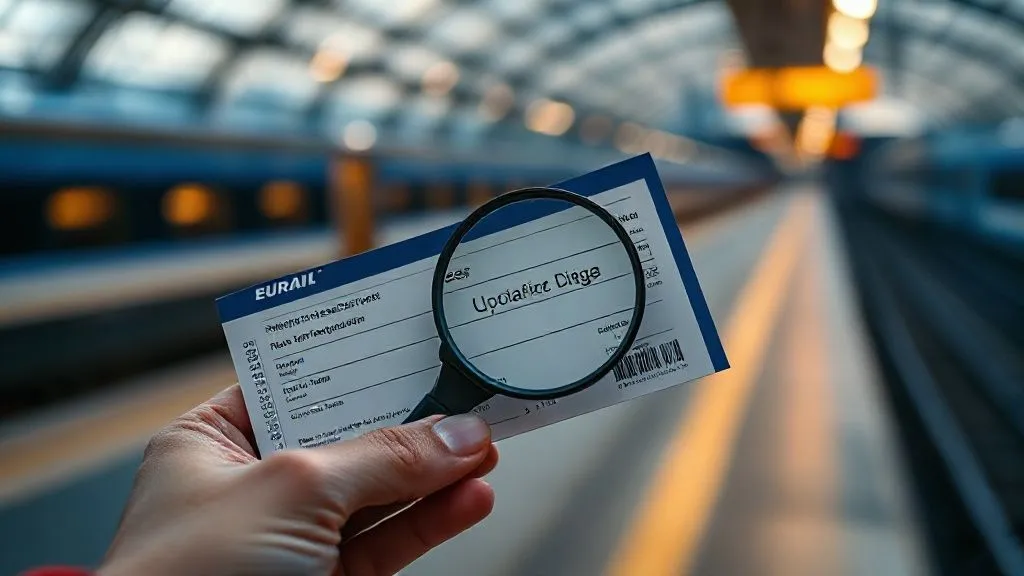
A rail pass is essentially a ticket that allows you to travel on trains within a specific region or country for a set period. Think of it as an 'all-you-can-eat' buffet for train travel. There are two main types:
- Eurail Pass: For non-European residents, offering access to train networks in up to 33 European countries.
- Interrail Pass: For European residents, providing similar access to train networks across Europe.
How Do Rail Passes Work?
Rail passes come in various forms, typically based on:
- Validity Period: The number of days you can travel within a specific timeframe (e.g., 7 days within a month, 15 days within two months).
- Coverage Area: The countries included in the pass.
- Class of Travel: First or second class.
Once you have a valid pass, you can typically hop on and off trains operated by the participating railway companies. However, some trains (especially high-speed or scenic routes) require seat reservations, which often come with an additional fee. Always check the requirements before boarding.
The Pros of Using a Rail Pass for Backpacking
Rail passes offer several compelling advantages for backpackers:
Flexibility and Freedom
This is arguably the biggest draw. With a rail pass, you're not tied to a rigid schedule. You can change your plans on a whim, explore hidden gems, and linger longer in places you love. Imagine discovering a charming village and deciding to stay an extra day – with a rail pass, it's easy!
Convenience
No need to queue for tickets at every station. Simply show your pass and hop on board (after making a reservation if needed). This can save you valuable time and reduce stress, especially during peak season.
Potential Cost Savings
If you plan to travel extensively by train, a rail pass can be more cost-effective than buying individual tickets. This is especially true for long distances and popular routes. However, you need to do the math carefully to ensure it's actually saving you money (more on this later).
Scenic Travel
Train travel offers a unique perspective on Europe's landscapes. Sit back, relax, and enjoy the stunning views as you glide through mountains, valleys, and coastlines. Some routes are particularly famous for their scenic beauty, like the Bernina Express in Switzerland.
The Cons of Using a Rail Pass for Backpacking
Despite the allure, rail passes also have their drawbacks:
Cost Considerations
Rail passes can be expensive, especially if you're on a tight budget. The initial outlay can be significant, and you need to factor in the cost of seat reservations, which can add up quickly.
Seat Reservations
As mentioned earlier, many high-speed and popular trains require seat reservations. These reservations can cost anywhere from a few euros to upwards of €20 per journey, eating into the potential savings of the pass. Furthermore, booking these reservations can sometimes be a hassle, requiring you to visit a ticket office or navigate complicated online systems.
Limited Flexibility (Sometimes)
While rail passes offer flexibility in terms of changing your itinerary, the need for seat reservations can sometimes limit your spontaneity. If a train is fully booked, you might have to wait for the next one or adjust your plans altogether.
Not Always the Cheapest Option
In some cases, buying individual tickets in advance can be cheaper than using a rail pass. This is especially true for short distances, budget airlines often offer very competitive prices. Always compare the costs before making a decision.
Factors to Consider: Is a Rail Pass Right for You?
The million-dollar question! Here's a breakdown of the key factors to consider when deciding whether a rail pass is worth it for your Europe backpacking trip:
Travel Style
Are you a fast-paced traveler or a slow traveler? If you plan to visit many cities in a short period, a rail pass might be a good option. However, if you prefer to spend more time in each location, you might be better off buying individual tickets.
Itinerary
What countries are you visiting? Rail passes are generally more cost-effective if you're traveling through multiple countries with well-developed rail networks. What distances are you covering? Long-distance journeys are more likely to justify the cost of a pass.
Budget
How much are you willing to spend on transportation? Rail passes require a significant upfront investment. Are you comfortable with the potential extra costs of seat reservations? These can quickly add up.
Time of Year
Are you traveling during peak season? Trains tend to be more crowded during peak season, making seat reservations even more essential and potentially more expensive. It might also be harder to find accommodation at your destination.
Calculating the Costs: Rail Pass vs. Individual Tickets
The best way to determine whether a rail pass is worth it is to compare the cost of the pass with the cost of individual tickets for your planned itinerary. This requires some research and planning, but it's essential to avoid overspending.
Step 1: Plan Your Itinerary
Create a detailed itinerary, including all the cities you plan to visit and the dates you plan to travel between them.
Step 2: Research Train Fares
Use the websites of the national railway companies (e.g., Deutsche Bahn for Germany, SNCF for France, Trenitalia for Italy) to find the fares for each leg of your journey. Be sure to check for advance purchase discounts and special offers.
Step 3: Calculate the Total Cost of Individual Tickets
Add up the fares for all the individual train journeys to get a total cost.
Step 4: Compare with the Cost of a Rail Pass
Research the different types of rail passes available and find one that covers your planned itinerary and travel dates. Compare the cost of the pass with the total cost of individual tickets. Don't forget to factor in the potential cost of seat reservations.
Example:
Let's say you're planning a 10-day backpacking trip through Germany and Austria.
- Individual Tickets: The total cost of individual tickets for your planned itinerary is €400.
- Rail Pass: A 10-day rail pass covering Germany and Austria costs €350.
- Seat Reservations: You estimate you'll need to pay €50 for seat reservations.
In this case, the rail pass would save you €0. However, if the seat reservation costs were higher, or the individual tickets were cheaper with advance booking, the rail pass might not be worth it.
Pro Tip: Use online tools and calculators to help you compare the costs. Several websites offer rail pass calculators that can simplify the process.
Tips for Maximizing the Value of Your Rail Pass
If you decide that a rail pass is the right choice for you, here are some tips to help you get the most out of it:
- Plan Ahead: Book seat reservations in advance, especially during peak season.
- Travel Off-Peak: Trains are less crowded and seat reservations are easier to secure during off-peak hours.
- Take Advantage of Night Trains: Save on accommodation costs by traveling overnight.
- Explore Smaller Towns: Use your rail pass to explore lesser-known destinations that are not easily accessible by other means of transportation.
- Check for Discounts: Many rail passes offer discounts on other attractions, such as museums and ferries.
Alternative Transportation Options
Before committing to a rail pass, consider alternative transportation options:
- Budget Airlines: Often the cheapest option for long-distance travel.
- Buses: A more affordable but slower alternative to trains. Companies like Flixbus offer extensive networks across Europe. Busbud is a great resource for finding bus routes.
- Rental Cars: Offer flexibility and freedom, but can be expensive, especially with fuel costs and parking fees.
- Ride-Sharing: BlaBlaCar and similar services can be a good option for traveling between cities.
Ultimately, the best mode of transport depends on your budget, travel style, and itinerary. Don't be afraid to mix and match different options to create the perfect travel experience.
Frequently Asked Questions (FAQ)
What is the difference between Eurail and Interrail? Eurail passes are for non-European residents, while Interrail passes are for European residents.
Do I need to activate my rail pass? Yes, you typically need to activate your rail pass before you can start using it. This can usually be done online or at a train station.
Are seat reservations always required? No, but they are highly recommended for high-speed and popular trains, especially during peak season.
Can I use a rail pass on all trains in Europe? No, rail passes typically only cover trains operated by participating railway companies. Check the terms and conditions of your pass for a list of included companies.
Where can I buy a rail pass? You can buy rail passes online through the Eurail and Interrail websites, as well as through various travel agencies.
Recommended Reading
- Skydiving Risks: First Time Jumpers' Safety Guide Revealed!
- Rome on a Budget: Best Free Attractions for First-Time Visitors!
- Wheelchair Friendly Museums Near Me? Your Ultimate Accessibility Guide
- Tuscany's Best Pasta Class for Beginners: The Secret to Authentic Flavors
- Travel Dialysis for Seniors: Top Tips for Safe & Worry-Free Trips
Conclusion
So, are rail passes worth it for Europe backpacking? The answer, as you now know, is 'it depends'. It hinges on your travel style, your itinerary, and your budget. If you're a fast-paced traveler planning to cover long distances across multiple countries, a rail pass can offer flexibility and potential cost savings. However, if you prefer a slower pace or are traveling on a tight budget, individual tickets or alternative transportation options might be more suitable. By carefully weighing the pros and cons and doing your research, you can make an informed decision and ensure that your Europe backpacking adventure is both memorable and affordable. Happy travels!



Your email address will not be published. Required fields are marked *