

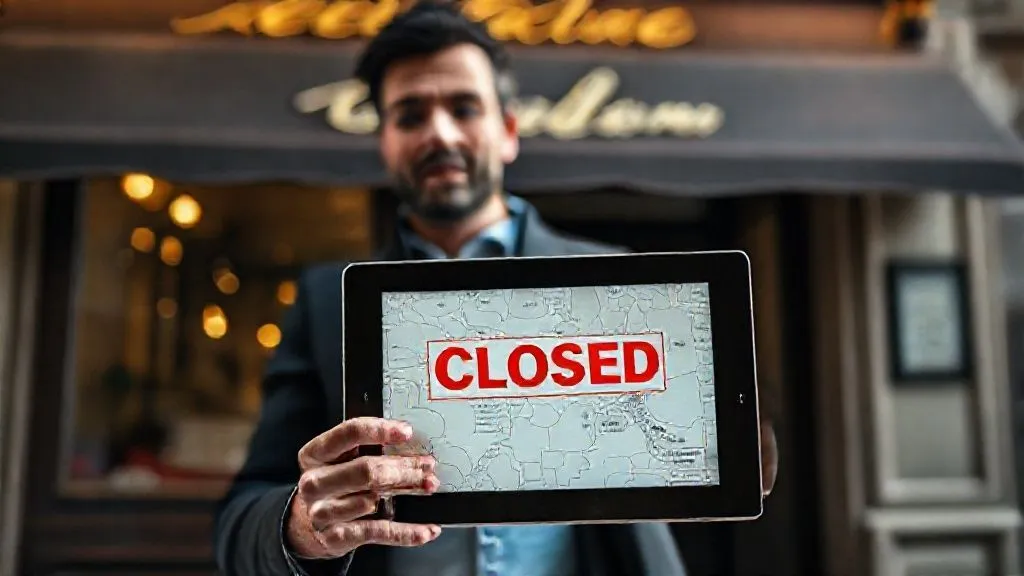
What to do when a luxury food tour restaurant unexpectedly closes?
For over two decades in the high-stakes world of luxury food travel, I’ve witnessed countless culinary adventures unfold flawlessly, but also the occasional, heart-stopping disruption. One of the most jarring challenges any food tour operator or discerning traveler can face is the unexpected closure of a meticulously chosen restaurant – especially when it’s a cornerstone of a high-end gastronomic itinerary. It’s a moment that can send a ripple of panic through even the most seasoned planners.
The problem isn't just a logistical hiccup; it’s an existential threat to the experience itself. A luxury food tour isn't just about eating; it's about curated narratives, exclusive access, unparalleled quality, and the seamless execution of a dream. When a Michelin-starred establishment or a legendary hidden gem suddenly shutters its doors, it threatens to unravel months of planning, disappoint discerning guests, and potentially damage a tour operator's reputation. The stakes are incredibly high, and the pressure to deliver an exceptional experience remains paramount.
This isn't a problem you can simply Google away with a quick fix. It requires a nuanced, strategic, and often creative response rooted in deep industry experience. In this definitive guide, I will share the exact frameworks, actionable steps, and expert insights I’ve developed over years of navigating these precise challenges. You’ll learn not just what to do when a luxury food tour restaurant unexpectedly closes, but how to transform a potential disaster into an unforeseen triumph, ensuring your guests still enjoy an unforgettable, world-class culinary journey.
Immediate Reaction: The First 60 Minutes After Notification
When you receive that dreaded news – a phone call, an email, a news alert stating a restaurant on your itinerary is closed – your immediate reaction is crucial. Panic is a natural first response, but it’s unproductive. My experience has taught me that the first hour sets the tone for your recovery efforts. This isn't the time for 'wait and see'; it's the time for swift, decisive action.
Verify the Information
The very first step is always verification. In the age of instant news and social media, misinformation can spread rapidly. Before you initiate any major changes or communicate with guests, confirm the closure directly. Call the restaurant’s official line, check their website, social media, and any booking platforms you used. Reach out to your local contacts or concierge services who might have real-time, insider information. There have been instances where a temporary closure for maintenance or a private event was mistaken for a permanent one, leading to unnecessary disruptions.
Assess the Impact and Scope
Once verified, assess the immediate impact. Is it a permanent closure or temporary? Is it just one specific reservation, or does it affect multiple dates? How critical was this restaurant to the overall narrative and flow of your luxury tour? Consider the size of your group, any specific dietary requirements tied to that restaurant, and the guest demographics. A last-minute change for a private couple celebrating an anniversary requires a different approach than a corporate incentive group of twenty.

Actionable Steps:
- Confirm Closure: Immediately contact the restaurant directly, check official news sources, and cross-reference with multiple booking platforms.
- Identify Affected Reservations: Pinpoint all specific dates, times, and guest groups impacted by the closure.
- Review Original Itinerary: Understand the culinary role and significance of the closed restaurant within the broader tour narrative.
- Initial Internal Communication: Alert your core team (guides, logistics, sales) about the situation and initiate a rapid response discussion.
- Pause Further Bookings: If applicable, temporarily halt any new bookings that would include the now-closed restaurant.
Activating Your Contingency Plan: Proactive Measures
In the luxury travel sector, true expertise isn't just about reacting to problems; it's about anticipating and mitigating them. A robust contingency plan is your shield against the unpredictable. I’ve always advocated for a 'prepare for the worst, hope for the best' philosophy, especially when dealing with high-value experiences where guest expectations are sky-high.
Pre-Tour Vetting & Backup Research
Before a tour even begins, rigorous vetting is non-negotiable. This means not just booking a table, but understanding a restaurant’s stability, reputation, and operational history. Have they had past issues? What’s their financial standing (if publicly available or through industry whispers)? Crucially, identify 2-3 equally high-caliber backup options for every primary reservation. These aren’t just random restaurants; they are establishments that align with the tour’s theme, quality standards, and can accommodate similar dietary needs. Building relationships with these backups means they’re more likely to assist you in a pinch.
Communication Protocols with Guests
While you don't want to alarm guests prematurely, having a clear protocol for communication in a crisis is vital. Decide *when* you will inform them, *how* (email, phone call, in-person), and *what* level of detail you will provide. The goal is to reassure them that you are in control and actively working on a superior solution, rather than presenting a problem without a clear path forward. Transparency, tempered with confidence, is key.
| Contingency Item | Status | Details |
|---|---|---|
| Backup Restaurant List | In Place | 3 alternatives per primary dining spot |
| Supplier Contracts Review | Annually Updated | Force majeure, cancellation clauses |
| Emergency Contact List | Up-to-Date | Restaurant owners, concierges, local chefs |
| Guest Communication Template | Drafted | Crisis notification & solution proposal |
| Insurance Policy Review | Active | Tour operator, guest travel insurance |
Actionable Steps:
- Develop a 'Tier 2' Restaurant List: For every primary restaurant, have a curated list of 2-3 comparable establishments that meet your luxury criteria and can serve as immediate backups.
- Establish Local Network Connections: Cultivate relationships with local hotel concierges, culinary experts, and other restaurant owners who can provide quick assistance or insider availability.
- Review Supplier Agreements: Ensure your contracts with restaurants and other suppliers include clear clauses regarding unexpected closures, force majeure, and cancellation policies.
- Pre-Draft Crisis Communication: Prepare templates for informing guests about unexpected changes, focusing on empathy, transparency, and immediate solutions.
- Allocate Emergency Funds: Have a contingency budget available for last-minute bookings, special arrangements, or compensation if necessary.
Rapid Re-evaluation: Finding a Suitable Replacement
This is where your expertise truly shines. Simply booking the next available table isn't an option for a luxury tour. The replacement must not only match the culinary caliber but also fit the thematic narrative and guest expectations. This requires speed, discretion, and a deep understanding of the local gastronomic landscape.
Leveraging Your Network (Local Chefs, Concierges, Sommeliers)
Your network is your goldmine in these situations. Contact your trusted local concierges, hotel general managers, and even chefs from other restaurants. They often have real-time knowledge of openings, last-minute cancellations, or even 'secret' tables at highly sought-after venues. A personal recommendation or a favor called in from a respected peer can open doors that would otherwise remain closed to public booking platforms. I’ve personally seen a call to a trusted sommelier secure a table at a fully booked, two-Michelin-star restaurant within hours.
Prioritizing Guest Preferences & Dietary Needs
When selecting a replacement, immediately cross-reference it with your guests' known preferences and dietary restrictions. If the original restaurant was chosen for its exceptional seafood, a steakhouse, no matter how luxurious, might not be appropriate. The goal is to maintain the integrity of the gastronomic experience as closely as possible. If the new option offers a different cuisine, frame it as an exciting, unexpected discovery rather than a mere substitute.
"In luxury food travel, a crisis isn't a failure; it's an opportunity to demonstrate unparalleled resourcefulness and commitment to guest satisfaction. The true test of an expert lies in how seamlessly they pivot from disruption to delight."
Actionable Steps:
- Consult Your Backup List: Prioritize restaurants from your pre-vetted contingency list that best match the original experience.
- Activate Your Network: Immediately reach out to trusted local contacts (concierges, chefs, sommeliers, hotel managers) for real-time availability and recommendations.
- Check Exclusive Booking Channels: Explore options through luxury travel consortia, credit card concierge services, or private dining clubs that might have access to exclusive tables.
- Match Guest Profiles: Ensure the replacement restaurant aligns with the group's preferences, dietary needs, and the overall theme of the luxury tour.
- Negotiate Urgently: Be prepared to act fast and potentially pay a premium for last-minute, high-quality bookings, viewing it as an investment in guest satisfaction.
The Art of Communication: Managing Guest Expectations
How you communicate the change to your guests is as critical as finding the replacement. This isn't just about relaying information; it's about managing emotions, maintaining trust, and reinforcing your commitment to their experience. This is where empathy meets expert diplomacy.
Transparency and Empathy
Be transparent about the unexpected closure, but frame it with a confident, problem-solving tone. Avoid sounding apologetic or flustered. Start by acknowledging their potential disappointment, then immediately pivot to the solution you've secured. Phrases like, "While we were genuinely looking forward to [Original Restaurant], an unforeseen closure has occurred. However, thanks to our extensive network, we've secured an exclusive reservation at [New Restaurant], which we believe offers an equally extraordinary (or even more unique) experience..." work wonders.
Offering Alternatives and Compensation
In some cases, simply offering a replacement might not be enough, especially if the original restaurant held significant personal meaning for the guests (e.g., a bucket-list destination). Be prepared to offer a choice of alternatives if possible, or a small, thoughtful gesture of compensation. This could be a complimentary bottle of a rare wine, a special dessert at the replacement restaurant, or an upgrade to another part of their travel itinerary. The value of this gesture often outweighs its cost in terms of guest goodwill.
Case Study: How 'Gourmet Expeditions' Turned a Crisis into a Triumph
Gourmet Expeditions, a boutique luxury food tour operator, had a highly anticipated dinner reservation at a coveted 3-Michelin-star restaurant in Paris for a group of six discerning clients. Two days before the tour, the restaurant announced an immediate, unforeseen closure due to a family emergency. Panic could have set in, but the team at Gourmet Expeditions activated their contingency plan. They immediately leveraged their deep connections with the local culinary scene. Within hours, they secured a private dining experience at a renowned chef's experimental kitchen – a venue not open to the public – followed by an exclusive tasting of rare vintages from the chef's personal cellar. The clients were informed with transparency and excitement about this 'unprecedented access.' The unexpected closure transformed into an even more exclusive and memorable experience, solidifying Gourmet Expeditions' reputation for unparalleled resourcefulness and client care. This resulted in glowing testimonials and repeat bookings, proving that a setback can be a springboard for extraordinary service.
Actionable Steps:
- Craft a Reassuring Message: Develop a clear, empathetic, and confident communication outlining the situation and the immediate solution.
- Present Solutions, Not Just Problems: Always lead with the positive alternative you’ve secured, emphasizing its unique qualities and how it enhances the tour.
- Be Prepared for Questions: Anticipate guest concerns and have ready answers regarding the new restaurant’s cuisine, ambiance, and how it compares to the original.
- Offer a Token of Apology/Enhancement: Consider a small, thoughtful gesture – a complimentary course, a wine pairing upgrade, or a unique local culinary gift – to acknowledge the change and elevate the experience.
- Maintain Open Dialogue: Ensure guests feel heard and valued throughout the process, allowing them to voice concerns and offering further reassurance.
Legal and Financial Recourse: Understanding Your Rights
While the immediate focus is on guest satisfaction, it's equally important to understand the legal and financial implications of an unexpected restaurant closure. This involves reviewing contracts, understanding insurance policies, and knowing your rights and responsibilities as a tour operator or traveler.
Reviewing Supplier Contracts
Every professional relationship should be underpinned by a clear contract. In the event of a restaurant closure, immediately review the terms and conditions of your booking. Look for clauses related to cancellations, force majeure, refunds, or penalties. Were there specific guarantees made? Is there any provision for compensation from the restaurant or its management company? Understanding these details will inform your discussions regarding potential refunds or credits. For more information on contract law in the travel industry, resources like Lexology can provide valuable insights.
Insurance Considerations
Both tour operators and individual travelers should have appropriate insurance. For operators, this might include business interruption insurance or specific clauses in their liability policies covering unforeseen supplier failures. For travelers, comprehensive travel insurance often covers non-refundable bookings that are cancelled due to unforeseen circumstances, though the specifics can vary greatly. Advise your guests to review their personal travel insurance policies, and if you offer tour insurance, clarify what aspects of a restaurant closure are covered. A detailed guide on travel insurance can be found on reputable sites like TravelInsurance.com.
| Action Item | Key Clause | Expected Outcome |
|---|---|---|
| Review Restaurant Contract | Cancellation, Force Majeure | Refund or Credit Terms |
| Check Tour Operator Insurance | Business Interruption, Supplier Failure | Coverage for losses |
| Advise Guests on Travel Insurance | Non-refundable bookings, Trip Interruption | Potential personal reimbursement |
| Document All Communications | Evidence for claims | Clear paper trail |
| Consult Legal Counsel (if needed) | Complex disputes | Legal guidance and representation |
Actionable Steps:
- Retrieve All Booking Documentation: Gather contracts, booking confirmations, and any correspondence related to the original restaurant reservation.
- Identify Relevant Clauses: Scrutinize cancellation policies, force majeure clauses, and any specific guarantees made by the restaurant or booking agent.
- Quantify Financial Impact: Calculate any non-refundable deposits, lost revenue, or additional costs incurred due to the closure.
- Initiate Communication with Restaurant/Booking Agent: Formally communicate the closure and your intent to seek recourse based on contractual terms.
- Consult Insurance Providers: Contact your business insurance provider and advise guests to contact their travel insurance providers to understand potential claims.
Turning Adversity into Opportunity: Enhancing the Experience
This is where the true maestro of luxury travel differentiates themselves. An unexpected closure isn't just a problem to be solved; it's a blank canvas for innovation. My most memorable tours have sometimes been those where a pivot led to an even more exclusive or authentic experience than originally planned. This requires creativity, courage, and a deep understanding of your guests' desires.
Exclusive Access & Unique Alternatives
Think beyond another restaurant. Can you secure a private cooking class with a renowned local chef? Arrange a tasting at a vineyard typically closed to the public? Perhaps a behind-the-scenes tour of a local market culminating in a chef-prepared meal using freshly sourced ingredients? Leverage your network to unlock experiences that are truly unique and cannot be bought off the shelf. These 'money-can't-buy' moments often become the highlights of a trip, overshadowing any initial disappointment. Seth Godin, a renowned marketing expert, often emphasizes the power of creating unique, memorable experiences to build customer loyalty, a principle highly applicable here. You can explore his insights on creating remarkable experiences via his blog, Seth's Blog.
Personalized Touches
If the original restaurant was chosen for a specific reason (e.g., a guest's favorite cuisine or a significant celebration), try to incorporate that element into the new plan. If it was a birthday dinner, ensure the replacement venue goes above and beyond to make the celebration special. A personalized note from you, acknowledging the change but highlighting the unique nature of the new plan, can also make a significant difference. This level of attention transforms a potential negative into a powerful positive, demonstrating your unwavering commitment to their individual journey.
Actionable Steps:
- Brainstorm 'Beyond Restaurant' Options: Consider private chef experiences, exclusive market tours, vineyard visits with private tastings, or interactive culinary workshops.
- Tailor to Guest Interests: Reflect on the original reason for choosing the closed restaurant and try to incorporate those elements or themes into the new plan.
- Seek 'Money-Can't-Buy' Experiences: Leverage your deep industry connections to secure unique access or bespoke arrangements unavailable to the general public.
- Elevate the Story: Frame the new experience not as a 'replacement' but as an 'exclusive upgrade' or 'unforeseen opportunity' that adds a unique chapter to their journey.
- Add Personal Touches: Include personalized notes, celebratory gestures, or small, thoughtful gifts to acknowledge the change and enhance their overall satisfaction.
Post-Event Analysis: Learning and Improving
Every challenge, especially in luxury travel, is a learning opportunity. Once the immediate crisis is averted and guests are enjoying their enhanced experience, it’s crucial to conduct a thorough post-event analysis. This ensures that you not only recover from the current disruption but also fortify your operations against future ones. This is a cornerstone of continuous improvement and maintaining a competitive edge in the high-end market.
Debriefing with Your Team
Gather your entire team involved in the incident – guides, logistics, sales, customer service. Discuss what went well, what could have been handled better, and any unexpected hurdles encountered. Was the communication clear? Was the backup plan effective? Were there any new insights gained about local resources or alternative venues? This open dialogue is invaluable for refining your crisis management protocols. According to a study by Deloitte, effective team debriefs significantly improve problem-solving and operational efficiency.
Updating Protocols
Based on the debrief, update your contingency plans, supplier vetting processes, and communication templates. Add the new successful alternatives to your vetted backup list. Refine your internal emergency contact lists. If a specific type of restaurant proved difficult to replace, explore building deeper relationships with similar establishments. This iterative process of learning and adapting is what transforms a good luxury tour operator into an exceptional one.
Actionable Steps:
- Schedule a Post-Mortem Meeting: Convene all relevant team members to discuss the incident, identify successes, and pinpoint areas for improvement.
- Document Lessons Learned: Create a detailed report outlining the cause of the closure, the steps taken, the outcome, and key takeaways for future reference.
- Update Contingency Plans: Integrate new backup options, refine communication scripts, and adjust protocols based on the experience gained.
- Strengthen Supplier Relationships: Use insights from the incident to identify and cultivate stronger relationships with more reliable and flexible restaurant partners.
- Enhance Staff Training: Conduct training sessions for your team on updated crisis management protocols, communication strategies, and creative problem-solving techniques.
Frequently Asked Questions (FAQ)
Question? How far in advance should I have backup restaurant options for a luxury food tour?
Detailed answer: Ideally, your primary and backup restaurant options should be identified and vetted simultaneously during the initial tour planning phase, typically 6-12 months out for high-demand luxury venues. For critical reservations, I recommend having at least two equally compelling alternatives in mind, with preliminary contact made to gauge their flexibility and suitability. The more proactive you are, the smoother any unexpected pivot will be.
Question? What if the replacement restaurant is significantly more expensive? Who bears the additional cost?
Detailed answer: This is a critical point that should be addressed in your tour operator's terms and conditions or supplier contracts. Generally, if the closure is due to the original restaurant's fault and not a force majeure event, you might have contractual recourse for a refund or compensation. However, for a luxury tour, prioritizing guest experience often means absorbing reasonable additional costs to secure a comparable or superior replacement. Transparency with guests about the situation and the value of the new experience can also help justify the investment. If the cost difference is substantial, a partial refund or offering a different, complimentary experience might be considered.
Question? Should I inform guests about the closure before securing a replacement, or wait until I have a solution?
Detailed answer: In my experience, it's almost always better to wait until you have a concrete, high-quality solution in place. Informing guests about a problem without a clear path forward can cause unnecessary anxiety and disappointment. The ideal approach is to present the situation as: "An unforeseen change has occurred, but we've already secured an even more exciting/exclusive alternative at [New Restaurant]." This demonstrates control, competence, and a proactive commitment to their experience. The only exception might be if the closure occurs so close to the tour that immediate communication is unavoidable, in which case you'd still emphasize that you are actively working on the best possible solution.
Question? How can I maintain the 'luxury' feel if the replacement isn't a Michelin-starred venue?
Detailed answer: Luxury isn't solely defined by Michelin stars; it's about exclusivity, impeccable service, unique experiences, and attention to detail. If a Michelin-starred replacement isn't feasible, focus on elevating other aspects. Can you arrange a private chef dinner, a behind-the-scenes tour, a unique ingredient sourcing experience, or an immersive cultural dining event? Emphasize the bespoke nature, the personalized service, and the 'money-can't-buy' access that the new experience offers. Frame it as a discovery of a different, equally high-quality facet of the local culinary scene, perhaps a more authentic or exclusive one.
Question? What documentation should I keep regarding the closure and replacement?
Detailed answer: Keep meticulous records of everything. This includes the initial notification of closure (emails, news articles, official statements), all communications with the original restaurant, booking platforms, and your team. Document the research and outreach for replacement options, the final booking confirmation for the new venue, and all communications with your guests regarding the change. This paper trail is invaluable for legal or insurance claims, internal review, and demonstrating due diligence to your clients.
Key Takeaways and Final Thoughts
Navigating the unexpected closure of a luxury food tour restaurant is undoubtedly one of the most challenging scenarios in gastronomic travel. However, it is also an unparalleled opportunity to showcase the true depth of your expertise, resourcefulness, and unwavering commitment to delivering extraordinary experiences. Remember, in the world of luxury, a smooth recovery often leaves a more lasting positive impression than an uninterrupted journey.
- Act Swiftly and Verify: The first hour is critical for gathering accurate information and initiating your response.
- Prioritize Proactive Planning: A robust contingency plan with vetted backup options is your best defense.
- Leverage Your Network: Your local connections are invaluable for securing high-caliber, last-minute replacements.
- Communicate with Confidence & Empathy: Present solutions, not just problems, and manage guest expectations with grace.
- Seek Opportunity in Adversity: Transform the unexpected into an exclusive, enhanced experience that surpasses original expectations.
- Learn and Evolve: Use every challenge as a lesson to refine your operations and strengthen your service.
By embracing these strategies, you won't just solve a problem; you'll elevate your brand, deepen client trust, and solidify your reputation as a master of luxury food travel, capable of turning any culinary curveball into a truly unforgettable gastronomic triumph. The journey, after all, is often defined not by the absence of obstacles, but by the elegance with which they are overcome.
Recommended Reading
- 9 Proven Strategies: What to Do When Your Unique Themed Cruise Isn't Selling?
- 5 Strategies: Designing Ethical Tours for Overcrowded Heritage Sites
- 7 Strategies for Urgent Client Deadlines with Unreliable Campervan WiFi
- 5 Proven Strategies: Efficiently Bypassing Tourist Traps on Executive City Breaks
- VIP Ocean Cruises: 7 Steps to Bespoke Sourcing for Elite Clients



Your email address will not be published. Required fields are marked *