

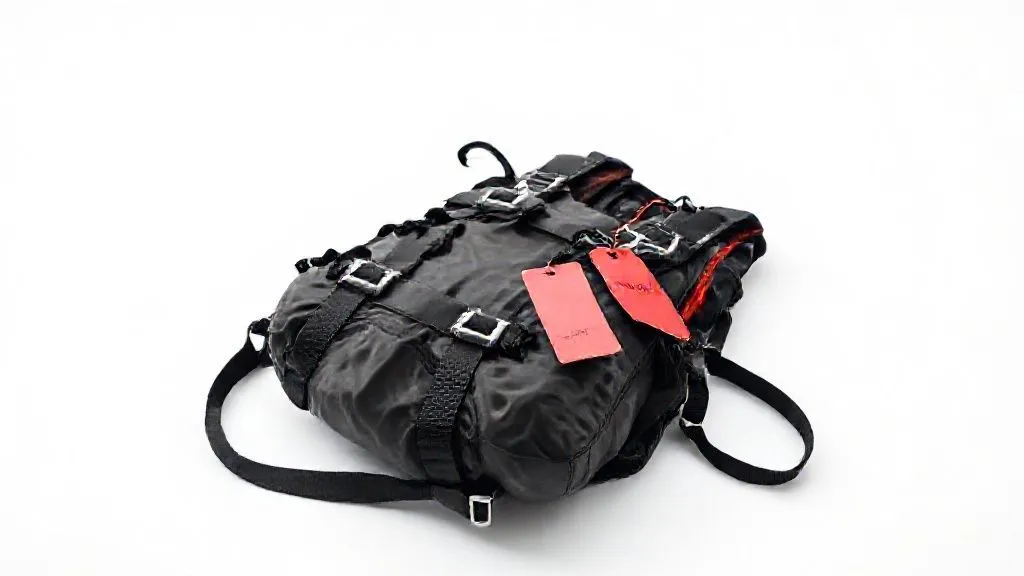
What to do when skydiving gear recall impacts all student rigs?
For over two decades in the adventure travel sphere, particularly within the high-stakes world of skydiving, I’ve weathered my share of industry squalls. From minor equipment advisories to full-blown mandatory recalls, I’ve seen the panic, the frustration, and the profound operational challenges they present. When a skydiving gear recall impacts all student rigs, it's not just an inconvenience; it's an existential threat to a dropzone's operations and a crushing blow to aspiring skydivers' dreams.
The immediate aftermath of such a recall can feel like a freefall without a parachute – disorienting, terrifying, and uncertain. Dropzone owners grapple with safety mandates, financial implications, and the daunting task of communicating bad news. Students, eager to make their first solo jumps, suddenly find their progress halted, their investment in training seemingly jeopardized. It's a moment that demands not just a reaction, but a meticulously planned, expert-driven response.
That's precisely why I've put together this definitive guide. Drawing from years of experience and countless hours navigating similar crises, I'll walk you through a clear, actionable framework. You'll learn not just what steps to take, but the underlying strategies to mitigate risk, maintain trust, and ultimately, emerge from the challenge stronger and safer. This isn't just about fixing gear; it's about safeguarding futures.
Immediate Actions for Dropzone Management: Securing Operations and Safety
When the official recall notice hits your inbox, the clock starts ticking. Your immediate response dictates the safety of your students and staff, and the long-term viability of your operation. There's no room for hesitation or guesswork; decisive action is paramount.
- Verify the Recall Notice: First and foremost, confirm the authenticity and scope of the recall. Is it from the manufacturer directly? Is it an FAA Airworthiness Directive or a Parachute Industry Association (PIA) safety alert? Understand precisely which models, serial numbers, and components are affected. Don't rely on hearsay; seek official documentation.
- Impound All Affected Gear: Without delay, remove every single affected student rig from service. Tag them clearly with 'DO NOT USE' or 'RECALLED' labels. Store them in a secure, segregated area, physically preventing any accidental use. This isn't just a recommendation; it's a non-negotiable safety imperative.
- Notify Insurance Providers: Contact your liability insurance carrier immediately. Inform them of the recall and any potential operational disruptions or claims that might arise. Understanding your coverage and responsibilities early can save significant headaches down the line.
- Brief Key Personnel: Gather your instructors, riggers, packers, and manifest staff. Ensure everyone understands the recall's implications, the impoundment procedures, and the new operational directives. Consistency in information within your team is crucial for a unified response.
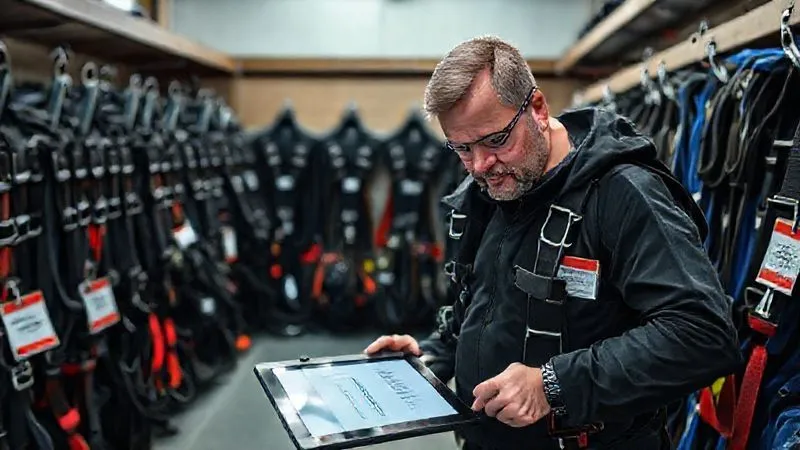
Remember, thorough documentation of every step taken – from the moment you receive the recall notice to the final reintroduction of repaired gear – is critical. This record serves as proof of due diligence and can be invaluable for regulatory compliance and insurance purposes.
Communicating with Students and Staff Transparently: Honesty Builds Trust
Once the immediate safety measures are in place, your next critical task is communication. In a crisis, silence breeds speculation and erodes trust. Proactive, honest, and empathetic communication is the bedrock of maintaining your community's confidence.
Crafting Your Message for Students
Your students are likely anxious, confused, and potentially upset. Your message must be clear, concise, and compassionate. Start by acknowledging their feelings and reaffirming your commitment to their safety.
- Prioritize Safety: Emphasize that the recall is a proactive measure to ensure their absolute safety, which remains your paramount concern.
- Provide Facts: Clearly state what has happened, which gear is affected, and what steps your dropzone is taking. Avoid jargon where possible.
- Outline Next Steps: Inform them about the temporary halt in student training, any alternative activities (like ground school or discounted tandem options), and what they can expect regarding their training progression and financial investment.
- Offer Support: Provide clear channels for questions and concerns. Designate a specific point of contact or set up an FAQ section on your website.
Internal Communication Protocols
Your staff are your frontline representatives. They need to be fully informed and empowered to answer questions accurately and consistently. Hold regular briefings, provide scripts or talking points, and ensure they understand the company's official stance and ongoing plans.
"In times of crisis, silence is not golden; it's deafening. Proactive, honest communication is your most powerful tool for maintaining trust." - Industry Veteran Insight
Consistency across all communication channels – website, social media, email, and direct conversations – is vital. A unified message prevents misinformation and strengthens your credibility.
Navigating the Recall Process: Manufacturer & Regulatory Liaison
Dealing with a gear recall isn't just about your dropzone; it involves a complex interplay with the gear manufacturer and regulatory bodies. This liaison requires meticulous organization, persistent follow-up, and a deep understanding of industry standards.
- Establish Primary Contact with Manufacturer: Designate one or two individuals from your dropzone to be the sole point of contact with the manufacturer. This streamlines communication and prevents confusion. Ensure you have direct lines to technical support and recall management teams.
- Understand the Repair/Replacement Protocol: Get clear, written instructions from the manufacturer regarding the recall process. Will they repair the gear? Replace it? What are the shipping logistics? Who covers the costs? What is the expected turnaround time?
- Liaise with Regulatory Bodies: In the United States, this primarily means the FAA. Understand their directives regarding the recall and any specific reporting requirements. Compliance is non-negotiable. For broader aviation safety information, you can always refer to FAA Airworthiness Directives.
- Document Everything: Keep a comprehensive log of all communications, shipping manifests, repair orders, and certifications. This paper trail is invaluable for accountability, potential insurance claims, and demonstrating compliance.
Navigating these relationships can be time-consuming and frustrating, but it's a necessary part of the process. Your diligence here directly impacts how quickly and safely your student rigs can be returned to service.
| Phase | Action Points | Expected Timeline |
|---|---|---|
| Initial Contact | Manufacturer's official recall statement, primary contact established, affected serial numbers confirmed. | Immediate - 24 hours |
| Gear Return/Repair | Shipping logistics, repair/replacement timeline, tracking system. | 1-4 weeks (highly variable) |
| Recertification/Return to Service | Manufacturer's release forms, qualified rigger inspection, updated logbooks. | Upon repair completion |
Alternative Training Solutions and Temporary Measures: Keeping Progress Alive
While your student rigs are out of commission, the challenge is to keep your students engaged, motivated, and progressing safely. Halting all training indefinitely can lead to significant student attrition. This is where creativity and adaptability shine.
Exploring Tandem Options
For students eager to continue experiencing the thrill of freefall, offering discounted tandem jumps can be an excellent stopgap. While not a substitute for solo progression, it keeps them in the air, reinforces canopy skills, and maintains their connection to the sport and your dropzone. Ensure your tandem gear is entirely unaffected by the recall.
Ground School Reinforcement
This is a golden opportunity to deepen students' theoretical knowledge and practical ground skills. Advanced ground school sessions can cover topics often rushed in initial training, such as:
- Advanced emergency procedures and malfunctions
- Canopy piloting theory and accuracy landing techniques
- Gear maintenance and inspection fundamentals (for non-recalled components)
- Weather interpretation and decision-making
These sessions not only keep students learning but also enhance their overall understanding and confidence for when they eventually return to solo training.
Sourcing Temporary Replacement Gear
In some cases, it might be possible to temporarily lease or borrow student rigs from other dropzones or manufacturers not affected by the recall. This requires careful vetting to ensure the borrowed gear meets all safety standards and is properly maintained. However, this can be a complex logistical and financial undertaking, so weigh the pros and cons carefully.
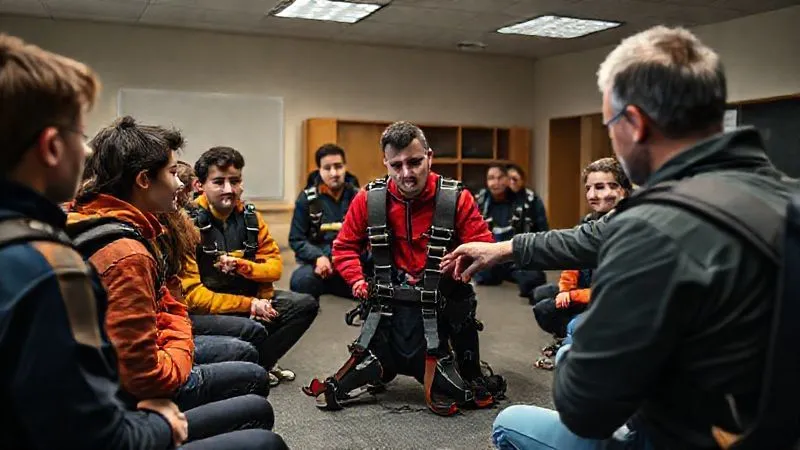
The key is to offer meaningful alternatives that keep the skydiving dream alive for your students, demonstrating your commitment to their journey even amidst unforeseen challenges.
Financial Implications and Mitigation Strategies: Weathering the Economic Storm
A widespread gear recall is not just a safety and logistical nightmare; it's a significant financial blow. Lost revenue, operational costs, and potential legal fees can quickly accumulate. Proactive financial management is crucial for survival.
Revenue Loss and Operational Costs
The immediate impact is the cessation of student training, leading to a direct loss of income. However, fixed costs – staff salaries, rent, utilities, insurance – continue. There might also be unexpected costs like expedited shipping for recalled gear, temporary gear sourcing, or increased administrative time for recall management. Budget for these disruptions.
Insurance Claims and Coverage
Review your dropzone's insurance policies thoroughly. Does your coverage include business interruption due to equipment failure or recall? Are there provisions for lost revenue or additional operational costs? Work closely with your insurance agent to understand what can be claimed and how to properly document losses.
Case Study: How Horizon Dropzone Navigated a Major Recall
Horizon Dropzone, a bustling operation with over 50 student rigs, faced a complete halt to student training when a critical component in all their beginner gear was recalled. Instead of shutting down, their management team immediately initiated advanced ground school sessions, offering students discounted tandem jumps with instructor-owned gear, and negotiated with the manufacturer for expedited repairs and partial compensation for lost revenue. By maintaining open lines of communication and demonstrating a clear path forward, they not only retained 85% of their student base but also garnered significant goodwill, emerging stronger and more resilient. This resulted in a quicker return to full operation and minimal long-term financial damage.
Considering the broader landscape of business resilience is vital during such times. Resources like Harvard Business Review: Crisis Management can offer valuable perspectives on navigating such challenges effectively.
Rebuilding Trust and Ensuring Future Safety: Long-Term Integrity
Once the recalled gear is repaired or replaced and returned to service, the work isn't over. The recall event will linger in the minds of your students and the community. Rebuilding and reinforcing trust, alongside implementing enhanced safety measures, is paramount for your long-term integrity.
Post-Recall Safety Briefings
Upon the return of the student rigs, conduct mandatory briefings for all returning students. Explain what happened, how the issue was resolved, and what new inspection protocols are in place. Reassure them that their safety is always the top priority. Transparency here is key to restoring confidence.
Enhanced Maintenance and Inspection Regimes
This crisis provides an opportunity to scrutinize and strengthen your existing maintenance and inspection protocols. Consider implementing:
- More frequent and detailed internal gear inspections beyond manufacturer recommendations.
- Additional training for riggers and gear handlers on identifying subtle wear or potential issues.
- A robust internal tracking system for each rig's service history, inspection dates, and component lifespans.
Adhering to and often exceeding industry standards, such as those set by the Parachute Industry Association (PIA), should be a continuous effort.
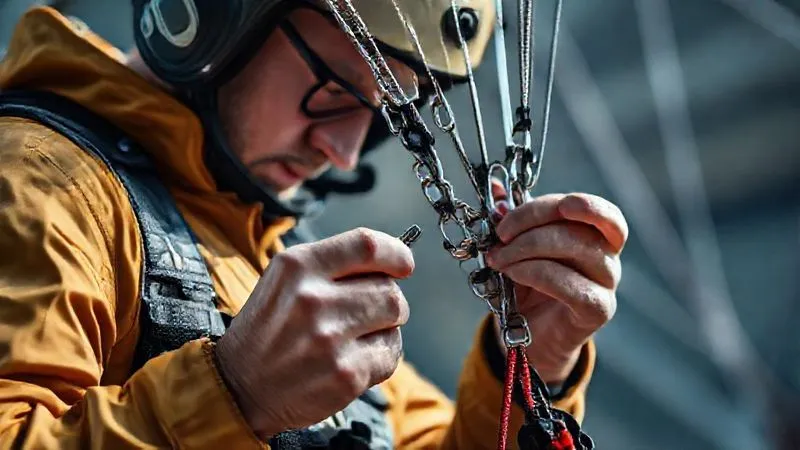
Remember, your actions during and after the recall will define your dropzone's reputation for years to come. A commitment to transparency, safety, and continuous improvement will turn a crisis into a testament to your professionalism.
Long-Term Preparedness: A Proactive Approach
Every crisis, no matter how challenging, offers invaluable lessons. A gear recall impacting all student rigs is a stark reminder of the need for robust long-term preparedness. Don't let the lessons learned fade once the immediate crisis passes.
- Diversify Gear Suppliers: While not always feasible for every component, explore diversifying your fleet of student rigs across different manufacturers where possible. This can mitigate the risk of a single-manufacturer recall crippling your entire operation.
- Establish a Recall Emergency Fund: Just as you have an emergency parachute, consider an emergency fund specifically for unforeseen operational disruptions like recalls. This financial buffer can provide crucial breathing room.
- Regularly Review Safety Protocols: Implement an annual or semi-annual review of all your safety protocols, emergency response plans, and communication strategies. Involve key staff members in this process.
- Invest in Staff Training: Equip your team with the knowledge and skills to handle crises effectively. This includes training on communication, documentation, and specific recall procedures.
"The true measure of an organization isn't how it avoids problems, but how effectively and ethically it responds when they inevitably arise." - Leadership Principle Applied to Adventure Sports
By embedding these proactive measures into your dropzone's operational DNA, you're not just reacting to problems; you're building a more resilient, trustworthy, and ultimately, safer environment for everyone who steps through your hangar doors.
Frequently Asked Questions (FAQ)
Can I still jump if my recalled rig seems fine? Absolutely not. A recall means the gear is deemed unsafe by the manufacturer or regulatory body, regardless of its apparent condition. Using recalled gear can have severe safety consequences and legal ramifications. Always follow the recall instructions to the letter.
What are my rights as a student if my training is delayed due to a recall? Your rights will largely depend on your agreement with the dropzone and local consumer protection laws. Most reputable dropzones will offer alternatives like extended training periods, ground school enhancements, or options for transferring credits. Discuss your specific situation with your dropzone management.
How long do recalls typically last? The duration varies wildly. Simple fixes might take a few weeks, while complex manufacturing defects requiring new parts or extensive testing could stretch into months. Factors include the nature of the defect, manufacturer capacity, and regulatory approvals. Patience is key, but consistent communication with your dropzone is important.
Will my dropzone provide replacement gear or compensation? This depends on the dropzone's policy, the manufacturer's recall terms, and the specific circumstances. While some manufacturers might offer compensation or expedited replacement, dropzones often bear the brunt of operational disruption. They will likely offer alternative training options to keep you progressing rather than direct financial compensation.
What's the difference between a mandatory and voluntary recall? A voluntary recall is initiated by the manufacturer themselves, often after identifying a potential issue. A mandatory recall is typically ordered by a regulatory body (like the FAA) when a significant safety risk is identified, and the manufacturer has not adequately addressed it. Both require immediate attention, but mandatory recalls carry additional regulatory weight and scrutiny.
Key Takeaways and Final Thoughts
Navigating a skydiving gear recall, especially one impacting all student rigs, is undoubtedly one of the most challenging situations a dropzone can face. It tests leadership, financial stability, and community trust. However, it's also an opportunity to demonstrate unwavering commitment to safety and professionalism.
- Act Decisively: Immediate impoundment and clear communication are non-negotiable first steps.
- Communicate Transparently: Honesty with students and staff builds and preserves trust.
- Liaise Diligently: Work closely with manufacturers and regulatory bodies, documenting every interaction.
- Innovate Training: Find creative ways to keep students engaged and progressing safely.
- Manage Finances Proactively: Understand insurance, mitigate losses, and learn from case studies.
- Rebuild & Reinforce: Post-recall briefings and enhanced safety protocols are vital for long-term integrity.
- Prepare for the Future: Use the experience to build a more resilient and proactive operation.
As an industry veteran, I've witnessed the resilience of the skydiving community time and again. By approaching this challenge with a clear head, a commitment to safety, and an open heart, your dropzone can not only weather the storm but emerge stronger, safer, and more respected than ever before. Blue skies, and safe landings – always.
Recommended Reading
- 7 Essential Tips: How to Avoid Food Poisoning on Global Street Food Adventures?
- 48-Hour City Escape: Reclaim Your Executive Edge from Burnout
- 5 Practical Steps: Integrate Art Exhibitions into Busy Business Trips
- Commercial Flight Chaos? Your 5-Step Guide to Urgent Private Jet Charters
- Preventing Executive Burnout: 5 Strategic Rejuvenation Travel Frameworks


Your email address will not be published. Required fields are marked *