

How to Avoid Food Poisoning on Global Street Food Adventures?
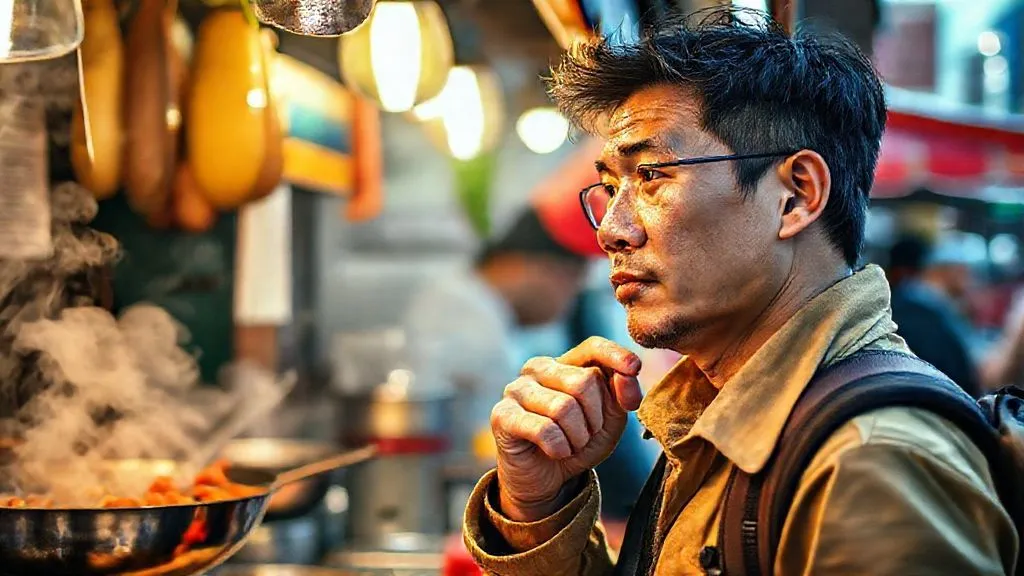
For over two decades, I've crisscrossed continents, my palate always leading the way through bustling markets and hidden alleyways, savoring the heart and soul of local cultures through their street food. I've witnessed the sheer joy of a first bite into a perfectly spiced taco and, regrettably, the sudden onset of traveler's woes that can derail an entire adventure. The magnetic pull of street food is undeniable, offering an authentic culinary experience that no high-end restaurant can truly replicate.
However, this vibrant world comes with an inherent risk: the lurking threat of foodborne illness. That tantalizing aroma often masks potential hygiene shortcuts or unfamiliar preparation methods, turning an eagerly anticipated meal into a nightmare of discomfort and regret. It’s a common pitfall for even seasoned travelers, transforming a dream trip into a race to the nearest restroom.
But fear not, fellow food adventurers! In this definitive guide, I'll share my hard-won wisdom, expert strategies, and actionable frameworks to equip you with the knowledge to navigate global street food scenes safely and confidently. You'll learn not just what to avoid, but how to proactively choose the safest, most delicious options, ensuring your culinary journeys are memorable for all the right reasons.
The Unseen Risks: Why Street Food Can Be Tricky
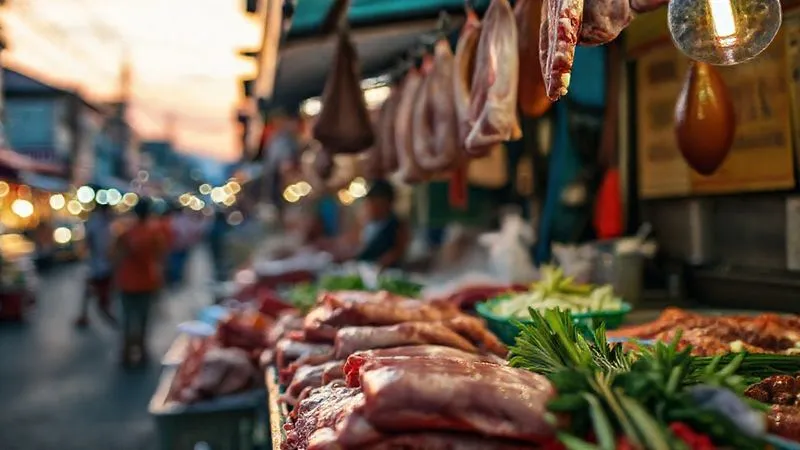
The charm of street food often lies in its impromptu nature: a pop-up stall, a mobile cart, or a simple setup by the roadside. While this spontaneity adds to the allure, it also introduces challenges regarding consistent hygiene and sanitation. Unlike established restaurants, street food vendors might lack access to running water, proper refrigeration, or controlled environments, making food safety a more dynamic and often unpredictable variable.
From cross-contamination on cutting boards to inadequate cooking temperatures and prolonged exposure of ingredients to ambient heat, the potential points of failure are numerous. Many foodborne illnesses, like those caused by E. coli, Salmonella, or Norovirus, thrive in such conditions, waiting for an unsuspecting diner. Understanding these underlying vulnerabilities is the first step in mastering the art of safe street food indulgence.
"In the world of street food, vigilance isn't paranoia; it's your most potent culinary compass. Assume nothing, observe everything." - Industry Specialist Insight
Pre-Trip Preparations: Building Your Immunity & Knowledge
Before you even step onto foreign soil, there are crucial steps you can take to fortify your defenses against potential foodborne pathogens. Think of it as preparing your internal fortress for the culinary adventures ahead. This proactive approach significantly reduces your vulnerability.
Boost Your Gut Health
A robust gut microbiome is your body's frontline defense. Consider starting a high-quality probiotic supplement a few weeks before your trip and continuing throughout. This can help strengthen your intestinal flora, making it more resilient to unfamiliar bacteria. Additionally, consuming fermented foods like yogurt or kefir can contribute to a healthy gut environment.
Research Local Food Safety Standards
Before you go, do a quick search on food safety regulations and common street food practices in your destination. Some countries have stricter guidelines or cultural norms around food preparation. Knowing what to expect can help you make informed decisions on the ground.
- Vaccinations: Consult your doctor about recommended travel vaccinations, including Hepatitis A and Typhoid, which are often linked to contaminated food and water.
- Medication Kit: Pack essentials like anti-diarrheal medication (e.g., Loperamide), oral rehydration salts (ORS), and perhaps a broad-spectrum antibiotic prescribed by your doctor for emergencies.
- Hydration Plan: Plan how you'll access safe drinking water. Consider a personal water filter bottle or purification tablets.
The Golden Rule: Observe Before You Order
This is perhaps the most critical piece of advice I can offer for safe street food adventures. Your eyes are your most powerful tools. Before you commit to a vendor, take a moment to observe their operation. This isn't about being rude; it's about being smart.
- Look for Popularity: A busy stall often indicates fresh food, as high turnover means ingredients aren't sitting around for long periods. Locals lining up are an even better sign, as they know where the good, safe food is.
- Assess Cleanliness: Observe the vendor's hands, their clothing, and the general state of their stall. Are surfaces wiped down? Is there visible dirt or grime? Are separate utensils used for raw and cooked food?
- Check Cooking Temperatures: Watch how food is cooked. Is it cooked to order and thoroughly heated? Steaming hot food is generally safer. Avoid food that looks like it's been sitting out lukewarm for an extended period.
- Observe Ingredient Storage: Are raw meats, poultry, and seafood properly refrigerated or on ice? Are fresh vegetables clean and stored away from raw proteins?
- Water Source & Dishwashing: How are dishes washed? Ideally, they should be washed with clean, running water and soap. If a vendor is just rinsing dishes in a single bucket of stagnant water, that's a major red flag.
Case Study: The Savvy Traveler in Bangkok
During a recent culinary exploration in Bangkok, I observed a traveler, Sarah, struggling with her decision. She was drawn to a vibrant pad Thai stall, but something felt off. The vendor was handling money and then immediately touching ingredients without washing hands. Nearby, another stall, equally busy, had a clear setup: separate money handler, fresh ingredients on ice, and a visibly clean cooking surface. Sarah, remembering the 'observe before you order' rule, chose the second stall. Her trip remained delightful and stomach-ache free, while others who chose based solely on aroma later reported discomfort. This simple act of observation saved her trip.
Smart Choices: What to Eat and What to Skip
Even in the cleanest stalls, some foods inherently carry higher risks than others. Making intelligent menu selections can significantly reduce your exposure to potential pathogens. This isn't about deprivation, but strategic indulgence.
Prioritize Cooked-to-Order & Hot Foods
The heat from cooking is your best friend when it comes to killing bacteria. Opt for dishes that are cooked fresh in front of you and served steaming hot. Think stir-fries, grilled skewers, deep-fried items, or soups that are visibly bubbling. If it's hot, it's likely safer.
- Safe Bets:
- Freshly grilled meats/seafood (cooked through)
- Deep-fried items
- Boiling hot soups/stews
- Stir-fried noodles/rice
- Peeled fruits (you peel it yourself)
- High-Risk Foods to Approach with Caution:
- Raw or Undercooked Meats/Seafood: Sushi, ceviche, rare steaks from street vendors are generally a no-go.
- Unpeeled Fruits & Vegetables: Unless you can wash them thoroughly yourself with purified water or they have a thick peel you can remove.
- Pre-cut Fruits & Salads: These can be exposed to contaminated water during washing or handled by unhygienic hands.
- Dairy Products: Unpasteurized milk or soft cheeses can be risky.
- Buffet-style dishes: Food sitting out at lukewarm temperatures for extended periods is a breeding ground for bacteria.
According to a study published by the World Health Organization (WHO), unsafe food causes 600 million cases of foodborne diseases and 420,000 deaths every year, with a significant portion attributed to unhygienic food preparation.
Hydration & Hand Hygiene: Your First Line of Defense
Beyond the food itself, your personal habits play an enormous role in preventing illness. These two simple practices are often overlooked but are incredibly powerful safeguards against food poisoning on global street food adventures.
Mastering Hand Hygiene
Before you eat anything, even a snack, ensure your hands are clean. If running water and soap aren't available, a good quality alcohol-based hand sanitizer (at least 60% alcohol) is indispensable. I carry a small bottle with me everywhere. Remember, you can't always control the vendor's hygiene, but you can control your own.
- Sanitize Before Eating: Always apply sanitizer thoroughly, covering all surfaces of your hands, before touching food.
- Avoid Touching Your Face: Try to minimize touching your mouth, nose, or eyes while eating street food, especially with unwashed hands.
- Use Utensils: If provided and they appear clean, use them. Otherwise, eat with your sanitized hands, being mindful of what you touch.
Staying Hydrated Safely
Dehydration can weaken your immune system and make you more susceptible to illness. However, not all water is safe. Always assume tap water is unsafe unless explicitly told otherwise by a trusted local source or official signage. Stick to bottled water with an unbroken seal, or use purification methods.
"A traveler without hand sanitizer is a traveler playing Russian roulette with their digestive system. Don't be that traveler." - My Personal Mantra
| Aspect | Before Meal | After Meal |
|---|---|---|
| Hand Hygiene | Always use sanitizer or wash hands | Optional, but recommended |
| Water Source | Verify sealed bottles or use purification | Continue regular safe hydration |
| Food Choice | Observe vendor, choose hot/cooked | Reflect on experience, adjust next choice |
Dealing with the Unexpected: When Symptoms Strike
Despite all precautions, sometimes illness can still strike. It's crucial to know how to react effectively and manage symptoms to minimize their impact on your trip. Knowledge here is empowering, not fear-mongering.
Recognize the Signs Early
Common symptoms of food poisoning include nausea, vomiting, diarrhea, abdominal cramps, and sometimes fever. If you start feeling unwell, don't ignore it. Early intervention can make a big difference.
Immediate Actions
- Hydrate Aggressively: The most critical step is to prevent dehydration, especially if you have diarrhea or vomiting. Use oral rehydration salts (ORS) mixed with safe water.
- Rest: Your body needs energy to fight off infection. Get as much rest as possible.
- Bland Diet: If you can eat, stick to bland, easily digestible foods like plain rice, toast, bananas, or clear broths. Avoid spicy, fatty, or sugary foods.
- Medication: Use your pre-packed anti-diarrheal medication sparingly, as it can sometimes prolong the illness by keeping pathogens in your system. Consult a doctor if symptoms are severe or persist.
When to Seek Medical Attention
Don't hesitate to seek professional medical help if you experience:
- High fever (above 102°F or 39°C)
- Severe dehydration (dizziness, reduced urination)
- Bloody or black stools
- Persistent vomiting that prevents you from keeping fluids down
- Symptoms lasting more than 48 hours
Many travel insurance policies include medical assistance, so familiarize yourself with your plan before you travel. You can find general advice on managing traveler's diarrhea from reputable sources like Mayo Clinic.
Beyond the Plate: Water, Ice, and Local Beverages
It's not just the solid food that can cause trouble; liquids are often culprits too. Many travelers meticulously choose their meals but overlook the dangers lurking in their drinks. This is a common oversight that I've seen lead to many unfortunate incidents.
The Perils of Unsafe Water
As mentioned, assume tap water is unsafe. This extends beyond drinking it directly. Be wary of ice cubes, which are often made from tap water. Avoid brushing your teeth with tap water if your stomach is particularly sensitive. Even rinsing fruits or vegetables with unsafe water can introduce pathogens.
| Drink Type | Safety Level | Notes |
|---|---|---|
| Bottled Water (sealed) | High | Check seal is unbroken |
| Boiled Water (tea/coffee) | High | Must be visibly boiling |
| Soft Drinks (can/bottle) | High | Wipe top before opening |
| Fresh Juices/Smoothies | Moderate-Low | Made with safe water/ice? Vendor hygiene? |
| Tap Water/Ice | Very Low | Avoid unless certified safe |
Navigating Local Beverages
While a refreshing local drink can be tempting, apply the same observational rules. If it's freshly prepared with safe ingredients (like bottled soda or beer), it's generally fine. Juices or smoothies, however, can be risky if they contain unsafe water or ice, or if the fruit isn't properly washed. Hot beverages like tea or coffee are usually safe because the water has been boiled.
"The most delicious-looking mango smoothie can be your undoing if it's blended with contaminated ice. When in doubt, stick to sealed bottles." - An Expert's Warning
Always wipe the tops of cans or bottles before drinking directly from them, as external surfaces can be contaminated. This small step can prevent a surprising amount of incidental ingestion of bacteria.
Empowering Your Journey: Trusting Your Gut (Literally)
Ultimately, navigating street food safely is about empowering yourself with knowledge and cultivating a keen sense of awareness. It's about balancing the thrill of discovery with a healthy dose of caution, ensuring that your quest for authentic flavors doesn't lead to an authentic stomach upset. This holistic approach is how to avoid food poisoning on global street food adventures effectively.
I've seen countless travelers, myself included, evolve from nervous novices to confident connoisseurs. The key isn't to avoid street food altogether—that would be a tragic loss of cultural immersion—but to approach it with a well-informed strategy. Be present, observe your surroundings, and don't be afraid to walk away if something feels off. Your instincts are often your best guide.
Embrace the adventure, savor the unique tastes, and let your curiosity lead you, but always with a mindful eye on hygiene and preparation. By following these guidelines, you're not just protecting your health; you're ensuring your entire travel experience remains vibrant, enjoyable, and filled with delicious memories, not regrettable ones.
For further reading on maintaining health while traveling, consider resources like the WHO's Travel and Health section, which provides comprehensive guidelines for international travelers.
Frequently Asked Questions (FAQ)
Q: Is it true that eating a small amount of "bad" food can build immunity? A: This is a dangerous myth. While your body adapts to local flora over time, deliberately consuming potentially contaminated food is a gamble that often leads to illness, not immunity. It's better to maintain strict hygiene and choose safe options.
Q: Should I bring my own cutlery or chopsticks? A: While not strictly necessary if the vendor provides clean utensils, carrying your own portable, clean set can be an extra layer of precaution, especially if you're particularly sensitive or observing questionable washing practices. It's a personal preference that adds control.
Q: How do I politely decline food if I suspect it's unsafe without offending the vendor? A: A polite smile, a gesture indicating you've already eaten, or simply saying "no, thank you" in the local language (if you know it) is usually sufficient. You don't need to explain your reasoning or imply their food is bad. Cultural sensitivity is key here.
Q: Are certain times of day riskier for street food? A: Yes, generally, food that has been sitting out for extended periods, especially during hot parts of the day, carries higher risk. Early morning or peak meal times (when turnover is high) are often safer as food is freshly prepared. Avoid late-night stalls that might be selling leftovers from earlier in the day.
Q: Can alcohol kill bacteria in street food? A: While high-proof alcohol has antiseptic properties, drinking it with your meal is not a reliable way to sterilize contaminated food. The concentration and contact time are insufficient, and it's not a substitute for proper food safety practices. Don't rely on alcohol for protection.
Key Takeaways and Final Thoughts
Embarking on global street food adventures is one of life's great pleasures, offering an unparalleled window into local culture and cuisine. To ensure these experiences are positive and memorable, remember these core principles:
- Observe First: Let your eyes be your guide to cleanliness, popularity, and proper food handling.
- Choose Wisely: Prioritize freshly cooked, steaming hot dishes and avoid raw, lukewarm, or pre-cut items.
- Personal Hygiene is Paramount: Always sanitize your hands before eating and ensure you're consuming safe water and ice.
- Be Prepared: Carry essential medications and know when to seek medical attention if symptoms arise.
- Trust Your Gut: If something feels off, it probably is. Don't be afraid to walk away.
By integrating these expert strategies into your travel routine, you'll not only learn how to avoid food poisoning on global street food adventures but also elevate your entire journey. Go forth, explore, and savor the world's incredible flavors with confidence and peace of mind. Your next delicious memory awaits!
Recommended Reading
- Ultimate Guide: Navigating International Air Travel with Your Service Dog
- Baggage Fees on Budget Airlines in Europe: How to Fly Cheap!
- Glamping in the Cold: The Ultimate Packing List for Winter
- 7 Secrets: How to Eat Healthy & Affordably on Frugal Adventures
- 5 Ways Inner Peace Travel Shields Leaders from Decision Fatigue



Your email address will not be published. Required fields are marked *