


What Physical Training is Needed for Orbital Space Tourism?
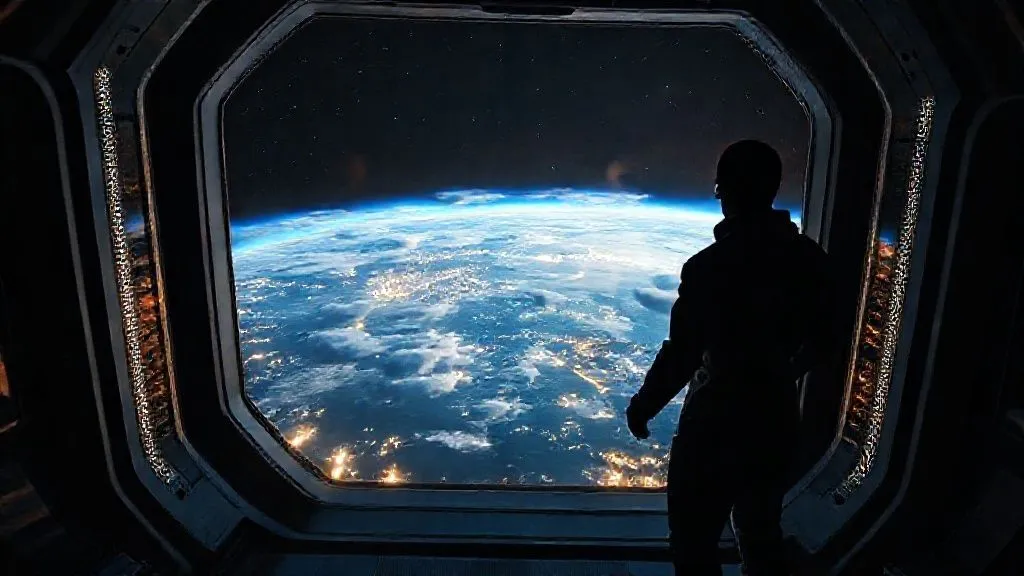
Imagine gazing down at the Earth, a vibrant blue marble suspended in the inky blackness of space. For decades, this view was reserved for a select few, elite astronauts undergoing years of rigorous preparation. But now, with the dawn of commercial spaceflight, orbital space tourism is no longer a distant dream but a burgeoning reality. The question isn't just "Can I go?" but "Am I ready?"
While the allure of space travel is undeniable, the human body is not inherently designed for the extreme conditions beyond our atmosphere. From the crushing forces of launch to the disorienting weightlessness of orbit, the journey presents unique physiological challenges. Many prospective space tourists wonder what physical training is needed to safely and comfortably experience this ultimate adventure.
This comprehensive guide will demystify the physical preparation required for orbital space tourism. We'll explore the specific demands of spaceflight, outline key training components, discuss the importance of medical screening, and equip you with the knowledge to embark on your cosmic journey with confidence and optimal physical readiness.
Understanding the Unique Demands of Spaceflight
Embarking on an orbital journey is unlike any terrestrial travel. The human body, perfectly adapted to Earth's gravity and atmospheric pressure, must contend with a cascade of unfamiliar forces and environments. Understanding these challenges is the first step in appreciating what physical training is needed for orbital space tourism.
G-Forces During Launch and Re-entry
The most immediate physical challenge comes during the ascent and descent phases. Passengers will experience significant G-forces, pushing them back into their seats during launch and pulling them forward during re-entry. These forces can be several times the force of Earth’s gravity.
- Launch: Typically involves 3-4 Gs, which can feel like three or four times your body weight pressing down on you.
- Re-entry: Can also involve similar G-forces, sometimes even higher depending on the spacecraft's trajectory.
- Impact: While brief, these forces require a healthy cardiovascular system and core strength to mitigate discomfort and prevent lightheadedness or nausea.
Life in Microgravity
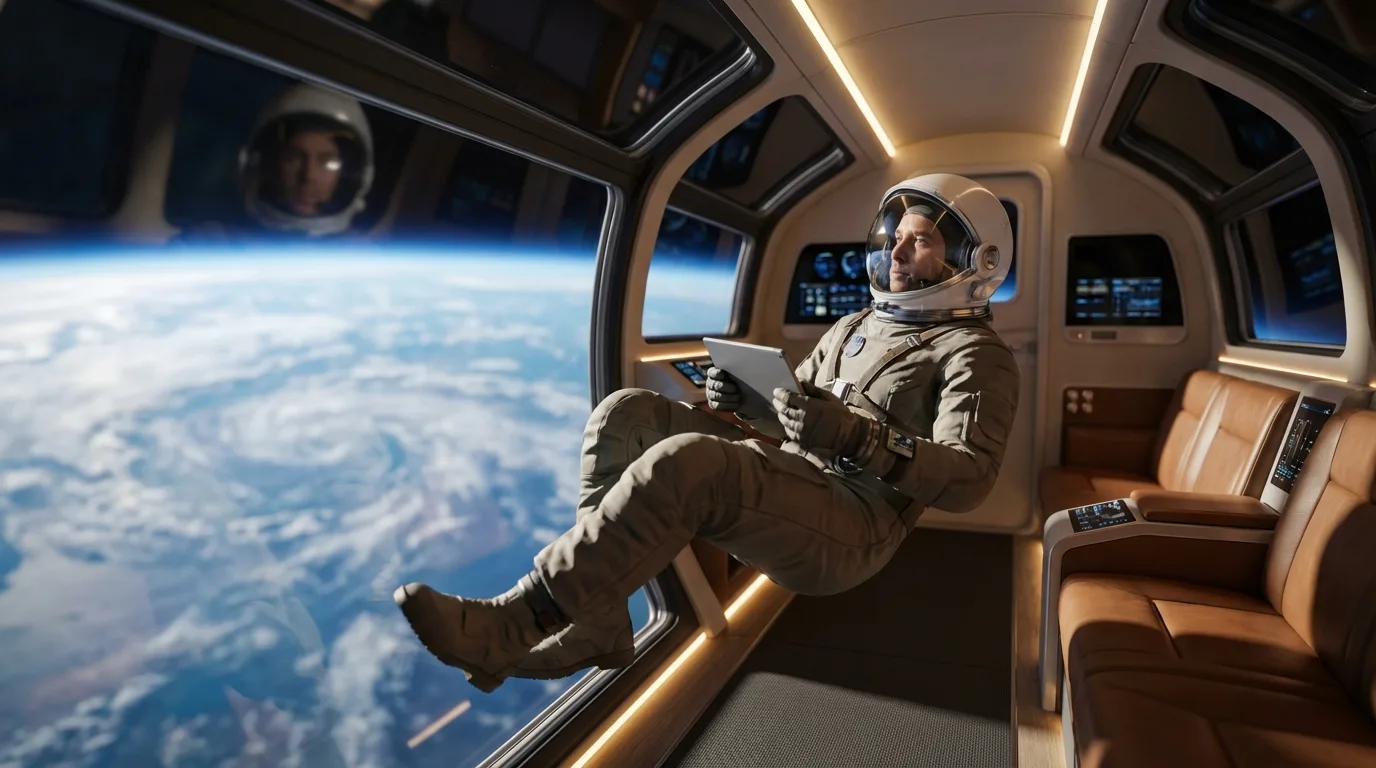
Once in orbit, the sensation shifts dramatically from intense G-forces to apparent weightlessness, or microgravity. While exhilarating, this environment profoundly affects the body.
- Space Adaptation Syndrome (SAS): Often called "space sickness," this is common in the first few days as the brain tries to reconcile conflicting sensory inputs from the eyes, inner ear, and proprioceptors. Symptoms include nausea, disorientation, and vomiting.
- Fluid Shifts: Without gravity pulling fluids down, blood and other bodily fluids shift upwards, causing a puffy face, thin legs, and increased pressure in the head, which can affect vision.
- Bone and Muscle Loss: Without the constant load of gravity, bones begin to lose density and muscles atrophy. This is a primary concern for long-duration missions but even short orbital flights can initiate these processes.
- Cardiovascular Deconditioning: The heart works less hard in microgravity, potentially leading to reduced cardiac output and orthostatic intolerance upon return to Earth.
Radiation and Psychological Factors
Beyond the immediate physical stresses, space travel exposes individuals to increased levels of radiation from cosmic rays and solar flares. While commercial flights aim for lower orbits and shorter durations to minimize this, it remains a consideration. Furthermore, the confined environment, isolation, and constant awareness of being in space can impact mental well-being, requiring a degree of psychological resilience.
Core Components of Orbital Space Tourism Physical Training
Given the unique stresses of spaceflight, a targeted physical training regimen is crucial. This isn't about becoming an Olympic athlete, but rather ensuring your body is robust enough to handle the journey and adapt to microgravity. The goal of what physical training is needed for orbital space tourism is preparedness, not perfection.
Cardiovascular Endurance: Powering Through the Journey
A strong heart and lungs are foundational. The ability to endure G-forces and adapt to fluid shifts relies heavily on cardiovascular health. Activities that elevate your heart rate and sustain it are essential.
- Aerobic Exercise: Running, cycling, swimming, or brisk walking for at least 30-60 minutes, 3-5 times per week.
- High-Intensity Interval Training (HIIT): Short bursts of intense exercise followed by brief recovery periods can improve anaerobic capacity and overall heart health.
- Benefits: Enhanced blood circulation, improved oxygen delivery to muscles, and a more resilient cardiovascular system, crucial for handling the physiological changes in space.
Strength Training: Battling Bone and Muscle Loss
To counteract the effects of microgravity on bones and muscles, strength training is paramount. Focusing on major muscle groups and core stability will help maintain mass and strength.
- Full-Body Workouts: Incorporate exercises like squats, deadlifts, lunges, push-ups, rows, and overhead presses.
- Resistance Training: Use free weights, resistance bands, or bodyweight exercises. Aim for 2-3 sessions per week.
- Core Strength: Planks, crunches, and other core exercises are vital for stability, especially during G-force exposure and adapting to movement in microgravity.
- Bone Health: Weight-bearing exercises stimulate bone density, a critical defense against microgravity-induced bone loss.
Balance and Proprioception: Adapting to Zero-G
In microgravity, your sense of up and down is gone. Training your balance and proprioception (your body's awareness in space) can help mitigate space adaptation syndrome.
- Balance Exercises: Standing on one leg, using a balance board, or practicing yoga and Tai Chi.
- Dynamic Movements: Incorporate exercises that challenge your stability, such as single-leg deadlifts or step-ups.
- Benefits: Improved spatial orientation, reduced disorientation, and potentially less severe motion sickness in space.
Flexibility and Mobility: Essential for Small Spaces
Spacecraft are confined, and good flexibility is important for comfort and movement within tight quarters. It also aids in injury prevention during training.
- Stretching: Regular stretching of all major muscle groups, holding each stretch for 20-30 seconds.
- Yoga and Pilates: Excellent for improving flexibility, core strength, and body awareness.
- Range of Motion: Ensure full range of motion in all joints, particularly the spine, hips, and shoulders.
Simulating Space: Specialized Training Techniques
While most of the physical training needed for orbital space tourism can be done in a standard gym, some specialized techniques offer a glimpse into the unique sensations of spaceflight. These simulations help prepare the body and mind for the extraordinary environment.
Centrifuge Training: Experiencing G-Forces
For those preparing for orbital flights, centrifuge training can be part of the program. A centrifuge spins participants rapidly, creating artificial G-forces similar to those experienced during launch and re-entry.
- Purpose: Familiarization with high G-loads, allowing individuals to practice breathing techniques and body positioning to mitigate discomfort.
- Experience: While intense, these sessions are carefully controlled and monitored by medical professionals, providing a safe way to understand the physical sensation.
Parabolic Flights: Brief Encounters with Weightlessness
Often called "vomit comets," these flights involve a specialized aircraft flying in a parabolic arc, creating short periods (20-30 seconds) of microgravity.
- Simulation: These flights are the closest one can get to experiencing true weightlessness on Earth, allowing participants to float freely within the cabin.
- Adaptation: They help individuals understand how their bodies move and react in zero-G, providing a valuable preview of orbital conditions and aiding in adaptation.
Underwater Training: Buoyancy for Microgravity Simulation
Astronauts frequently train underwater in large pools using neutral buoyancy to simulate microgravity, especially for spacewalks. While not typically a requirement for space tourists, it offers an analogous environment.
- Principle: The buoyancy of water allows for movement that mimics the unrestricted motion in microgravity, helping with spatial awareness and coordination.
- Practicality: For those looking for additional preparatory experiences, advanced scuba diving with a focus on neutral buoyancy can offer a similar, albeit less precise, simulation.
The Crucial Role of Medical Screening and Health Baselines
Before any physical training for orbital space tourism begins in earnest, a comprehensive medical evaluation is paramount. Space tourism providers prioritize safety above all else, and this starts with ensuring candidates are medically fit for the journey.
Comprehensive Medical Examinations
Prospective space tourists undergo rigorous medical assessments, often more thorough than a standard annual physical. These typically include:
- Cardiovascular Health: ECGs, stress tests, and blood pressure monitoring to assess heart function.
- Pulmonary Function: Lung capacity and respiratory health assessments.
- Neurological Evaluation: To check for any conditions that could be exacerbated by microgravity or G-forces.
- Blood and Urine Tests: To screen for underlying conditions like diabetes, kidney issues, or anemia.
- Vision and Hearing Tests: Essential for communication and situational awareness.
- Psychological Assessment: To ensure mental stability and ability to cope with the unique stresses of spaceflight.
According to NASA's Human Research Program, understanding the physiological changes in space is critical for astronaut health, and these principles extend to space tourists to ensure their safety and well-being. More information can be found at NASA Human Research Program.
Addressing Pre-Existing Conditions
Having a pre-existing medical condition doesn't automatically disqualify you, but it will be thoroughly evaluated. Well-managed conditions like controlled hypertension or mild asthma might be acceptable, whereas conditions that could pose a risk in a remote, high-stress environment (e.g., severe heart disease, uncontrolled diabetes, or certain neurological disorders) likely would not be.
It is crucial to be entirely transparent with medical history. Space tourism providers will have their own specific medical criteria, which may evolve as the industry matures.
Mental Health Preparedness
While not strictly "physical" training, mental fortitude is intrinsically linked to physical well-being in extreme environments. The psychological demands of spaceflight – confinement, risk, and the sheer awe – require resilience.
- Stress Management: Techniques like mindfulness, meditation, or cognitive behavioral strategies can be beneficial.
- Adaptability: The ability to cope with unexpected situations and rapidly changing environments is a key trait.
- Teamwork: Even for tourists, being able to function effectively in a small group within a confined space is important.
Nutrition and Recovery: Fueling Your Space Journey
Just as critical as the exercises themselves is the fuel you put into your body and the time you allow for recovery. Proper nutrition and adequate rest are integral parts of what physical training is needed for orbital space tourism, directly impacting your performance and adaptation.
Optimizing Your Diet for Space Readiness
A balanced, nutrient-rich diet supports muscle growth, bone density, cardiovascular health, and overall energy levels. Think of your body as a high-performance vehicle that needs premium fuel.
- Lean Proteins: Essential for muscle repair and growth. Include sources like chicken, fish, lean beef, legumes, and tofu.
- Complex Carbohydrates: Provide sustained energy. Opt for whole grains, fruits, and vegetables over refined sugars.
- Healthy Fats: Crucial for hormone production and overall health. Avocados, nuts, seeds, and olive oil are good choices.
- Vitamins and Minerals: Pay particular attention to calcium and Vitamin D for bone health, and iron for oxygen transport. A diet rich in diverse fruits and vegetables usually covers this.
- Hydration: Drink plenty of water throughout the day to support all bodily functions and aid in recovery.
Consulting with a nutritionist can help tailor a diet plan that meets your specific training needs and health goals, preparing your body optimally for the rigors of space travel.
The Importance of Adequate Rest and Sleep
Training breaks down muscle tissue, and sleep is when your body repairs and rebuilds itself. Neglecting sleep can lead to diminished performance, increased injury risk, and impaired cognitive function.
- 7-9 Hours of Sleep: Aim for this range nightly to allow for full recovery.
- Active Recovery: Incorporate light activities like walking or gentle stretching on rest days to aid blood flow and reduce muscle soreness.
- Stress Reduction: Chronic stress can impede recovery. Practice relaxation techniques to manage stress levels.
The European Space Agency emphasizes the importance of astronaut well-being, which includes physical fitness, nutrition, and psychological support, principles that directly apply to space tourists. Learn more about their approach at European Space Agency Astronauts.
Common Mistakes and How to Avoid Them in Your Training
While enthusiasm for space travel is commendable, approaching your physical preparation incorrectly can lead to setbacks or even injury. Avoiding these common pitfalls is key to a successful training regimen for orbital space tourism.
Overlooking Gradual Progression
Many eager individuals attempt too much too soon. Rapidly increasing intensity or volume without allowing the body to adapt is a recipe for injury and burnout.
- Start Slow: Begin with manageable workouts and gradually increase duration, intensity, or resistance over weeks and months.
- Listen to Your Body: Pay attention to pain, not just soreness. Rest when needed and don't push through sharp discomfort.
- Consistency Over Intensity: Regular, moderate exercise is far more beneficial than sporadic, intense bursts.
Ignoring Specialist Advice
Self-training without professional guidance can lead to inefficient workouts or improper form, which can be detrimental. Remember, what physical training is needed for orbital space tourism is specific.
- Certified Trainers: Work with fitness professionals experienced in high-performance or functional training.
- Medical Guidance: Always follow the advice of your doctors and the space tourism provider's medical team. They know the specific requirements and risks.
- Nutritionists: Consider professional dietary advice to optimize your fuel intake.
Neglecting Mental Fortitude
Physical readiness is intertwined with mental resilience. Overlooking the psychological aspects can undermine your overall preparation.
- Visualization: Mentally rehearsing the experience, including challenges, can build confidence.
- Mind-Body Connection: Practices like yoga or meditation can improve focus and stress management.
- Realistic Expectations: Understand that there will be discomfort and challenges; prepare for them mentally.
For further reading on the physiological effects of spaceflight on the human body, a comprehensive overview can be found on Wikipedia's 'Effect of spaceflight on the human body' page, which is well-referenced with scientific sources.
Preparing for the Unexpected: Emergency Procedures and Drills
While the focus of physical training is on handling the normal stresses of spaceflight, a critical aspect of preparedness for any space traveler, including tourists, is an understanding of emergency protocols. This isn't just about physical capability, but also about mental readiness and the ability to act under pressure.
Understanding In-Flight Protocols
Space tourism providers will conduct thorough briefings on all aspects of the flight, including emergency procedures. This includes:
- Safety Briefings: Detailed explanations of the spacecraft's safety features, emergency exits, and equipment.
- Communication Protocols: Knowing how to communicate with the crew and what information to relay in an emergency.
- Contingency Plans: Understanding the various scenarios that might occur and the planned responses for each.
Simulated Emergency Scenarios
Some training programs may include light simulations of emergency situations. These are designed to familiarize tourists with what to expect and how to react calmly and effectively. Such simulations could involve:
- Cabin Depressurization Drills: Practicing the donning of oxygen masks and following instructions.
- Fire Drills: Understanding the location of fire extinguishers and evacuation routes.
- Medical Emergency Response: Basic understanding of how to assist crew or fellow passengers in a medical situation.
While the crew handles the primary response, a prepared tourist is a safer tourist, capable of following instructions and assisting if necessary. This level of preparedness contributes significantly to the overall safety margin of commercial spaceflight operations.
Frequently Asked Questions (FAQ)
Is extensive astronaut training required for space tourism? No, the training for space tourists is significantly less intensive than for professional astronauts, focusing on safety and basic adaptation rather than complex mission operations.
How long does the physical training for orbital space tourism typically last? Training durations vary by provider but generally range from a few days to several weeks, depending on the complexity of the mission and the tourist's initial fitness level.
Can I still go to space if I have a pre-existing medical condition? It depends on the condition. Each space tourism provider has specific medical requirements, and a thorough screening will determine eligibility. Minor, well-managed conditions may be acceptable.
What kind of diet should I follow during space training? A balanced diet rich in lean proteins, complex carbohydrates, and healthy fats is recommended, often guided by a nutritionist to support muscle strength, bone health, and overall energy levels.
Will I experience motion sickness in space? Space Adaptation Syndrome (SAS), often called space sickness, affects many individuals in microgravity. Training can help manage symptoms, but some degree of discomfort is common initially.
Recommended Reading
- Unforeseen Adventures: How to Prepare for Unexpected in Remote Travel?
- Unlock City Secrets: Best Urban Exploration Apps for City Breaks
- Food Photography for Travel Bloggers: Top Tips & Tricks Revealed
- Cozy Cabin Glamping: Your Ultimate Cold Weather Escape Guide
- All Aboard! The Best Railway Museums for Kids in the UK Revealed
Conclusion
The dream of orbital space tourism is closer than ever, but realizing that dream demands more than just a ticket; it requires a commitment to preparing your body for an extraordinary environment. From building robust cardiovascular endurance and strength to mastering balance and adapting to simulated G-forces, the physical training needed for orbital space tourism is a holistic endeavor. It's not about becoming an astronaut, but about ensuring your journey is as safe, comfortable, and awe-inspiring as possible. By understanding the unique demands of spaceflight, engaging in targeted physical conditioning, and prioritizing comprehensive medical readiness, you're not just preparing for a trip—you're preparing for an experience that will redefine your perspective on life itself. Embrace the challenge, commit to your training, and get ready to witness Earth from a vantage point few have ever seen.



Your email address will not be published. Required fields are marked *