

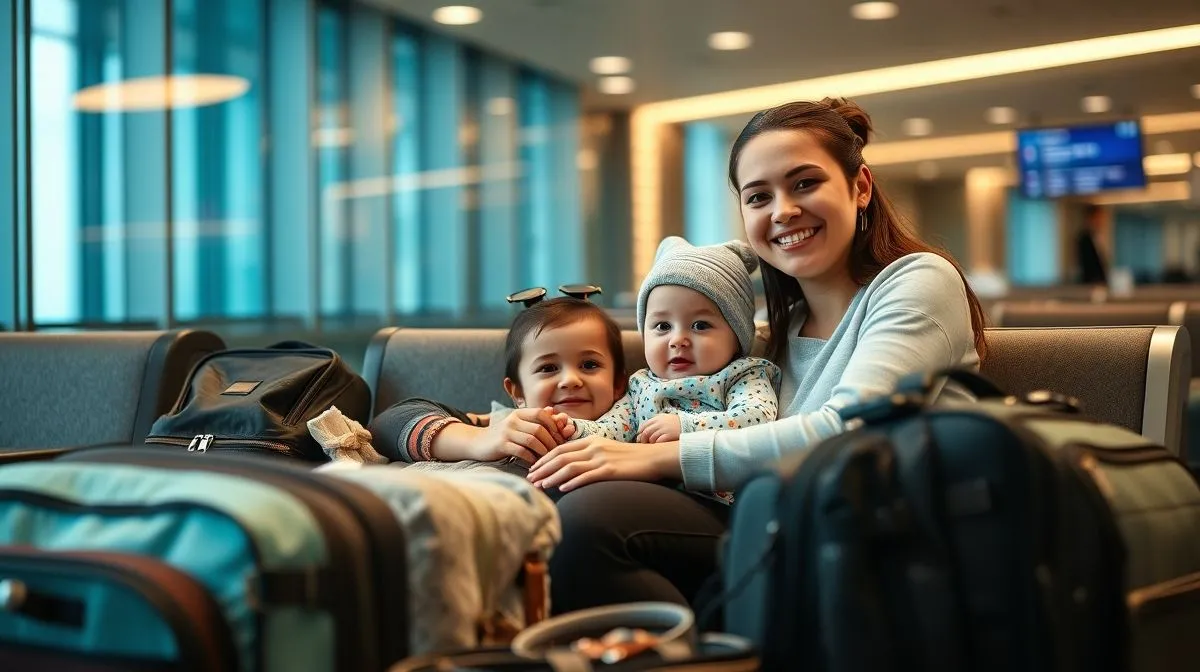
What to Pack for Baby's First International Trip: Your Ultimate Stress-Free Guide
Remember that exhilarating mix of excitement and trepidation when you planned your own first international adventure? Now, imagine amplifying that by ten, because you're not just packing for yourself anymore; you're orchestrating the perfect journey for a tiny human who depends on you for everything. The idea of taking your baby on their first international trip can feel daunting, a labyrinth of 'what ifs' and 'did I forgets'.
The common problem many new parents face is the overwhelming anxiety of forgetting something crucial, or packing too much, leading to unnecessary baggage fees and logistical nightmares. How do you ensure your little one's comfort, safety, and happiness while navigating different time zones, climates, and cultures?
This comprehensive guide will demystify the process of packing for your baby's first international trip. By the end of this reading, you will possess a meticulously crafted checklist, expert insights into crucial considerations, and practical strategies to ensure a smooth, memorable, and truly stress-free adventure for your entire family.
The Essentials: Documents and Safety First
Before you even think about tiny onesies, the most critical items for international travel are your baby's documents and a robust safety plan. Without these, your trip won't even get off the ground.
Crucial Documentation
Securing your baby's travel documents well in advance is paramount. Delays in passport processing or visa applications can derail your entire trip. It's not just about getting into the country, but also ensuring your baby's identity and health information are readily available.
- Passport and Visas: Your baby will need their own passport. Check the validity requirements for your destination country – many require passports to be valid for at least six months beyond your intended stay. Research visa requirements for your destination and any transit countries well in advance.
- Birth Certificate: Always carry a copy of your baby's birth certificate. This can be essential for proving parentage, especially if only one parent is traveling or if your surnames differ.
- Medical Records and Prescriptions: A concise summary of your baby's medical history, including immunizations, allergies, and any chronic conditions, is vital. If your baby takes prescribed medication, carry the original prescription and a doctor's note explaining the need for the medication. Keep all medications in their original, labeled containers. For comprehensive travel health advice, consult reliable sources like the CDC's Travelers' Health page.
- Travel Insurance Details: Keep a copy of your travel insurance policy, including emergency contact numbers and claim procedures. Ensure your policy covers medical emergencies and evacuations for infants.
Safety Preparations
Beyond documents, consider the immediate health and safety essentials that provide peace of mind while abroad.
- First-Aid Kit: A compact but comprehensive baby-specific first-aid kit is non-negotiable. Include infant pain relievers (acetaminophen/ibuprofen), fever reducer, thermometer, nasal aspirator, saline drops, antiseptic wipes, bandages, and hydrocortisone cream for insect bites or rashes.
- Emergency Contacts: Have a list of emergency contacts, including your pediatrician's number, family members, and your country's embassy or consulate in your destination. Store these both digitally and as a physical copy.
- Hand Sanitizer and Wipes: Essential for maintaining hygiene in various environments, especially airports and public transport. Look for baby-safe, alcohol-free options.
Clothing Considerations: Layers and Comfort Across Climates
Packing clothes for a baby on an international trip requires foresight. You'll likely encounter varying temperatures, from chilly airplane cabins to potentially hot or cold destination climates. Layers are your best friend.
Climate-Specific Apparel
Research the weather forecast for your destination thoroughly, but always be prepared for unexpected changes.
- Warm Weather: Lightweight, breathable cotton bodysuits, shorts, dresses, sun hats, and swimwear (if applicable). Prioritize fabrics that offer UV protection if you plan to spend time outdoors.
- Cold Weather: Thermal layers, warm bodysuits, sweaters, pants, hats, mittens, and a warm, waterproof outer layer. Consider a snowsuit if traveling to very cold climates.
- Transitional Weather: Cardigans, light jackets, long-sleeved bodysuits, and leggings that can be easily added or removed.
Travel Day Outfits
For the journey itself, prioritize comfort and ease of changing.
- Comfortable Outfits: Loose-fitting, soft clothing that won't irritate your baby's skin during long periods of sitting. Avoid anything with too many buttons or complicated fastenings.
- Extra Changes: Pack at least two full changes of clothes in your carry-on for your baby, and one for yourself (in case of spit-up or blowouts!).
- Sleepwear: Pack comfortable pajamas or sleep sacks suitable for the destination's climate.
Sleepwear and Accessories
Ensuring your baby sleeps well is key to a happy trip for everyone.
- Pajamas/Sleep Sacks: Enough for each night, plus a couple of spares. Consider the TOG (Thermal Overall Grade) rating of sleep sacks based on your destination's temperature.
- Socks and Booties: Keep tiny feet warm, especially in air-conditioned spaces.
- Hats: Both sun hats for protection and warm hats for cooler weather.
Feeding Fundamentals: Keeping Little Tummies Happy
Feeding your baby internationally requires careful planning, whether you're breastfeeding, formula-feeding, or introducing solids. Consistency and hygiene are paramount.
Formula, Breastfeeding, and Solids
Anticipate your feeding needs for the entire trip, including travel days and potential delays.
- Formula: Pack enough pre-measured formula for the entire trip, or at least for the first few days upon arrival, as your preferred brand might not be available or could be expensive abroad. Bring sterile water or a portable sterilizer for bottles. Remember that powdered formula and breast milk are exempt from TSA liquid limits in the U.S. and similar regulations often apply internationally.
- Breastfeeding Essentials: Nursing cover, breast pump (if used), storage bags, and nursing pads. Stay hydrated!
- Solid Foods: If your baby is on solids, pack a supply of familiar, shelf-stable baby food pouches or cereals for the journey and initial days. Research local availability for fresh options.
Feeding Gear
Don't forget the tools of the trade for happy mealtimes.
- Bottles/Sippy Cups: Enough clean bottles or sippy cups for a full day of travel, plus a small bottle brush and travel-sized dish soap for cleaning.
- Bibs and Burp Cloths: Plenty of these to manage messes. Consider waterproof or silicone bibs for easy cleaning.
- Portable High Chair/Booster: A fabric travel high chair that straps to a regular chair can be a lifesaver in restaurants or accommodations without baby facilities.
- Snacks: For older babies, pack a variety of non-perishable, easy-to-eat snacks like rice rusks, puffs, or fruit puree pouches.
Diapering Dilemmas: Staying Prepared on the Go
Diapers are bulky, but essential. Planning your diaper strategy for your baby's first international trip can save you a lot of hassle and potential discomfort for your little one.
Diaper Quantity and Type
Don't underestimate the number of diapers your baby will go through, especially with potential travel-induced digestive changes.
- Quantity: Pack enough diapers for at least 2-3 days upon arrival, or for the entire trip if you prefer a specific brand or are going to a remote location. Research if your preferred brand is available and affordable at your destination.
- Type: Consider overnight diapers for longer sleep stretches. If using cloth diapers, plan for washing facilities.
Changing Station Essentials
A well-stocked changing kit in your carry-on is crucial for quick changes on planes or in airports.
- Wipes: Several travel packs of baby wipes.
- Diaper Cream: A small tube of your preferred diaper rash cream.
- Changing Pad: A lightweight, foldable changing pad for hygienic changes on the go.
- Disposable Bags: Scented disposable bags for soiled diapers to contain odors.
- Hand Sanitizer: For quick clean-ups before and after changes.
Sleep Solutions: Ensuring Restful Nights (and Days) Abroad
Maintaining a semblance of your baby's sleep routine can significantly reduce travel stress for everyone. Familiar sleep aids can provide comfort in new environments.
Portable Sleep Aids
These items can help recreate a familiar sleep environment, promoting better rest.
- Travel Crib/Bassinet: If your accommodation doesn't provide one, a lightweight, portable travel crib can be invaluable. Ensure it meets safety standards.
- Sleep Sack/Swaddle: Your baby's familiar sleep sack or swaddle can signal bedtime, regardless of location. Pack a couple.
- White Noise Machine/App: To drown out unfamiliar noises and create a soothing sleep environment. Many portable options are available.
Comfort Items
A familiar scent or texture can provide immense comfort to a baby in a new place.
- Favorite Blanket/Lovey: A small, familiar blanket or comfort toy can offer reassurance and help your baby settle down.
- Pacifiers: If your baby uses one, pack several spares!
Entertainment & Comfort: Keeping Baby Engaged and Content
Long flights and new environments can be challenging for babies. Having appropriate entertainment and comfort items can make a huge difference.
Travel-Friendly Toys
Choose toys that are quiet, engaging, and easy to clean.
- Soft, Quiet Toys: Small, soft toys that don't make loud noises. Think fabric books, soft rattles, or crinkle toys.
- Stacking Cups/Nesting Toys: Simple, versatile toys that can keep babies entertained for surprisingly long periods.
- Teethers: If your baby is teething, pack several teethers that can be easily cleaned.
Comfort and Soothing Items
These items help keep your baby close and calm.
- Baby Carrier/Wrap: Essential for navigating airports, cities, and keeping your baby close and secure. It can also be great for napping on the go.
- Stroller: A lightweight, compact travel stroller is often more practical than your everyday stroller. Consider one that reclines for naps.
- Books: Small board books or soft fabric books for quiet entertainment.
Health & Hygiene: Beyond the Basics
Maintaining your baby's health and hygiene while traveling internationally is crucial to prevent illness and discomfort.
Personal Care Items
These are the daily essentials you use at home, now in travel-friendly sizes.
- Baby Wash/Shampoo: Travel-sized bottles of tear-free baby wash and shampoo.
- Baby Lotion/Moisturizer: To combat dry skin from air travel or climate changes.
- Sunscreen: Baby-specific, mineral-based sunscreen (if your baby is over 6 months) for sun protection.
- Nail Clippers/File: Keep those tiny nails trimmed to prevent scratches.
- Soft Baby Brush: For daily hair care.
Health Monitoring
Being able to quickly assess your baby's health is reassuring.
- Thermometer: A digital thermometer for quick temperature checks.
- Nasal Aspirator/Saline Drops: To clear stuffy noses, especially helpful on planes with dry air.
- Infant Pain/Fever Reliever: Always have a supply of infant acetaminophen or ibuprofen.
Miscellaneous Must-Haves: Don't Forget These!
Beyond the core categories, a few additional items can significantly enhance your travel experience.
Travel Gear
Consider how you'll transport your baby and their belongings.
- Car Seat: If you plan to rent a car or use taxis, bringing your own familiar car seat is often safer and more comfortable than relying on rentals. Check airline policies for flying with car seats.
- Baby Carrier/Wrap: Indispensable for airport navigation, sightseeing, and comforting your baby.
- Diaper Bag: A well-organized, spacious diaper bag is your command center. Look for one with multiple compartments and easy access.
Laundry and Cleaning
Spills and accidents are inevitable with a baby.
- Travel Laundry Detergent: Small packets of baby-safe detergent for handwashing small items.
- Stain Remover Stick: For immediate treatment of stains.
- Plastic Bags: For dirty clothes, wet items, or trash.
Parental Comforts
Don't forget to pack a few things for yourself to maintain your sanity and energy!
- Snacks for Parents: You'll be busy; having quick energy boosts is vital.
- Chargers/Power Bank: For phones and any baby gadgets.
- Reusable Water Bottle: Stay hydrated, especially during flights.
Strategic Packing Tips: Maximizing Space and Minimizing Stress
Knowing what to pack is one thing; packing it efficiently is another. Smart packing can make a huge difference in your travel experience.
Roll vs. Fold
Many experienced travelers swear by rolling clothes to save space and minimize wrinkles. For baby clothes, which are small, rolling can be particularly effective.
Packing Cubes and Pouches
These are game-changers for organizing baby clothes, feeding supplies, and toiletries. Use different colored cubes for different categories (e.g., blue for clothes, green for feeding). This makes it easy to find what you need without rummaging through your entire suitcase.
Carry-On vs. Checked Luggage
Strategically divide your items. Your carry-on should contain all immediate necessities for the flight and a day or two upon arrival, including documents, medications, a change of clothes for baby and parent, and essential feeding supplies. Checked luggage can hold bulkier items like extra diapers, larger clothing quantities, and non-essential gear.
The "What If" Bag
Consider a small, separate pouch for "what if" scenarios: a small toy for a meltdown, an extra pacifier, an emergency snack, a change of clothes for an unexpected blowout. This little bag can be easily grabbed when needed.
Common Mistakes to Avoid When Packing for Baby's First International Trip
Even with the best intentions, parents often make common packing errors that can lead to unnecessary stress. Being aware of these pitfalls can help you avoid them.
- Overpacking: This is perhaps the most common mistake. While it feels safer to bring everything, excessive luggage becomes a burden. Remember that many items can be purchased at your destination. Focus on essentials and hard-to-find items.
- Forgetting Medications: Always double-check that all necessary prescription and over-the-counter medications for your baby are packed, especially those for chronic conditions or common ailments like fever. Keep them in your carry-on.
- Ignoring Local Customs/Availability: Don't assume your preferred brand of formula or diapers will be readily available or affordable everywhere. Research this beforehand. Similarly, be mindful of cultural norms regarding baby care.
- Not Preparing for Delays: Flights can be delayed or cancelled. Always pack at least an extra day's worth of crucial items like formula, diapers, and medications in your carry-on to account for unforeseen circumstances.
- Packing Too Many Toys: While entertainment is key, a handful of engaging, travel-friendly toys is sufficient. Too many toys create clutter and add unnecessary weight.
Frequently Asked Questions (FAQ)
How many diapers should I pack for a 7-day international trip? For a 7-day trip, plan to pack enough diapers for the first 2-3 days, approximately 15-20 diapers, in your carry-on and initial luggage. You can then purchase more at your destination. Research local availability of your preferred brand.
Can I bring baby food and formula through airport security? Yes, baby food, formula, and breast milk are generally exempt from the 3-1-1 liquid rule for carry-on bags. You can bring reasonable quantities for your baby. Be prepared for these items to be subject to additional screening.
Should I bring a car seat for international travel? It depends on your travel plans. If you plan to use taxis or rental cars extensively, bringing your own car seat ensures safety and familiarity. Check airline policies if you plan to use it on the plane. For short trips or if using public transport, a baby carrier might suffice.
What's the best way to keep baby entertained on a long flight? Rotate a few small, quiet toys, offer feeding sessions, read board books, and use a baby carrier for walking around the cabin. Screen time (on a tablet with headphones) can be a last resort for older babies. Timing naps with flight times can also help.
Recommended Reading
- Wheelchair Friendly Museums Near Me? Your Ultimate Accessibility Guide
- The Ultimate Guide: How to Budget for Student Travel Abroad Effectively?
- Unlock the Secrets: Your Ultimate Guide to Sustainable Volunteer Trips
- Maldives Celebrity Hotspots: Where Do Stars Escape?
- Master Off-Grid Trekking: Your Ultimate Guide to Safe Navigation
Conclusion
Embarking on your baby's first international trip is a momentous occasion, a beautiful blend of adventure and unforgettable family memories. While the thought of what to pack for baby's first international trip can initially seem overwhelming, a methodical approach to planning and packing is your greatest ally. By prioritizing essential documents, understanding your baby's core needs for feeding, sleeping, and hygiene, and strategically organizing your luggage, you transform potential stress into confident readiness. Remember, the goal is not to pack every single item you own, but to pack smart, ensuring comfort, safety, and a touch of home for your little explorer. Embrace the journey, and create those cherished first international memories with your precious cargo.




Your email address will not be published. Required fields are marked *