

Avoiding Avalanche Risk When Heli Skiing Remote Backcountry?
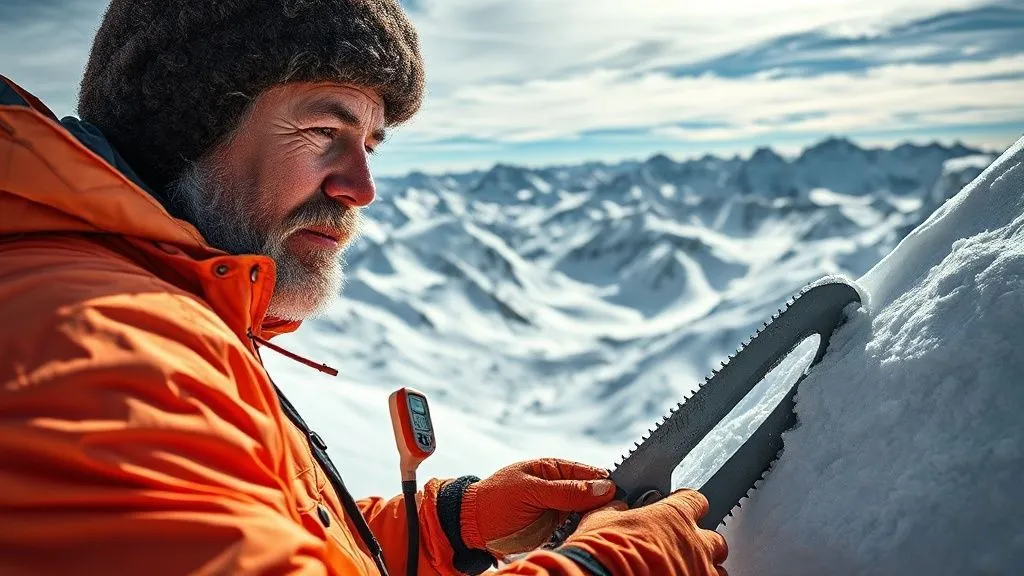
For over three decades, I've had the privilege of guiding clients through some of the most breathtaking, yet unforgiving, remote backcountry terrain on the planet. I've witnessed the sheer exhilaration of fresh powder turns and, equally, the sobering reality of what can happen when respect for the mountain's power wanes. The allure of heli-skiing — dropping into untouched, pristine landscapes accessible only by helicopter — is undeniable, but it comes with an inherent, profound responsibility: understanding and mitigating avalanche risk.
The thrill of heli-skiing often overshadows the critical need for meticulous preparation and constant vigilance. Many enthusiasts, even experienced skiers, underestimate the unique challenges presented by remote, unpatrolled backcountry. The risks are magnified when you're miles from civilization, reliant on your group's collective knowledge and your guide's expertise. The question isn't if avalanches happen; it's how you proactively avoid becoming a statistic in their path.
In this definitive guide, I'll draw upon my extensive experience to provide you with a robust framework for dramatically reducing avalanche risk when heli-skiing remote backcountry. We'll delve into the essential pillars of safety, from advanced education and critical gear to terrain management and group dynamics, offering actionable strategies and expert insights that will empower you to make informed, life-saving decisions. This isn't just about facts; it's about fostering a safety-first mindset that will serve you well in any mountain environment.
The Indispensable Role of Advanced Avalanche Education
True safety in the backcountry isn't about luck; it's about knowledge. While basic avalanche awareness is a starting point, heli-skiing in remote, unmonitored terrain demands a far deeper understanding. I've seen countless times how a solid foundation in avalanche education can be the difference between a close call and a catastrophic event.
Beyond the Basics: AIARE and Avalanche Canada
Before you even dream of stepping into a helicopter for a remote drop, I strongly advocate for advanced avalanche education. Courses like those offered by the American Institute for Avalanche Research and Education (AIARE) or Avalanche Canada's AST (Avalanche Skills Training) Level 2 are non-negotiable. These programs go beyond identifying avalanche terrain; they teach you how to interpret snowpack structure, understand weather patterns, and develop critical decision-making frameworks under pressure. As a guide, I rely on my guests having this baseline understanding, as it allows for more sophisticated communication and collective risk assessment.
These courses cover:
- Advanced snow science and metamorphism.
- Detailed terrain analysis and route selection.
- Decision-making under uncertainty and human factors (heuristics traps).
- Advanced companion rescue techniques.
Remember, certification isn't a one-time achievement; it's a commitment to ongoing learning. Conditions change, and so does our understanding of them. Regular refreshers and engaging with the latest research are crucial.
Essential Gear: Your Lifeline in Remote Terrain
In the remote backcountry, your gear isn't just equipment; it's your extended team, each piece playing a critical role in survival and rescue. Neglecting maintenance or understanding the nuances of your tools is a gamble you simply cannot afford to take. I've personally seen how well-maintained, properly used gear has saved lives, and conversely, how poorly maintained gear has compounded problems.
The Avalanche Holy Trinity: Transceiver, Shovel, Probe
Every individual in a heli-skiing group must carry and be proficient with an avalanche transceiver, shovel, and probe. This is non-negotiable. These tools are only effective if you know how to use them rapidly and efficiently in a high-stress situation. Practice, practice, practice!
- Avalanche Transceiver: Ensure it's a modern, digital 3-antenna model. Check battery levels before *every* run. Practice searching for multiple burials regularly.
- Avalanche Shovel: A sturdy metal shovel is paramount. Plastic shovels are inadequate for dense avalanche debris. Practice efficient shoveling techniques – it's often the most time-consuming part of a rescue.
- Avalanche Probe: A strong, easily deployable probe of at least 240cm is essential. Practice quick assembly and systematic probing patterns.
Beyond the core three, consider additional safety items:
- Avalanche Airbag System: While not a guarantee, these systems significantly increase your chances of staying on top of an avalanche. Understand its deployment and repacking.
- Satellite Communication Device: In remote areas, cell service is non-existent. A satellite phone or a two-way satellite messenger (like an inReach or Zoleo) is vital for contacting emergency services.
- First Aid Kit: A comprehensive kit, tailored for backcountry emergencies, including trauma supplies.
- Navigation Tools: GPS device with pre-loaded maps, compass, and physical maps.
| Gear Item | Purpose | Key Feature |
|---|---|---|
| Avalanche Transceiver | Locating buried victims | Digital, 3-antenna, fresh batteries |
| Avalanche Shovel | Excavating victims | Sturdy metal blade, extendable handle |
| Avalanche Probe | Pinpointing victim's location | 240cm+ length, quick-deploy |
| Avalanche Airbag System | Increasing buoyancy in slide | Inflates rapidly, high volume |
| Satellite Communicator | Emergency communication | Two-way messaging, SOS function |
Mastering Terrain Management: Reading the Snowpack
The mountain is constantly speaking to us, but only if we know how to listen. Terrain management and snowpack assessment are perhaps the most critical skills for avoiding avalanche risk. It's about understanding the language of the snow, the wind, and the slope itself. I've spent thousands of hours digging snow pits and observing the subtle cues of the backcountry.
Interpreting the Mountain's Warnings
Every slope has a story, and reading it requires a combination of scientific knowledge and intuitive observation. This isn't just about avoiding slopes steeper than 30 degrees; it's about understanding *why* that slope might be dangerous today, even if it was safe yesterday. Factors like aspect (which direction the slope faces), elevation, and angle all interact with recent weather to create unique conditions.
One of the most valuable tools is the snow pit. While your guide will be doing extensive snowpack analysis, understanding the basics allows you to contribute to the group's collective knowledge. Look for:
- Layering: Different snow layers indicate different deposition events. Weak layers (e.g., surface hoar, faceted crystals) beneath stronger slabs are a classic recipe for disaster.
- Hardness: Use a hand test to assess the hardness of layers. Sudden changes in hardness can indicate instability.
- Bonding: How well do the layers stick together? Poor bonding is a huge red flag.
- Recent Activity: Are there signs of recent avalanches on similar aspects? This is a strong indicator of current instability.
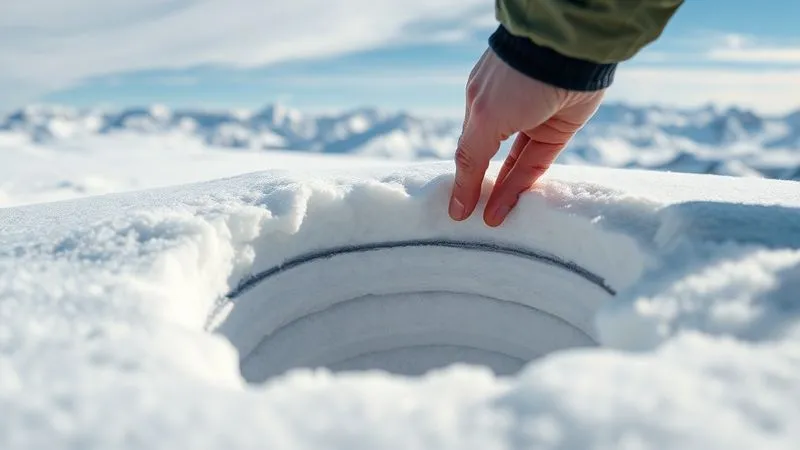
Furthermore, observing wind patterns and their effect on snow distribution is paramount. Wind slabs, formed by wind-transported snow, are notoriously dangerous and can be triggered by the weight of a single skier. Always be aware of where the wind has been blowing and where it might have deposited snow.
Group Dynamics and Communication: The Human Factor
In the backcountry, your group is your immediate support system. The dynamics within that group, and how effectively you communicate, can profoundly impact safety. I've learned that even with the best technical skills, poor communication or group dysfunction can lead to critical errors.
Building a Cohesive, Vigilant Team
A strong heli-skiing group operates as a cohesive unit, constantly communicating and looking out for one another. Your professional guide is the leader, but every member has a responsibility to contribute to safety. This means:
- Clear Communication: Always articulate your observations, concerns, or intentions. If you see something, say something. This could be a cracking sound, a change in snow texture, or simply feeling uneasy about a slope.
- Active Listening: Pay attention to your guide's instructions and the input from other group members. Don't be afraid to ask clarifying questions.
- Maintaining Spacing: Never ski directly above or too close to another group member. Maintain safe distances to minimize the load on the snowpack and ensure only one person is exposed at a time in critical terrain.
- Buddy System: Always know where your buddy is. In the event of an avalanche, immediate visual confirmation is crucial for rescue efforts.
Case Study: The Echo Ridge Near Miss
A few seasons ago, I was guiding a group in the Echo Ridge zone. We had a strong snowpack, but a recent storm had left a thin, wind-loaded slab on a specific aspect. As we approached a convex roll, one of my clients, Sarah, who had completed her AST 2, noticed a faint 'whumph' sound and a small shooting crack a few hundred meters away on a similar slope. She immediately called it out. We paused, reassessed the terrain, dug a quick pit, and confirmed the instability. We rerouted to a safer, less exposed line. Sarah's vigilance and clear communication, fueled by her education, prevented us from potentially entering a dangerous situation. It reinforced the immense value of an educated, communicative group.
Human factors, often called 'heuristic traps,' are a significant cause of avalanche incidents. These include familiarity (thinking a known slope is always safe), social proof (following the group blindly), and expert halo (over-reliance on the guide without personal vigilance). A good guide will actively encourage questions and observations from their group, fostering a culture of shared responsibility rather than blind obedience.
Pre-Trip Planning: The Foundation of a Safe Descent
The success and safety of a heli-skiing trip are often determined long before the helicopter blades even start spinning. Meticulous pre-trip planning is the bedrock upon which all subsequent safety measures are built. In my experience, skipping this crucial phase is akin to building a house without a foundation.
Comprehensive Information Gathering and Contingency Planning
Before embarking on any remote backcountry adventure, a thorough planning session is essential. This involves your guide, the heli-skiing operation, and you, the client. Key elements include:
- Weather Forecast Analysis: Beyond general forecasts, delve into mountain-specific weather. Look for precipitation, temperature changes, and, crucially, wind speed and direction at various elevations. These are primary drivers of avalanche conditions.
- Avalanche Bulletin Review: Consult the latest avalanche forecasts from reputable sources (e.g., Avalanche Canada, U.S. Forest Service National Avalanche Center). Understand the danger ratings, specific hazard types, and recommended terrain.
- Route Selection and Alternatives: Your guide will outline potential ski zones and specific lines. Discuss these. What are the escape routes? What are the bailout options if conditions change? Always have a Plan B, C, and D.
- Emergency Contact and Communication Plan: Who is the primary contact? What are the satellite communication protocols? Ensure everyone knows how to activate an SOS and what information to relay.
- Equipment Check: A final, thorough check of all personal and group safety gear. Batteries, functionality, and readiness.
According to research published by the Wilderness Medical Society, a significant percentage of backcountry incidents could be mitigated or avoided entirely with better pre-trip planning and risk assessment. This isn't just about knowing the weather; it's about anticipating its impact on the snowpack and your chosen routes.
| Planning Item | Detail | Responsibility |
|---|---|---|
| Weather Forecast | Mountain-specific, wind, temp, precip | Guide & Group |
| Avalanche Bulletin | Danger ratings, specific hazards | Guide & Group |
| Route Selection | Primary lines, escape routes, alternatives | Guide |
| Emergency Plan | Comm protocols, SOS activation, contact | All |
| Gear Check | Transceiver, shovel, probe, airbag, comms | All |
In-Field Decision Making: Adapting to Conditions
No matter how meticulously you plan, the mountain environment is dynamic and unpredictable. The ability to make sound, adaptive decisions in the field is paramount. This is where your education, your guide's experience, and the collective vigilance of your group truly come into play. I always tell my clients, 'The mountain doesn't care about your plans; it cares about your respect.'
Constant Assessment and Flexible Strategy
From the moment you step out of the helicopter, the assessment never stops. Your guide will be continuously evaluating conditions, but you should be too. Look for:
- Visual Cues: Recent avalanche activity (old crowns, debris), cracking in the snow, 'whumphing' sounds, new cornices forming or breaking.
- Snow Quality: Is the snow feeling different than expected? Is it heavier, lighter, or more wind-affected?
- Weather Changes: Sudden shifts in temperature, increasing wind, or new precipitation.
- Group Observations: Any member of the group noticing something unusual.
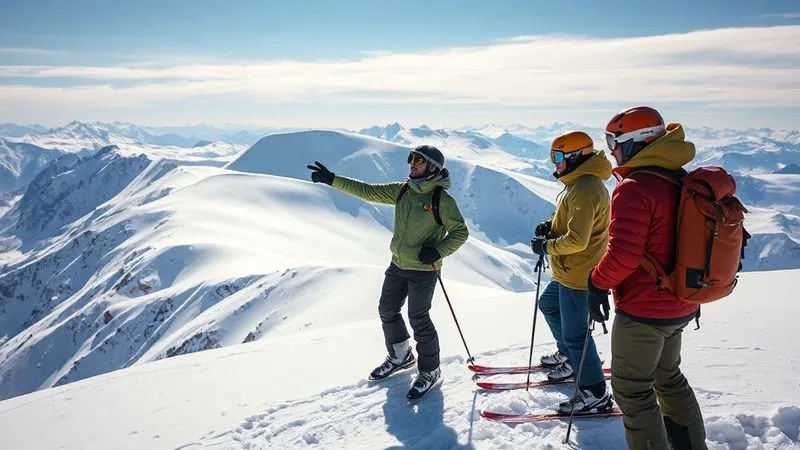
If any red flags appear, the strategy must be flexible enough to change. This might mean:
- Skiing a less aggressive slope.
- Avoiding certain aspects or elevations.
- Skipping a planned run entirely.
- Turning back.
A sign of a truly experienced guide is not just their ability to lead you down amazing terrain, but their willingness to say 'no' when conditions demand it, even if it means disappointing clients. Trust that 'no' is always a decision made in your best interest.
Emergency Protocols: What to Do When the Unthinkable Happens
Despite all precautions, avalanches can and do happen. Knowing exactly what to do in an emergency is not just about personal survival; it's about contributing effectively to the rescue of others. Preparedness in this scenario is measured in seconds, and those seconds are often the difference between life and death.
Rapid Response and Organized Rescue
The first few minutes after an avalanche are known as the 'golden window' for survival. Your guide will lead the emergency response, but every group member plays a critical role. This is why consistent practice with your transceiver, shovel, and probe is so vital.
If you are caught in an avalanche:
- Fight for Air: Try to stay on the surface. 'Swim' with the debris.
- Clear an Air Pocket: If buried, create an air pocket in front of your face as the snow settles.
- Stay Calm: Conserve oxygen and energy.
If you witness an avalanche and someone is buried:
- Designate a Leader: Your guide will take charge. Follow their instructions precisely.
- Visual Last Seen Point: Mark the exact spot where the victim was last seen. This is crucial for narrowing the search area.
- Transceiver Search: Immediately switch transceivers to search mode and begin a systematic search pattern.
- Probing and Shoveling: Once a signal is acquired, follow the transceiver to pinpoint the burial, then use probes to locate and shovels to excavate efficiently.
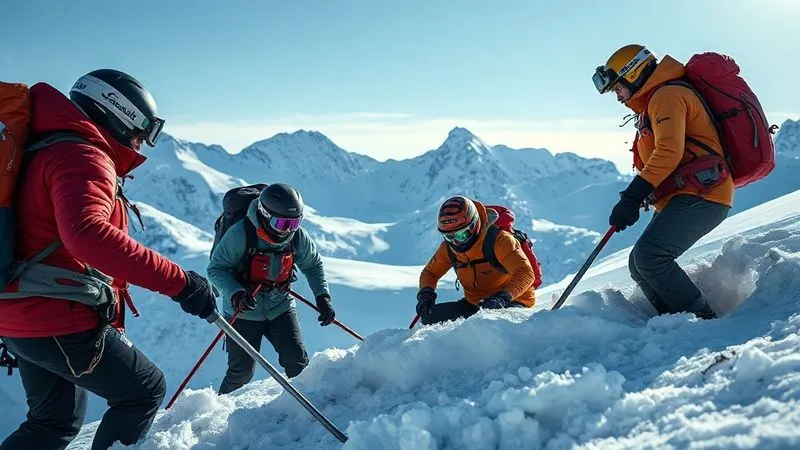
Beyond immediate companion rescue, understand the communication protocols for calling in external help. This is where your satellite communication device becomes indispensable. Provide clear, concise information: location coordinates, number of victims, injuries, and current weather conditions. The Alpine Club of Canada, among other organizations, provides excellent resources on advanced rescue techniques and wilderness first aid.
Frequently Asked Questions (FAQ)
Question? How often should I refresh my avalanche safety training, especially for remote heli-skiing?
Detailed answer: I recommend a formal refresher course (like an AST 1 or 2 update) every 2-3 years, and informal practice sessions (transceiver drills, snow pit analysis) annually. Conditions, gear, and best practices evolve, so staying current is critical. Your guide will expect you to be proficient.
Question? Is an avalanche airbag system truly necessary, or is a transceiver, shovel, and probe enough?
Detailed answer: While the transceiver, shovel, and probe are the absolute minimum for companion rescue, an avalanche airbag system significantly increases your personal survival chances if caught in a slide by helping you stay on top of the debris. It's an additional layer of personal protection I highly recommend, especially in remote, high-consequence terrain where external rescue is hours away.
Question? What's the best way to assess snow stability on a specific slope if my guide hasn't dug a snow pit there?
Detailed answer: Your guide will be constantly assessing, but as a group member, you can contribute. Look for visual cues like cracking, 'whumph' sounds, recent avalanche activity on similar aspects, and wind-loading patterns. Perform a quick hand shear test on exposed snow to check for weak layers, but never blindly trust a single test. Always defer to your guide's judgment, but voice your observations.
Question? How important is physical fitness for reducing avalanche risk in heli-skiing?
Detailed answer: Physical fitness is incredibly important, not just for enjoying the skiing, but for safety. Being physically capable allows you to react quickly in an emergency, perform strenuous rescue tasks effectively, and maintain clear judgment when fatigued. Exhaustion can lead to poor decision-making and slower reactions, increasing overall risk.
Question? Should I ever question my heli-ski guide's decisions?
Detailed answer: Absolutely, but do so respectfully and privately if possible. A good guide welcomes informed questions and observations. If you have a legitimate concern based on your training or observations, it's your responsibility to voice it. This fosters a culture of shared vigilance. However, the guide's final decision is paramount, as they have the ultimate responsibility and often access to more comprehensive information and experience.
Key Takeaways and Final Thoughts
Heli-skiing in remote backcountry offers an unparalleled adventure, a chance to connect with nature's grandeur in its most pristine form. Yet, this privilege comes with a non-negotiable demand for respect, preparation, and continuous vigilance regarding avalanche risk. My three decades in this demanding environment have taught me that safety isn't a checklist; it's a mindset, a culture, and a constant process of learning and adapting.
- Invest in Advanced Education: Your knowledge is your primary safety tool.
- Master Your Gear: Proficiency with transceiver, shovel, and probe is non-negotiable.
- Read the Mountain: Understand snowpack, terrain, and weather cues.
- Communicate Effectively: A cohesive, vigilant group is a safe group.
- Plan Meticulously: Pre-trip planning saves lives.
- Adapt in the Field: Conditions change; your strategy must too.
- Practice Emergency Protocols: Be ready for the worst, hope for the best.
Remember, the goal isn't to eliminate risk entirely — that's impossible in the backcountry — but to manage it intelligently and responsibly. By embracing these protocols and fostering a deep respect for the mountain, you're not just ensuring your own safety; you're contributing to the safety of your entire group, allowing everyone to truly savor the unmatched beauty and thrill of heli-skiing remote backcountry. Ski safe, ski smart, and cherish every turn.
Recommended Reading
- Time-Pressed Founders: 7 Steps to Epic Road Trips & Burnout Prevention
- Unveiling the Truth: How Safe Are Private Space Tourism Rocket Launches?
- Carnival Travel Risks: How Corporate Groups Stay Safe (7 Tips)
- How to Minimize Visitor Ecological Impact in Sensitive Nature Reserves: 7 Key Steps
- Glamping in the Cold: The Ultimate Packing List for Winter

Your email address will not be published. Required fields are marked *