


Avoiding Voluntourism: Ensuring Real Impact for Youth Overseas?
For over 18 years in the volunteer travel sector, I've had the privilege of witnessing countless young people embark on journeys of self-discovery and service. Their intentions are always pure, fueled by a genuine desire to make a difference in the world. Yet, I've also seen firsthand how easily these noble aspirations can, unintentionally, fall into the trap of 'voluntourism', where good hearts don't always translate into genuinely good outcomes.
The problem isn't the enthusiasm of our youth; it's often the structure, or lack thereof, within some overseas programs. Many well-meaning young volunteers find themselves in projects that prioritize their experience over the community's actual needs, creating dependency, displacing local labor, or fostering superficial interactions. This can leave both the volunteer and the community feeling unfulfilled, or worse, inadvertently causing harm.
This guide isn't about discouraging youth from volunteering abroad. Quite the opposite. It's about empowering them, their parents, and their educators with the knowledge and actionable frameworks to choose wisely. We'll explore expert insights, critical questions, and a clear roadmap to ensure that every youth overseas volunteering experience is not just memorable, but genuinely impactful, fostering responsible global citizenship and real, sustainable change.
Understanding the Voluntourism Trap: More Than Just Good Intentions
The term 'voluntourism' often carries a negative connotation, but it's crucial to understand why. At its core, it refers to volunteer travel experiences that prioritize the volunteer's personal growth, adventure, or resume-building over the authentic, long-term needs of the host community. While personal growth is a natural byproduct of ethical volunteering, it should never be the primary driver of a program's design.
In my experience, the distinction lies in impact versus intent. Many programs are well-intentioned but poorly executed, leading to a range of issues. These can include creating dependency, undermining local economies by performing jobs locals could do, or fostering a 'savior complex' rather than genuine partnership. For youth, who are particularly impressionable, navigating this landscape without proper guidance can be incredibly challenging.
"The road to hell is paved with good intentions." This old adage rings particularly true in the realm of voluntourism, where a desire to help, without critical analysis, can inadvertently lead to detrimental outcomes for vulnerable communities."
Ethical volunteering, conversely, is deeply rooted in local needs, sustainable development goals, and a commitment to empowering rather than enabling. It involves thoughtful pre-departure training, culturally sensitive engagement, and a focus on long-term capacity building. The goal is to leave a community stronger and more self-sufficient, not reliant on external, short-term aid.
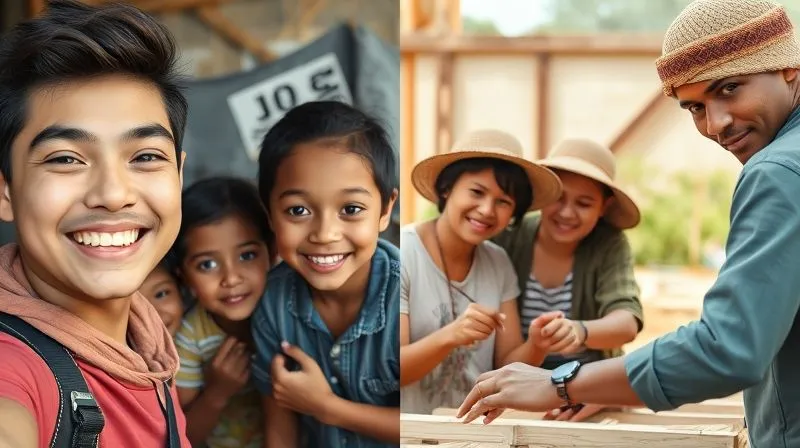
The Five Pillars of Ethical Youth Volunteering
To ensure real impact and avoid the pitfalls of voluntourism, I've distilled my years of observation into five critical pillars. These aren't just guidelines; they're foundational principles for selecting and engaging in truly meaningful youth overseas volunteering experiences.
Pillar 1: Needs-Based Project Selection
The cornerstone of ethical volunteering is ensuring that the project addresses a genuine, identified need of the local community, as defined by the community itself. This isn't about what a volunteer *thinks* a community needs, but what the community explicitly requests and prioritizes.
- Locally Led Initiatives: Prioritize programs that are designed, managed, and staffed primarily by local people. They understand their community's context and needs best.
- Long-Term Goals: Look for projects that are part of a larger, sustainable development plan, not just isolated, short-term fixes. Ask about the project's long-term vision and exit strategy for international volunteers.
- Skill-Matching: Ensure the tasks assigned to youth volunteers align with their actual skills, or that adequate training is provided for specific tasks. Unskilled volunteers should not be performing skilled labor (e.g., construction, teaching complex subjects) without professional oversight.
Pillar 2: Pre-Departure Education & Training
Preparation is paramount. An ethical program invests heavily in preparing its volunteers, especially youth, for the realities of their host country and the specifics of their role. This goes far beyond a simple packing list.
- Cultural Competency: Training should cover local customs, social norms, communication styles, and historical context to foster respect and prevent cultural missteps.
- Ethical Guidelines: Volunteers must understand the ethical implications of their presence, including issues around photography, privacy, gift-giving, and professional boundaries.
- Practical Skills & Safety: Depending on the project, training might include basic language phrases, specific project skills (e.g., basic gardening, teaching support techniques), and comprehensive safety protocols.
"A truly prepared volunteer arrives not just with enthusiasm, but with humility, cultural awareness, and a clear understanding of their supportive role, ready to learn as much as they contribute."
Pillar 3: Sustainable Engagement & Capacity Building
The goal is to empower local communities, not create dependency. Ethical programs focus on strengthening local capacity and ensuring that the work continues long after international volunteers depart.
- Empowerment, Not Replacement: Volunteers should work alongside local staff, sharing knowledge and skills, rather than replacing paid local labor.
- Resource Mobilization: Ethical programs often focus on helping communities access resources, develop infrastructure, or implement systems that lead to self-sufficiency. For instance, a project might focus on setting up a community library and training local librarians, rather than just delivering books.
- Support for Local Economy: Look for organizations that source materials and services locally, further benefiting the host community's economy.
This pillar aligns closely with the United Nations Sustainable Development Goals (SDGs), which provide a global framework for addressing poverty, protecting the planet, and ensuring prosperity for all. Ethical youth volunteering should always strive to contribute to these broader, internationally recognized objectives. You can learn more about the SDGs at sdgs.un.org/goals.
Pillar 4: Transparency & Accountability
A reputable organization will be transparent about its operations, finances, and impact. They welcome scrutiny and can clearly articulate how volunteer contributions translate into tangible benefits for the community.
When evaluating programs, it's crucial to ask tough questions. How are funds allocated? What percentage goes directly to the community versus administrative costs? How do they measure impact? Are their reports publicly available? This level of transparency builds trust and helps differentiate genuine impact from superficial efforts.
| Characteristic | Ethical Program | Voluntourism Trap |
|---|---|---|
| Local Leadership | Majority of staff are local, community-driven decisions | Foreign leadership dictates projects, limited local input |
| Volunteer Role | Supportive, skill-sharing, capacity-building | Performs tasks locals could do, 'doing for' rather than 'with' |
| Project Duration | Part of long-term sustainable development plan | Short-term, isolated projects with no clear continuity |
| Impact Measurement | Quantifiable metrics, community feedback, transparent reporting | Anecdotal stories, photo opportunities, vague impact claims |
Pillar 5: Post-Trip Reflection & Continued Advocacy
The learning doesn't end when the plane lands back home. Ethical programs encourage deep reflection and equip volunteers to be advocates for responsible global engagement.
- Structured Reflection: Activities like journaling, group discussions, and presentations help youth process their experiences, understand complex global issues, and identify their personal growth.
- Advocacy & Education: Empowering youth to share their insights responsibly, challenging stereotypes, and advocating for ethical international development in their own communities.
- Long-Term Engagement: Providing avenues for continued involvement, whether through fundraising, mentorship, or supporting the organization's mission from afar.
Evaluating Volunteer Organizations: A Deep Dive into Due Diligence
Choosing the right organization is perhaps the most critical step in ensuring an impactful youth overseas volunteering experience. It requires more than just browsing glossy brochures; it demands rigorous due diligence. As an expert in this field, I cannot stress enough the importance of asking the right questions and looking beyond surface-level appeals.
Firstly, investigate their local partnerships. Are they working with established local NGOs, community leaders, or government bodies? A strong indicator of an ethical organization is its deep roots and genuine collaboration within the host community. Ask for specific names and contact information of local partners, if appropriate. Secondly, scrutinize their financial transparency. Reputable organizations will provide clear breakdowns of how volunteer fees and donations are utilized, distinguishing between administrative costs and direct program expenses.
Furthermore, look for evidence of impact measurement. Do they have annual reports, case studies, or testimonials from the local communities they serve? Vague statements about 'making a difference' are insufficient. You want to see data, stories of empowerment, and demonstrable improvements in the lives of the people they work with. A good resource for checking the legitimacy and impact of non-profits can be found on sites like Charity Navigator, though it mainly covers US-based charities, its principles of transparency are universally applicable.
Case Study: Project Harmony's Impactful Approach
Consider the fictional example of Project Harmony, a youth volunteering initiative focused on sustainable agriculture in a rural region of Kenya. For years, well-meaning but ill-prepared volunteers had attempted to introduce new farming techniques, often with limited success and sometimes disrupting traditional practices. Project Harmony recognized this pitfall.
Instead of bringing in foreign 'experts,' they partnered with local agricultural cooperatives and community elders. Their program shifted from direct intervention to capacity building. Youth volunteers, after extensive pre-departure training on cultural sensitivity and basic permaculture principles, worked alongside local farmers. Their primary role was to assist in data collection on crop yields, help maintain new irrigation systems designed by local engineers, and facilitate educational workshops where local farmers shared best practices with each other. This approach, prioritizing local knowledge and leadership, resulted in a 30% increase in food security for participating families within two years and fostered a strong sense of community ownership, demonstrating the power of true collaboration.
Empowering Youth: Cultivating a Mindset of Humility and Learning
Beyond choosing the right program, the mindset a young volunteer brings to the experience is critical. I've often seen that the most impactful volunteers are those who arrive with a spirit of humility, curiosity, and a profound willingness to learn, rather than a desire to 'save' or 'fix'. This shift from 'savior' to 'learner' is foundational for genuine cross-cultural engagement.
Encourage youth to view their time abroad as an opportunity for mutual exchange. They are not just offering their time or skills; they are gaining invaluable perspectives, insights into different ways of life, and a deeper understanding of global challenges. This means actively listening, asking thoughtful questions, and respecting local wisdom, even when it differs from their own upbringing or beliefs. It's about recognizing the inherent dignity and capabilities of every individual and community they encounter.
- Embrace the 'Student' Role: Encourage youth to see themselves as students of the culture, language, and local context first.
- Practice Active Listening: Teach them to listen more than they speak, to observe, and to understand before offering opinions or solutions.
- Challenge Assumptions: Help them recognize and question their own cultural biases and preconceived notions about poverty, development, and other cultures.
- Be Adaptable and Resilient: Prepare them for the inevitable challenges, discomforts, and cultural differences, fostering a resilient and open-minded approach.
Measuring Real Impact: Beyond Anecdotes and Photo Opportunities
One of the biggest challenges in the volunteer travel sector is genuinely measuring impact. Many organizations rely on anecdotal evidence or impressive photo galleries, which, while heartwarming, don't always reflect sustainable change. For youth overseas volunteering, we need to move beyond feel-good stories to concrete evidence of positive, lasting effects.
Real impact measurement involves both quantitative and qualitative data. Quantitative metrics might include numbers like increased literacy rates, improved access to clean water, or the establishment of new community resources. Qualitative data involves gathering stories, testimonials, and feedback directly from the community members themselves, assessing changes in their well-being, empowerment, and self-sufficiency. It's about ensuring that the impact is defined by the community, not just by external observers.
Furthermore, consider the long-term versus short-term impact. A short-term project might provide immediate relief, but does it contribute to a sustainable future? Ethical programs are transparent about how they track progress over time and what their long-term objectives are. Understanding these distinctions is vital for youth and their families when assessing the true value of a program. For more on robust impact measurement, you can consult resources like this article from the Stanford Social Innovation Review.
| Project Type | Short-Term Metric | Long-Term Impact Metric |
|---|---|---|
| Education Support | Number of classes taught by volunteers | Increase in local teacher training, improved student test scores, higher school retention rates |
| Construction (e.g., school) | Number of bricks laid by volunteers | Increased school enrollment, improved learning environment quality, local construction skills transferred |
| Environmental Conservation | Number of trees planted by volunteers | Reduction in deforestation rates, increased local community involvement in conservation, sustainable resource management practices |
Practical Steps for Parents & Educators: Guiding Young Volunteers
Parents and educators play an indispensable role in guiding youth towards ethical and impactful overseas volunteering experiences. Your critical involvement can make all the difference in transforming a potentially superficial trip into a profoundly meaningful journey of service and learning.
- Start the Conversation Early: Discuss the concept of responsible travel and global citizenship. Explore what 'making a difference' truly means and the complexities of international development.
- Research Together, Critically: Don't just rely on program brochures. Dive into their websites, look for annual reports, impact assessments, and independent reviews. Use the 'Five Pillars' framework discussed earlier as a checklist.
- Ask Direct Questions: Contact program coordinators with specific questions about local partnerships, volunteer roles, pre-departure training, safety protocols, and how they measure long-term impact. Don't be afraid to challenge vague answers.
- Prioritize Education Over 'Doing': Focus on programs that emphasize cultural immersion, learning, and capacity building over simply performing tasks. A program that invests in significant pre-departure and in-country education is a strong indicator of ethical practice.
- Prepare for Re-entry: Discuss potential culture shock upon returning home. Encourage reflection on their experiences and how they might continue to advocate for global issues locally. This includes processing any challenging emotions or observations from their trip.
The Future of Youth Volunteer Travel: Challenges and Opportunities
The landscape of youth volunteer travel is continuously evolving. While challenges persist, particularly in distinguishing genuinely ethical programs from those primarily driven by profit or superficial experiences, there are also immense opportunities. The increasing global awareness among youth, coupled with advancements in communication technology, offers new avenues for responsible engagement.
I believe the future lies in even greater emphasis on remote volunteering, virtual exchanges, and highly specialized, longer-term programs that truly integrate youth into sustainable development efforts. The onus is on both organizations to innovate ethically and on volunteers (and their guardians) to demand transparency and impact. By collectively prioritizing genuine collaboration, cultural humility, and measurable outcomes, we can ensure that youth overseas volunteering truly embodies its potential as a powerful force for positive global change.
Frequently Asked Questions (FAQ)
Q: How can I tell if an organization is truly ethical or just greenwashing? A: Look for deep transparency in their operations, finances, and impact reports. Ethical organizations will openly share details about their local partnerships, how volunteer fees are spent, and concrete metrics of their long-term impact. They prioritize community-led initiatives and have clear policies against volunteers performing jobs that local people could be paid for. Be wary of programs that heavily feature photos of volunteers holding children or engaging in overly simplistic tasks without robust educational components.
Q: My teen wants to volunteer for a week overseas. Is this enough time to make a real impact? A: In my professional opinion, a single week is rarely enough to create significant, sustainable impact on a community. While it can be a valuable cultural immersion experience for the volunteer, genuine community development requires sustained effort and deeper integration. Short trips often risk superficial engagement and can even disrupt local routines. For real impact, I recommend programs of at least 3-4 weeks, or even longer, that include substantial pre-departure and in-country training.
Q: What if my child doesn't have specific skills? Can they still contribute meaningfully? A: Absolutely! Not all meaningful contributions require highly specialized skills. Many ethical programs need assistance with tasks like data collection, administrative support, environmental monitoring, or assisting local educators as a classroom aid (under strict supervision). The key is that these tasks should genuinely support local staff and initiatives, not replace them, and the program should provide adequate training for the role. A humble, eager-to-learn attitude is often more valuable than a specific skill set.
Q: Are there alternatives to overseas volunteering that still offer cross-cultural learning and impact? A: Yes, definitely! Consider virtual volunteering opportunities, which connect youth with international NGOs for remote support tasks. Local community service projects that focus on immigrant or refugee populations can offer profound cross-cultural learning at home. Additionally, educational travel programs that emphasize immersion, language learning, and cultural exchange without a direct 'volunteer' component can be incredibly impactful for personal growth and understanding global issues.
Q: How do I prepare my child for the emotional and cultural challenges of volunteering abroad? A: Open and honest conversations are crucial. Discuss potential culture shock, homesickness, and the emotional toll of witnessing poverty or difficult living conditions. Encourage them to journal, stay connected with family (within reasonable limits), and utilize any in-country support systems the program offers. Emphasize that it's okay to feel overwhelmed and that processing these experiences is part of the growth. Pre-departure cultural sensitivity training is also invaluable for managing expectations and fostering resilience.
Key Takeaways and Final Thoughts
Navigating the world of youth overseas volunteering requires diligence, critical thinking, and a commitment to ethical engagement. As an industry specialist, I've seen the transformative power of well-executed programs and the unintended harm of poorly designed ones. The responsibility to ensure real impact lies with all of us – the organizations, the volunteers, and their supportive networks.
- Prioritize Local Needs: Always choose programs designed and led by local communities.
- Demand Transparency: Scrutinize an organization's finances, partnerships, and impact reporting.
- Invest in Preparation: Ensure comprehensive pre-departure training in cultural competency and ethical guidelines.
- Cultivate Humility: Encourage a mindset of learning and collaboration, not 'saving'.
- Seek Sustainable Impact: Look beyond short-term fixes to long-term capacity building and empowerment.
By adhering to these principles, we can empower a new generation of global citizens who not only travel with purpose but also contribute meaningfully to a more equitable and sustainable world. The true impact of youth overseas volunteering is not just what they do, but how they learn, grow, and advocate for change long after their journey ends.
Recommended Reading
- Solo Wilderness Emergencies: 7 Steps to Survive Medical Crises?
- Solo Backpacking Safety: 10 Budget Tips for Extreme Adventures
- 7 Eco-Luxury Glamping Secrets: How to Balance Cost & Planet
- 7 Steps to Quiet Your Professional Mind for Mindful Solo Travel
- Unlock Peace of Mind: Essential Safety Tips for Solo Global Festival Goers




Your email address will not be published. Required fields are marked *