

How to Manage Unexpected Medical Emergencies During Solo Wilderness Adventures?
For over two decades navigating some of the world's most remote landscapes, I've learned one immutable truth: the wilderness is an unforgiving teacher. I've witnessed firsthand, and regrettably, experienced myself, how quickly a serene solo trek can transform into a desperate struggle for survival when an unexpected medical emergency strikes. The stakes are profoundly different when you're alone, far from immediate help, and every decision carries profound weight.
The solitude that draws us to solo wilderness adventures also amplifies every risk. A sprained ankle becomes a monumental obstacle. A sudden illness, a life-threatening crisis. Without a partner to lean on, without quick access to medical services, the burden of decision-making, self-care, and potential self-rescue falls entirely on your shoulders. This isn't just about physical injury; it's about the intense psychological toll of isolation during a crisis, where fear can become as debilitating as the injury itself.
This article isn't just a guide; it's a framework built on years of hard-won experience and best practices from wilderness medicine. I'll share actionable strategies, essential gear insights, critical skills, and the mental fortitude required to not only survive but to effectively manage unexpected medical emergencies during solo wilderness adventures. We'll cover everything from meticulous pre-trip planning to post-incident review, ensuring you're equipped for the unpredictable challenges of the wild.
The Unseen Threat: Why Solo Wilderness is Different
Solo wilderness travel offers unparalleled freedom and a profound connection with nature, but it also strips away many layers of safety we take for granted. The moment you step onto a remote trail alone, the dynamics of risk shift dramatically. I've seen countless adventurers underestimate this fundamental difference, often to their peril.
The primary differentiator is isolation. When you're alone, there's no one to share the burden of decision-making, no one to go for help, and no one to provide immediate first aid. Every minute that passes without assistance significantly increases the severity of an emergency. This leads to delayed response times; Search and Rescue (SAR) operations, even with modern technology, can take hours, if not days, to reach remote locations. During this critical window, your survival depends entirely on your self-reliance.
Furthermore, you face severe resource scarcity. Unlike urban emergencies where help is a phone call away, you're limited to what you carry on your back. This means a finite supply of medical materials, food, water, and shelter. The psychological impact of being alone and injured is also immense. Fear, panic, and loneliness can cloud judgment, making it harder to execute even basic survival strategies. As an experienced solo traveler, I can tell you that managing your mental state is often as crucial as managing your physical injury.
In the wilderness, especially alone, your most critical resource is your own preparation and resilience. It's the intangible elements that often make the difference between a close call and a catastrophe.
Pre-Adventure Protocols: Your Lifeline Before You Start
Before you even pack your backpack, the foundation of managing any emergency is laid through meticulous preparation. This isn't just about gear; it's about a systematic approach to risk mitigation that I've refined over decades.
Thorough Route Planning & Contingencies
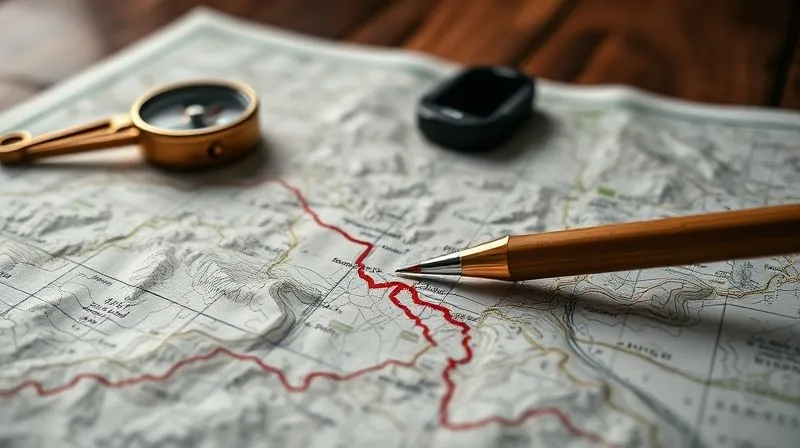
Never embark on a solo wilderness adventure without a detailed understanding of your route. This means more than just looking at a map. You need to identify potential hazards, water sources, and, critically, bailout points or emergency exits. I always carry multiple navigation tools: a detailed topographical map, a reliable compass, and a GPS device or smartphone with offline maps. Familiarize yourself with the terrain, elevation changes, and potential weather patterns. Plan for the worst-case scenario and know your alternatives.
The Power of the Trip Plan & Emergency Contacts
One of the most powerful safety nets for solo adventurers is a comprehensive trip plan shared with trusted contacts. I've seen this simple act save lives. Your plan should include:
- Detailed Itinerary: Your exact route, planned campsites, and estimated timeline.
- Emergency Contacts: Names, numbers, and relationship to you.
- Gear List: What you're carrying, especially communication devices and medical supplies.
- Medical Information: Any pre-existing conditions, allergies, and medications.
- "Check-In" Schedule: Specific times you will contact your emergency person.
- Action Protocol: Clear instructions on what to do if you miss a check-in.
This ensures that if something goes wrong and you can't communicate, someone knows where to look and when to initiate a search. It's a non-negotiable step for responsible solo travel. NOLS (National Outdoor Leadership School) consistently emphasizes the critical role of a detailed trip plan in wilderness safety.
Physical & Mental Conditioning
Your body and mind are your primary tools in an emergency. Ensure you are physically fit enough for the demands of your chosen adventure. Practice carrying a fully loaded pack, navigating challenging terrain, and enduring varied weather conditions. Equally important is mental conditioning. Simulate stressful scenarios, practice calm decision-making, and build resilience. The ability to stay calm and rational under pressure is a skill, not an inherent trait, and it can be honed.
Mastering Your Medical Kit: Beyond the Band-Aid
Your medical kit is not just a collection of supplies; it's a meticulously curated extension of your wilderness survival strategy. I've learned that a generic, off-the-shelf kit is rarely sufficient for the unique demands of solo wilderness travel.
Customizing Your Kit for Solo & Wilderness
The first rule: customize, don't just buy. Your kit should be tailored to the specific duration, remoteness, and potential hazards of your trip, as well as your personal medical history. For solo travel, I advocate for carrying slightly more than you might with a partner, as you are your only resource. Essential items always include robust wound care (sterile gauze, trauma dressing, wound closure strips), a variety of pain relief (ibuprofen, acetaminophen), anti-histamines, anti-diarrhea medication, and blister treatment. Critically, always carry at least an extra 3-5 days' supply of any personal prescription medications in a waterproof container, clearly labeled.
Understanding Every Item's Purpose
A kit full of supplies is useless if you don't know how to use them. Before every trip, I review my kit and mentally rehearse how I would use each item. Can you properly apply a SAM splint to a fractured limb? Do you know how to clean and dress a deep laceration? Can you administer an EpiPen, if necessary? This isn't just about having the tools; it's about possessing the knowledge and confidence to deploy them effectively. Regular inventory checks ensure nothing is expired or missing.
Your medical kit is only as effective as your knowledge of its contents. Without proper training, even the best supplies are merely dead weight in your pack.
| Category | Essential Items |
|---|---|
| Wound Care | Sterile gauze pads (various sizes), adhesive bandages, antiseptic wipes, medical tape, trauma dressing, wound closure strips, small roll of elastic bandage |
| Medications | Pain relievers (ibuprofen/acetaminophen), antihistamines, anti-diarrhea, personal prescriptions (extra supply), EpiPen (if prescribed), topical antibiotic ointment |
| Tools & Misc. | Tweezers, safety pins, small scissors, gloves (non-latex), CPR mask, small mirror, headlamp with fresh batteries, emergency whistle, small waterproof notebook & pencil |
| Trauma Support | SAM splint (or similar moldable splint), triangular bandages, elastic wraps, moleskin/blister patches, sterile saline for irrigation |
First Aid & Wilderness Medicine: Essential Skills for the Solo Adventurer
Possessing the right gear is only half the battle; the other, more critical half, is having the skills to use it. When you're alone, you are both the patient and the primary caregiver, making formal wilderness medical training absolutely indispensable.
Invest in Formal Training
I cannot stress this enough: invest in a Wilderness First Aid (WFA) or, ideally, a Wilderness First Responder (WFR) certification. These courses, offered by reputable organizations like The Wilderness Medical Society or NOLS, teach you far more than basic first aid. They focus on patient assessment (using frameworks like SOAP or SAMPLE), patient stabilization in remote environments, long-term care, and, crucially, evacuation decision-making when professional medical help is hours or days away. These skills are the bedrock of how to manage unexpected medical emergencies during solo wilderness adventures.
Common Wilderness Ailments & Injuries
Your training should equip you to handle the most common issues. These range from musculoskeletal injuries like sprains, dislocations, and fractures to environmental illnesses such as hypothermia, hyperthermia, and dehydration. You'll also learn to manage cuts, lacerations, severe blisters, allergic reactions (including anaphylaxis), insect bites, and even basic responses to animal encounters. Knowing how to improvise splints, manage bleeding, and recognize the early signs of environmental distress can be life-saving.
Case Study: Sarah's Sprained Ankle on the Pacific Crest Trail
Case Study: Sarah's Sprained Ankle on the Pacific Crest Trail
Sarah, an experienced solo thru-hiker, was 3 days into a remote section of the PCT when she misstepped on a rocky descent, severely twisting her ankle. The pain was immediate and debilitating. Alone and miles from the nearest road, she first assessed the injury, recognizing it wasn't an open fracture but a severe sprain. Using her WFA training, she carefully removed her boot, elevated her foot, and applied an improvised cold compress (using snow in a waterproof bag). She then used her SAM splint and medical tape to stabilize the ankle, followed by ibuprofen for pain. Crucially, she activated her satellite messenger, sending an 'OK' message with her coordinates to her emergency contact, who then alerted SAR. Unable to bear weight, she set up her shelter, conserving her remaining food and water. SAR reached her 36 hours later, a testament to her meticulous preparation and calm, systematic response. Her ability to self-assess, stabilize, and effectively communicate her precise location saved valuable time and prevented a much worse outcome.
The best medical kit is useless without the knowledge to wield it effectively. Your training is the 'user manual' for your survival.
Communication & Navigation in Remote Areas: Your Call for Help
In a solo wilderness emergency, your ability to communicate your distress and exact location is paramount. Modern technology has revolutionized this aspect, but traditional skills remain equally vital.
Satellite Messengers vs. Satellite Phones
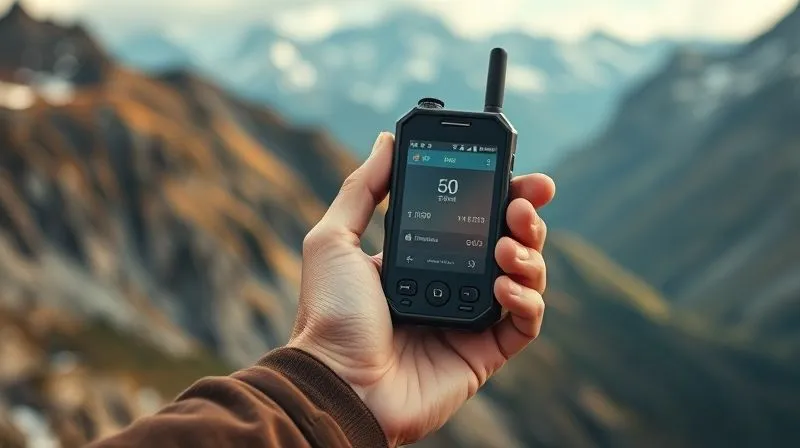
For solo adventurers, a reliable two-way satellite communication device is a non-negotiable piece of gear. I've personally relied on these devices countless times, not just for emergencies but for routine check-ins, which are crucial for loved ones. Here's a quick comparison:
- Satellite Messengers (e.g., Garmin inReach, Zoleo): These devices allow you to send and receive text messages, track your location, and send SOS signals. They are generally more affordable, have longer battery life, and are more compact.
- Satellite Phones (e.g., Iridium, Globalstar): Offer voice communication, allowing for direct conversation with emergency services or contacts. They are more expensive, have shorter battery life, and often bulkier.
My recommendation for most solo adventurers is a two-way satellite messenger. Its balance of functionality, cost, and battery life makes it an ideal choice. Always ensure it's fully charged, has an active subscription, and you've practiced sending messages before your trip. Keep it easily accessible, not buried deep in your pack.
Mastering Terrestrial Navigation
While satellite devices are incredible, they can fail due to battery depletion, damage, or signal obstruction. This is why mastering traditional navigation with a map and compass is non-negotiable. I always carry a physical, waterproof map of my route and a reliable compass. Knowing how to orient your map, take bearings, and triangulate your position are fundamental survival skills. Your GPS device should be a secondary aid, not your primary reliance. Also, understand how to use an altimeter to gauge your elevation, which can be crucial for pinpointing your location on a contour map.
Emergency Signaling
If all electronic communication fails, you must know how to use emergency signaling. An emergency whistle, capable of piercing through wind and terrain, is lightweight and effective (six blasts per minute, pause, repeat, is a universal distress signal). A signal mirror can reflect sunlight for miles, attracting distant aircraft or ground teams. In dire situations, a signal fire, built to produce thick smoke during the day or a bright flame at night, can be your last resort. Always know the international distress signals.
Mental Fortitude: The Psychological Edge in a Crisis
When you're alone and facing a medical emergency in the wilderness, your mental state can be as critical as your physical condition. I've seen skilled adventurers falter due to panic, and less experienced ones prevail due to sheer mental toughness.
The Power of Calm Decision-Making
Panic is the enemy of survival. It narrows your focus, impairs judgment, and can lead to irrational decisions. My go-to method for regaining control in a stressful situation is the STOP method: Stop, Think, Observe, Plan. This simple framework forces you to pause, assess the situation rationally, consider your resources, and then formulate a deliberate course of action. Prioritize immediate safety (e.g., finding shelter, stopping bleeding), then self-care, and finally, communication and evacuation. Remember, even a small, positive action can break the cycle of panic.
Managing Fear and Loneliness
It's natural to feel fear, anxiety, and profound loneliness when injured and isolated. Acknowledge these emotions, but don't let them dictate your actions. Focus on the present moment and on small, achievable tasks. Can you adjust your splint? Can you take a sip of water? Can you check your map again? Each small success builds confidence and helps to combat the overwhelming nature of the situation. Positive self-talk and visualization of successful outcomes can also be surprisingly effective tools for maintaining morale.
The Role of Experience in Resilience
Every solo adventure, even the ones without major incidents, builds your mental resilience. Each time you navigate a tricky section, endure unexpected weather, or solve a minor problem, you're reinforcing your self-efficacy. This cumulative experience creates a mental reserve you can draw upon in a true crisis. After any challenging trip, I always take time to debrief myself: what went well? What could have been better? This continuous learning process is vital for growth as a solo adventurer.
Your mind is your most powerful tool in a wilderness emergency; train it as diligently as your body, for it dictates how you utilize every other resource at your disposal.
Evacuation Strategies: When to Call for Help and How
The decision to self-evacuate or call for external rescue is one of the most critical you'll make in a solo wilderness emergency. It requires a clear understanding of your capabilities, the environment, and the potential risks involved.
Decision Matrix: Self-Evac vs. External Rescue
I've learned that this decision is rarely black and white. It's a complex calculation involving multiple factors:
- Severity of Injury/Illness: Can you move safely without exacerbating the condition? Is it life-threatening?
- Weather & Terrain: Are conditions deteriorating? Is the terrain too hazardous for self-movement?
- Remaining Resources: Do you have enough food, water, and shelter for an extended wait or a slow self-evac?
- Risk to Self/Rescuers: Is attempting self-evacuation more dangerous than waiting for SAR? As the Wilderness Medical Society emphasizes, the decision to self-evacuate or call for external rescue is complex and must weigh multiple factors, including the safety of potential rescuers.
- Time & Distance: How far are you from help? How long will SAR take to reach you?
If there's any doubt about your ability to safely self-evacuate, or if the injury is severe, calling for professional help is always the right choice. It's better to be safe than to push your limits and worsen an already dire situation.
Communicating with Search & Rescue (SAR)
Once you've decided to call for help via your satellite device, precise communication is crucial. SAR teams rely on accurate information to plan their response. Be prepared to provide:
- Exact Location: GPS coordinates are paramount.
- Nature of Emergency: What happened?
- Number of People Involved: Just you, or others?
- Patient Condition: Conscious? Breathing? Specific injuries or symptoms.
- Resources: What shelter, food, water, and medical supplies do you have?
- Hazards: Any immediate dangers at your location (e.g., unstable ground, falling rocks, severe weather).
Be patient, as communication can be slow. Follow all instructions given by SAR personnel, even if they seem counterintuitive. They have the expertise to coordinate your rescue efficiently and safely.
Preparing for Evacuation
While waiting for SAR, conserve your energy. Stay warm, dry, and visible. Prepare your gear for transport, keeping essential items like your medical kit, water, and communication device accessible. If possible, create a clear landing zone for helicopters or a visible signal for ground teams. Your ability to calmly and efficiently prepare for evacuation significantly aids the rescue effort.
| Scenario | Action |
|---|---|
| Minor Injury (e.g., small cut, mild blister) | Self-treat, continue carefully. Monitor closely. No external help typically needed. |
| Moderate Injury (e.g., sprained ankle, severe blister, mild hypothermia, non-debilitating illness) | Self-treat, assess mobility. Consider slow self-evacuation if safe, or call for non-urgent assistance/advice if conditions worsen or progress is impossible. |
| Serious Injury/Illness (e.g., suspected fracture, severe allergic reaction, uncontrolled bleeding, moderate hypothermia, unconsciousness) | Stabilize patient (yourself), activate satellite messenger/phone for urgent SAR. Provide critical information. Prepare for extended wait and medical intervention. |
| Life-Threatening Emergency (e.g., head trauma, severe chest pain, inability to move, severe shock, uncontrolled hemorrhage) | Immediate distress signal via satellite device. Provide critical information. Focus on basic life support. Prepare for immediate medical intervention and rapid extraction. |
Post-Incident Review: Learning and Growing from Experience
Surviving a medical emergency in the wilderness, especially alone, is a profound experience. The journey doesn't end with rescue or recovery; it extends into a crucial phase of reflection and learning. This post-incident review is what truly transforms a harrowing event into invaluable expertise, helping you to manage unexpected medical emergencies during solo wilderness adventures even better in the future.
Debriefing Your Experience
Once you're safe and recovered, take the time to thoroughly debrief the incident. I encourage a structured approach: what exactly happened? What decisions did I make, and why? What went well? What could have been done differently? This isn't about self-blame, but about objective analysis. How did my gear perform? Did my training kick in? How did I manage my fear and stress? This honest self-assessment is vital for personal growth as an adventurer. Consider journaling your experience to capture details and emotions while they are fresh.
Updating Your Gear & Skills
Your debriefing will likely reveal gaps in your preparation. Was there a specific item missing from your medical kit that would have been useful? Did you lack a particular skill that would have eased the situation? This is your opportunity to refine your gear list and seek out additional training. Perhaps a WFR certification is now a priority, or you need to practice your navigation skills more diligently. Every challenge offers a chance to improve. For example, after an incident where my headlamp batteries died, I now always carry a backup headlamp and spare batteries, stored separately.
Sharing Your Learnings (Responsibly)
While discretion is important, sharing your experiences can also benefit the wider solo adventure community. By recounting your story, focusing on the lessons learned and the actionable steps you took, you contribute to a culture of preparedness. However, always share responsibly, emphasizing practical advice over sensationalism. Your insights can help others avoid similar pitfalls and enhance their own safety protocols.
Every challenge in the wilderness offers a profound opportunity for growth, if you're willing to learn from it and apply those lessons to future endeavors.
Frequently Asked Questions (FAQ)
What's the single most important piece of gear for solo wilderness medical emergencies? While a comprehensive medical kit and a reliable communication device are undeniably critical, I'd argue it's your personal wilderness first aid training. Knowing how to assess a situation, utilize what you have, and make informed decisions under immense pressure is invaluable. A two-way satellite messenger is a very close second for its ability to summon help and provide crucial updates.
How do I manage pain effectively when alone and far from help? Your medical kit should include over-the-counter pain relievers like ibuprofen or acetaminophen. For severe pain, managing it involves a combination of rest, elevation (if applicable), gentle compression, and meticulous stabilization of the injured area. Mental distraction, positive visualization, and focusing on small, actionable tasks can also play a role in mitigating perceived pain. It's crucial to understand that wilderness pain management is about comfort and function, not complete eradication.
What if I lose or damage my communication device? This is precisely why redundancy in navigation and communication is paramount. Always carry a physical map and compass, and know how to use them proficiently as your primary navigation tools. For communication, if a satellite device fails, an emergency whistle, signal mirror, and the ability to build a signal fire become your primary tools. Your detailed trip plan left with trusted contacts is your ultimate backup, ensuring someone will eventually initiate a search if you miss your check-in.
How can I prepare for the psychological challenges of a solo emergency? Practice mindfulness and stress management techniques (like deep breathing or meditation) before your trip. During an emergency, employ the STOP method (Stop, Think, Observe, Plan) to regain control. Break down the overwhelming problem into small, manageable tasks. Focus on immediate safety and self-care. Remind yourself of your training and past successes. Mental rehearsal of potential scenarios can also build resilience and reduce the shock of unexpected events.
Is it truly safer to always travel with a partner? While having a partner offers significant advantages in emergencies – shared burden, immediate assistance, a second opinion, and the ability to go for help – it doesn't eliminate risk entirely. Solo travel offers unique rewards and challenges that many seek. The key is not to avoid solo travel, but to elevate your preparation, skills, and self-reliance to an expert level, understanding and proactively mitigating the increased risks inherent in being alone in remote environments.
Key Takeaways and Final Thoughts
Embarking on a solo wilderness adventure is an incredibly rewarding endeavor, offering unparalleled introspection and connection with the natural world. However, it demands a heightened level of respect for the inherent risks, especially concerning medical emergencies. My decades in the field have taught me that while we can't eliminate the unpredictable, we can certainly equip ourselves to face it with confidence.
- Preparation is paramount: Your meticulously customized medical kit, rigorous training, and a detailed trip plan are your first and most vital lines of defense.
- Knowledge is power: Invest in formal wilderness first aid certification. Understand not just what to carry, but how and when to use every single item effectively.
- Communication is critical: Always carry a reliable two-way satellite device, ensure it's charged and active, and practice using it for both routine check-ins and emergencies.
- Mind over matter: Cultivate mental resilience. Your ability to stay calm, think rationally, and make sound decisions under pressure is often the most decisive factor in a crisis.
- Learn and adapt: Every experience, whether a minor hiccup or a major incident, is an invaluable opportunity to grow as an adventurer. Debrief, refine your protocols, and continuously improve.
Navigating the wild alone demands respect, meticulous planning, and an unwavering commitment to self-reliance. While the prospect of a medical emergency can be daunting, remember that preparedness isn't about eliminating risk, but about empowering yourself to face it with competence and confidence. Embrace the solitude, cherish the challenge, and venture forth knowing you've done everything in your power to manage unexpected medical emergencies during solo wilderness adventures. Stay safe, stay smart, and keep exploring.
Recommended Reading
- 7 Proven Ways to Sidestep Critical Delays on Independent Cruise Tours
- Time-Pressed Founders: 7 Steps to Epic Road Trips & Burnout Prevention
- Safeguard Your Beachfront Villa: 7 Climate Risk Protection Strategies
- Reliable Internet on Transcontinental Trains: 7 Expert Strategies
- Mobility Aid SOS: How to Handle Repairs While Traveling Abroad


Your email address will not be published. Required fields are marked *