

What Water Sports Are Safe for Kids on Beach Holidays?
Imagine the pure, unbridled joy of your children as they splash and play in the ocean, their laughter carried on the sea breeze. For many families, beach holidays are the epitome of summer fun, a chance to create lasting memories. Yet, for every parent, that joy is often accompanied by a quiet undercurrent of concern: how do we ensure their safety while maximizing their enjoyment?
The vastness of the ocean, with its unpredictable currents and hidden depths, can feel daunting. This naturally leads to the critical question: what water sports are truly safe and appropriate for kids of different ages and skill levels during a beach holiday? How do we balance exhilarating adventure with paramount safety?
This comprehensive guide will navigate the exciting world of kid-friendly water sports, from the gentlest shoreline activities to more adventurous options suitable for older children. By the end of this reading, you will be equipped with the knowledge to select the perfect activities, understand essential safety protocols, and ensure your family's next beach holiday is as safe as it is unforgettable.
Understanding Child Development and Water Readiness
Before diving into specific activities, it’s crucial to understand that a child’s readiness for water sports is highly dependent on their age, physical development, and comfort level in the water. What’s safe for a teenager might be perilous for a toddler.
Age-Appropriate Activities
- Toddlers (0-3 years): For this age group, the focus should be on gentle water introduction and supervised play. Activities are limited to shallow wading, splashing at the water's edge, and very short, supervised dips in calm, clear waters. The goal is to foster comfort and familiarity without putting them in any potentially dangerous situations.
- Young Children (4-7 years): Children in this age bracket, especially if they have some basic swimming skills, can begin to explore more. Gentle swimming in designated shallow areas, simple bodyboarding on small waves, and supervised exploration of tide pools are excellent options. Emphasis remains on close, constant adult supervision.
- Pre-Teens (8-12 years): With more developed motor skills and often stronger swimming abilities, pre-teens can venture into activities like stand-up paddleboarding (SUP) in calm conditions, kayaking, and snorkeling in clear, shallow waters. These activities introduce more independence but still require vigilant supervision and appropriate safety gear.
Assessing Skill Level and Confidence
Beyond age, a child's individual swimming ability and their comfort in the water are paramount. Has your child had formal swimming lessons? Can they confidently float, tread water, and swim a certain distance without assistance? These are vital questions.
Even if a child is a strong swimmer, their confidence can fluctuate based on the environment. A child who is a confident swimmer in a pool might feel overwhelmed by ocean waves or currents. Always start with easier activities and gradually introduce more challenging ones as their comfort and skills grow. Never push a child beyond their comfort zone, as this can lead to fear and potentially dangerous situations.
Gentle Giants: The Safest Water Sports for Young Adventurers
When considering what water sports are safe for kids on beach holidays, the focus often shifts to activities that offer excitement without excessive risk. Here are some of the best choices, emphasizing safety and enjoyment.
Bodyboarding & Skimboarding (with caveats)
Bodyboarding offers an exhilarating introduction to wave riding, perfect for children who love the thrill of the ocean but aren't quite ready for surfing. Unlike surfing, bodyboarding is done lying down, which provides greater stability and a lower center of gravity, making it inherently safer for beginners. It allows kids to feel the power of the waves in a controlled manner, building their confidence in the water. Skimboarding, on the other hand, involves gliding across the thin wash of water at the shoreline, requiring balance and timing but generally posing less risk than deeper water activities.
Safety measures are paramount when engaging in these activities. Always ensure children are in areas with small, gentle waves, ideally where the water is shallow enough for them to stand comfortably. Designate clear boundaries and ensure constant, direct supervision. Equip them with a properly sized bodyboard that is easy to manage. Teaching them how to fall safely and how to navigate small currents is also crucial. Remember, even in shallow water, a momentary lapse in supervision can lead to an accident.
Paddleboarding & Kayaking (calm waters)
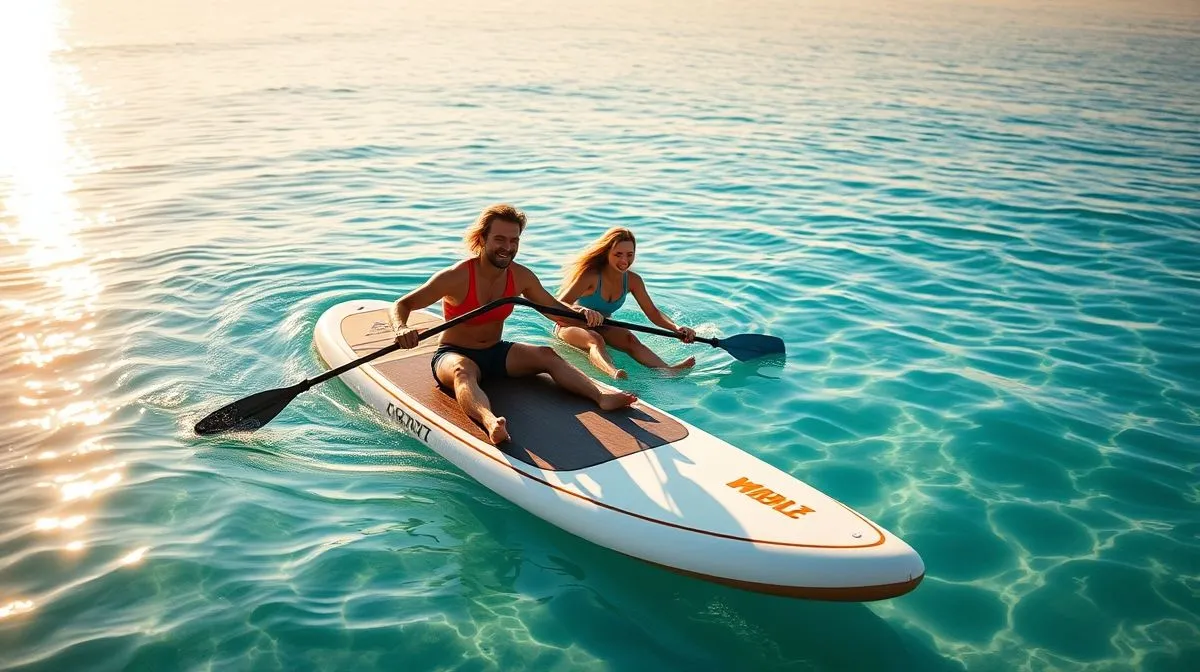
Stand-up paddleboarding (SUP) and kayaking offer fantastic opportunities for exploration and a gentle workout. These activities are excellent for developing balance, core strength, and appreciation for marine environments. They allow children to experience the water from a different perspective, gliding over calm surfaces and perhaps spotting marine life beneath them.
For children, these activities are best enjoyed in very calm, sheltered waters like bays, coves, or lakes, away from strong currents or boat traffic. Life vests are non-negotiable for all participants, regardless of swimming ability. Beginners should always start kneeling or sitting on a paddleboard before attempting to stand. Proper instruction on paddling techniques and basic water safety is highly recommended. For younger children, tandem kayaks or large SUPs where an adult can accompany them are ideal, providing both safety and shared enjoyment.
Snorkeling (shallow, clear waters)
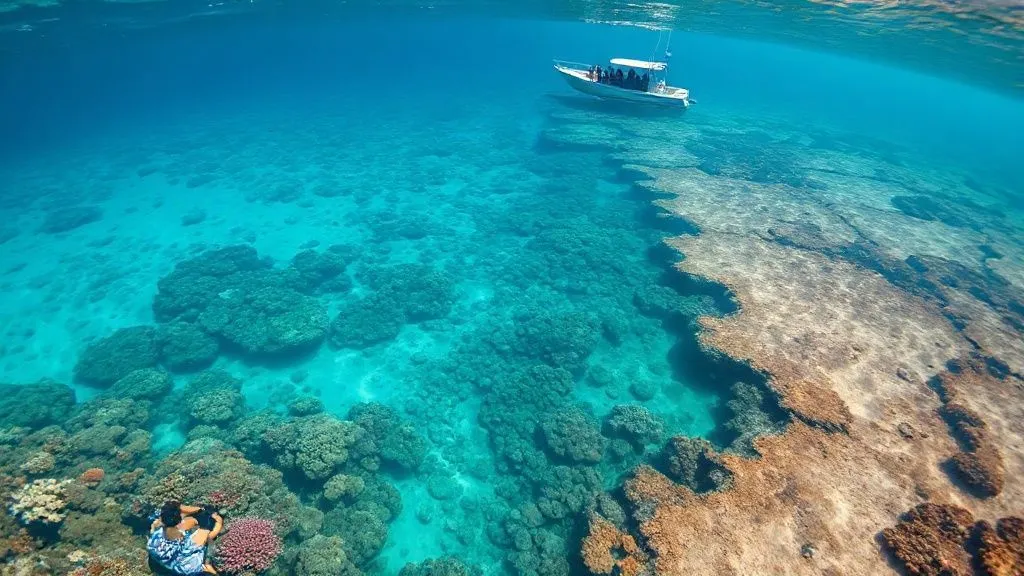
Snorkeling opens up a magical underwater world, allowing children to observe vibrant fish and fascinating coral formations. It's a relatively low-impact activity that can foster a deep appreciation for marine biology and conservation.
The key to safe snorkeling for kids is choosing the right location: shallow, calm, and clear waters with good visibility. Ensure that masks, snorkels, and fins fit snugly but comfortably. A ill-fitting mask can quickly lead to frustration or panic. Teach children how to clear their snorkel and how to breathe through it before entering the water. Always use the buddy system, with an adult closely supervising. Avoid areas with strong currents, boat traffic, or sharp coral. For added buoyancy and safety, a snorkeling vest can be beneficial, especially for less confident swimmers. For more information on responsible marine interaction, you can consult resources like the National Oceanic and Atmospheric Administration (NOAA).
Beach Games & Wading
Sometimes, the simplest activities are the safest and most enjoyable. Wading in shallow water, building sandcastles at the water's edge, or playing simple beach games like frisbee or beach ball are fantastic ways for kids to interact with the environment without deep water risks. These activities are particularly suitable for toddlers and very young children, helping them build confidence and get comfortable near the water at their own pace.
Even in shallow water, constant adult supervision is critical. Be aware of potential hazards like sharp shells, rocks, or sudden drop-offs. Always check the tide schedule to avoid being cut off by rising water. Sun protection is also paramount, even when just wading, as water reflects UV rays, intensifying exposure.
Essential Safety Measures for Every Beach Holiday
Beyond choosing the right activities, implementing universal safety measures is non-negotiable for any family beach trip. These protocols form the bedrock of a safe and enjoyable experience.
Supervision is Paramount
This cannot be stressed enough: active, undistracted supervision is the single most important safety measure. Drowning is often silent and can happen in mere seconds. Designate a 'water watcher' who is solely responsible for monitoring the children in and around the water, without distractions like phones or books. Rotate this role among adults to ensure vigilance.
Life Jackets and Buoyancy Aids
For any water activity beyond simple wading, especially for children who are not strong swimmers or during activities like paddleboarding or kayaking, a properly fitting, U.S. Coast Guard-approved life jacket is essential. It should fit snugly, preventing it from riding up around the child's ears. Do not rely on inflatable toys or 'water wings' as life-saving devices; they are not designed for safety and can give a false sense of security.
Understanding Beach Conditions
The ocean is dynamic. Before entering the water, take a few minutes to observe the conditions. Look for:
- Rip Currents: These are powerful, narrow channels of water flowing quickly away from shore. Learn to identify them (often a channel of churning, choppy water, a line of foam, or a gap in the waves). If caught in one, teach children to stay calm, float, and signal for help, or swim parallel to the shore until free of the current.
- Tides: Be aware of high and low tides, as they can significantly change water depth and expose or cover hazards.
- Marine Life: Be mindful of jellyfish, sea urchins, or other creatures that might sting or bite.
- Beach Flags: Many beaches use flag systems to indicate water conditions and hazards. Understand what each color means. For instance, a red flag typically means dangerous conditions and no swimming. You can find more information on beach flag systems and water safety from reputable sources like the American Red Cross.
Sun Protection and Hydration
The sun's rays are amplified by reflection off the water and sand. Apply broad-spectrum, water-resistant sunscreen liberally and frequently (every two hours, or more often if swimming or sweating). Encourage children to wear rash guards, wide-brimmed hats, and UV-protective sunglasses. Frequent breaks in the shade are crucial. Dehydration can happen quickly in the heat; ensure children drink plenty of water throughout the day, even if they don't feel thirsty.
Choosing the Right Location: Beaches Designed for Family Fun
The choice of beach significantly impacts the safety and enjoyment of water sports for kids. Not all beaches are created equal when it comes to family-friendliness.
Sheltered Coves and Calm Bays
Opt for beaches located in sheltered coves or calm bays. These natural formations typically offer significantly calmer waters with fewer strong currents or large waves, making them ideal for young swimmers and beginner water sports. Beaches with a gradual slope into the water are also preferable, allowing children to comfortably wade in without sudden drop-offs.
Lifeguarded Beaches
Whenever possible, choose beaches that are actively patrolled by certified lifeguards. Their presence provides an invaluable layer of safety, as they are trained to identify hazards, prevent accidents, and respond quickly to emergencies. Lifeguarded beaches often have clear boundaries for swimming and water activities, and lifeguards can provide real-time information about current conditions.
Amenities and Accessibility
Consider beaches that offer family-friendly amenities such as clean restrooms, outdoor showers (to rinse off sand and salt), and easy access to first aid stations. Proximity to food vendors or picnic areas can also enhance the overall experience, ensuring comfort and convenience throughout the day.
Beyond the Water: Fostering a Love for the Ocean
A beach holiday is more than just playing in the water; it's an opportunity to instill a deeper appreciation and respect for the marine environment.
Marine Education and Conservation
Encourage children to learn about the ocean and its inhabitants. Simple activities like identifying seashells, observing tide pool creatures, or learning about local marine life can be incredibly engaging. Discuss the importance of keeping beaches clean and protecting the ocean ecosystem. Participate in a beach clean-up if available, or simply lead by example by packing out everything you bring in.
Building Confidence, Not Fear
While safety is paramount, it's equally important to foster a positive relationship with the water. Encourage children to try new activities at their own pace, celebrating small victories and building their confidence gradually. Avoid projecting your own fears onto them. A positive, encouraging approach will help them develop lifelong swimming skills and a love for water-based activities.
Common Mistakes to Avoid for a Safe Beach Day
Even with the best intentions, certain oversight can compromise safety. Being aware of these common pitfalls can help prevent accidents.
Overestimating Child's Abilities
A common mistake is assuming a child is a stronger swimmer than they actually are, especially in an unfamiliar environment like the ocean. Always err on the side of caution. If there's any doubt, provide a life jacket or stick to shallower, safer activities.
Relying Solely on Flotation Devices
While U.S. Coast Guard-approved life jackets are crucial, don't use them as a substitute for active supervision. Inflatable toys and armbands are particularly dangerous as they can deflate, slip off, or give children a false sense of security, leading them into deeper waters than they can handle.
Ignoring Weather and Water Conditions
The ocean can change rapidly. Failing to check weather forecasts, tide charts, and beach flags before and during your visit can lead to dangerous situations. A calm morning can quickly turn into a windy afternoon with choppy waves and strong currents.
Forgetting Hydration and Sun Protection
The combination of sun, heat, and physical activity can lead to rapid dehydration and sunburn. Neglecting to provide ample water and consistently reapply sunscreen is a serious oversight that can lead to heatstroke, severe sunburn, and ruin a holiday.
Frequently Asked Questions (FAQ)
Is swimming in the ocean safe for toddlers? Direct swimming in the open ocean is generally not recommended for toddlers due to unpredictable currents, waves, and depth. Supervised wading in very shallow, calm water at the shoreline is appropriate, with an adult always within arm's reach.
What's the best age to start kids on paddleboarding? While some children as young as 5 or 6 can try paddleboarding while kneeling or sitting, 8 years old is often a good age to start learning to stand on a board in very calm, sheltered waters, always with a life jacket and close adult supervision.
How do I identify a rip current? Look for a channel of churning, choppy water, a line of foam or debris moving steadily seaward, or a noticeable gap in the incoming wave pattern. If you see these signs, avoid swimming in that area.
Should my child wear a life jacket even if they can swim? Yes, absolutely. Even strong swimmers can be overwhelmed by unexpected waves, currents, or fatigue. A life jacket provides an essential layer of safety, especially during water sports or in open water.
Recommended Reading
- Uncover Your True Self: The Power of Solo Mindful Trips for Deepening Self-Awareness
- The Unanswered Question: Who Pays for Space Tourism's Orbital Debris Cleanup?
- Ultimate Guide: Navigating International Air Travel with Your Service Dog
- Europe on a Shoestring: Family Travel Tips That Won't Break the Bank
- Unlock Warmth: The Ultimate Guide to Staying Cozy Car Camping in Cold Weather
Conclusion
A beach holiday offers an unparalleled opportunity for family bonding, active play, and creating cherished memories. By thoughtfully considering what water sports are safe for kids on beach holidays, prioritizing active supervision, utilizing appropriate safety gear, and understanding the nuances of beach environments, you can transform potential worries into pure enjoyment. Ultimately, empowering your children to explore the magic of the ocean responsibly and safely will not only build their confidence and skills but also foster a lifelong love and respect for our incredible natural world. Go forth, plan wisely, and make a splash!



Your email address will not be published. Required fields are marked *