


Emergency Plan for Accessible Vehicle Breakdown Mid-Trip
For over two decades in the accessible travel sector, I've witnessed firsthand the profound impact a well-laid plan can have, especially when the unexpected strikes. I recall a client, a seasoned traveler with a power wheelchair, whose accessible van suffered a catastrophic engine failure on a remote stretch of highway. Without a pre-emptive 'Emergency plan for accessible vehicle breakdown mid-trip', their journey could have become a nightmare, but their preparedness transformed a crisis into a manageable inconvenience.
The reality is, for those relying on accessible vehicles, a roadside breakdown isn't just an inconvenience; it can quickly escalate into a significant safety and logistical challenge. Standard roadside assistance often lacks the specialized equipment or training for accessible vehicles, leaving travelers feeling vulnerable, stranded, and potentially without vital mobility support.
That's why I've distilled years of experience and countless real-world scenarios into this definitive guide. You'll learn not just what to do, but a robust framework for pre-trip planning, immediate response, and recovery, complete with actionable steps, a crucial case study, and expert insights to empower you on your next journey. This isn't just about fixing a flat; it's about ensuring your peace of mind.
1. Pre-Trip Preparedness: The Foundation of Resilience
The most effective emergency plan begins long before you even turn the ignition. Proactive measures are paramount for accessible travelers, as the stakes are often higher. I've seen countless situations where a few extra minutes of preparation saved days of distress.
A. Vehicle Maintenance & Inspection
Regular, thorough maintenance is your first line of defense against breakdowns. This goes beyond routine oil changes; it involves specific checks relevant to accessible modifications. Always ensure your mechanic understands the intricacies of your accessible vehicle.
- Schedule a Pre-Trip Check-up: At least two weeks before a long trip, have a certified mechanic inspect your entire vehicle, including the accessible conversion components (ramps, lifts, securement systems).
- Check Fluid Levels & Tire Pressure: Ensure engine oil, coolant, brake fluid, and windshield washer fluid are at optimal levels. Verify tire pressure, including the spare, and inspect for wear or damage.
- Test Accessible Features: Independently test your ramp or lift several times. Confirm all securement points for wheelchairs are functioning correctly and that any secondary controls are operational.
- Battery Health: Have your vehicle's main battery and any auxiliary batteries for mobility equipment tested. A weak battery is a common cause of unexpected stops.
According to the National Highway Traffic Safety Administration (NHTSA), proper vehicle maintenance significantly reduces the risk of roadside incidents. This is even more critical for specialized vehicles.
B. Emergency Kit Essentials
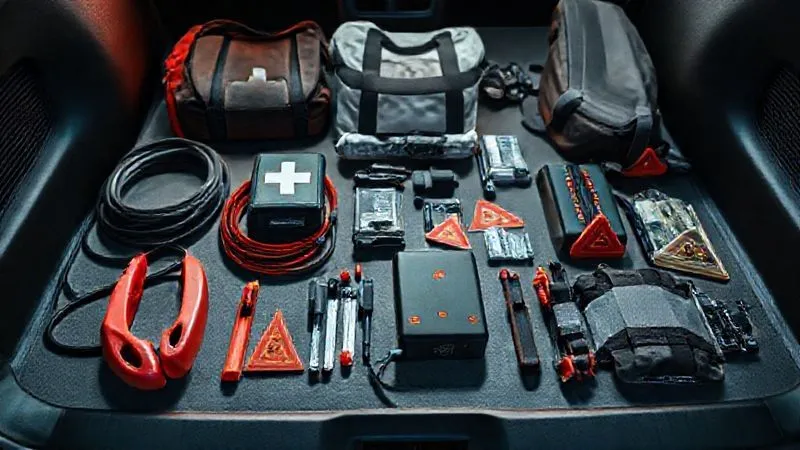
Your emergency kit for an accessible vehicle needs to be more comprehensive than a standard one. It should address both general roadside issues and specific mobility-related needs.
- Basic Tool Kit: Jumper cables, tire pressure gauge, basic wrench set, multi-tool.
- First-Aid Kit: Fully stocked with personal medications, pain relievers, bandages, antiseptic wipes.
- Communication Devices: Fully charged power bank for phones, an old phone (can still call 911 without a plan), and a whistle.
- Safety Gear: Reflective triangles or flares, high-visibility vest, flashlight with extra batteries.
- Mobility-Specific Items:
- Portable air pump for tires (and potentially wheelchair tires).
- Small toolkit for minor wheelchair repairs (e.g., Allen wrenches for quick adjustments).
- Extra charging cables and adapters for mobility devices.
- Small, portable battery pack specifically for charging power wheelchairs if applicable.
- Comfort & Sustenance: Non-perishable snacks, bottled water, blankets, rain ponchos, hat.
C. Digital & Physical Documentation
Having immediate access to critical information can drastically speed up assistance. I always advise clients to keep both digital and physical copies.
- Vehicle Documents: Registration, insurance card, owner's manual.
- Accessible Modification Documents: Manuals for your lift/ramp, warranty information, contact details for the conversion company.
- Personal Medical Information: List of medications, allergies, doctor's contacts, and emergency contacts.
- Roadside Assistance Membership: Your membership card and policy number.
"Preparedness isn't just about avoiding problems; it's about having the tools to navigate them gracefully when they inevitably arise." - An expert's perspective on accessible travel planning.
2. Building Your Accessible Roadside Assistance Network
Standard roadside assistance may not be equipped for the nuances of an accessible vehicle. Building a specialized network is a crucial part of your 'Emergency plan for accessible vehicle breakdown mid-trip'.
A. Specialized Roadside Services
Invest in roadside assistance that understands accessible vehicles. Not all providers offer the same level of specialized support.
- Research Accessible-Friendly Providers: Companies like AAA often have tiers of service, some of which may include heavy-duty towing or specific vehicle types. Inquire explicitly about their capacity to handle accessible vans or vehicles with mobility modifications.
- Identify Local Accessible Towing: Before your trip, especially if traveling through remote areas, identify accessible towing services along your route. Save their numbers.
- Contact Your Accessible Vehicle Dealer: Many dealerships that sell and service accessible vehicles also have partnerships with specialized towing and repair networks. They can be an invaluable resource.
B. Personalized Emergency Contacts
Beyond professional services, a personal support network is vital. These are the people who know you and your specific needs best.
- Primary Emergency Contact: A trusted family member or friend who can make decisions on your behalf if you're incapacitated.
- Secondary Emergency Contact: Someone else who can be reached if the primary contact is unavailable.
- Medical Contacts: Your primary care physician or specialists who understand your medical history.
- Accessible Travel Support Groups: In some regions, local disability advocacy or travel groups might offer peer support or recommendations in an emergency.
| Contact Type | Name | Phone | Relationship |
|---|---|---|---|
| Primary Emergency | Jane Doe | +1-555-123-4567 | Sister |
| Accessible Towing (Local) | Mobility Towing Inc. | +1-555-987-6543 | Wheelchair Van Towing |
| Accessible Vehicle Dealer | Freedom Motors Service | +1-555-111-2222 | Authorized repair for my van |
| Travel Insurance Provider | Global Assist | +1-555-333-4444 | GA-78901 |
3. Immediate Response: Navigating the Breakdown Moment
When a breakdown occurs, your immediate actions are critical for safety and setting the stage for effective resolution. Panic is a natural reaction, but a clear head and a practiced plan will serve you best.
A. Prioritizing Safety
Your and your passengers' safety is the absolute priority. Follow these steps methodically.
- Move to a Safe Location: If possible, steer your vehicle to the shoulder or an exit ramp. Ensure you are as far from moving traffic as possible.
- Activate Hazard Lights: Turn on your vehicle's hazard warning lights immediately to alert other drivers.
- Deploy Safety Equipment: Place reflective triangles or flares at appropriate distances behind your vehicle, typically 50-100 feet depending on speed limits and visibility.
- Stay Inside (If Safe): If on a busy highway, remain inside your vehicle with seatbelts fastened. Only exit if it's absolutely safe to do so, and always on the side away from traffic.
- Assess Your Situation: Briefly determine what seems to be wrong and if anyone is injured.
B. Communicating Your Specific Needs
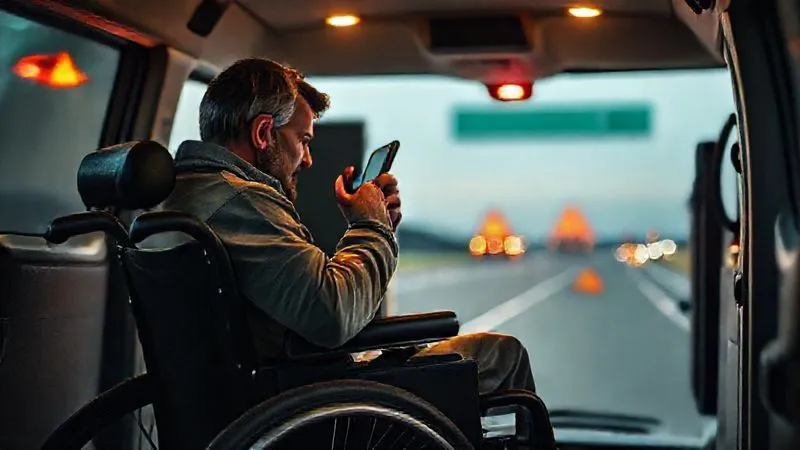
When you contact roadside assistance or emergency services, clearly articulate that you are in an accessible vehicle and may have specific mobility needs.
- State Your Location Clearly: Provide highway number, mile marker, or nearest cross street.
- Describe Your Vehicle: Mention it's an accessible van/car with a lift/ramp and what type of mobility device you use.
- Explain Your Mobility Needs: Inform them if you cannot easily exit the vehicle, require assistance transferring, or if your mobility device needs charging or special handling.
- Specify Accessible Towing: Request a tow truck capable of handling your vehicle's weight and dimensions, and one that can accommodate a wheelchair user if you need to ride with the tow truck driver.
4. Temporary Solutions & On-Site Adaptations
While waiting for assistance, there are often temporary measures you can take to enhance your comfort and maintain some level of independence.
A. Managing Mobility Aid Power
For power wheelchair users, managing battery life during a breakdown is paramount. A dead power chair battery can create another immediate crisis.
- Conserve Power: Turn off your power wheelchair if it's not in use. Avoid unnecessary movements.
- Use Portable Chargers: If you have a portable power bank or a small generator, use it to top up your power chair's battery. These are critical components of your 'Emergency plan for accessible vehicle breakdown mid-trip'.
- Manual Mode: If your power chair has a manual override, understand how to engage it. This can be crucial for short-distance movements if external assistance is available.
B. Shelter and Comfort Considerations
Depending on the weather and duration of the wait, maintaining comfort is important.
- Climate Control: If your vehicle's engine is off, climate control will diminish. Use blankets, extra layers, or battery-operated fans from your emergency kit.
- Hydration and Nutrition: Access your emergency water and non-perishable snacks.
- Restroom Needs: This is a significant concern for many accessible travelers. If assistance is delayed, communicate this urgent need to emergency services. Portable commodes can be a consideration for extended remote travel.
As the American Red Cross advises, planning for basic human needs is as important as mechanical preparedness.
5. Long-Term Recovery: Getting Back on Track
Once immediate safety is secured, the focus shifts to resolving the breakdown and continuing your journey. This phase requires strategic thinking and advocating for your specific needs.
A. Accessible Towing & Repair Logistics
Ensuring your vehicle is towed to a suitable facility is crucial.
- Confirm Tow Truck Capabilities: Reiterate to the tow company that your vehicle is an accessible van/car and requires careful handling. Confirm they have the right equipment (e.g., flatbed for certain modifications).
- Identify Accessible Repair Shops: If you're far from your usual mechanic, ask your accessible vehicle dealer or advocacy groups for recommendations for reputable shops specializing in accessible conversions.
- Get Repair Estimates: Always get a written estimate before authorizing repairs. Understand what needs to be fixed and the expected timeline.
B. Alternative Accessible Transportation
If your vehicle requires extensive repairs, you'll need a contingency for continuing your journey.
- Accessible Car Rentals: Research companies that offer accessible van rentals in the area. Book well in advance if possible, as availability can be limited.
- Ride-Sharing Services: Some ride-sharing apps offer accessible options, but availability varies by city. Check local services.
- Public Transportation: In urban areas, research accessible public transport routes (buses, trains).
- Accessible Taxis: Some cities have accessible taxi services.
| Option | Pros | Cons | Action |
|---|---|---|---|
| Accessible Van Rental | Full independence, similar vehicle type | Limited availability, potentially high cost | Book ASAP, check multiple providers |
| Accessible Ride-Share/Taxi | On-demand, door-to-door service | Availability varies, may not accommodate all mobility devices | Check app availability, call local services |
| Accessible Public Transit | Cost-effective in urban areas | Fixed routes, potential transfers, limited accessibility | Research routes, plan journey carefully |
C. Accommodation & Contingency Planning
A breakdown might mean an unexpected overnight stay. Plan for accessible accommodations.
- Accessible Hotels: Use reputable booking sites with accessibility filters. Call the hotel directly to confirm specific needs (roll-in shower, grab bars, room dimensions).
- Travel Insurance: Review your travel insurance policy. Many policies offer coverage for unexpected delays, accommodation, and alternative transport due to vehicle breakdown. This is a critical element of any robust 'Emergency plan for accessible vehicle breakdown mid-trip'.
As Forbes Advisor highlights, specialized travel insurance can be a lifeline for disabled travelers facing unexpected disruptions.
6. Case Study: Sarah's Cross-Country Journey
Sarah, a power wheelchair user, embarked on a cross-country trip from California to Florida. She meticulously followed her 'Emergency plan for accessible vehicle breakdown mid-trip'. Midway through Texas, her accessible van's transmission failed unexpectedly. Instead of panic, Sarah activated her plan.
She immediately pulled to the shoulder, deployed her reflective triangles, and called her specialized roadside assistance, clearly stating her accessible vehicle and mobility needs. Within an hour, a flatbed tow truck arrived, capable of safely transporting her van. Simultaneously, she contacted her pre-researched accessible vehicle dealer in the nearest major city, who confirmed they could take her van for assessment.
While the van was being towed, Sarah used her pre-booked travel insurance policy to arrange an accessible hotel for the night. She also accessed her stored list of accessible rental car providers and secured a rental van for the remainder of her trip. Her preparedness minimized her stress, reduced her financial burden, and ensured she could continue her journey with only a minor delay, turning a potential disaster into a manageable setback.
7. Leveraging Technology for Enhanced Safety
In today's connected world, technology offers powerful tools to augment your emergency preparedness.
A. GPS & Communication Apps
Modern smartphones and apps are invaluable in an emergency.
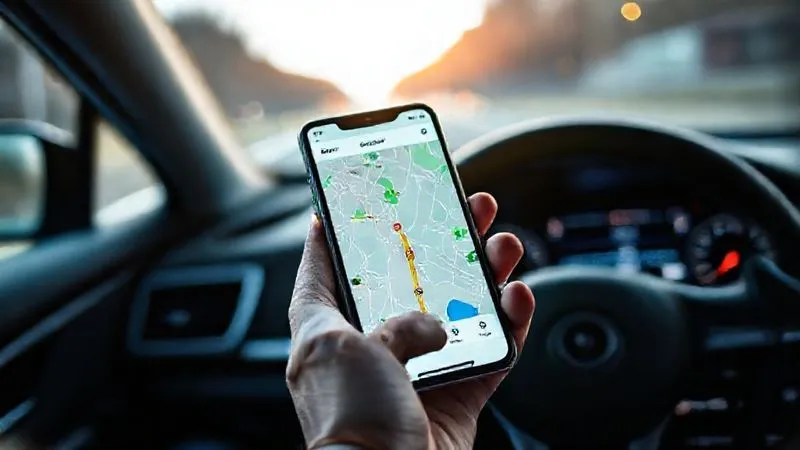
- Real-time GPS: Essential for precise location sharing with emergency services and roadside assistance.
- Messaging Apps: Maintain contact with your emergency network even in areas with poor cellular voice service.
- Roadside Assistance Apps: Many providers offer apps for requesting service, tracking tow trucks, and communicating specific needs.
B. Vehicle Telematics
Some newer accessible vehicles, or aftermarket devices, offer telematics systems.
- Automatic Crash Notification: Systems like OnStar can automatically alert emergency services after a collision.
- Remote Diagnostics: Some systems can provide diagnostic information to your mechanic remotely, speeding up problem identification.
- GPS Tracking: Useful for family members to track your location in an emergency.
8. The Psychological Aspect: Maintaining Composure
Beyond the logistical challenges, a breakdown can be emotionally taxing. As an expert, I've seen how a calm mindset can make all the difference.
A. Mindfulness and Stress Reduction
Techniques to manage stress can be incredibly helpful when stranded.
- Deep Breathing: Simple deep breathing exercises can help calm your nervous system.
- Positive Affirmations: Remind yourself that you are prepared, help is on the way, and you will get through this.
- Distraction: If safe to do so, listen to music, an audiobook, or engage in a simple, calming activity.
B. Advocacy and Self-Empowerment
You are your own best advocate. Don't hesitate to assert your needs.
- Be Assertive, Not Aggressive: Clearly state your requirements and expectations to service providers.
- Educate Others: If a service provider seems unfamiliar with accessible vehicle needs, politely educate them.
- Document Everything: Keep a log of who you spoke to, when, and what was discussed. This can be invaluable if issues arise later.
Remember, your safety and well-being are paramount. Do not compromise on your needs because you feel like a burden. This 'Emergency plan for accessible vehicle breakdown mid-trip' is designed to empower you.

Frequently Asked Questions (FAQ)
Q: What if I'm in a very remote area with no cell service? A: This is a critical challenge. Your emergency kit should include alternative communication like a satellite messenger or a personal locator beacon (PLB). These devices can send an SOS signal with your GPS coordinates even without cell service. Informing someone of your route and expected arrival times is also crucial for remote travel.
Q: My power wheelchair battery is dying, and my vehicle won't start. What are my options? A: This highlights the importance of a portable power bank specifically for your wheelchair, or a small, portable generator in your emergency kit. Some accessible vans also have auxiliary power outlets that might work even if the engine is off, but this varies. Always have a plan for manual chair operation or a backup manual chair if practical for your trip.
Q: How can I ensure the tow truck driver knows how to handle my accessible lift/ramp? A: When calling for assistance, explicitly state that your vehicle has an accessible modification (lift/ramp) and that the driver needs to be familiar with its operation or take extreme care. If possible, have the lift/ramp's manual readily available. Some specialized accessible towing services employ drivers trained in these specifics.
Q: Is accessible vehicle breakdown covered by standard travel insurance? A: It varies significantly. Many standard policies cover general vehicle breakdown assistance, but the extent of coverage for specialized accessible features, alternative accessible transportation, or extended accessible accommodation due to a breakdown is often limited or requires specific add-ons. Always read your policy's fine print and confirm with your provider before traveling.
Q: What if I need an accessible restroom while stranded for an extended period? A: This is a significant concern. When communicating with emergency services or roadside assistance, clearly state this urgent need. They may be able to dispatch a unit with portable facilities or prioritize your tow to a location with accessible restrooms. For very remote travel, a portable commode in your emergency kit might be a difficult but necessary consideration.
Key Takeaways and Final Thoughts
- Proactive Planning is Non-Negotiable: Your 'Emergency plan for accessible vehicle breakdown mid-trip' starts with meticulous pre-trip maintenance, a comprehensive emergency kit, and a robust communication strategy.
- Build a Specialized Network: Standard roadside assistance often isn't enough. Cultivate relationships with accessible towing services, dealers, and have a strong personal support system.
- Communicate Your Specific Needs: Always clearly articulate that you are in an accessible vehicle and your mobility requirements to emergency and assistance providers.
- Leverage Technology: Use GPS, communication apps, and vehicle telematics to enhance safety and speed up response times.
- Maintain Composure: A calm, assertive mindset, coupled with your well-laid plan, is your most powerful tool in managing a breakdown effectively.
Travel should be empowering, not daunting. While breakdowns are an unfortunate reality, they don't have to derail your journey or compromise your safety. By embracing the principles outlined in this comprehensive guide, you transform uncertainty into confidence. You're not just preparing for a breakdown; you're investing in your freedom to explore. Drive safely, and travel well.
Recommended Reading
- 5 Ethical Steps: How to Prevent Cultural Appropriation in Indigenous Tradition Tours?
- 7 Steps: Verify Zip Line Safety for Your Luxury Adventure Clients
- Sleep Soundly: How to Sleep on a Noisy Train for Business? (7 Tips)
- Fixing Corporate Eurail Pass Validation Errors: An Expert's 7-Step Guide
- Unlock the Secret: How to Maintain Healthy Eating on Your Wellness Trip





Your email address will not be published. Required fields are marked *