


Conquering Extreme Sports: Your Definitive Guide to Safety and Thrills
For over two decades, navigating the exhilarating yet demanding world of adventure travel, I've witnessed firsthand the incredible draw of extreme sports. The call of the wild, the rush of adrenaline, the profound sense of accomplishment – it's an experience unlike any other. However, I've also seen the pitfalls: the ill-prepared, the misinformed, and those who underestimate the inherent risks. It's a fine line between exhilarating challenge and avoidable danger.
The allure of pushing physical and mental boundaries is powerful, but it comes with a critical responsibility. Many aspiring adventurers are captivated by the highlight reels, dreaming of soaring through the air or conquering towering peaks, yet they often feel overwhelmed by where to start, how to prepare safely, or even if they have what it takes. The problem isn't a lack of desire; it's often a lack of a clear, expert-backed roadmap to safely embrace these incredible pursuits.
In this definitive guide, I'll draw upon my extensive experience to provide you with a comprehensive framework for engaging with extreme sports. We'll explore not just the 'what' but the 'how' and 'why' – from understanding the psychological drivers to meticulous preparation, essential gear, mental fortitude, and robust risk management. My goal is to equip you with actionable strategies, expert insights, and the confidence to transform your adventure dreams into safe, unforgettable realities.
Understanding the Allure: Why We Seek the Edge
What compels us to step outside our comfort zones, to defy gravity, or to brave the elements in pursuit of the ultimate thrill? It’s a question I’ve pondered many times while watching a climber scale an impossible face or a base jumper leap into the void. The answer, I believe, lies deep within our human psyche, a primal urge to test limits and discover capabilities we never knew we possessed.
One significant driver is the pursuit of the 'flow state' – a term coined by psychologist Mihaly Csikszentmihalyi. This is that intense, immersive moment where time seems to disappear, and you are completely absorbed in the task at hand. In extreme sports, this state is often achieved when the challenge perfectly matches your skill level, pushing you to perform at your peak. It’s a profound sense of presence and pure engagement.
“The greatest danger in life is not taking the adventure.” – Unknown. But I’d add, the greatest wisdom is taking that adventure with informed preparation and respect for the challenge.
Beyond flow, there are significant psychological and physiological benefits. The body releases endorphins and dopamine, creating a natural high that’s both invigorating and addictive. But it’s not just about the chemicals; it’s about personal growth. Facing and overcoming intense challenges builds:
- Resilience: Learning to bounce back from setbacks and adapt to unpredictable situations.
- Self-efficacy: A stronger belief in your own capabilities and ability to achieve goals.
- Focus: Sharpening concentration and decision-making under pressure.
- Humility: A deep respect for nature's power and your own limitations.
- Community: Forming bonds with like-minded individuals who share your passion.
Mastering the Fundamentals: Essential Preparation for Extreme Sports
Every seasoned adventurer will tell you that the real thrill of extreme sports begins long before you even touch the gear. It starts with meticulous preparation. This isn't just about physical training; it encompasses research, mentorship, and a gradual progression that respects both the sport and your personal limits.
I've seen countless individuals rush into challenging situations, often with disastrous results. My advice is always to embrace a structured, step-by-step approach. This not only minimizes risk but also builds a solid foundation of skill and confidence.
- Thorough Research and Education: Before committing to any extreme sport, immerse yourself in its specifics. Understand its unique demands, inherent risks, and the culture surrounding it. Read books, watch documentaries, and study safety protocols. Learn about the environment you’ll be operating in, whether it’s high altitudes, deep waters, or dense forests.
- Find a Qualified Mentor or Instructor: This is perhaps the single most crucial step. A good mentor or certified instructor provides invaluable guidance, teaches proper techniques, and helps you navigate the initial learning curve safely. They can identify bad habits before they become ingrained and provide real-time feedback that no amount of self-study can replicate. Look for certifications from recognized bodies (e.g., UIAA for climbing, PADI for diving, USPA for skydiving).
- Start Small and Progress Gradually: Resist the urge to tackle the most extreme version of a sport immediately. Begin with entry-level activities and slowly build your skills and experience. For instance, if you're interested in rock climbing, start with indoor gyms, then move to easily accessible outdoor crags before attempting multi-pitch routes. This incremental approach allows your body and mind to adapt safely.
Case Study: How Alex Found His Footing in Paragliding
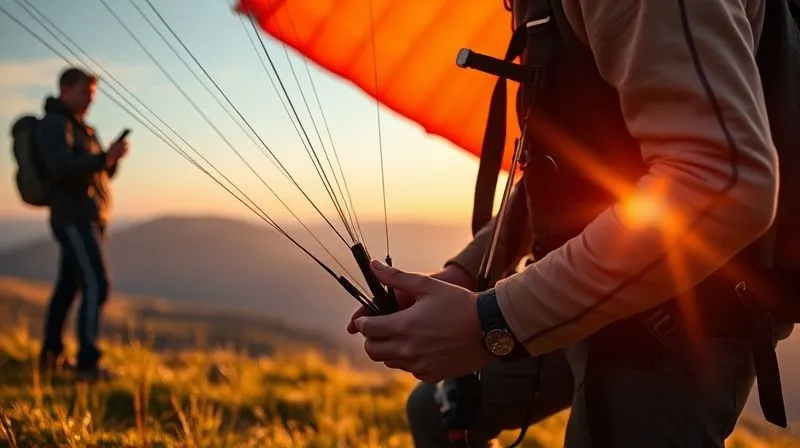
Alex, a 35-year-old software engineer, dreamed of paragliding over the Swiss Alps. Initially, he considered booking a tandem flight and then immediately seeking advanced solo lessons. After attending one of my workshops, he opted for a more measured approach. He spent six months training with a local paragliding school, starting with ground handling skills on flat fields. He then progressed to small hills, gradually increasing his flight time and altitude under strict supervision. He invested in a basic simulator to practice maneuvers and emergency procedures. By the time he took his first solo flight from a significant launch site, he felt confident and prepared, having systematically built his skills and knowledge. This methodical preparation not only ensured his safety but also significantly enhanced his enjoyment and mastery of the sport.
Gear Up Right: Non-Negotiable Equipment for Your Adventure
In extreme sports, your gear isn't just an accessory; it's your lifeline. The right equipment can mean the difference between a thrilling success and a catastrophic failure. I cannot stress enough the importance of investing in high-quality, reliable, and sport-specific gear. Skimping on cost here is a gamble you simply cannot afford to take.
When selecting your equipment, consider these fundamental principles:
- Quality Over Cost: Always prioritize reputable brands known for their safety and durability. Cheaper alternatives often compromise on materials or manufacturing standards.
- Sport-Specific Design: Each extreme sport has unique demands. Ensure your gear is specifically designed and certified for your chosen activity. A climbing harness is not interchangeable with a skydiving harness.
- Proper Fit: Ill-fitting gear can be uncomfortable, inefficient, and, most critically, unsafe. Helmets, harnesses, wetsuits, and boots must fit perfectly.
- Regular Inspection and Maintenance: Your gear endures immense stress. Establish a routine for inspecting it before and after every use. Look for wear and tear, frayed ropes, cracks, or any signs of degradation. Follow manufacturer guidelines for cleaning, storage, and replacement.
- Understanding Certifications: Many pieces of extreme sports equipment carry certifications (e.g., UIAA, CE, ASTM). Understand what these mean and ensure your gear meets or exceeds the required standards for your activity.
Sport-Specific Gear Checklist Example (General Principles)
While gear varies wildly between disciplines, here’s a general idea of what to consider:
| Category | Example Gear | Key Considerations |
|---|---|---|
| Protection | Helmet, body armor, appropriate clothing layers | Impact resistance, ventilation, weather protection |
| Safety & Support | Harness, ropes, carabiners, personal flotation device | Load bearing, certification, fit, quick-release mechanisms |
| Navigation & Communication | GPS, satellite phone, two-way radio, compass, map | Battery life, waterproof, signal range, ease of use |
| Emergency & First Aid | First aid kit, emergency shelter, fire starter, multi-tool | Compact, comprehensive, accessible, knowledge of use |
| Footwear & Grip | Specialized boots, climbing shoes, non-slip footwear | Traction, ankle support, durability, comfort |
Always consult with experienced professionals and gear specialists for the precise equipment list for your chosen extreme sport. Don't hesitate to ask questions and seek advice.
The Mental Game: Cultivating Resilience and Focus
Physical prowess is undeniably crucial in extreme sports, but I've often found that the mental game is what truly separates the good from the great. The ability to manage fear, maintain focus under pressure, and cultivate an unwavering belief in your capabilities is paramount. Your mind can be your greatest asset or your most formidable opponent.
Fear is a natural, healthy response to danger, and in extreme sports, it serves as a vital warning system. The goal isn't to eliminate fear but to acknowledge it, understand its source, and learn to manage its effects. This is where mental conditioning comes into play.
“The mind is everything. What you think you become.” – Buddha. In extreme sports, this translates to: what you prepare for mentally, you are better equipped to achieve physically.
Key mental preparation techniques I advocate include:
- Visualization: Before a challenging endeavor, mentally rehearse every step of the activity. Visualize yourself successfully executing maneuvers, overcoming obstacles, and managing potential difficulties. Engage all your senses in this mental rehearsal.
- Mindfulness and Breathing Techniques: Learning to stay present and control your breath can profoundly impact your ability to remain calm and focused. When anxiety creeps in, deep, controlled breathing can slow your heart rate and clear your mind, allowing for better decision-making.
- Positive Self-Talk: Replace self-doubt with encouraging affirmations. Instead of 'I can't do this,' try 'I am trained for this, I am capable.' Your internal dialogue significantly influences your performance.
- Goal Setting (Process-Oriented): While the ultimate goal might be to summit a peak or land a difficult trick, break it down into smaller, achievable process goals. Focus on mastering one skill at a time, celebrating small victories to build momentum and confidence.
- Learning from Experience: After each adventure, reflect on what went well and what could be improved. This objective self-assessment, free from self-criticism, is crucial for continuous mental growth and adaptation.
Risk Management: Strategies for Safe Extreme Sports Participation
In any discussion about extreme sports, the topic of risk is unavoidable. It's an inherent part of the appeal, but it's also the element that demands the most respect and meticulous planning. As an expert, I firmly believe that 'managing risk' is a far more accurate and responsible term than 'eliminating risk' – because in these environments, complete elimination is rarely possible. The goal is to mitigate, prepare for, and understand the potential hazards.
According to a study published in the Journal of Sports Science & Medicine, a significant number of extreme sports injuries are preventable through proper training, equipment, and risk assessment. This reinforces my long-held belief that preparedness is paramount.
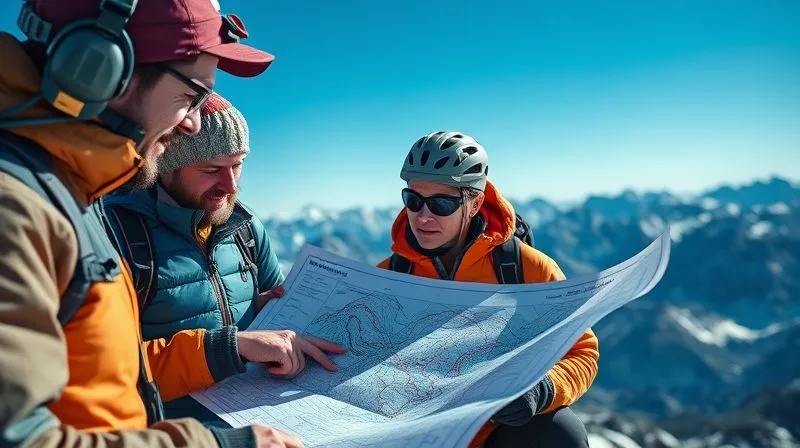
- Comprehensive Risk Assessment: Before embarking on any adventure, conduct a thorough assessment of all potential risks. This includes environmental factors (weather, terrain, wildlife), equipment failure, human error, and medical emergencies. Don't just consider the obvious; think about 'what if' scenarios.
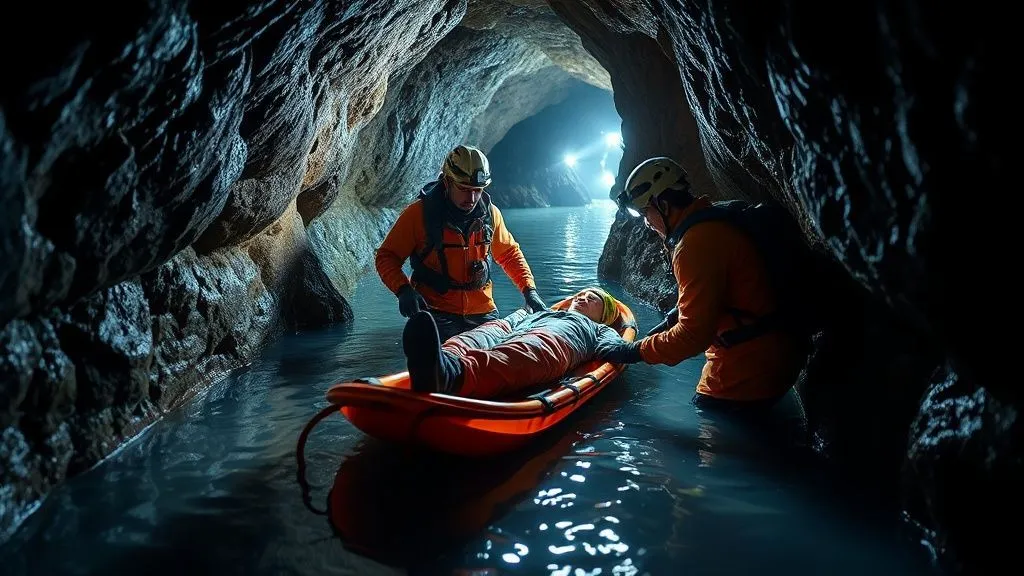
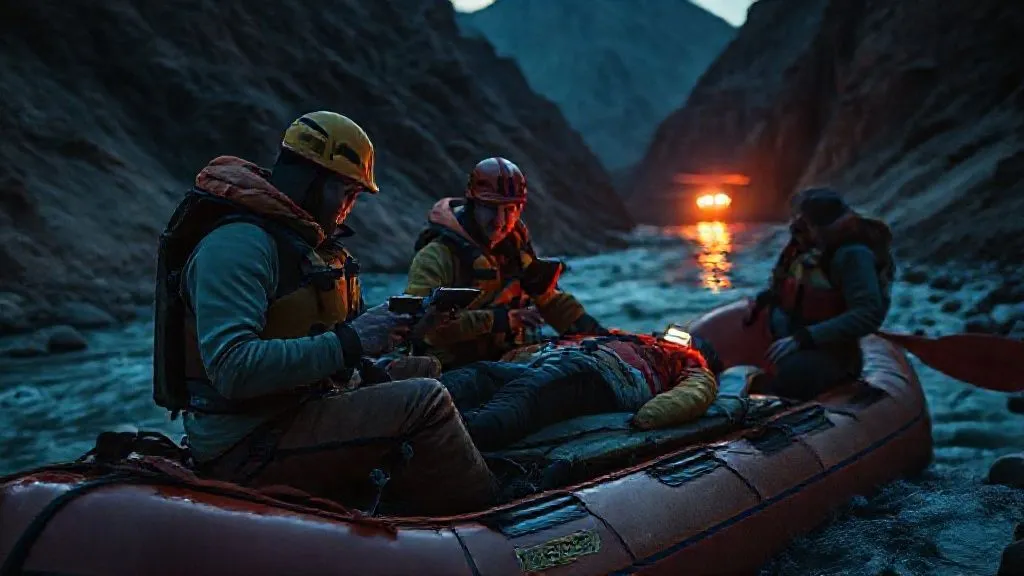
- Develop Emergency Protocols: For every identified risk, have a clear, rehearsed plan of action. What do you do if someone gets injured? What if you get lost? What if your equipment fails? This includes knowing first aid, communication methods (satellite phone, emergency beacons), and evacuation procedures. Share these plans with your team.
- Know Your Limits (and Your Team's): This is perhaps the most difficult but essential step. Honest self-assessment of your physical, mental, and technical capabilities is critical. Don't let ego override judgment. If conditions are beyond your current skill level, or if you're feeling unwell or fatigued, be prepared to postpone or cancel. The mountain (or wave, or cliff) will always be there another day.
- Never Go Alone (When Possible): For many extreme sports, having a partner or team is a non-negotiable safety measure. They can provide immediate assistance, share the burden of decision-making, and offer crucial support in an emergency. Ensure your partners are also well-trained and capable.
Training Beyond the Basics: Physical Conditioning for Peak Performance
While fundamental preparation is crucial, truly excelling in extreme sports and minimizing injury risk requires a dedicated and intelligent approach to physical conditioning. This isn't just about being 'fit'; it's about being 'sport-specifically fit' – developing the strength, endurance, flexibility, and agility that directly translate to your chosen activity.
My years in the field have taught me that generic gym routines often fall short. You need to understand the unique physiological demands of your sport and tailor your training accordingly. For example, a rock climber needs exceptional grip strength and core stability, while a big-wave surfer requires powerful swimming endurance and breath-hold capacity.
Tailored Training Regimens
Here are key components to consider when structuring your physical training:
- Sport-Specific Strength: Identify the primary muscle groups used in your extreme sport and focus on exercises that mimic those movements. For climbers, this means pull-ups, fingerboard training, and core work. For kayakers, it’s rotational core strength and upper body endurance.
- Cardiovascular Endurance: Most extreme sports demand high levels of stamina. Incorporate activities like long-distance running, swimming, cycling, or high-intensity interval training (HIIT) to build your aerobic and anaerobic capacity.
- Flexibility and Mobility: A good range of motion can prevent injuries and improve performance. Integrate stretching, yoga, or dynamic mobility drills into your routine.
- Balance and Proprioception: Many extreme sports require exceptional balance. Practice exercises on unstable surfaces, slacklining, or specific balance boards to enhance your proprioception (your body's awareness of its position in space).
- Cross-Training: Engage in complementary activities that work different muscle groups or enhance overall athleticism. This prevents overuse injuries and maintains a well-rounded fitness level. For instance, a surfer might benefit from Pilates for core strength, or a snowboarder from mountain biking for leg endurance.
- Nutrition and Hydration: Your body is a high-performance machine. Fuel it with nutrient-dense foods and stay consistently hydrated. Consult a sports nutritionist if necessary.
A sample training week might look like this, tailored to a sport like backcountry skiing:
| Day | Focus | Activities |
|---|---|---|
| Monday | Strength (Lower Body) | Squats, lunges, deadlifts, box jumps |
| Tuesday | Endurance | Long trail run or uphill hike (60-90 min) |
| Wednesday | Strength (Upper Body & Core) | Pull-ups, push-ups, planks, Russian twists |
| Thursday | Active Recovery / Mobility | Yoga, stretching, light cycling |
| Friday | Sport-Specific Skills | Ski touring simulation, balance exercises |
| Saturday | Long Endurance | Extended hike with weighted pack or long cycle (2-3 hours) |
| Sunday | Rest | Complete rest or very light activity |
Navigating the World: Choosing Your Extreme Sports Destination
Once you’ve honed your skills and geared up, the world opens up as your playground. But choosing the right destination for your extreme sports adventure is more than just picking a pretty spot on the map. It involves careful consideration of local expertise, environmental conditions, ethical considerations, and logistical support. My travels have shown me that the 'best' destination is one that aligns perfectly with your skill level, safety requirements, and personal values.
For example, if you’re looking to dive, the Red Sea offers incredible visibility and marine life, but it requires specific certifications and respect for marine conservation. For high-altitude mountaineering, the Himalayas are iconic, but they demand extensive acclimatization and support from highly experienced local guides, as highlighted by National Geographic's coverage on high-altitude risks.
When evaluating potential destinations, consider these criteria:
- Reputation and Infrastructure: Look for regions known for your specific sport, with established safety records, certified guides, and reliable emergency services. Do they have well-maintained equipment rental facilities?
- Environmental Conditions: Research the typical weather patterns, seasonal variations, and specific environmental hazards (e.g., avalanche risk, strong currents, extreme temperatures). Always check local forecasts immediately before and during your trip.
- Local Expertise and Culture: Engage with local guides and operators who possess intimate knowledge of the terrain, weather, and cultural nuances. Their experience is invaluable. Be respectful of local customs and environmental regulations.
- Accessibility and Logistics: How easy is it to get there? What are the accommodation options? How will you transport your gear? Consider the logistical challenges, especially in remote areas.
- Ethical and Sustainable Practices: Choose operators and destinations that prioritize environmental conservation and support local communities. Your adventure shouldn't come at the expense of the planet or its people.

Beyond the Thrill: The Long-Term Benefits of Extreme Sports
While the immediate rush of adrenaline and the sense of accomplishment are powerful motivators, the true value of engaging in extreme sports extends far beyond the moment. I've witnessed how these experiences profoundly shape individuals, fostering personal growth, building character, and instilling life skills that transcend the adventure itself.
It's not just about conquering a mountain; it's about conquering self-doubt. It's not just about navigating a treacherous river; it's about learning to navigate life's unexpected currents with resilience and adaptability. As Harvard Business Review suggests, calculated risk-taking can be a powerful catalyst for personal and professional development.
The lessons learned in the crucible of extreme sports – humility, planning, perseverance, and respect – are not confined to the wild. They are blueprints for a more purposeful and resilient life.
The long-term benefits are multifaceted:
- Enhanced Problem-Solving Skills: Extreme environments demand quick thinking, creative solutions, and effective decision-making under pressure. These skills are invaluable in all aspects of life.
- Increased Self-Awareness: Pushing your limits reveals your true strengths and weaknesses, leading to a deeper understanding of yourself.
- Improved Mental Fortitude: Repeatedly facing and overcoming fear builds mental toughness and a robust capacity for handling stress.
- Stronger Community Bonds: Sharing intense experiences forges deep, lasting friendships and a sense of camaraderie with fellow adventurers.
- Greater Appreciation for Nature: Spending time in wild, untamed landscapes fosters a profound respect for the environment and a desire to protect it.
- Boosted Physical Health: The rigorous training and activity associated with extreme sports lead to superior physical fitness and overall well-being.
- A Sense of Purpose and Meaning: For many, extreme sports provide a unique avenue for self-discovery and a profound sense of living life to the fullest.
These benefits aren't just anecdotal. Studies on adventure therapy and outdoor education consistently demonstrate positive impacts on mental health, self-esteem, and social skills. The discipline, focus, and strategic thinking developed in extreme sports translate directly into better performance in careers, relationships, and personal challenges.
Frequently Asked Questions (FAQ)
How do I choose the right extreme sport for me? Start by considering your interests, existing fitness level, and what kind of challenge excites you. Do you love heights, water, speed, or endurance? Research various sports, watch videos, and read accounts from participants. Try introductory experiences like indoor climbing or tandem skydiving. Most importantly, be honest about your comfort level with risk and your willingness to commit to the necessary training and preparation. Don't feel pressured to pick the 'most extreme' – find what genuinely resonates with you.
What about insurance for extreme sports? Standard travel insurance often doesn't cover high-risk activities. You'll need specialized adventure travel insurance. Research providers that specifically cover your chosen sport(s), potential medical evacuation, and repatriation. Read the policy details carefully to understand what is and isn't covered, including specific exclusions related to altitude, depth, or certain activities. This is a non-negotiable expense for responsible participation.
Is it ever too late to start extreme sports? Absolutely not! While some sports might be easier to pick up at a younger age, many extreme sports are accessible to individuals of all ages, provided they have the right physical condition, mental preparedness, and proper instruction. I've seen people in their 60s take up skydiving, and 70-year-olds still rock climbing. The key is to listen to your body, consult with medical professionals, and progress at a pace that is safe and comfortable for you. Age is less a barrier and more a factor in how you approach your training and goals.
How do I find reputable instructors/guides? This is critical. Look for instructors or guiding companies with recognized certifications from national or international governing bodies for the specific sport (e.g., IFMGA for mountain guides, PADI for dive instructors, USPA for skydiving). Check their experience, safety record, and client testimonials. Ask about their emergency procedures and insurance. Personal recommendations from experienced adventurers are also valuable. Don't hesitate to interview several before making a decision.
What are common injuries in extreme sports and how can I prevent them? Common injuries vary by sport but often include sprains, fractures, dislocations, concussions, and soft tissue damage. Prevention is multi-faceted: meticulous physical conditioning tailored to your sport, proper warm-up and cool-down routines, using correctly fitted and maintained safety gear, adhering strictly to safety protocols, never exceeding your skill level, and knowing when to rest. Cross-training helps prevent overuse injuries, and a strong mental game reduces the likelihood of errors due to panic or distraction. Regular medical check-ups are also advisable.
Key Takeaways and Final Thoughts
- Preparation is Paramount: Success and safety in extreme sports hinge on meticulous research, gradual skill progression, and quality instruction.
- Gear is Your Lifeline: Invest in certified, sport-specific equipment and maintain it diligently.
- Master the Mental Game: Cultivate resilience, focus, and fear management through visualization and mindfulness.
- Embrace Risk Management: Understand, assess, and prepare for potential hazards with emergency protocols and honest self-assessment.
- Train Smart: Tailor your physical conditioning to your sport's specific demands, focusing on strength, endurance, flexibility, and balance.
- Choose Wisely: Select destinations based on reputation, local expertise, environmental conditions, and ethical practices.
- Reap Lasting Benefits: Extreme sports offer profound long-term gains in problem-solving, self-awareness, mental fortitude, and a deeper connection to nature.
The world of extreme sports is not just about the thrill; it's a profound journey of self-discovery, pushing the boundaries of what you thought possible. It demands respect, discipline, and an unwavering commitment to safety. But for those who embrace it with intelligence and passion, the rewards are immeasurable. So, do your homework, train diligently, seek expert guidance, and step confidently towards your next great adventure. The mountains, the skies, and the oceans await your respectful challenge.
Recommended Reading
- 7 Proven Steps to Maximize Cultural Learning from Brief Heritage Site Visits
- Unlocking Global Flavors: How to Truly Appreciate Different Coffee Cultures
- River Cruise for Burnout? 7 Ways to Reclaim Executive Vitality
- Solo Female Safety: 7 Smart Ways to Navigate Cultural Gender Norms
- 5 ROI Metrics: Justifying Private Jet Costs for Executive Business Trips

Your email address will not be published. Required fields are marked *