

How to Truly Appreciate Different Global Coffee Cultures?
Have you ever paused to consider that the simple act of drinking coffee is, for billions around the world, a profound cultural experience, a daily ritual steeped in history and community? It's more than just a morning jolt; it's a social lubricant, a symbol of hospitality, and an art form.
While many of us enjoy coffee daily, we often miss the intricate stories and traditions woven into each cup from various corners of the globe. The 'problem' isn't a lack of access to coffee, but a lack of understanding and appreciation for the diverse ways it's cultivated, prepared, and consumed worldwide.
This comprehensive guide will show you how to truly appreciate different global coffee cultures, transforming your coffee consumption from a mere habit into an enriching journey of discovery. By the end, you'll possess the knowledge and perspective to explore the world, one culturally significant coffee cup at a time.
The Unsung History: Coffee's Global Odyssey
To appreciate coffee cultures, one must first understand coffee's remarkable journey. Originating in the ancient coffee forests of Ethiopia, specifically the Kaffa region, coffee beans were initially chewed or brewed as a stimulant by local tribes. Legend attributes its discovery to Kaldi, a goat herder who noticed his goats' energetic behavior after consuming berries from a particular tree.
From Ethiopia, coffee traveled across the Red Sea to Yemen, where Sufi monasteries began cultivating it to aid in long nights of prayer. This was the true birthplace of coffee as a beverage. From there, it spread rapidly throughout the Islamic world, becoming an integral part of social and religious life. Coffee houses, known as kaveh kanes, emerged as vibrant centers for intellectual discussion, music, and chess.
From the Middle East to the West: A Transformative Journey
By the 17th century, coffee had made its way to Europe, initially met with suspicion but soon embraced. Venice saw its first coffee house in 1645, and London's coffee houses became known as 'penny universities' for their role in disseminating information and fostering debate. The Dutch were instrumental in spreading coffee cultivation globally, establishing plantations in their colonies like Java, which became a major source of coffee for the world. This historical spread laid the groundwork for the unique coffee cultures we see today.
Beyond the Bean: Understanding Coffee's Ritualistic Role
Coffee is rarely just a drink; it's often a central component of daily rituals, social norms, and expressions of hospitality. Understanding these rituals is key to how to truly appreciate different global coffee cultures.
- Ethiopian Coffee Ceremony (Buna Tetu): This is perhaps the most elaborate and respected coffee ritual. It's a long, meditative process that can take hours, involving roasting green beans over charcoal, grinding them, and brewing them in a traditional clay pot called a jebena. It's an honor to be invited to a coffee ceremony, symbolizing deep respect and friendship.
- Italian Espresso Culture: In Italy, coffee is fast, strong, and consumed standing at a bar. The 'caffè' (espresso) is a quick shot of energy, often taken multiple times a day. Ordering a 'latte' will get you a glass of milk; you need to ask for a 'caffè latte' if you want coffee with it. This emphasizes efficiency and quality.
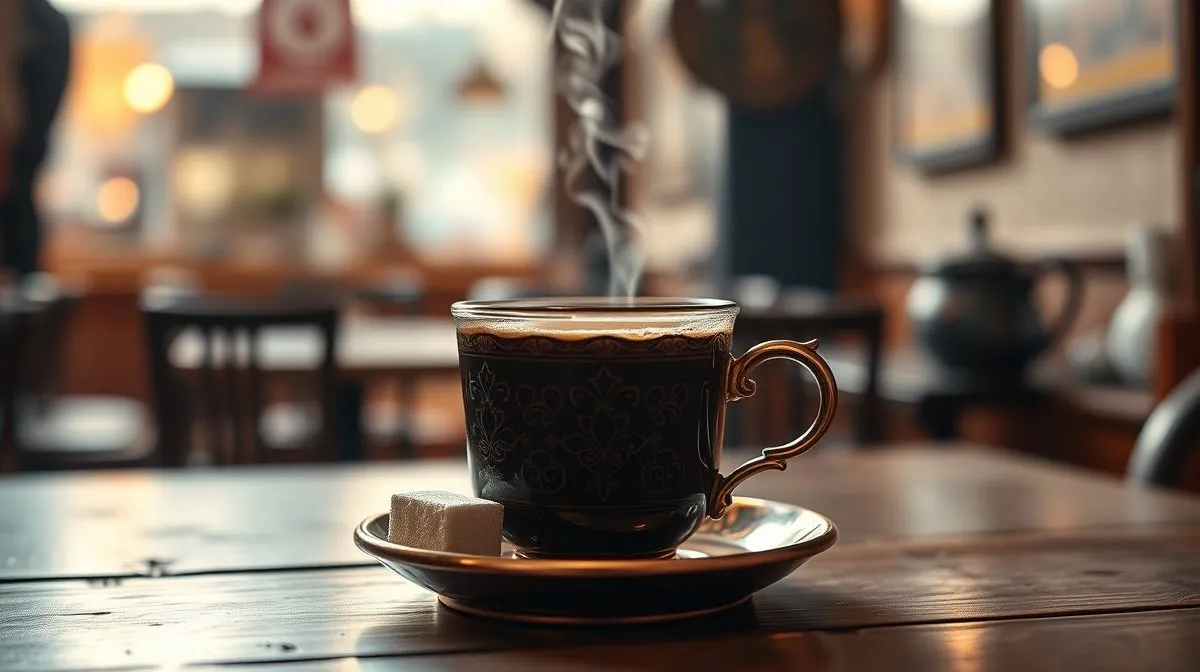
- Turkish Coffee Fortune-Telling: After enjoying thick, unfiltered Turkish coffee, the cup is often inverted onto its saucer. Once cooled, the patterns left by the grounds are 'read' to predict the future, adding a mystical, social element to the experience.
Regional Brews: A Passport to Global Flavors
The method of preparation, the type of bean, and the accompanying traditions vary wildly across the globe, creating distinct coffee identities. To truly appreciate different global coffee cultures, one must explore these regional nuances.
Exploring Unique Preparation Methods and Styles
- Nordic Coffee (Fika in Sweden): Often light roasted, filter coffee is king here. The emphasis is on quality beans and a clean, pure taste. 'Fika' is a cherished Swedish tradition of taking a coffee break, often with pastries, to socialize and relax. It's about slowing down and connecting.
- Vietnamese Iced Coffee (Cà Phê S?a ?á): A strong, dark roast brewed with a small metal drip filter (phin) directly into a glass containing condensed milk, then poured over ice. The contrast of bitter coffee and sweet milk is iconic and refreshing in the tropical climate.
- Japanese Pour Over and Kissaten Culture: Japan elevates coffee brewing to an art form, emphasizing precision and craftsmanship. Manual pour-over methods are popular, valuing clarity and nuance. Traditional coffee shops, or kissaten, offer quiet, often smoky, havens for contemplation and appreciation of the brew.
- French Press (Cafetière): While not tied to one specific country, the French press is widely used for its ability to produce a full-bodied, rich coffee. It's a common staple in many European and North American homes, valuing simplicity and robust flavor.
The Art of Preparation: Tools and Techniques
The tools and techniques used to prepare coffee are as diverse as the cultures themselves. Understanding these methods deepens your appreciation for the final cup.
From Ancient Pots to Modern Machines
Traditional methods often involve manual processes that engage all the senses, from the aroma of roasting beans to the slow drip of water. Modern methods, while efficient, sometimes sacrifice this sensory engagement. For example, the jebena in Ethiopia or the cezve in Turkey are not just vessels; they are integral to the ritual and the resulting flavor profile.
Consider the contrast between the quick, high-pressure extraction of an Italian espresso machine and the slow, meditative drip of a Japanese pour-over. Each method is designed to highlight different characteristics of the coffee bean, reflecting cultural preferences for strength, clarity, or body. Learning to use even one new brewing method can open up a world of flavor and understanding.
Coffee and Community: More Than Just a Drink
Coffee houses have historically served as crucial social and intellectual hubs. They are places where ideas are exchanged, deals are struck, and friendships are forged. This communal aspect is vital to truly appreciate different global coffee cultures.
The Role of Coffee Houses in Society
In Vienna, the coffee house (Kaffeehaus) is a living room extension, where one can read newspapers for hours over a single cup of coffee, often a Mélange (espresso with steamed milk and foam). These establishments are recognized by UNESCO for their cultural significance. In contrast, the hustle and bustle of a Neapolitan coffee bar reflect a different pace of life, where coffee is a quick, intense shared moment.
Even in modern times, coffee shops continue to be vital community spaces, adapting to new trends while retaining their core function as gathering places. They reflect the local community's values, from minimalist Scandinavian designs to cozy, eclectic bohemian spaces.
Navigating the Global Coffee Landscape: Tips for the Curious Connoisseur
Now that you've glimpsed the diversity, how can you actively engage with and truly appreciate different global coffee cultures in your daily life or travels?
Practical Ways to Deepen Your Appreciation
- Seek Out Specialty Coffee Shops: Many local roasters and cafes specialize in single-origin beans and various brewing methods. Don't be afraid to ask baristas about the coffee's origin, processing, and recommended brewing method.
- Experiment with Brewing at Home: Invest in a few different brewing devices – a French press, an AeroPress, a pour-over cone, or even a small Moka pot. Each will yield a distinct flavor profile from the same beans.
- Read and Research: Delve into the history and traditions of coffee-growing regions. Websites like Wikipedia's History of Coffee or resources from organizations like the Specialty Coffee Association (SCA) offer extensive knowledge.
- Travel with an Open Mind: When visiting a new country, seek out local coffee experiences. Don't just go to international chains. Ask locals where they drink coffee, observe their rituals, and try to mimic their approach.
- Participate in Coffee Tastings: Cupping sessions can train your palate to identify different flavor notes, body, and acidity, enhancing your sensory appreciation.
The Economic and Ethical Dimensions of Coffee
A true appreciation of coffee cultures extends beyond taste and ritual to understanding the profound economic and ethical implications of coffee production. Coffee is one of the most traded commodities globally, directly impacting the livelihoods of millions of farmers and workers.
Understanding Sustainability and Fair Trade
The journey from bean to cup is long and complex, often involving significant challenges for growers, particularly smallholder farmers in developing countries. Issues like fluctuating market prices, climate change, and labor conditions significantly impact these communities. According to Fair Trade International, buying certified fair trade coffee helps ensure farmers receive a fair price for their crops, enabling them to invest in their communities and sustainable practices.
By choosing ethically sourced coffee, you contribute to a more equitable and sustainable global coffee industry. This conscious choice is an integral part of how to truly appreciate different global coffee cultures, recognizing the human element behind every brew. Explore resources from organizations like Fair Trade America to learn more about responsible sourcing.
Frequently Asked Questions (FAQ)
What makes coffee cultures so different around the world? Coffee cultures differ due to a blend of historical context, local traditions, climate affecting bean types, preferred brewing methods, and the social role coffee plays in daily life.
Can I experience global coffee cultures without traveling? Absolutely! You can experiment with different brewing methods at home, seek out specialty coffee shops that offer beans from various regions, attend virtual coffee tastings, and research online.
Is ethical sourcing important for appreciating coffee culture? Yes, understanding the economic and social impact on coffee farmers is crucial for a holistic appreciation. Supporting fair trade and sustainable practices ensures the longevity and integrity of these cultures.
Which coffee culture should I explore first as a beginner? Italian espresso culture is a great starting point due to its global influence and distinct, accessible rituals. Alternatively, the meditative Japanese pour-over or the communal Ethiopian ceremony offer deeper dives.
Recommended Reading
- The Eco-Glamping Secret: How to Choose a Truly Green Adventure
- Don't Let Rain Ruin It: Your Ultimate Guide to a Rainy City Break
- Glamping Outdoor Kitchen Setup Ideas: Create Your Dream Campsite!
- Your Essential Guide: How to Plan a Zero-Waste Trip to National Parks
- Unlock Warmth: The Ultimate Guide to Staying Cozy Car Camping in Cold Weather
Conclusion
To truly appreciate different global coffee cultures is to embark on a journey that transcends taste, delving into history, sociology, and economics. It’s about recognizing the intricate tapestry of traditions, rituals, and human connections woven into every cup. By understanding the origins, exploring diverse preparation methods, engaging with the communal aspects, and making ethical choices, you transform a simple beverage into a profound gateway to global understanding.
So, the next time you hold a cup of coffee, remember the countless hands and rich histories behind it. Let it be an invitation to explore, to learn, and to connect with the world, one culturally significant sip at a time. Your coffee journey has only just begun.

Your email address will not be published. Required fields are marked *