

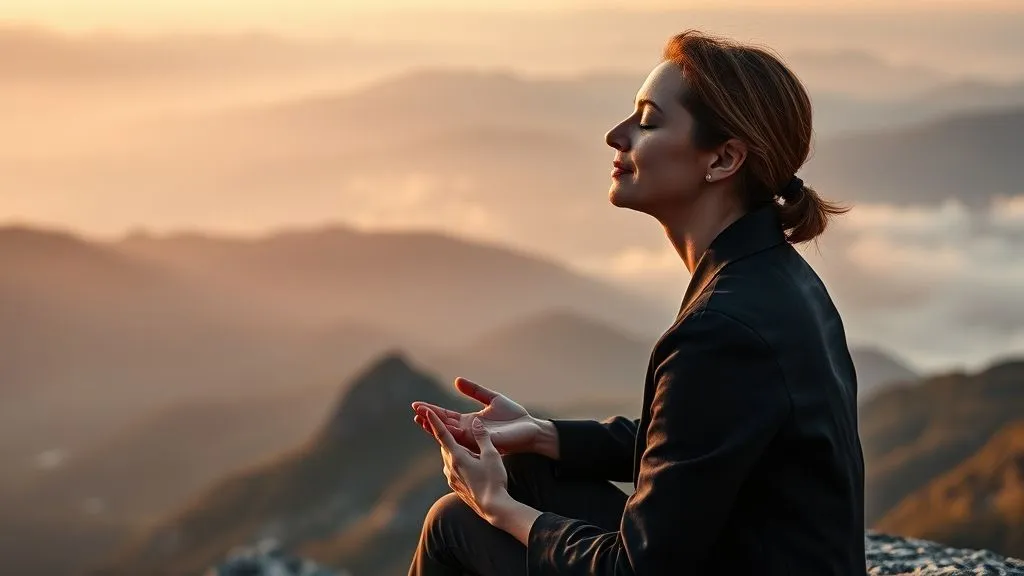
How can burned-out professionals use travel for inner peace?
For over 15 years in the wellness travel space, I’ve witnessed countless driven professionals arrive at their breaking point, their spirits frayed and their energy depleted. They come seeking an escape, a temporary reprieve, but what they truly crave – and desperately need – is a deeper, more sustainable form of healing. The relentless demands of modern professional life have created a silent epidemic of burnout, leaving many feeling trapped in a cycle of exhaustion and disillusionment.
This isn't just about feeling tired; it’s a profound state of physical, emotional, and mental exhaustion caused by prolonged or excessive stress. It erodes not only productivity and career satisfaction but also personal relationships and overall well-being. The problem isn't a lack of effort; it's often a lack of effective, intentional strategies for true recovery and replenishment.
In this definitive guide, I will share actionable frameworks and expert insights on how burned-out professionals can harness the transformative power of travel not just for a fleeting vacation, but for cultivating lasting inner peace. You’ll learn how to plan, engage with, and integrate these experiences to reclaim your mental clarity, emotional balance, and zest for life. This isn't just travel; it's a strategic investment in your most valuable asset: yourself.
The Silent Epidemic: Understanding Professional Burnout's Toll
Burnout, as defined by the World Health Organization, is an occupational phenomenon characterized by three dimensions: feelings of energy depletion or exhaustion; increased mental distance from one’s job, or feelings of negativism or cynicism related to one's job; and reduced professional efficacy. In my experience, it’s a pervasive issue that’s often misdiagnosed as simple stress or fatigue. Professionals, especially those in high-pressure fields, are particularly susceptible, often pushing themselves beyond sustainable limits.
The symptoms are insidious: chronic fatigue, insomnia, irritability, difficulty concentrating, feelings of detachment, and a pervasive sense of dread about work. A study published by Harvard Business Review highlighted that burnout isn't just an individual problem but a systemic one, often exacerbated by organizational culture. Traditional breaks or 'vacations' often fall short because they fail to address the root causes of this deep-seated exhaustion. A beach holiday might offer temporary relief, but without intentional engagement, the underlying stress patterns quickly re-emerge upon return.
True recovery from burnout isn't about escaping reality; it's about reconnecting with your inner self and redefining your relationship with stress. It requires a conscious shift from passive relaxation to active rejuvenation.
The long-term effects of unaddressed burnout can be severe, impacting physical health, mental well-being, and career longevity. It can lead to anxiety, depression, increased susceptibility to illness, and a complete loss of passion for one's profession. Recognizing burnout for what it is – a serious condition requiring intentional intervention – is the first critical step toward healing. It’s not a weakness; it’s a signal that your system is overloaded and needs a reset.

Beyond Vacation: What 'Inner Peace Travel' Truly Means
Let's be clear: inner peace travel is distinctly different from a typical tourist vacation. While both involve leaving home, the intention, approach, and desired outcomes are fundamentally divergent. A vacation often focuses on external entertainment, sightseeing, and perhaps even more scheduling. Inner peace travel, on the other hand, is a journey inward, designed to foster self-reflection, mindfulness, and a profound sense of calm.
In my work, I guide clients to understand that this isn't about luxury resorts (though those can certainly be part of it if aligned with your goals), but about creating an environment and engaging in practices that allow the nervous system to truly decompress and reset. It’s about choosing experiences that nurture the soul, rather than just stimulating the senses. It’s about being present, not just physically absent from your daily grind.
The core principles of inner peace travel include:
- Intentionality: Every aspect of the trip is planned with the goal of fostering inner peace and healing.
- Mindfulness: Engaging with the environment and experiences with full awareness and presence.
- Disconnection: Deliberately stepping away from digital devices and external demands.
- Self-Discovery: Creating space for introspection, learning about oneself, and personal growth.
- Simplicity: Often prioritizing natural environments and unhurried rhythms over complex itineraries.
It’s about understanding that peace isn't found in a destination itself, but in the practices and mindset you cultivate during your journey. It's an active process of shedding stress, embracing stillness, and rediscovering your authentic self away from the pressures of professional identity.
Crafting Your Escape: Intentional Planning for Profound Rejuvenation
The success of inner peace travel lies heavily in its planning. This isn't a spontaneous getaway; it's a strategic intervention. I always advise my clients to approach this phase with as much care as they would a critical business project, but with a different set of metrics for success.
Assessing Your Burnout Level and Needs
Before you even think about destinations, take a brutally honest inventory of your current state. Are you merely stressed, or are you experiencing full-blown burnout? What specific aspects of your well-being are most affected? Do you crave silence, adventure, creative expression, or deep rest? Understanding your unique needs will guide your choices.
- Emotional State: Are you irritable, numb, or tearful?
- Physical Symptoms: Persistent fatigue, headaches, digestive issues?
- Mental Clarity: Brain fog, difficulty focusing, decision fatigue?
- Spiritual Disconnection: Feeling lost, purposeless, or cynical?
Your answers will inform whether you need a silent meditation retreat, an active nature immersion, or a gentle cultural exploration.
Defining Your Inner Peace Goals
What does 'inner peace' look like for you right now? Is it the absence of anxiety? A feeling of calm presence? Reconnecting with joy? Write down 2-3 specific, measurable goals for your trip. For example: 'Reduce daily anxiety by 50%', 'Re-ignite passion for a forgotten hobby', or 'Improve sleep quality to 7-8 hours consistently'. These goals will act as your compass.
The Power of Disconnection: Digital Detox
This is non-negotiable for true inner peace travel. Our devices are constant sources of stimulation, alerts, and demands, making genuine rest impossible. I've seen clients struggle immensely with this, but the rewards are profound. Plan for a complete digital detox, or at least a significant reduction in screen time. Inform colleagues and family of your intention and establish clear boundaries before you leave.
Consider the following comparison of travel types and their suitability for burnout recovery:
| Travel Type | Primary Goal | Burnout Recovery Potential |
|---|---|---|
| Standard Tourist Vacation | Sightseeing, Entertainment | Low (often adds stress) |
| Adventure Trip | Thrill, Physical Challenge | Medium (can be restorative, or exhausting) |
| Wellness Retreat (Structured) | Healing, Self-Improvement | High (guided, focused) |
| Mindful Nature Immersion | Connection, Stillness | High (deep relaxation, grounding) |
| Solo Exploration (Slow Travel) | Self-Discovery, Autonomy | High (personal pace, introspection) |
Immersive Experiences: Destinations and Activities for Deep Healing
Once you understand your needs and goals, you can select experiences that truly resonate. The 'right' destination isn't always the most exotic; it's the one that best supports your journey inward.
Nature Immersion: Forest Bathing, Mountain Retreats, Coastal Escapes
Connecting with nature is one of the most powerful antidotes to burnout. The Japanese practice of Shinrin-yoku, or 'forest bathing,' is a prime example. It's not hiking; it's simply being present in a forest environment, engaging all your senses. Mountain retreats offer perspective and physical challenge, while coastal escapes provide the calming rhythm of the ocean. The goal is to unplug and allow the natural world to soothe your nervous system.
- Activities: Gentle walks, silent contemplation, wildlife observation, earthing.
- Benefits: Reduced stress hormones, improved mood, enhanced immune function, increased creativity.
Spiritual & Mindfulness Retreats: Yoga, Meditation, Silent Retreats
For those seeking structured guidance in mindfulness and self-awareness, dedicated retreats are invaluable. These often involve daily yoga and meditation sessions, healthy vegetarian meals, and a supportive community. Silent retreats, while challenging, can be profoundly transformative, stripping away external distractions to reveal inner clarity. These environments are expertly designed to facilitate deep introspection.
- Activities: Guided meditation, yoga, breathwork, dharma talks, mindful eating.
- Benefits: Enhanced self-awareness, emotional regulation, stress reduction, spiritual growth.
Cultural Immersion & Learning: Slow Travel, Local Engagement
Sometimes, inner peace comes from expanding your worldview and engaging with something entirely new. Slow travel, where you settle in one place for an extended period, allows for genuine cultural immersion. Learning a new skill (like cooking a local cuisine or a traditional craft) or volunteering can shift your focus from internal stress to external engagement and purpose. It's about opening yourself to new perspectives and finding joy in discovery.
- Activities: Language classes, cooking workshops, volunteering, exploring local markets, engaging with community.
- Benefits: Broadened perspective, renewed sense of wonder, cognitive stimulation, development of new skills.
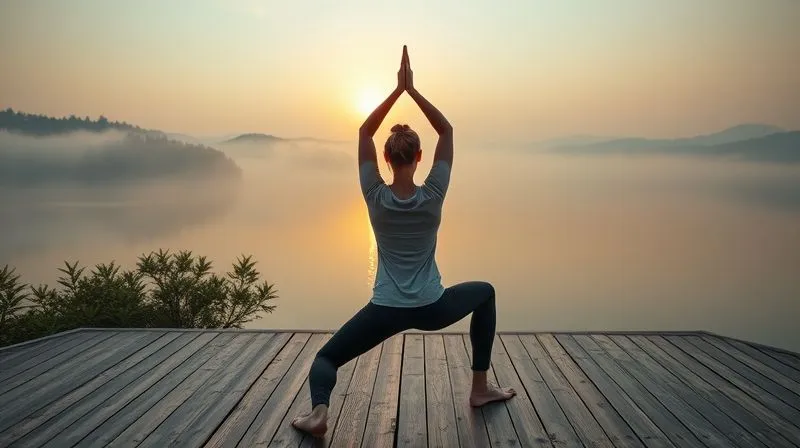
The Journey Inward: Practices to Cultivate During Your Travels
Simply being in a beautiful place isn't enough; it's what you do with that time and space that truly counts. These practices are the engines of inner peace, helping you process, release, and integrate new perspectives.
Mindful Movement: Walking, Hiking, Gentle Yoga
Exercise is a powerful stress reliever, but for burnout recovery, the emphasis should be on mindful movement. This isn’t about pushing limits but about reconnecting with your body. A long, contemplative walk in nature, paying attention to each step, the feel of the earth, the sounds around you, can be incredibly grounding. Gentle yoga or Tai Chi can release tension and improve flexibility, fostering a sense of harmony between mind and body.
- Start Slow: Don't jump into intense workouts. Begin with short, gentle sessions.
- Focus on Sensation: Pay attention to how your body feels, not just the outcome.
- Breathe Deeply: Coordinate movement with deep, conscious breaths.
- Listen to Your Body: Rest when needed, modify poses or activities.
Journaling & Reflection: Structured Prompts for Self-Discovery
Journaling is a potent tool for processing emotions, gaining clarity, and tracking your journey. It allows you to externalize thoughts and feelings that might otherwise swirl endlessly in your mind. I often recommend specific prompts to my clients to guide their reflection:
- What am I feeling right now, and why?
- What aspects of my life contribute most to my burnout?
- What brings me genuine joy and energy?
- What small changes can I implement upon my return to protect my peace?
- What new insights have I gained about myself during this trip?
This isn’t about just writing; it's about active introspection and problem-solving for your inner world.
Embracing Solitude: Its Benefits and How to Manage It
For many burned-out professionals, the idea of solitude can be daunting, yet it’s often precisely what’s needed. Solitude provides the space to truly hear your own thoughts, without external noise or demands. It allows for deep rest and self-connection. As Psychology Today often highlights, healthy solitude can foster creativity, independence, and a stronger sense of self.
Solitude is not loneliness; it is the deliberate choice to be alone with oneself, a profound act of self-care for the overstimulated mind.
If you find extended solitude challenging, start with short periods and gradually increase. Bring a good book, a journal, or art supplies – anything that allows for quiet, fulfilling engagement without external interaction.
Reintegration and Sustaining Serenity: Bringing Peace Home
The true test of inner peace travel isn't just how you feel while away, but how you integrate those learnings and feelings into your daily life upon return. This phase is crucial for preventing a rapid relapse into old patterns of burnout.
Gradual Re-entry Strategies
Avoid diving headfirst back into your demanding schedule. I always advise a buffer day or two between returning home and resuming work. Use this time to unpack, reconnect with loved ones, and gently ease back into routines. Review your journal entries and reflect on the insights gained. What felt different? What did you value most about your time away?
Integrating Travel Learnings into Daily Life
This is where the real work begins. Identify 1-3 key practices or mindsets from your trip that you want to integrate into your daily life. This could be a 10-minute morning meditation, a daily walk in a local park, setting clear boundaries around work emails in the evening, or simply pausing to appreciate a moment of stillness during your day.
Mini Case Study: How Sarah, a Marketing Director, Maintained Her Post-Travel Calm
Case Study: How Sarah, a Marketing Director, Maintained Her Post-Travel Calm
Sarah, a marketing director at a fast-paced agency, returned from a two-week silent retreat feeling profoundly rejuvenated. Her challenge was to prevent the inevitable slide back into burnout. Instead of immediately tackling her overflowing inbox, she took a buffer day. On her first day back at work, she implemented three key changes inspired by her retreat:
- She blocked out the first 30 minutes of her day for silent contemplation and planning, instead of immediately checking emails.
- She scheduled a 15-minute 'mindful walking break' at midday, stepping away from her desk and walking outside.
- She committed to a strict 'no work emails after 7 PM' rule, informing her team of her new boundary.
Initially, her team found these adjustments unusual, but Sarah's renewed clarity and calm presence eventually became an inspiration. Over three months, she reported significantly reduced stress levels, improved decision-making, and a more positive outlook, demonstrating that integrating small, consistent practices can yield lasting results.

Common Pitfalls and How to Avoid Them
Even with the best intentions, it's easy to fall into traps that undermine the effectiveness of your inner peace journey. Being aware of these can help you navigate your path more successfully.
Over-scheduling Your 'Peace' Trip
One of the most common mistakes I see is bringing the same 'busy' mindset from work into travel. A trip aimed at inner peace should not have a packed itinerary. Resist the urge to see and do everything. Leave ample unscheduled time for spontaneity, rest, and simply being. Remember, the goal is to decelerate, not accelerate.
Ignoring Digital Detox Needs
While mentioned earlier, this bears repeating. Checking work emails, scrolling social media, or constantly planning the next move on your phone negates the purpose of disconnecting. True digital detox requires discipline and setting clear boundaries with yourself and others. As Forbes often emphasizes, a digital detox isn't just about switching off, but about switching on to real life.
Expecting a Magic Bullet
Inner peace travel is a powerful catalyst, but it's not a one-time cure-all. It's the beginning of a new way of relating to yourself and your work. Expecting all your problems to vanish instantly can lead to disappointment. Instead, view it as an opportunity to learn tools and cultivate a mindset that you can continue to practice long after your return. It's a journey, not a destination.
Financial Planning for Your Wellness Journey
A common misconception is that inner peace travel must be expensive. While luxury retreats exist, profound healing doesn't necessarily require a hefty price tag. Strategic financial planning can make these transformative experiences accessible.
Budgeting for Peace: Prioritizing Experiences Over Luxury
Shift your mindset from 'how much can I spend?' to 'what experiences will best serve my healing goals?' Often, simple, nature-focused experiences are far more restorative than opulent ones. Prioritize the core elements: a quiet, safe space, nourishing food, and time for introspection. Consider the true value: an investment in your mental health and long-term well-being.
- Define Your Non-Negotiables: What absolutely must be included for your peace (e.g., solo room, specific retreat program)?
- Research Value: Look for retreats or destinations known for their value and authenticity, not just their price point.
- Allocate Funds: Treat this as a health expense in your budget, not just a discretionary travel fund.
Exploring Off-Season and Local Options
Traveling during the shoulder or off-season can significantly reduce costs for flights and accommodation, while often offering a more serene experience with fewer crowds. Don't overlook local options either; a weekend retreat just a few hours from home can be incredibly effective if planned intentionally. Many local wellness centers, nature parks, or even quiet cabins can provide the necessary environment for a reset without extensive travel costs. Travel + Leisure frequently features articles on affordable wellness travel options.
Frequently Asked Questions (FAQ)
How long should such a trip be to be effective for burnout? In my experience, a minimum of 7-10 days is ideal for true decompression and to begin integrating new practices. Shorter trips can offer a temporary break, but for deep-seated burnout, you need enough time to truly detach, process, and then intentionally re-engage with yourself. For some, especially those in severe burnout, 2-3 weeks might be necessary.
Can I achieve inner peace with a family trip or do I need to travel solo? While solo travel often provides the most unadulterated space for introspection, it's not the only path. If solo travel isn't feasible, ensure that a portion of your family trip is dedicated to your personal peace. This might mean scheduling specific times for mindful walks, journaling, or quiet contemplation while other family members engage in separate activities. Clear communication with your family about your needs is crucial.
What if I can't afford a long, exotic trip? Are there alternatives? Absolutely. Inner peace is more about intention than destination or budget. Consider a 'staycation' where you intentionally unplug at home, transforming your living space into a sanctuary. Explore local nature reserves, silent retreats, or even a weekend cabin rental. The key is creating an environment of minimal distraction and intentional self-care, regardless of location.
How do I choose the right destination or retreat for *my* specific burnout? Start by assessing your deepest needs. Do you crave silence, physical activity, creative expression, or intellectual stimulation? Research retreats that align with these specific needs (e.g., silent meditation retreats, adventure wellness trips, art therapy workshops). Read reviews, check their philosophy, and don't hesitate to contact the organizers with specific questions about their approach to burnout recovery.
What are the biggest mistakes to avoid when planning this type of travel? The most common mistakes are over-scheduling, failing to implement a true digital detox, bringing work with you, and expecting a quick fix. Also, neglecting the reintegration phase is a major pitfall. The journey doesn't end when you return home; it's about incorporating what you've learned into your daily life.
Key Takeaways and Final Thoughts
Navigating professional burnout requires a strategic and empathetic approach, and intentional travel can be a cornerstone of that healing journey. It’s not about merely escaping your problems, but about actively creating space for profound self-discovery and rejuvenation.
- Burnout is serious: Acknowledge its depth and the need for intentional intervention, not just a casual break.
- Plan with purpose: Define your needs, set clear goals, and commit to disconnection for maximum impact.
- Embrace immersion: Whether in nature, mindfulness, or culture, choose experiences that foster deep engagement and presence.
- Practice actively: Mindful movement, journaling, and embracing solitude are tools for cultivating inner peace during your trip.
- Integrate thoughtfully: The true transformation happens when you bring those learnings and practices back into your daily life.
Remember, your well-being is not a luxury; it’s a necessity. Investing in inner peace through thoughtful travel is an investment in your sustained health, happiness, and professional longevity. You have the power to break the cycle of exhaustion and reclaim a life of balance and purpose. Start planning your journey inward today – your future self will thank you.
Recommended Reading
- Solo Freedom Travel: 7 Steps to Career Growth While Exploring
- 7 Strategies: How to Address Coral Bleaching & Boost Beach Tourism
- 7 Thrilling Extreme Sports: Master Safety & Maximize Adventure
- Unveiling the Hidden Health Effects of Private Space Travel: Are You Ready?
- Busy Execs: 5 Smart Ways to Maximize Short, Affordable Excursions


Your email address will not be published. Required fields are marked *