


How to Authentically Market Eco-Adventure Tours to Skeptical Travelers?
For over two decades in the adventure travel industry, I've witnessed incredible shifts. From the early days of backpacker treks to the sophisticated, impact-driven journeys we see today, one constant challenge has emerged: building trust. I've seen countless well-intentioned operators falter because they couldn't cut through the noise, often perceived as just another voice in a crowded, and sometimes disingenuous, 'eco' marketplace.
Today's travelers are savvier, more informed, and frankly, more cynical than ever before. They've been exposed to 'greenwashing' – misleading claims about environmental practices – and this has bred a deep-seated skepticism, especially when it comes to something as personal and impactful as an eco-adventure tour. The problem isn't just selling a trip; it's convincing a cautious consumer that your commitment to sustainability is genuine, measurable, and goes beyond mere marketing jargon.
This isn't about quick fixes or clever slogans. It's about fundamentally reshaping how you communicate your values and operations. In this definitive guide, I will share a robust framework of seven pillars designed to help you authentically market eco-adventure tours to skeptical travelers, fostering genuine connection, transparency, and ultimately, building a loyal community around your mission. We'll delve into actionable strategies, real-world analogies, and expert insights to transform skepticism into enthusiastic advocacy.
Understanding the Skeptical Traveler: Beyond the Surface
Before we can market authentically, we must first understand the mindset of the skeptical traveler. This isn't a monolithic group; rather, it’s a spectrum of individuals who, despite their desire for meaningful travel, approach 'eco' claims with a healthy dose of caution.
The Roots of Distrust: Greenwashing's Legacy
The term 'greenwashing' entered our lexicon for a reason. Many companies, eager to tap into the growing demand for sustainable products and services, have made vague, unsubstantiated, or even false environmental claims. This has unfortunately eroded public trust across industries, including travel. Travelers have learned to scrutinize, to look for the fine print, and to question grand statements that lack verifiable proof.
This legacy means that your starting point isn't neutral; you're already facing an uphill battle against preconceived notions. Your marketing can't just be 'good'; it has to be demonstrably 'true' and 'transparent'.
Who Are They Really? Psychographics of the Cautious Eco-Tourist
Skeptical eco-travelers are often highly educated, socially conscious individuals. They care deeply about environmental and social issues but are wary of performative activism. They seek genuine impact, authentic cultural exchange, and experiences that align with their personal values. They're not looking for perfection, but for honesty, continuous effort, and a clear understanding of where their money goes and what impact it creates.
"In my experience, the skeptical traveler isn't trying to catch you out; they're trying to find someone they can genuinely trust. Their skepticism is a shield, not a weapon."
Understanding this fundamental difference is crucial. Your goal isn't to overcome an adversary, but to build a bridge of trust to a discerning ally.
Pillar 1: Radical Transparency – Open Books, Open Hearts
The first and arguably most critical pillar in how to authentically market eco-adventure tours to skeptical travelers is radical transparency. This goes far beyond simply stating you're 'eco-friendly'. It means opening up your operations, your challenges, and your successes for public scrutiny.
Skeptical travelers need to see behind the curtain. They want to understand your supply chain, your decision-making processes, and your genuine impact. This level of openness builds an undeniable foundation of trust that no amount of slick marketing can replicate.
Implementing Radical Transparency in Your Operations:
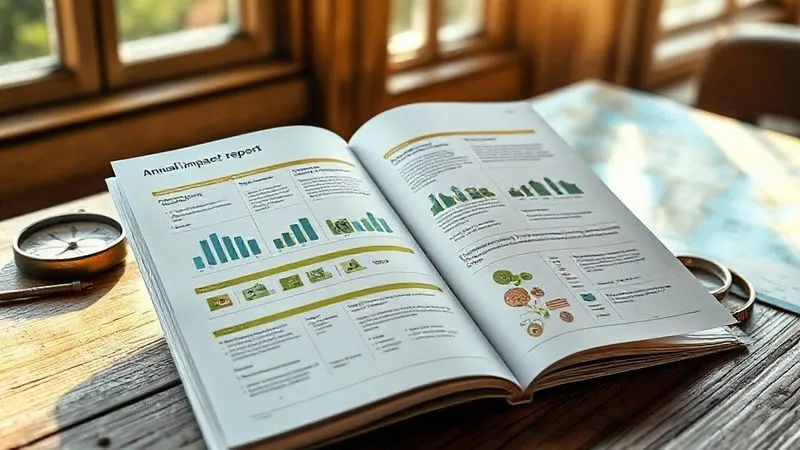
- Publish Detailed Impact Reports: Don't just claim to support local communities or conserve wildlife; show the numbers. How many jobs created? How much revenue directly contributed to conservation? What specific species are you protecting? Be specific, use data, and make these reports easily accessible on your website.
- Disclose Your Supply Chain: From the food served to the accommodations used, detail where your resources come from. Are your partners also aligned with sustainable practices? Transparency here can reveal both your efforts and areas for improvement.
- Share Challenges and Learnings: No operation is perfect. Authenticity comes from acknowledging where you fall short and what steps you're taking to improve. This humanizes your brand and demonstrates a commitment to continuous growth, rather than just presenting a flawless, unattainable image.
- Open Communication Channels: Encourage questions from potential travelers. Have dedicated FAQs, offer direct contact with experts on your team, or even host live Q&A sessions. Show you're not afraid to engage with difficult inquiries.
This level of transparency can feel daunting, but it's the strongest antidote to skepticism. It signals that you have nothing to hide and everything to gain from an informed customer base.
Pillar 2: Substantiate Your Claims – Show, Don't Just Tell
Once you've embraced transparency, the next step is to provide undeniable proof for your eco-claims. Skeptical travelers are looking for evidence, not just assertions. This means leveraging certifications, external audits, and measurable data to back up every promise you make.
According to a recent Statista study on sustainable consumer behavior, over 60% of consumers are willing to pay more for sustainable brands, but only if they trust the claims. Certifications act as a trusted third-party endorsement, significantly boosting credibility.
How to Provide Concrete Evidence for Your Eco-Commitments:
- Obtain Reputable Third-Party Certifications: Seek out globally recognized certifications in sustainable tourism, such as B Corp, Green Globe, or GSTC (Global Sustainable Tourism Council). These are not easy to get, and the process itself demonstrates genuine commitment. Display these prominently on your website and marketing materials.
- Quantify Your Impact with Data: Beyond general statements, provide specific metrics. How much waste have you diverted from landfills? What percentage of your energy comes from renewable sources? How many trees have you planted? Data speaks volumes to an analytical mind.
- Share Audit Results: If you undergo environmental or social audits, consider sharing summarized results. This demonstrates accountability and a willingness to be evaluated by external, impartial bodies.
- Partner with Scientific Organizations: Collaborating with research institutions or conservation NGOs can add scientific rigor to your claims. If you're involved in wildlife monitoring, for example, highlight your partnership with a local university or research center.
These substantiations are your proof points. They transform vague statements into verifiable facts, directly addressing the skepticism that often arises from unsubstantiated marketing.
| Certification | Focus Area | Benefit for Travelers |
|---|---|---|
| GSTC (Global Sustainable Tourism Council) | Broad sustainability criteria (environmental, social, cultural, management) | Globally recognized standard, holistic approach. |
| B Corp Certification | Social and environmental performance, accountability, transparency | Verifies high standards in overall business practices. |
| Green Globe Certification | Environmental performance, community, cultural heritage, quality management | Specific to travel & tourism, comprehensive environmental focus. |
| LEED (Leadership in Energy and Environmental Design) | Green building certification (for accommodations/facilities) | Assures sustainable infrastructure. |
| Fair Trade Tourism | Fair wages, working conditions, community benefits | Guarantees ethical labor and community involvement. |
Pillar 3: Empowering Local Communities – The Human Element of Eco
Authentic eco-adventure isn't just about protecting nature; it's fundamentally about people. Skeptical travelers are increasingly aware that 'eco' can sometimes mean 'exclusionary' if local communities aren't genuinely involved and benefiting. True sustainability integrates social equity with environmental protection.
Demonstrating a profound commitment to the local people – their livelihoods, culture, and empowerment – is a powerful way to build trust and prove your ethical foundation.
Case Study: How 'The Serene Safaris Co.' Built Trust Through Community Empowerment
The Serene Safaris Co., a small operator in East Africa, initially struggled to attract discerning travelers who were wary of 'safari greenwashing'. Many potential clients questioned if their money truly benefited local communities or merely enriched foreign operators. Their marketing, while featuring beautiful wildlife, lacked a compelling human story.
Recognizing this gap, Serene Safaris Co. shifted its strategy. They initiated a comprehensive 'Local First' program. This involved:
- Direct Employment & Training: Prioritizing the hiring and extensive training of local guides, porters, and lodge staff. They established a clear career path, offering language courses and advanced wilderness training.
- Community-Owned Enterprises: Partnering with local women's cooperatives to supply handicrafts, fresh produce, and laundry services to their camps. They provided micro-loans and business mentorship.
- Transparent Revenue Sharing: Publicly disclosing a percentage of tour profits directly allocated to community development projects, such as school infrastructure and healthcare clinics, chosen and managed by local councils. They even published annual reports detailing these contributions.
- Cultural Exchange, Not Exploitation: Designing tours that facilitated respectful cultural immersion, where travelers learned directly from Maasai elders or Hadzabe hunters, ensuring fair compensation for their time and knowledge.
The results were transformative. Local communities became vocal advocates for Serene Safaris Co., their stories becoming the most compelling testimonials. Travelers, seeing the tangible impact and interacting with genuinely empowered locals, became fiercely loyal. Bookings increased by 40% in two years, and their reputation as a truly ethical operator spread organically through word-of-mouth and responsible travel blogs. They effectively answered the 'where does my money go?' question with visible, human-centric proof.
This case study illustrates that genuine community integration is not just a 'nice-to-have'; it's a cornerstone of authentic marketing for eco-adventure tours.

Pillar 4: Crafting Authentic Narratives – Storytelling with Integrity
In a world saturated with polished, often sterile marketing, the power of an authentic story cannot be overstated. Skeptical travelers are wary of hyperbole and aspirational messaging that feels disconnected from reality. They crave genuine narratives that reflect the true spirit of your eco-adventure tours – the challenges, the triumphs, and the real impact.
"Authentic storytelling isn't about fabricating perfection; it's about revealing your journey, your passion, and your purpose with honesty and heart. It's the most powerful currency in building trust."
Your marketing should tell your story, the story of your destinations, and most importantly, the stories of the people and places you impact.
Steps for Developing Compelling, Honest Narratives:
- Harness Traveler Testimonials and Reviews: Encourage and amplify genuine feedback from past clients. Video testimonials where travelers share their personal experiences, including any initial skepticism and how it was overcome, are incredibly powerful. Show, don't just tell, the transformative power of your tours.
- Feature Your Guides and Local Partners: Your team members are the frontline of your authenticity. Share their stories, their passion for conservation, and their deep connection to the land and culture. Humanize your operation by showcasing the people behind the experiences.
- Behind-the-Scenes Content: Offer glimpses into the daily operations, conservation efforts, or community projects that make your tours 'eco'. Show the effort, the challenges, and the dedication involved. This could be short videos, blog posts, or photo essays.
- Focus on the 'Why,' Not Just the 'What': Instead of just listing tour features, explain the underlying philosophy. Why do you choose specific routes? Why do you partner with certain communities? Why is a particular conservation effort so crucial? Connect your actions to a deeper purpose.
- Blog About Your Journey: Use your blog to share updates on your sustainability initiatives, discuss challenges in the industry, or highlight specific conservation successes. This positions you as a thought leader and a transparent operator. For inspiration, consider how leading voices in ethical travel communicate their messages, such as those featured on Forbes Travel's sustainable travel section.
These narratives build an emotional connection and reinforce your claims with lived experiences, making your marketing resonate deeply with skeptical travelers.
Pillar 5: Digital Footprint & Ethical Marketing Channels
Where and how you market your eco-adventure tours online is just as important as the message itself. Skeptical travelers are adept at sniffing out inauthentic advertising. To truly reach them, you need to engage on platforms and through methods that align with your values and respect their intelligence.
Avoid aggressive sales tactics or platforms known for superficial engagement. Instead, focus on building communities and providing value.
Strategies for Engaging Skeptical Travelers Online:
- Engage in Niche Forums and Communities: Seek out online communities dedicated to responsible travel, ethical tourism, or specific eco-adventure niches. Participate genuinely, offering advice and insights rather than just promoting your tours. Build your reputation as an expert and a trusted voice.
- Collaborate with Genuine Responsible Travel Influencers: Forget the mega-influencers whose endorsements often feel bought. Identify smaller, highly credible travel bloggers or content creators who genuinely advocate for sustainable and ethical travel. Their authentic reviews and experiences will carry far more weight than any paid advertisement.
- Leverage Social Proof and User-Generated Content: Encourage travelers to share their experiences using specific hashtags. Repost their authentic photos, videos, and stories. Real people sharing real experiences is the most powerful form of social proof.
- Host Informative Webinars or Q&A Sessions: Offer free online sessions where you discuss topics related to sustainable travel, conservation efforts, or the unique aspects of your destinations. This positions you as an educator and expert, attracting an audience genuinely interested in your mission.
- Invest in SEO for Long-Tail, Value-Driven Keywords: Instead of just 'eco-tours', target phrases like 'responsible travel impact in [destination]', 'ethical wildlife encounters [region]', or 'how to choose a sustainable tour operator'. This attracts travelers who are actively researching and seeking genuine information.
By thoughtfully curating your digital footprint, you can ensure that your marketing reaches the right audience in a way that fosters trust, not cynicism.
Pillar 6: Training Your Team – Every Touchpoint Matters
Your marketing can be perfectly crafted, your certifications impeccable, but if your team on the ground doesn't embody your commitment to authenticity and sustainability, all your efforts can crumble. Every interaction a traveler has – from the initial booking inquiry to the guide leading the trek – is a critical touchpoint that either reinforces or undermines your authentic message.
I've seen firsthand how a single, poorly informed staff member can undo months of careful brand building. Your team members are your brand ambassadors, and their knowledge, passion, and adherence to your values are paramount.
From Guides to Front Desk: Consistency is Key
Comprehensive training ensures that everyone in your organization understands and can articulate your eco-mission, sustainability practices, and community engagement efforts. This isn't just about memorizing facts; it's about internalizing the values.
Essential Training Modules for Your Team:
- Deep Dive into Your Sustainability Policy: Ensure every staff member, from administrative personnel to field guides, understands your specific environmental and social policies. They should be able to explain *why* certain practices are in place (e.g., waste management protocols, water conservation efforts, local sourcing).
- Cultural Sensitivity and Local Engagement: Train staff on respectful cultural interaction, the nuances of local customs, and the importance of empowering local communities. They should be able to explain how your tours benefit locals and facilitate meaningful cultural exchange.
- Handling Skepticism and Difficult Questions: Equip your team with the knowledge and confidence to address traveler concerns about greenwashing, impact, or ethical dilemmas. They should know where to find information, whom to refer questions to, and how to respond transparently and respectfully.
- Emergency Preparedness and Safety Protocols: While not directly 'eco', demonstrating a high level of professionalism and care for traveler safety builds immense trust. A well-prepared team instills confidence in your overall operational integrity.
- Storytelling and Communication Skills: Empower your guides to share authentic stories about the local environment, wildlife, and communities. They are often the primary storytellers for your brand, and their ability to connect with travelers on a deeper level is invaluable.
Continuous training and reinforcement are key. Regularly update your team on new initiatives, challenges, and successes. A well-trained, passionate team is your most powerful marketing asset. This commitment to service excellence aligns with principles discussed in leading customer service resources, such as those found on Harvard Business Review.
Pillar 7: Continuous Improvement & Feedback Loops
Authenticity isn't a destination; it's an ongoing journey. The landscape of sustainable travel is constantly evolving, with new research, best practices, and challenges emerging regularly. Skeptical travelers appreciate operators who are committed to continuous learning, adaptation, and improvement.
Establishing robust feedback loops allows you to listen to your travelers, learn from their experiences, and transparently demonstrate your commitment to getting better. This humility and responsiveness are powerful trust-builders.
"The most authentic brands are not those that claim perfection, but those that openly commit to perpetual progress and genuinely listen to those they serve."
Methods for Collecting Feedback and Demonstrating Improvement:
- Post-Tour Surveys: Implement detailed post-tour surveys that specifically ask about perceptions of your sustainability claims, the authenticity of experiences, and areas for improvement related to your eco-practices. Make these surveys easy to complete and emphasize that feedback directly influences future operations.
- Direct Traveler Interviews or Focus Groups: For a deeper dive, consider conducting interviews or small focus groups with a selection of past travelers. This can yield rich qualitative data that quantitative surveys might miss.
- Staff Feedback Channels: Your guides and local partners are on the front lines. Establish clear channels for them to provide feedback on operational improvements, community relations, and traveler perceptions. They often have the most valuable insights.
- Annual Review and Public Reporting: Commit to an annual review of your sustainability practices and feedback. Publicly report on your progress, including what you've learned, what changes you've implemented, and what your goals are for the coming year. This closes the loop and reinforces your transparency.
- Engage in Industry Best Practices: Stay connected with sustainable tourism organizations and participate in industry conferences. This ensures you're continually adopting new best practices and adapting to evolving standards.
By actively seeking feedback, openly acknowledging areas for growth, and transparently sharing your improvement journey, you'll demonstrate a level of integrity that deeply resonates with skeptical, yet hopeful, travelers.
| Method | Benefits | Considerations |
|---|---|---|
| Post-Tour Surveys | Scalable, quantitative data, easy to compare over time. | Response rates can vary, may lack depth. |
| Direct Interviews/Focus Groups | Rich qualitative data, deep insights into traveler perceptions, builds personal connection. | Time-intensive, smaller sample size. |
| Staff Feedback Channels | Real-time operational insights, empowers employees, identifies issues quickly. | Requires strong internal communication culture. |
| Online Reviews & Social Listening | Unfiltered public sentiment, identifies key themes and concerns. | Can be biased, requires active monitoring and response. |
| Annual Sustainability Audit & Report | Demonstrates accountability, provides structured data for improvement, builds external trust. | Resource-intensive, requires external expertise. |
Frequently Asked Questions (FAQ)
Q: How do I differentiate between genuine eco-tourism and greenwashing when marketing? A: The key lies in substantiation and transparency. Genuine eco-tourism provides measurable data, third-party certifications, and detailed reports on its environmental and social impact. Greenwashing often uses vague terms like 'eco-friendly' or 'sustainable' without providing any verifiable proof. Focus on showing your specific actions, challenges, and results, rather than just making broad claims. Remember, skepticism arises from a lack of proof, so your marketing should be an open book.
Q: What's the best way for a small operator to get reputable third-party certifications without breaking the bank? A: While certifications can have costs, many are scalable. Start by researching certifications like Green Globe or the Global Sustainable Tourism Council (GSTC) criteria. Often, the process itself provides a valuable framework for improving your operations. Consider starting with smaller, more localized certifications or joining industry associations that offer guidance and resources for sustainable practices. Sometimes, simply aligning your practices with these standards and transparently reporting on your efforts can build significant trust, even before full certification. Prioritize impact over a badge if resources are limited, but always work towards external validation.
Q: Can small operators truly compete with larger companies in demonstrating authenticity? A: Absolutely, and often, small operators have an advantage! Authenticity thrives on personal connection, agility, and a deep-rooted passion – qualities often more inherent in smaller, founder-led businesses. Larger companies can struggle with the bureaucracy required for radical transparency. Small operators can offer more personalized stories, direct engagement with founders, and closer ties to local communities, which are incredibly powerful trust-builders. Focus on your unique story, your direct impact, and the genuine relationships you foster.
Q: How do I handle negative reviews or direct skepticism from potential travelers? A: Address it head-on with empathy and transparency. Don't ignore or delete negative feedback. Respond publicly and professionally, acknowledging the concern, explaining your perspective or the steps you've taken to address it, and offering to discuss it further offline. Use negative feedback as an opportunity to demonstrate your commitment to continuous improvement. For direct skepticism, provide the evidence – point them to your impact reports, certifications, or testimonials. Your willingness to engage respectfully, even with criticism, builds immense trust.
Q: What metrics should I track to measure my authentic marketing efforts beyond bookings? A: Beyond direct bookings, track engagement metrics like website dwell time on your sustainability pages, inquiries specifically referencing your eco-credentials, social media sentiment analysis (looking for keywords like 'trust,' 'genuine,' 'impact'), and repeat bookings/referrals (indicating loyalty built on trust). Also, monitor the number of positive testimonials focusing on your authenticity and impact, and the growth of your email list for your sustainability newsletters. These qualitative and quantitative indicators will give you a holistic view of your success in building trust.
Key Takeaways and Final Thoughts
In a world where skepticism is rampant, learning how to authentically market eco-adventure tours to skeptical travelers isn't just a marketing strategy; it's a fundamental shift in how you operate and communicate. It demands courage, consistency, and an unwavering commitment to your core values. As an industry veteran, I can tell you that the rewards for this genuine approach are profound: not just bookings, but lasting loyalty, passionate advocacy, and a business built on integrity.
- Radical Transparency: Openly share your operations, challenges, and successes.
- Substantiate Your Claims: Back up every promise with certifications, data, and measurable impact.
- Empower Local Communities: Integrate and uplift local people as core to your mission.
- Craft Authentic Narratives: Tell your story with honesty, showing the real journey and impact.
- Ethical Digital Footprint: Engage on platforms and through methods that build trust, not cynicism.
- Train Your Team: Ensure every staff member embodies and articulates your eco-mission.
- Continuous Improvement: Embrace feedback loops and openly commit to perpetual progress.
Remember, skeptical travelers aren't your adversaries; they are discerning allies seeking to make a positive impact through their travel choices. By embracing these seven pillars, you're not just selling a tour; you're inviting them to be part of a genuine movement. This isn't just good for business; it's good for the planet and its people. Go forth, build trust, and inspire meaningful adventures.
Recommended Reading
- 7 Steps: Crafting Bespoke Après Ski for Corporate Winter Retreats
- Maximize Language Gain: 7 Strategies for Short Cultural Trips
- Lightweight Camera for Nature? 7 Essential Setups for Remote Expeditions
- Unlock the Secrets: What to Wear for Formal Dining at Luxury Resorts
- 7 Strategic Ways Busy Parents Boost Educational Family Trip Impact



Your email address will not be published. Required fields are marked *