

How to Maximize Educational Impact on Family Trips for Busy Parents?
For over two decades in the family travel sector, I've observed a common dilemma that many dedicated parents face: the desire to transform family vacations into profound educational experiences, often clashing with the relentless demands of a busy schedule. I've witnessed countless families return from incredible destinations feeling a mix of joy and a tinge of regret, wondering if they truly harnessed the full learning potential of their journey.
It's a familiar scenario: you’ve meticulously planned a trip, hoping for enriching moments, but the reality of juggling logistics, managing children's energy levels, and simply trying to relax often pushes the 'educational' aspect to the back burner. The guilt of missed learning opportunities can overshadow the joy of shared memories, leaving parents feeling like they've fallen short.
But what if I told you that maximizing educational impact on family trips, even for the busiest of parents, isn't about adding more to your plate, but rather about intentionality, strategic planning, and embracing a different mindset? In this definitive guide, I will share actionable frameworks, real-world case studies, and expert insights that empower you to weave meaningful learning seamlessly into every family adventure, transforming good trips into genuinely great ones.
1. The Art of Intentional Pre-Trip Planning: Setting the Stage for Learning
The foundation of any impactful educational trip isn't laid at the destination; it's built long before you even pack your first suitcase. As an industry specialist, I've seen that the most successful educational family trips begin with thoughtful, intentional pre-trip planning that actively engages every family member.
Involving Children in Research: Sparking Curiosity Early
One of the most powerful strategies to maximize educational impact on family trips for busy parents is to involve your children in the planning process. This isn't just about picking a destination; it's about fostering ownership and curiosity. When children contribute to the research, they become invested learners, not just passive participants.
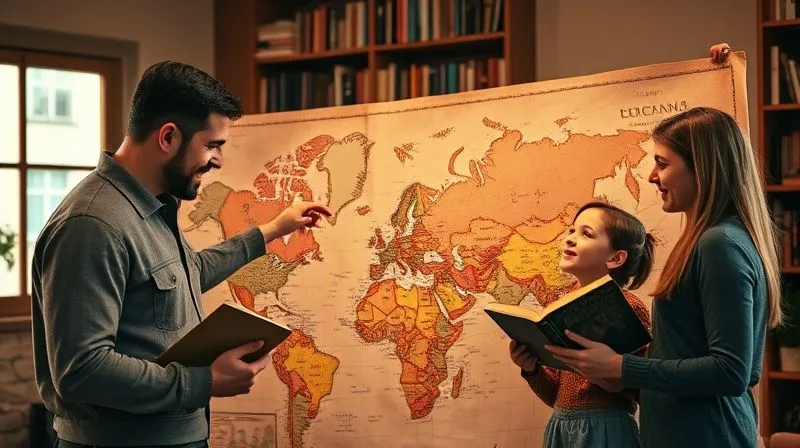
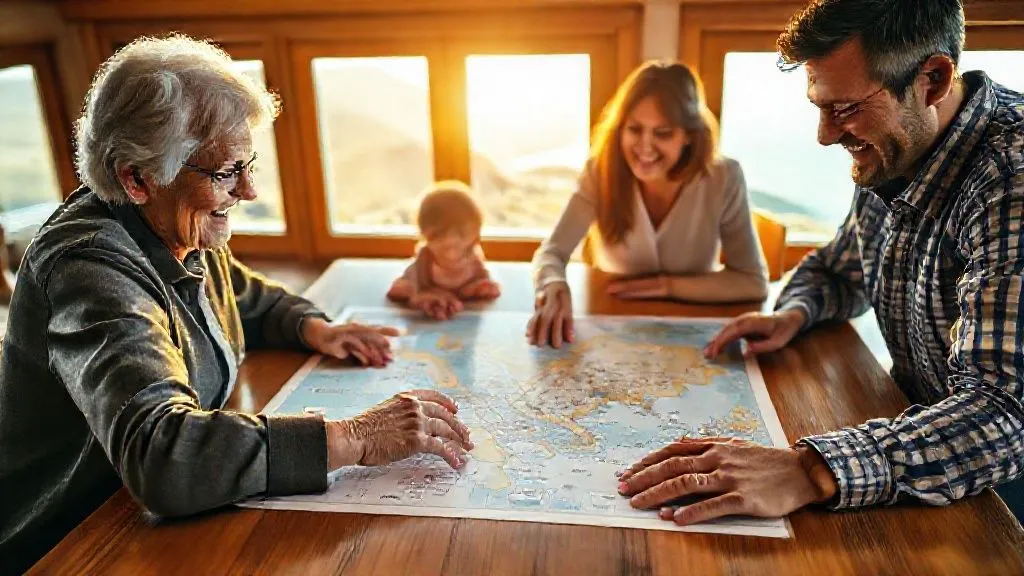
- Collaborative Brainstorming: Start by presenting a few destination options and discuss what each offers. Use maps, books, and child-friendly documentaries to ignite their imagination.
- Assign Research Tasks: Give each child a specific aspect to research. For example, one might research local wildlife, another historical landmarks, and a third, local cuisine.
- Create a 'Learning Journal' Prompt: Encourage them to jot down questions they have about the destination. What do they want to discover? What are they most excited to learn?
- Utilize Digital Resources: Guide them to age-appropriate websites, virtual museum tours, or educational apps related to your destination.
Crafting a Learning Lens for Each Destination
Every destination, from a bustling city to a tranquil national park, offers unique learning opportunities. Your role as a parent is to identify these and frame them as a 'learning lens' for the trip. This lens helps focus your activities and discussions, ensuring that even seemingly simple outings contribute to a broader educational theme.
Expert Insight: "A trip without a learning lens is like a camera without a focus. You might capture many images, but few will be truly sharp or meaningful. Define your educational goals early to ensure clarity and depth."
For instance, a trip to Washington D.C. could focus on American history and civics, while a visit to the Grand Canyon could center on geology, indigenous cultures, and environmental conservation. This doesn't mean rigidly adhering to a schedule, but rather having a thematic anchor for your explorations.
2. Curating Experiences, Not Just Sightseeing: Quality Over Quantity
Busy parents often feel the pressure to see and do everything when traveling. However, when it comes to maximizing educational impact, less is often more. The key lies in curating experiences that foster deep engagement rather than simply ticking off a list of attractions.
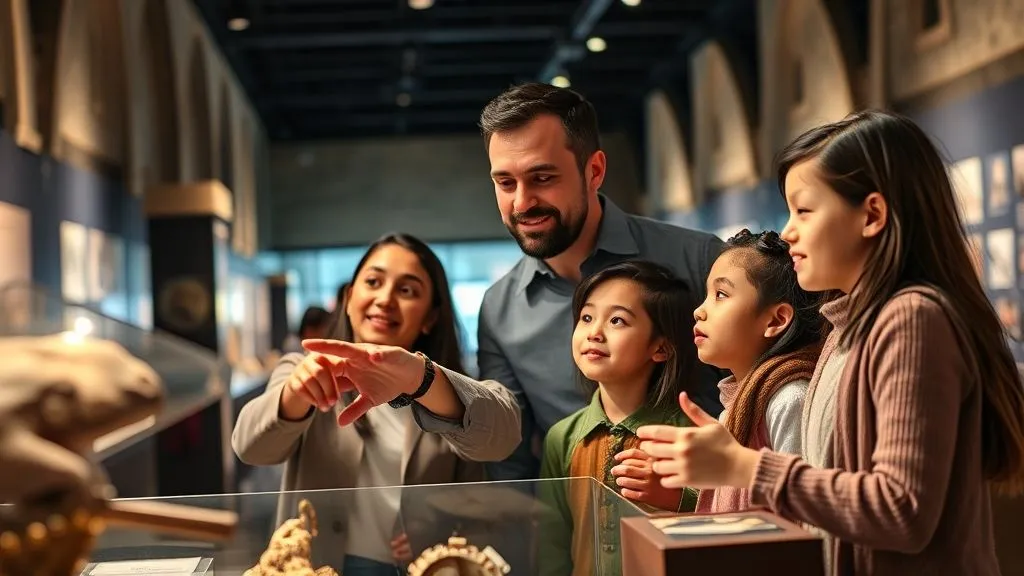
I've consistently advised families to prioritize quality over quantity. Instead of rushing through five museums, consider spending a full day at one, allowing for unhurried exploration, reflection, and interaction. This approach transforms passive observation into active learning.
- Prioritize Interactive Sites: Seek out museums, historical sites, or natural parks that offer hands-on exhibits, guided tours designed for children, or ranger-led programs. These create immediate engagement.
- Allocate Ample Time: Resist the urge to pack your itinerary. Allow for spontaneous discoveries, extended conversations, and simply soaking in the atmosphere. Rushing diminishes learning.
- Connect Experiences to Pre-Trip Research: Continuously refer back to the questions and topics your children researched. "Remember when you looked up how the Romans built aqueducts? Now we're seeing one!"
Case Study: The Miller Family's Roman Adventure
The Miller family, with two children aged 9 and 12, initially planned a whirlwind tour of Rome, aiming to visit every major landmark in four days. After consulting with me, they shifted their strategy to maximize educational impact. Instead of five quick stops, they chose three immersive experiences.
Their focus became the Roman Forum and Colosseum. They hired a family-friendly guide for a half-day tour, which brought the ancient ruins to life with stories and interactive questions. The next day, they visited the Colosseum again, armed with sketchbooks and historical fiction books they'd read pre-trip. They spent hours drawing, imagining, and discussing. This deep dive, rather than a superficial glance, allowed for genuine understanding and lasting memories, far surpassing the educational value of a rushed itinerary.
Expert Insight: "The most profound learning happens when children are given the space to interact, question, and reflect. Don't just show them; let them experience it."
3. Leveraging "Micro-Learning Moments" Throughout the Journey
For busy parents, the idea of formal 'lessons' on vacation can feel overwhelming. This is where the concept of 'micro-learning moments' becomes invaluable. These are brief, spontaneous opportunities for learning that arise naturally throughout your trip, requiring minimal effort but yielding significant educational dividends.
I've often emphasized that learning doesn't only happen in museums or historical sites. It occurs on the bus, during meal times, or while waiting in line. These small, consistent interactions build a rich tapestry of knowledge.
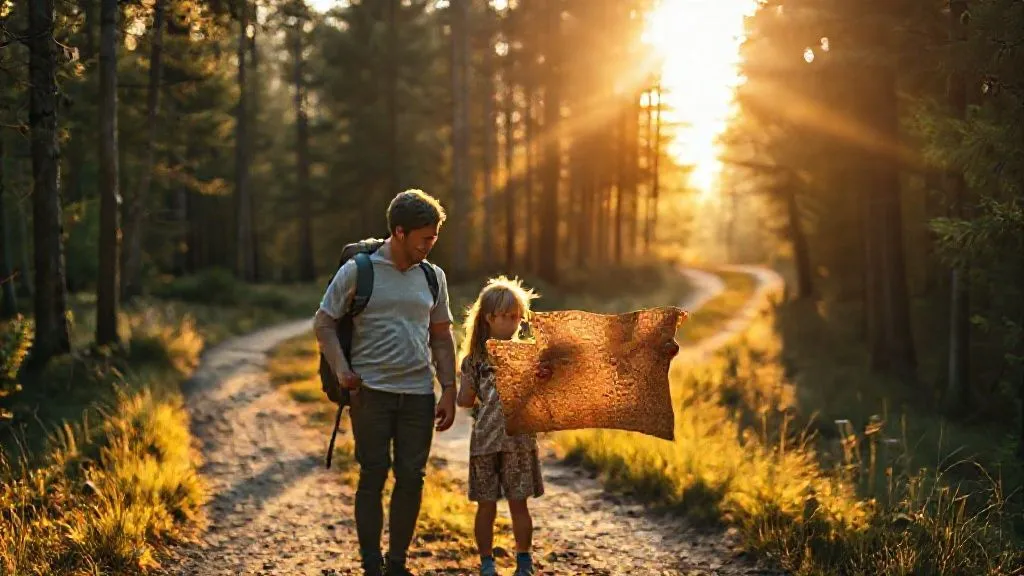
- Reading Maps: Involve children in navigating using physical maps. Discuss cardinal directions, scale, and landmarks.
- Observing Local Life: Point out unique architecture, local transportation, or cultural customs. Ask 'why do you think they do that?' questions.
- Analyzing Menus: Translate foreign words, discuss ingredients, or learn about regional dishes.
- Counting and Budgeting: Involve older children in simple currency conversions or tracking daily expenses.
- Storytelling: Create narratives around what you see. "Imagine what it was like for people to live here 200 years ago."
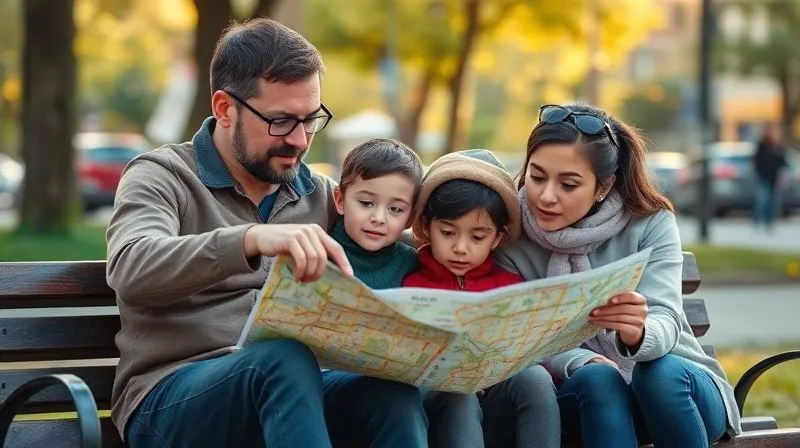
These micro-learning moments are easy to integrate and don't require extensive planning, making them perfect for busy parents. They keep the learning continuous and organic, preventing information overload.
The Power of On-the-Go Discussions
Casual conversations are perhaps the most underrated tool for educational travel. These discussions, sparked by something you see or experience, allow children to process information, ask questions, and form their own conclusions. They are the bedrock of critical thinking and memory retention.
I encourage parents to embrace the 'I wonder why...' or 'What do you think about...' questions. Don't feel pressured to have all the answers. Sometimes, the most valuable learning comes from exploring questions together.
| Micro-Learning Activity | Educational Benefit | Time Commitment |
|---|---|---|
| Map Reading | Spatial reasoning, navigation skills, geography | 5-10 minutes per instance |
| Cultural Observation | Cultural awareness, empathy, critical thinking | 2-5 minutes per instance |
| Budgeting/Currency | Math skills, financial literacy | 5-10 minutes per transaction |
| Storytelling/Imagineering | Creativity, historical empathy, language development | Variable, ongoing |
4. Integrating Technology Thoughtfully: Tools for Enhanced Learning
In our digital age, technology can be a powerful ally in maximizing educational impact on family trips for busy parents, rather than a distraction. The key is thoughtful integration: using devices to enhance learning, not replace it. I've seen how a well-chosen app or a timely video can transform a static experience into a dynamic one.
Instead of banning screens, consider how they can serve as educational tools. This approach can alleviate parental stress by providing engaging content that aligns with your trip's learning objectives.
- Augmented Reality (AR) Apps: Many historical sites and museums now offer AR apps that overlay historical reconstructions onto current ruins, bringing the past to life right before your eyes.
- Educational Podcasts/Audio Tours: Download podcasts or audio guides tailored for children about your destination's history, culture, or natural environment. Listen during travel time or while exploring.
- Translation Apps: Break down language barriers and encourage basic communication with locals. This fosters cultural understanding and practical language skills.
- Interactive Learning Games: Utilize apps that turn facts about your destination into engaging games, perfect for downtime in transit.
For example, apps like Google Arts & Culture offer virtual tours and detailed information about countless historical and artistic landmarks worldwide, providing valuable context before or during your visit. You can explore Google Arts & Culture for inspiration.
Balancing Screen Time with Real-World Engagement
While technology offers immense educational potential, it's crucial to strike a balance. The goal is to use technology to augment, not replace, direct interaction with the environment and people. I recommend setting clear boundaries and designated 'tech-free' times.
Expert Insight: "Technology should be a window to the world, not a wall. Use it to open up new perspectives, but ensure children still look out the actual window."
Encourage children to use their devices for research or documentation (e.g., taking photos for a travel journal) and then put them away to engage with the real world. This teaches responsible technology use while enhancing their learning journey.
5. Documenting and Reflecting: Solidifying the Learning Experience
The educational impact of a trip doesn't end when you return home; it continues to grow through documentation and reflection. For busy parents, this might seem like an extra chore, but I assure you, these steps are crucial for cementing memories and learning outcomes.
Without a mechanism for reflection, much of the valuable information and experiences can fade. Documentation provides a tangible record, while reflection allows for deeper processing and understanding.
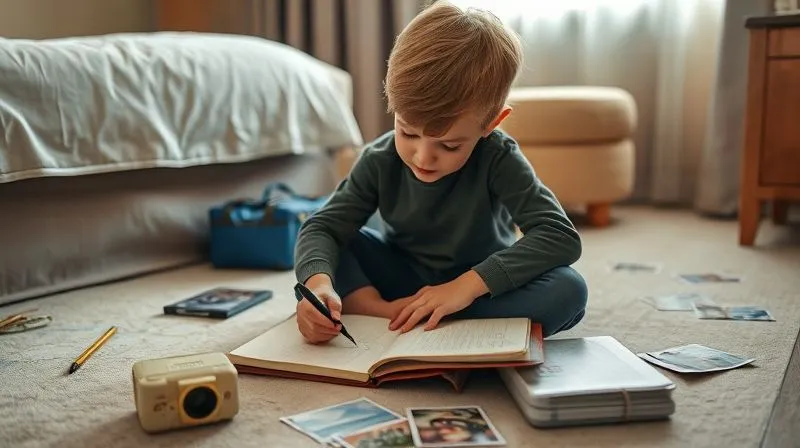
- Travel Journals/Sketchbooks: Encourage children to write, draw, or paste mementos into a personal travel journal each day. This can be as simple as a few sentences or a quick sketch.
- Photo Essays/Videos: Have children take photos or short video clips of things that interested them. Post-trip, they can compile these into a digital album or a short video narrative.
- Souvenir Collection with Stories: Instead of just buying trinkets, encourage children to select souvenirs that represent a specific learning experience or memory, and then tell its story.
Post-Trip Reflection and Project-Based Learning
Once back home, dedicate some time to revisit the trip. This doesn't have to be an arduous task; even a weekly 'travel talk' over dinner can be effective. Consider a small, project-based activity to solidify learning.
For example, if your trip focused on marine life, your child could create a poster about a specific sea creature they learned about. If it was historical, they might write a short story from the perspective of someone living in that era. These projects reinforce knowledge in a creative and engaging way. The National Geographic Kids website offers a wealth of ideas for project-based learning inspired by travel.
6. The 'Unscheduled' Curriculum: Embracing Spontaneity and Local Culture
In my experience, some of the most profound educational moments on family trips happen unexpectedly, outside of the planned itinerary. For busy parents, it's easy to stick to a rigid schedule, but allowing for spontaneity and genuine interaction with local culture can significantly amplify educational impact.
These unplanned encounters teach flexibility, adaptability, and offer authentic insights that no guidebook can fully capture. It's about being present and open to the learning opportunities that naturally arise.
- Embrace Detours: If you see an interesting local market or a small, intriguing museum not on your list, consider a spontaneous stop.
- Engage with Locals: Encourage polite interactions. Ask about local customs, history, or daily life. These personal connections are invaluable.
- Participate in Local Traditions: If there's a local festival, a cooking class, or a traditional craft workshop, consider joining in. Hands-on cultural immersion is incredibly powerful.
- Observe and Discuss: Simply sitting in a park or plaza and observing local life can lead to rich discussions about cultural differences and similarities.
Engaging with Locals: A True Cultural Immersion
True educational travel goes beyond seeing monuments; it involves understanding people. Encouraging your children to interact respectfully with locals, even if through simple gestures or a few translated words, builds empathy and global awareness. This is a crucial aspect of maximizing educational impact on family trips for busy parents, as it fosters skills beyond academic knowledge.
Expert Insight: "The most valuable souvenirs are not objects, but the stories and connections made with the people who call a place home. These are the lessons that last a lifetime."
These interactions teach invaluable social skills, cultural sensitivity, and a broader understanding of the world – lessons that are often more impactful than any textbook fact. It's about fostering global citizens.
7. Busy Parent Hacks: Time-Saving Strategies for Educational Travel
I understand that the primary challenge for many parents is time. The good news is that maximizing educational impact doesn't require endless hours of preparation. It's about smart, efficient strategies. Here are some 'hacks' I've shared with countless busy families over the years.
These strategies streamline the process, allowing you to focus on the experience itself rather than getting bogged down in logistics, making it easier to maximize educational impact on family trips for busy parents.
- Leverage 'Done-for-You' Resources: Many destinations offer family-friendly guides, activity books, or educational packets specifically designed for children. Seek these out.
- Pre-book Everything: For busy attractions, pre-booking tickets with specific time slots saves hours of waiting, allowing more time for learning and exploration.
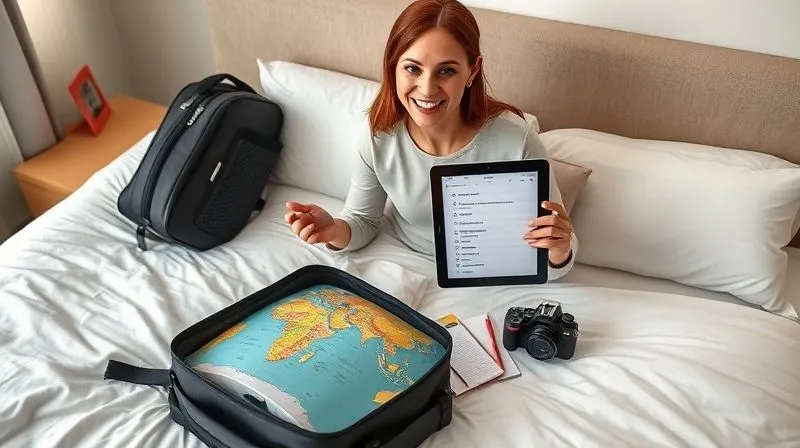
- Pack Smartly: A well-organized bag with essential learning tools (e.g., small notebook, pencils, a relevant book) can make spontaneous learning moments easier.
- Delegate Tasks: Involve older children in trip responsibilities, such as managing a specific day's itinerary or photographing key landmarks. This builds responsibility and engagement.
- Batch Planning: Instead of daily planning, dedicate one hour each week for a month before the trip to plan educational elements. Break it into manageable chunks.
| Pre-Trip Task | Time Allocation | Frequency |
|---|---|---|
| Research 3-5 key learning points | 30 minutes | Once, 2-3 weeks out |
| Involve kids in one research task | 15 minutes | Once, 1 week out |
| Download educational apps/podcasts | 20 minutes | Once, before departure |
| Review day's learning over dinner | 10-15 minutes | Daily |
| 1-2 reflection activities (e.g., photo album) | 1 hour total | Within 2 weeks of return |
Remember, the goal is not perfection, but progress. Even small, consistent efforts to integrate learning will yield significant results over time. For more structured insights on efficient planning, consider resources from reputable travel psychology research, such as those found in academic journals on experiential learning and tourism.
Frequently Asked Questions (FAQ)
Q: How can I ensure my children don't feel like they're 'doing school' on vacation? A: The key is to make learning feel organic and fun. Frame activities as 'discoveries' or 'adventures' rather than lessons. Involve them in choices, use interactive methods, and prioritize their interests. Remember, play is a powerful form of learning, so integrate games and creative expression. If it feels like a chore, they'll disengage.
Q: What if my children have different interests and age levels? How do I cater to both? A: This is a common challenge. I recommend finding overarching themes that appeal to both (e.g., 'ancient civilizations' vs. 'dinosaurs'). Then, within that theme, identify specific activities or resources tailored to each child. For instance, at a museum, one might focus on a scavenger hunt while the other engages with an audio guide. Also, encourage sibling collaboration on shared projects.
Q: We travel spontaneously without much planning. Can we still maximize educational impact? A: Absolutely! Spontaneity can lead to some of the richest learning. Focus on 'micro-learning moments' – observing local life, engaging in conversations, reading signs, discussing discoveries. Carry a small notebook for observations. The 'unscheduled curriculum' is powerful; it teaches adaptability and keen observation skills.
Q: How do I manage screen time effectively when using technology for learning? A: Set clear expectations before the trip. Designate specific times or purposes for screens (e.g., research, translation, specific educational games). Emphasize that technology is a tool to enhance the real-world experience, not replace it. Encourage them to share what they've learned from their screens with the family.
Q: What if my children are resistant to educational activities during the trip? A: Resistance often stems from feeling forced or overwhelmed. Re-evaluate if the activities are age-appropriate and genuinely engaging. Offer choices rather than mandates. Sometimes, the best approach is to step back, allow for free play, and let their natural curiosity guide them. Learning doesn't always look like a classroom; it can be playing in a local park and observing nature.
Key Takeaways and Final Thoughts
As an experienced industry specialist in family travel, I've seen firsthand that maximizing educational impact on family trips for busy parents isn't a pipe dream; it's an achievable reality with the right approach. It’s about being intentional, strategic, and empathetic to both your schedule and your children’s natural curiosity. The journey itself is the classroom, and every moment holds a lesson waiting to be discovered.
- Plan with Purpose: Involve children early and define a 'learning lens' for each trip.
- Prioritize Quality: Choose fewer, more immersive experiences over a packed itinerary. Embrace Micro-Learning: Leverage spontaneous moments for quick, impactful lessons.
- Integrate Tech Wisely: Use digital tools to enhance, not replace, real-world engagement.
- Document and Reflect: Solidify learning through journals, photos, and post-trip projects.
- Value Spontaneity: Allow for unplanned discoveries and local interactions.
- Utilize Smart Hacks: Employ time-saving strategies to make educational travel manageable.
You have the power to transform your family vacations from mere sightseeing into profound, memory-rich learning adventures. Trust in your expertise as a parent, lean into these proven strategies, and watch as your children not only see the world but truly understand and appreciate it. Happy travels, and happy learning!
Recommended Reading
- 7 Urgent Strategies: Find Business-Appropriate Budget Lodging Fast
- Closing Deals: 5 Strategic Steps for Luxury Gourmet Dining Success
- Master Winter Sports Safety: Your Guide to Preventing Common Injuries
- Space Tourism: How to Ethically Handle the Environmental Impact?
- CFO Buy-In: 7 Ways to Justify Higher Sustainable Train Travel Costs


Your email address will not be published. Required fields are marked *