


How to avoid national park overcrowding with young kids?
For over two decades in the family travel space, I've seen the magic and the mayhem of national parks. There’s an undeniable allure to these natural wonders, a promise of adventure and connection that calls to parents like us, eager to share the grandeur of the wilderness with our little ones. I've guided countless families through the planning pitfalls and triumphs, understanding intimately the unique challenges that arise when you combine iconic landscapes with the unpredictable energy of young children.
However, the dream of serene family moments amidst natural grandeur often collides with the reality of packed parking lots, congested trails, and long lines for popular viewpoints. This isn't just an inconvenience; for families with young kids, overcrowding can quickly turn a highly anticipated adventure into a stressful ordeal, leading to meltdowns, exhaustion, and a diminished sense of wonder. The very essence of what we seek in these parks – peace, connection, and discovery – can be lost in a sea of fellow visitors.
Through this guide, I'll share battle-tested strategies, born from years of guiding families and my own experiences, on how to avoid national park overcrowding with young kids. We'll move beyond generic advice, diving into actionable frameworks, real-world scenarios, and expert insights that will empower you to craft a truly memorable and surprisingly peaceful national park experience for your family. Prepare to reclaim the magic, one strategic step at a time.
Understanding the "Why": The Lure and the Challenge of National Parks with Young Kids
National parks offer an unparalleled classroom for young minds. The vastness of the landscapes, the diversity of wildlife, and the sheer power of nature provide sensory experiences that screens simply cannot replicate. For children, these parks are giant playgrounds, full of hidden treasures, new sounds, and endless opportunities for exploration and imaginative play. Parents, myself included, yearn to instill a love for nature and a sense of stewardship in our kids, and national parks are the perfect stage for this.
Yet, this shared desire for connection to nature has led to an explosion in popularity. While wonderful for conservation, it creates a significant logistical challenge for families. Young children have a limited tolerance for waiting, large crowds, and sensory overload. A crowded trail means less space for them to wander, more potential for getting separated, and an increased likelihood of frustration. A packed viewpoint means they can't see over the heads of adults, losing the very perspective you brought them to experience.
"The true joy of family travel in nature isn't about checking off every famous landmark; it's about the unhurried moments of shared discovery, the quiet observations, and the freedom to simply be. Overcrowding steals these precious opportunities."
The challenges are multi-faceted:
- Patience Threshold: Young kids have minimal patience for queues, slow-moving lines, or waiting for a turn at a popular spot.
- Safety Concerns: In dense crowds, it's easier to lose sight of a child, raising safety anxieties.
- Sensory Overload: Noise, constant movement, and too many people can quickly overwhelm sensitive young nervous systems.
- Limited Views: Children are often too short to see over crowds at scenic overlooks, diminishing their experience.
- Bathroom Breaks: Long lines for facilities become an urgent problem with toddlers.
Understanding these specific pain points is the first step in formulating effective strategies to mitigate them, ensuring your family's national park adventure remains joyful and enriching.
Strategic Timing: The Golden Rule for Avoiding Crowds
In my two decades of experience, if there's one piece of advice that consistently delivers results in avoiding national park overcrowding with young kids, it's this: timing is everything. The vast majority of visitors flock to parks during predictable peak periods, and by simply shifting your visit, you can dramatically alter your experience from chaotic to calm.
Shoulder Seasons are Your Best Friend
Forget summer holidays and spring break if you're truly aiming for tranquility. The shoulder seasons – late spring (April-May) and early fall (September-October) – offer a sweet spot. The weather is often pleasant, many facilities are still open, and the throngs of peak-season visitors have yet to arrive or have already departed. You'll find trails less congested, parking more available, and a more relaxed atmosphere overall. Plus, the natural beauty often peaks during these times, with wildflowers in spring or vibrant foliage in autumn.
Weekdays vs. Weekends: A Stark Contrast
This might seem obvious, but its impact cannot be overstated. Weekends, especially long holiday weekends, are when parks experience their highest visitation. If your schedule allows, plan your park visits for Tuesdays, Wednesdays, or Thursdays. You'll be amazed at the difference in crowd levels, even at the most popular parks. This simple shift can make a monumental difference in your family's ability to freely explore and enjoy the natural surroundings without constant jostling.
| Visit Period | Crowd Level | Kid Experience | Best For Families |
|---|---|---|---|
| Peak Season (Summer, Holidays) | Extremely High | Stressful, Limited Views, Long Waits | No, unless extremely strategic |
| Shoulder Season (Spring/Fall) | Moderate to Low | Enjoyable, More Space, Shorter Waits | Yes, ideal |
| Off-Season (Winter) | Very Low | Unique, Cold, Limited Access | Potentially, with proper gear and research |
Beyond the Main Loop: Unearthing Hidden Gems and Less-Traveled Trails
Most national park visitors, especially first-timers, gravitate towards the most famous viewpoints and well-trodden trails. This creates predictable choke points. To truly master how to avoid national park overcrowding with young kids, you must be willing to venture slightly off the beaten path, even within popular parks. This doesn't mean tackling strenuous backcountry hikes; it means seeking out less-publicized but equally beautiful alternatives.
Pre-Trip Research: Digging Deeper
Before you even leave home, dedicate time to thorough research beyond the park's main website. Look for blogs from local hikers, specialized family travel forums, and even academic papers on park usage patterns. These sources often reveal trails that are equally scenic but receive a fraction of the foot traffic. I've often found success by searching for 'quiet trails [Park Name]' or 'less crowded hikes for kids [Park Name]'.
- Consult detailed topographic maps: These often show lesser-known trails not highlighted on general park maps.
- Read recent trail reports: Look for mentions of quiet areas or less popular access points.
- Utilize online forums: Engage with experienced park visitors who might share insider tips.
- Look for trails marked 'strenuous' for adults, but perhaps 'moderate' for older kids: These often deter casual visitors, leaving them quieter.
Engage with Rangers and Local Experts
Upon arrival, your first stop should be a visitor center, but not just for a map. Engage the park rangers! They are an invaluable resource, often privy to real-time crowd information and expert on the park's lesser-known nooks. Ask them directly: "We're looking for a quiet, family-friendly trail that isn't too crowded right now. Any hidden gems you'd recommend?" Their knowledge can lead you to truly peaceful experiences.
Mastering the Early Bird & Night Owl Strategy
Beyond choosing the right season and weekday, the specific time of day you visit key attractions is paramount. The vast majority of park visitors arrive between 10 AM and 3 PM. By adjusting your schedule to arrive before or after this peak window, you can experience popular spots with significantly fewer people, making it much easier to enjoy the views and keep young kids engaged.
The Sunrise Advantage
I cannot stress enough the magic of a national park at sunrise. The soft, golden light paints the landscape in an entirely different hue, and the air is crisp and quiet, often filled with the sounds of awakening wildlife. Most importantly, you'll have many iconic viewpoints almost entirely to yourselves. Yes, it requires an early start, which can be a challenge with young kids, but the payoff is immense. Pack breakfast to eat at a scenic overlook, and bring warm layers. The kids will likely be energized by the novelty of being up before everyone else.
- Enjoy unparalleled photo opportunities: Capture stunning family photos without strangers in the background.
- Experience wildlife viewing: Animals are often most active during dawn and dusk.
- Beat the heat: Especially important in desert parks during warmer months.
- Secure prime parking: Avoid the frustration of circling for a spot.
Embracing the Evening Calm
Similarly, the late afternoon and early evening hours, as the sun begins to dip, offer another window of opportunity. As day-trippers head out, the crowds thin considerably. This is a fantastic time to revisit a popular spot you couldn't fully enjoy earlier or to embark on a short, scenic walk. The light is beautiful for photography, and the cooler temperatures are often more comfortable for little legs.
Case Study: The Smith Family's Glacier Adventure
The Smith family, with their two children (ages 4 and 6), desperately wanted to experience Glacier National Park's iconic Going-to-the-Sun Road without the notorious summer crowds. Instead of joining the mid-morning rush, they committed to an 'early bird' strategy. Each day, they packed a substantial breakfast and aimed to be at their first trailhead or scenic pullout by 7:00 AM. For example, they visited the Hidden Lake Overlook trail, usually packed by 9 AM, at 7:15 AM. They encountered only a handful of other hikers, allowing their children to freely explore and spot mountain goats without feeling rushed or overwhelmed. By noon, when the crowds started to build, they transitioned to less popular, shorter trails near their accommodation or enjoyed a picnic by a quieter lake. This approach transformed what could have been a frustrating experience into a series of peaceful, memorable adventures, demonstrating how to avoid national park overcrowding with young kids effectively.
Leveraging Technology: Apps and Real-time Data for Smarter Exploration
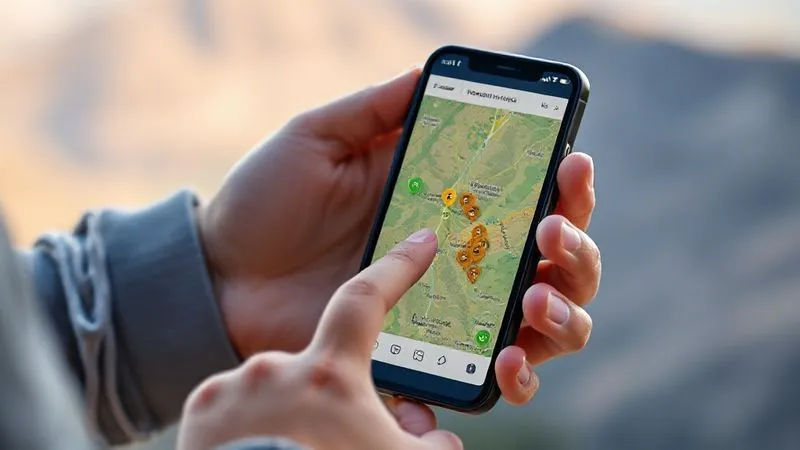
In the age of information, technology can be a powerful ally in your quest to avoid national park overcrowding with young kids. Many parks, and even third-party developers, offer tools that provide real-time insights into crowd levels, parking availability, and trail conditions. Ignoring these resources is like trying to navigate without a map.
Official Park Apps and Websites
The National Park Service (NPS) has made significant strides in providing digital resources. Many individual parks now have dedicated apps that offer offline maps, points of interest, ranger program schedules, and crucially, real-time alerts or crowd estimates. Before your trip, download the relevant park app and familiarize yourself with its features. Check the park's official website frequently for 'Current Conditions' pages, which often include parking lot statuses and road closures. For general information and planning, the official National Park Service website is an indispensable starting point.
Real-time Crowd Trackers and Webcams
Beyond official sources, some parks, especially the most popular ones, have webcams strategically placed at key entrances or viewpoints. These aren't just for scenic beauty; they offer a live glimpse into current crowd levels. A quick check of a webcam can inform your decision to head to a different area if a particular spot looks too congested. Furthermore, some private apps or local tourism boards have started to aggregate real-time data, using sensors or anonymized cell phone data to provide crowd predictions or current density maps. While not always perfect, these tools can offer valuable guidance in making on-the-fly decisions to reroute and find quieter spots.
The Art of the Advance Plan: Permits, Reservations, and Dynamic Itineraries
Spontaneity is a luxury rarely afforded to families seeking to avoid national park overcrowding with young kids in today's most popular destinations. A well-crafted advance plan, though it sounds restrictive, actually grants you more freedom by securing your access and providing flexibility. I've learned that a structured approach is the bedrock of a stress-free family park visit.
Navigating Reservation Systems
Many of the most popular national parks have implemented reservation systems for vehicle entry, specific trailheads, or popular attractions (like timed entry to Arches National Park or the Going-to-the-Sun Road in Glacier). These systems are designed specifically to manage crowds. Failing to secure the necessary permits in advance is a guaranteed way to be turned away, regardless of how early you arrive. It’s crucial to:
- Identify Required Reservations: Check the official park website months in advance for any permit or timed-entry requirements.
- Understand Release Dates: Permits are often released on specific dates and times, sometimes months in advance. Set reminders!
- Have Backup Plans: If you can't get your first choice, research what alternatives are available that don't require reservations.
- Consider Lottery Systems: Some popular hikes (e.g., The Wave) use lotteries. Understand the process and apply if interested.
Building a Flexible Itinerary
While advance planning is critical, rigidity is the enemy of family travel. Your itinerary should be a living document, not carved in stone. Kids get tired, weather changes, and unexpected opportunities arise. I always advise families to build in ample downtime and have several 'Plan B' options for each day. If a trail is unexpectedly crowded, or a child needs a nap, you need to be able to pivot without stress.
"A truly successful national park itinerary for families isn't about ticking boxes; it's about creating space for wonder, even when plans shift. Embrace the unexpected detour; it often leads to the most cherished memories."
Consider a framework where you have one primary activity planned for the morning, and then a list of secondary, less-crowded options for the afternoon. This adaptability is key to how to avoid national park overcrowding with young kids while maintaining a happy family dynamic. For more insights on flexible planning, consider articles from leading business publications like Harvard Business Review on strategic agility, which can be surprisingly applicable to travel planning.
Embracing the "Slow Travel" Mindset: Quality Over Quantity with Little Explorers
One of the biggest mistakes I see families make when visiting national parks is trying to do too much. The desire to see every iconic viewpoint and hike every famous trail is understandable, but with young children, this "checklist" approach almost guarantees exhaustion, frustration, and ultimately, a less meaningful experience. The secret to how to avoid national park overcrowding with young kids and truly enjoy it lies in embracing a slower pace.
Pacing Your Day
Forget the idea of cramming multiple major attractions into a single day. Young children need frequent breaks, opportunities for unstructured play, and time to simply absorb their surroundings. Instead of rushing from one photo op to the next, allocate generous time for each activity. If you're on a trail, allow them to stop and examine a cool rock, watch a squirrel, or simply sit on a bench and take it all in. These seemingly small moments are often the most profound for a child.
- Prioritize 1-2 key activities per day: Focus on depth over breadth.
- Build in rest time: Afternoon naps or quiet reading time back at camp/lodge are crucial.
- Pack engaging distractions: Small toys, sketchbooks, or nature scavenger hunt lists can keep kids happy during downtime or slow moments.
- Stay flexible: Be ready to cut an activity short if little legs or spirits are flagging.
By slowing down, you naturally avoid the rush and flow with the crowds, rather than against them. You'll find that the less-traveled paths become more appealing, and the pressure to "see it all" dissipates, allowing genuine connection with nature and each other.

Alternative Adventures: Exploring Adjacent Public Lands and Gateway Towns
When thinking about how to avoid national park overcrowding with young kids, it's easy to focus solely on what happens *inside* the park boundaries. However, a significant part of a successful strategy involves looking *outside* those boundaries. Many national parks are surrounded by vast tracts of public lands – National Forests, Bureau of Land Management (BLM) lands, or state parks – which offer similar natural beauty and recreational opportunities with a fraction of the crowds.
National Forests and BLM Lands
These lands are often adjacent to, or even intermingled with, national parks. They offer extensive trail networks, camping opportunities, and stunning scenery, but with far fewer regulations and significantly less visitation. For example, if you're visiting Yellowstone, consider exploring the surrounding National Forests for hikes or fishing spots. If you're near Zion, the BLM lands offer incredible slot canyons and desert landscapes. These areas are fantastic for finding solitude, letting kids explore more freely, and often provide free or low-cost camping options. Resources like the USDA Forest Service and Bureau of Land Management websites are excellent starting points for research.
Exploring Gateway Communities
Don't underestimate the charm and activities available in the towns just outside park entrances. These communities often have their own local parks, museums, swimming pools, or unique attractions that can provide a welcome break from intense park exploration. They offer a chance to recharge, grab a meal without long waits, and experience local culture. Sometimes, the most memorable family moments aren't on the iconic trail, but during a relaxed evening stroll through a quaint mountain town, enjoying ice cream.

Frequently Asked Questions (FAQ)
What if my kids are too young for early mornings? This is a common concern! If consistent early mornings aren't feasible, focus on the "late afternoon/evening calm" strategy. You can also prioritize one truly early morning for a bucket-list item and make up for it with a relaxed afternoon. Alternatively, choose national parks with less intense crowd issues or focus on quieter areas within a park, even mid-day. Remember, a well-rested child is more important than hitting every single viewpoint.
Are there any national parks that are inherently less crowded? Absolutely! While the "Mighty 5" of Utah or parks like Yellowstone and Yosemite grab headlines, there are many stunning national parks that see significantly fewer visitors. Consider parks like Great Basin (Nevada), Isle Royale (Michigan), North Cascades (Washington), or Congaree (South Carolina). These parks offer unique experiences and are fantastic options for families prioritizing solitude. Researching the annual visitation numbers for different parks can be very insightful.
How do I manage bathroom breaks and snacks away from main facilities? Preparation is key. Always carry a "portable potty" for toddlers or be prepared for discreet nature breaks for older kids (pack doggy bags for waste). Carry a generous supply of water and non-perishable, easy-to-eat snacks in a backpack. Consider a small, insulated cooler for fresh fruit or sandwiches. When planning your route, identify potential bathroom stops (even if it's just a less-trafficked pullout) and snack breaks to avoid emergencies and meltdowns.
What's the biggest mistake families make when trying to avoid crowds? In my experience, the biggest mistake is relying solely on popular advice or trying to visit during peak season without a detailed, flexible strategy. Many families assume that just showing up early will solve all crowd problems, but without understanding reservation systems, alternative trails, and the importance of a slow pace, even an early start can lead to frustration. Not having backup plans for crowded areas is another common pitfall.
Is it worth paying for guided tours to avoid crowds? Sometimes, yes! Reputable, small-group guided tours can offer exclusive access to certain areas, or take you to less-visited spots that you might not find on your own. Many tour operators are experts in crowd avoidance and can navigate the park's logistics seamlessly, allowing you to relax. Before booking, check the tour's group size, itinerary, and reviews to ensure it aligns with your family's needs and goals for avoiding crowds. It can be a worthwhile investment for a stress-free experience.
Key Takeaways and Final Thoughts
Navigating national parks with young children can be one of the most rewarding family travel experiences, but it requires a strategic mindset, especially when faced with increasing popularity. My years in this niche have taught me that the magic truly unfolds when you proactively plan to minimize the stressors of overcrowding, allowing your family to connect deeply with nature and each other.
- Strategic Timing is Paramount: Prioritize shoulder seasons and weekdays, and embrace early mornings or late afternoons.
- Go Beyond the Obvious: Research lesser-known trails and engage with park rangers for insider tips.
- Leverage Technology: Use park apps, websites, and real-time data to make informed, agile decisions.
- Plan Ahead, Flexibly: Master reservation systems but build in ample downtime and backup options for your itinerary.
- Embrace Slow Travel: Focus on quality over quantity, allowing kids to explore at their own pace.
- Explore Beyond Park Boundaries: Discover the solitude and beauty of adjacent public lands and charming gateway towns.
Remember, the goal isn't just to see the parks, but to experience them in a way that is joyful, memorable, and enriching for every member of your family. By implementing these expert strategies on how to avoid national park overcrowding with young kids, you're not just planning a trip; you're crafting an unforgettable adventure where wonder, not crowds, defines your journey. Go forth, explore wisely, and create those cherished family memories that will last a lifetime.
Recommended Reading
- 5 Proven Strategies: Preventing Overtourism at Small Local Celebrations
- 7 Steps: Ethically Sourcing Unique Coffee Beans from Your Travels
- 7 Proven Strategies for Preventing Food Safety Incidents on International Culinary Tours
- Optimizing Visitor Flow: 7 Strategies to Protect Fragile Ancient Ruins
- Cruises for Team Building: 7 ROI-Driven Ways to Justify the Investment





Your email address will not be published. Required fields are marked *