

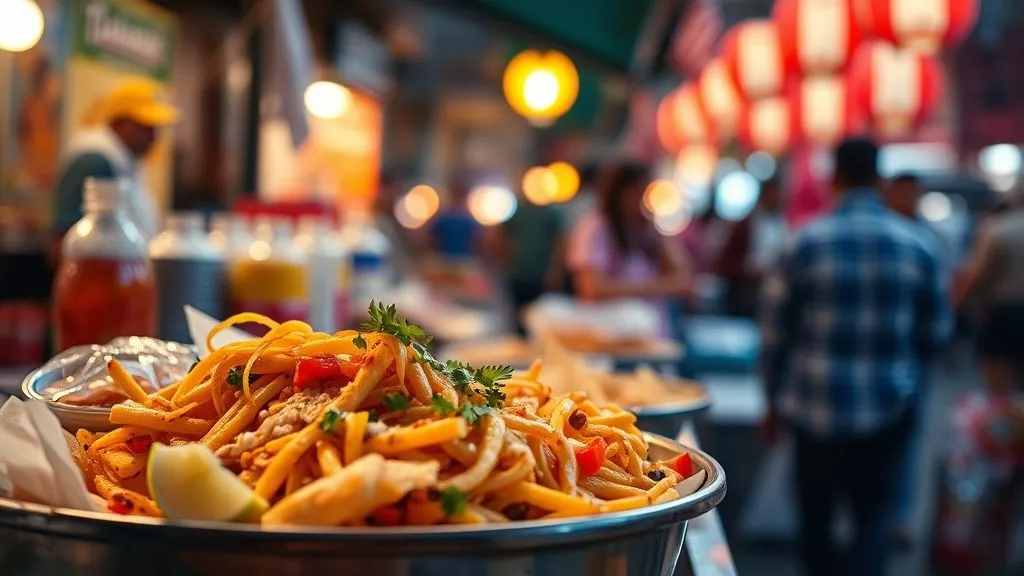
Preventing Food Safety Incidents on International Culinary Tours?
For over two decades navigating the intricate world of gastronomic travel, I've witnessed firsthand the sheer joy and transformative power of experiencing a culture through its cuisine. Yet, I've also seen dream trips turn into nightmares, itineraries derailed, and cherished memories tainted—all due to a single, often avoidable, food safety incident. It's a heartbreaking reality when the very essence of a culinary adventure becomes its undoing.
The allure of exotic flavors, bustling street markets, and authentic local eateries is undeniable, but it comes with an inherent shadow: the risk of foodborne illness. This isn't just about an upset stomach; it can escalate into severe health complications, requiring medical intervention and leaving a lasting negative impression on what should have been an unforgettable journey.
This comprehensive guide isn't about instilling fear; it's about empowering you with the knowledge and actionable strategies required for **preventing food safety incidents on international culinary tours?** I'll share my expert insights, practical frameworks, and real-world advice to ensure your next gastronomic exploration is as safe as it is delicious, transforming potential risks into confidently savored experiences.
The Hidden Risks: Beyond the Plate
When we think of food safety, our minds often jump to the meal itself. However, in international culinary tours, many risks lurk beyond the visible plate. These often-overlooked factors can be just as, if not more, dangerous than the food itself.
Consider the water you drink, the ice in your beverage, or even the unwashed produce. Contaminated water is a primary culprit for traveler’s diarrhea, and it's not always obvious. Ice, made from local tap water, can be a hidden source of pathogens. Raw fruits and vegetables, while seemingly healthy, might have been washed in unsafe water or handled improperly, leading to cross-contamination.
In many regions, hygiene standards for food preparation, storage, and serving might differ significantly from what you're accustomed to. This includes everything from inadequate refrigeration to cross-contamination between raw and cooked foods, and even the personal hygiene practices of food handlers. Understanding these underlying risks is the first step in **preventing food safety incidents on international culinary tours?**
Expert Insight: "The most common mistake I've observed is travelers focusing solely on the food's appearance, neglecting the invisible threats posed by water quality and preparation methods. Always question the source, especially for anything raw or liquid."
To mitigate these 'hidden' risks, always opt for bottled water with an unbroken seal, or water that has been boiled and filtered. Avoid ice in drinks unless you're certain it's made from purified water. For fruits and vegetables, stick to items you can peel yourself, such as bananas or oranges, or ensure they are thoroughly cooked. Even seemingly innocuous items like salad can be a high risk if washed in unsafe water.
For more detailed guidelines on safe water consumption while traveling, consult resources from organizations like the U.S. Centers for Disease Control and Prevention (CDC).
Vetting Your Tour Operator: The First Line of Defense
Your choice of culinary tour operator is perhaps the single most critical decision in **preventing food safety incidents on international culinary tours?** A reputable operator doesn't just plan an itinerary; they meticulously vet every single vendor, restaurant, and experience to ensure the highest standards of safety and hygiene. This isn't a luxury; it's a non-negotiable.
I've seen operators who prioritize cost savings over safety, leading to disastrous outcomes for their clients. Conversely, I've worked with companies who have robust, transparent food safety protocols that are integrated into every aspect of their operations, from market visits to cooking classes and restaurant reservations.
Before booking, engage in thorough due diligence. Don't be shy about asking direct and detailed questions. Their responses will reveal their level of preparedness and commitment to your well-being. Look for transparency and confidence in their answers, not evasiveness.
| Question to Ask | What it Reveals |
|---|---|
| What are your food safety protocols for suppliers and vendors? | Operator's due diligence, standards for local partners and food sources. |
| How do you handle dietary restrictions and severe allergies? | Level of care, communication with local vendors, and contingency planning. |
| What is your emergency response plan for a traveler falling ill from food? | Preparedness, access to medical assistance, and logistical support. |
| Are your guides trained in food hygiene, first aid, and local health resources? | On-the-ground support, immediate problem-solving skills, and cultural navigation. |
| Can you provide references or testimonials specific to food safety and health? | Past performance, traveler satisfaction with safety measures, and credibility. |
A truly responsible operator will not only have answers but will likely volunteer information about their safety measures. They should have established relationships with trusted local providers who understand and adhere to strict hygiene practices. This proactive approach significantly reduces your risk profile.
For additional insights into selecting reputable tour operators, resources like the U.S. Tour Operators Association (USTOA) offer valuable consumer advice and a directory of members who adhere to a code of ethics.
Personal Preparedness: Your Pre-Trip Checklist
Even with the most reputable tour operator, personal preparedness remains paramount. Your body is your temple, and equipping it for potential challenges is a proactive step in **preventing food safety incidents on international culinary tours?** This involves more than just packing your bags; it's about fortifying your health and knowledge.
Before you depart, schedule a visit with your doctor or a travel clinic. Discuss your itinerary, and ensure you're up-to-date on all recommended vaccinations, including Hepatitis A and Typhoid, which are common food and waterborne illnesses. Ask about any region-specific health advisories and whether prophylactic medications, like antibiotics for traveler's diarrhea, are advisable for your destination.
Case Study: Maria's Proactive Approach
Maria, a seasoned food blogger, was embarking on a six-week culinary journey through Southeast Asia. Prior to her trip, she visited her travel doctor, received her Hepatitis A and Typhoid vaccinations, and obtained a prescription for a broad-spectrum antibiotic. She also packed a comprehensive travel health kit, including probiotics, rehydration salts, activated charcoal, and an anti-diarrhea medication. Midway through her trip, she experienced mild gastrointestinal distress after an adventurous street food tasting. Thanks to her proactive planning, she was able to self-medicate with her prescribed antibiotics and rehydration salts, recovering within 24 hours and continuing her tour without further incident. Her preparedness turned a potential trip-ender into a minor hiccup.
Beyond vaccinations, assemble a personal travel health kit. This should include: specific prescription medications, over-the-counter remedies for common ailments (pain relievers, antacids), high-quality hand sanitizer (at least 60% alcohol), rehydration salts, and a small supply of probiotics, which can help maintain gut health and potentially ward off minor upsets.
- Vaccinations: Consult a travel doctor for region-specific recommendations (e.g., Hepatitis A, Typhoid).
- Prescription Medications: Carry any personal prescriptions, plus a broad-spectrum antibiotic if advised by your doctor.
- Over-the-Counter Essentials: Anti-diarrhea medication (e.g., Loperamide), antacids, pain relievers.
- Probiotics: Start taking a high-quality probiotic a week before your trip and continue throughout.
- Rehydration Salts: Essential for replenishing electrolytes if you experience fluid loss.
- Hand Sanitizer: Alcohol-based (60%+) for when soap and water aren't available.
- Basic First Aid: Band-aids, antiseptic wipes for minor cuts.
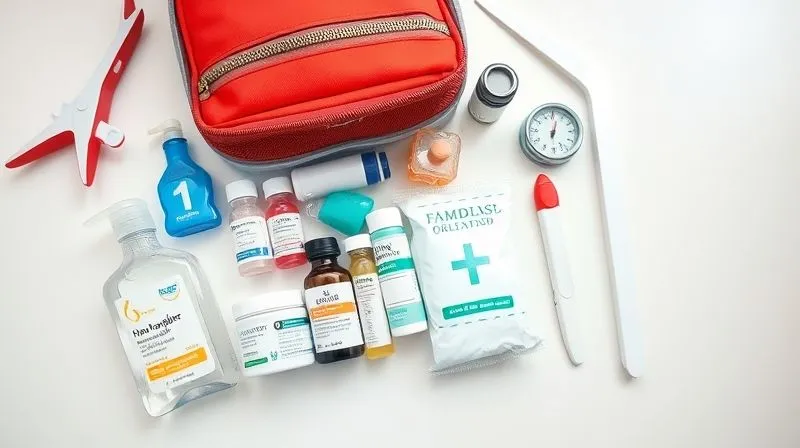
Ensure your travel insurance covers medical emergencies, including medical evacuation, and understand how to access care in your destination. Being prepared physically and logistically provides a crucial safety net.
Navigating Local Cuisine Safely: Street Food to Fine Dining
The heart of any culinary tour lies in experiencing diverse dining environments. Whether you're drawn to the vibrant chaos of a street food stall or the refined elegance of a Michelin-starred restaurant, understanding how to assess safety is key to **preventing food safety incidents on international culinary tours?**
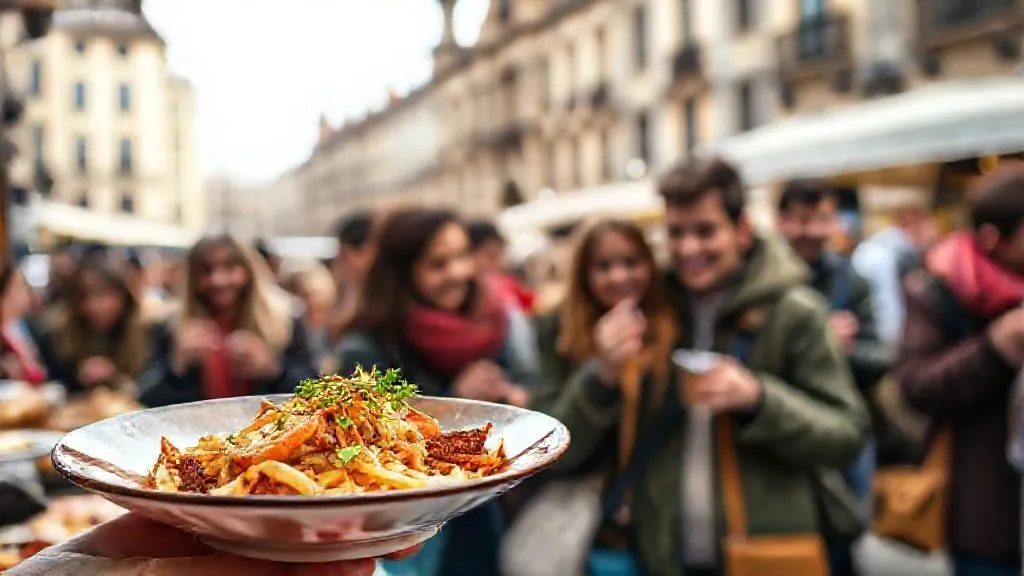
Street food, while offering incredible flavors and cultural immersion, requires careful consideration. Look for vendors with high customer turnover, indicating fresh ingredients and popular, quickly consumed dishes. Observe their hygiene: are they handling money and food with the same hands? Are ingredients stored properly, not sitting out in the sun? Is the food cooked to order and served piping hot?
Understanding Local Hygiene Standards
It's important to remember that 'clean' can look different in various cultures. What might seem unhygienic to a Western eye might be perfectly normal and safe in another context due to different regulations or traditional practices. However, some universal indicators of poor hygiene exist: flies, visible dirt, stagnant water, or raw food touching cooked food. Trust your instincts, but also be open to cultural nuances.
- Look for Crowds: Popular stalls usually mean fresh food and high turnover.
- Observe Preparation: Ensure food is cooked thoroughly, right in front of you, and served hot.
- Check Cleanliness: Pay attention to the vendor's hands, utensils, and the general cleanliness of the stall.
- Avoid Pre-Cooked, Lukewarm Food: If food has been sitting out for a while, it's a breeding ground for bacteria.
- Stick to Peeling: For fresh produce, choose fruits you can peel yourself.
For restaurants, whether casual or upscale, similar principles apply. Observe the general cleanliness of the establishment, including restrooms. A busy restaurant is often a good sign, as it suggests fresh ingredients are being used and quickly replenished. Don't hesitate to ask questions about ingredient sourcing or preparation methods if you have concerns.
| Food/Practice | Risk Level | Reason | Recommendation |
|---|---|---|---|
| Unpeeled raw fruits & vegetables | High | Contaminated water, improper washing | Peel yourself or avoid (especially salads) |
| Under-cooked meat, poultry, seafood | High | Pathogen survival (e.g., salmonella, E.coli) | Ensure thoroughly cooked, served piping hot |
| Unpasteurized dairy products (milk, cheese) | High | Bacterial contamination (e.g., Listeria, Brucella) | Stick to pasteurized options, inquire if unsure |
| Tap water, unverified ice cubes | High | Local water quality, filtration systems | Bottled/purified water, no ice unless certified safe |
| Buffet foods (especially warm ones that have sat out) | Medium-High | Temperature abuse, cross-contamination, long exposure | Choose freshly prepared, hot items; avoid items at room temp |
| Hot, freshly cooked street food | Low-Medium | High turnover, cooked to order, consumed immediately | Observe hygiene, eat when hot; choose popular vendors |
| Packaged snacks, bottled drinks (sealed) | Low | Sealed, regulated production, less human handling | Check seals, expiry dates before consumption |
| Fruits with thick peels (e.g., banana, orange, avocado) | Low | Peel provides natural protection from contaminants | Peel yourself after washing hands |
Ultimately, a balanced approach is best: be adventurous, but always apply a critical eye and prioritize establishments that visibly demonstrate good hygiene practices.
The Power of Observation: Trusting Your Senses
As an experienced traveler, I've developed a keen sense of observation that serves as an invaluable tool for **preventing food safety incidents on international culinary tours?** It’s about more than just seeing; it’s about actively assessing your environment and trusting your gut feeling.
When approaching a food stall or restaurant, take a moment to absorb the scene. Are the premises clean? Is there an abundance of flies or other pests? Are the surfaces wiped down regularly? How are the ingredients stored – are raw meats kept separate from cooked dishes, and are perishables refrigerated or kept on ice?
Pay close attention to the food handlers themselves. Are they wearing clean aprons? Do they handle food with gloves or utensils, rather than bare hands, especially after handling money? These subtle cues can tell you a lot about the establishment's commitment to hygiene. A bustling, well-maintained kitchen or stall, even a simple one, often indicates a higher standard of care.
Expert Insight: "Your eyes and nose are your best allies. If a place looks or smells 'off,' it probably is. Don't be afraid to walk away. The risk isn't worth a few dollars or an adventurous photo opportunity."
Beyond visual cues, use your sense of smell. Freshly prepared food should smell appetizing and vibrant. Any hint of sourness, staleness, or an unfamiliar chemical odor should raise a red flag. While some unique local ingredients might have strong aromas, a general sense of decay or uncleanliness is a universal warning sign.
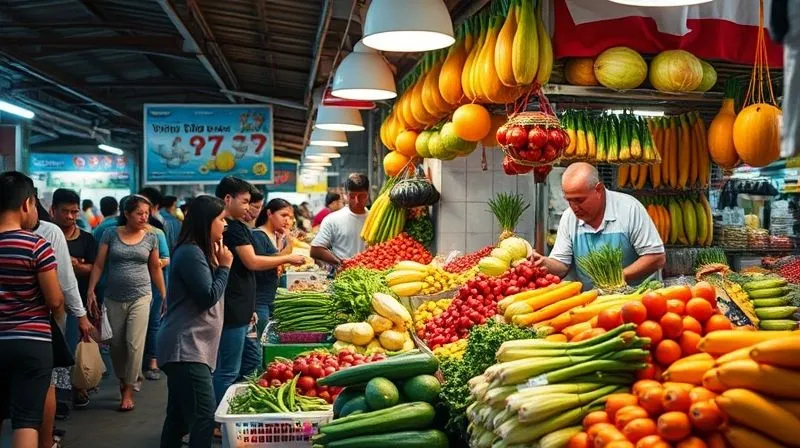
Finally, listen. The sounds of a busy, active kitchen – sizzling woks, chopping, the chatter of satisfied customers – can be reassuring. A quiet, empty establishment during peak hours might suggest issues with food quality or service. Trusting your senses and instincts, honed by careful observation, is a powerful shield against potential food safety hazards.
Hydration and Hand Hygiene: The Unsung Heroes
Often overlooked in the excitement of culinary exploration, consistent hydration and meticulous hand hygiene are foundational pillars for **preventing food safety incidents on international culinary tours?** These simple practices can significantly reduce your risk of falling ill.
Dehydration, especially in warmer climates, can weaken your immune system, making you more susceptible to illness. Always carry a supply of safe drinking water. As discussed, stick to bottled water with an unbroken seal, or use a reliable water purification method if you're venturing off the beaten path. Avoid tap water, even for brushing teeth, unless you are absolutely certain of its potability.
Hand hygiene is arguably the single most effective way to prevent the spread of germs. Before every meal, snack, or even touching your face, ensure your hands are clean. While soap and water are ideal, a good alcohol-based hand sanitizer (at least 60% alcohol) is an indispensable travel companion for when washing facilities are unavailable.
- Wash Thoroughly: Use soap and water, scrubbing for at least 20 seconds, covering all surfaces of your hands.
- Sanitize Often: Carry and frequently use an alcohol-based hand sanitizer, especially after touching public surfaces.
- Before Eating: Always clean your hands immediately before consuming any food or drink.
- After Restrooms: This seems obvious, but it's a critical step that cannot be skipped.
- Avoid Touching Face: Minimize touching your eyes, nose, and mouth to prevent germ transmission.
I've seen countless travelers fall ill simply because they neglected these basic steps. It's easy to get caught up in the moment, but a quick stop for hand washing or sanitizing can save you days of discomfort. Think of it as your personal, portable defense system against unseen threats.
For best practices on hand hygiene, refer to guidelines from reputable health organizations like the World Health Organization (WHO).
Managing Dietary Restrictions and Allergies Abroad
For those with dietary restrictions or severe food allergies, international culinary tours present an added layer of complexity. However, with careful planning and clear communication, it is absolutely possible to have a safe and enjoyable experience, further enhancing your ability to contribute to **preventing food safety incidents on international culinary tours?**
Pre-trip research is crucial. Learn common phrases related to your allergies or restrictions in the local language. Websites and apps offer excellent translation tools, and you can even create laminated allergy cards to present to chefs and servers. These cards should clearly state your specific allergies in the local language, explaining the severity and potential consequences of exposure.
Navigating Allergen Disclosure
In many countries, allergen labeling and disclosure laws are not as stringent as in Western nations. This means you cannot rely solely on menus or staff knowledge. Always assume cross-contamination is a risk, especially in busy kitchens or street food environments. Communicate clearly and repeatedly, confirming your needs with multiple staff members if possible.
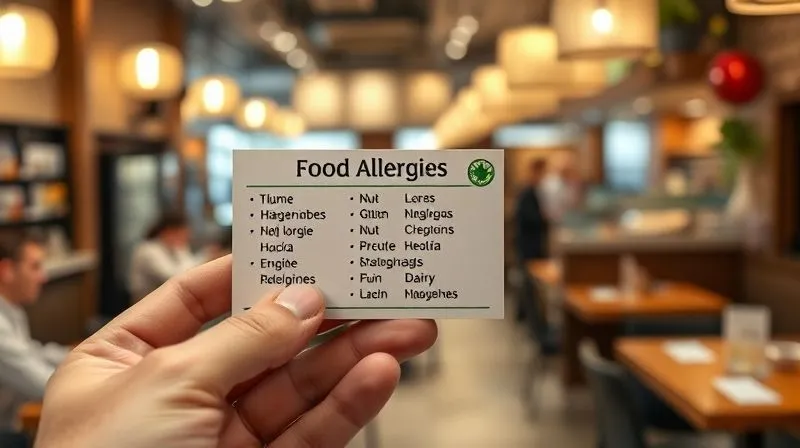
When dining out, stick to simpler dishes where ingredients are easily identifiable. Avoid complex sauces, marinades, or fried foods where hidden allergens or cross-contamination are more likely. If you have severe allergies (e.g., to nuts, shellfish), consider carrying an EpiPen and ensure your travel companions know how to administer it.
Don't be afraid to be assertive. Your health is paramount. A good tour operator will assist you in communicating your needs to local vendors. If you're traveling independently, consider downloading a reliable translation app or hiring a local guide for specific meals where communication is critical. Always carry safe snacks for emergencies, particularly if you're unsure about food options.
What to Do When Things Go Wrong: Incident Response
Despite all precautions, sometimes food safety incidents can still occur. No amount of planning can eliminate 100% of risk. Knowing how to respond effectively and efficiently is crucial for minimizing impact and ensuring a swift recovery, serving as the final layer in **preventing food safety incidents on international culinary tours?**
The first step is to recognize the symptoms. Food poisoning can manifest in various ways, including nausea, vomiting, diarrhea, abdominal cramps, fever, or headache. Symptoms can appear within hours or even days after consuming contaminated food.
- Assess Symptoms: If symptoms are mild, focus on hydration with bottled water or rehydration salts. Avoid solid food initially.
- Seek Medical Attention: If symptoms are severe (e.g., high fever, bloody diarrhea, severe dehydration, persistent vomiting), do not hesitate to seek medical help immediately. Contact your tour operator, travel insurance provider, or embassy for assistance in finding a reputable doctor or hospital.
- Inform Your Tour Operator: They need to know about the incident to take appropriate action, potentially warning other travelers or addressing issues with a specific vendor.
- Document Everything: Keep records of your symptoms, when they started, what you ate, and any medical care received. This information is vital for insurance claims and potential follow-up.
- Contact Travel Insurance: Notify your travel insurance provider as soon as possible. They can guide you through the process of obtaining medical care and covering costs.
- Rest and Recover: Allow your body ample time to recover before resuming strenuous activities or further culinary explorations.
Having comprehensive travel insurance that covers medical emergencies and evacuation is non-negotiable. Before your trip, understand your policy's specifics, including how to contact them in an emergency and what documentation they require. This preparation ensures you're not left scrambling when you're feeling unwell and vulnerable.
For information on choosing reliable travel insurance, resources like TravelInsurance.com can help compare options and understand coverage.
Frequently Asked Questions (FAQ)
Is it safe to eat street food at all on an international culinary tour? Yes, absolutely! Street food can be a highlight, but it requires vigilance. Focus on vendors with high turnover, where food is cooked fresh and served piping hot. Observe hygiene, and if in doubt, err on the side of caution. My rule of thumb: if it's fried or boiled right in front of you, it's generally safer.
How do I know if tap water is safe to drink in a foreign country? Unless explicitly stated by official sources (e.g., your tour operator, local health authorities, reputable travel guides) that tap water is potable, always assume it's unsafe. Stick to sealed bottled water, boiled water, or use a reliable water filter/purifier. Avoid ice cubes in drinks if the water source is questionable.
What if I have severe food allergies? Should I still go on a culinary tour? Yes, but with significant pre-planning. Create detailed allergy cards in the local language, communicate clearly and repeatedly with your tour operator and dining establishments, and always carry necessary medications (like an EpiPen). Your tour operator should be a key partner in ensuring your safety. Some tours even specialize in catering to specific dietary needs.
Should I take prophylactic antibiotics before or during my trip to prevent traveler's diarrhea? This is a decision best made with your doctor. While some travelers might be prescribed antibiotics to take if they fall ill, routine prophylactic use is generally not recommended due to the risk of antibiotic resistance and side effects. Focus on prevention through hygiene and safe food choices first.
How can I tell if a restaurant is clean and safe, especially if I don't speak the language? Look for universal indicators: cleanliness of tables, floors, and restrooms. Observe staff hygiene – are they clean, do they handle food properly? A busy restaurant, especially during local meal times, is often a good sign of fresh ingredients and efficient turnover. If you can see into the kitchen, check for organization and cleanliness.
Key Takeaways and Final Thoughts
Embarking on an international culinary tour is an unparalleled opportunity to connect with cultures through their most intimate expression: food. However, this enriching experience demands a proactive and informed approach to safety. By integrating the strategies discussed, you're not just protecting your health; you're enhancing your entire journey, ensuring it's memorable for all the right reasons.
- Vet Your Operator Thoroughly: Their commitment to safety directly impacts yours.
- Prioritize Personal Preparedness: Vaccinations, a comprehensive health kit, and travel insurance are non-negotiable.
- Be a Savvy Diner: Observe, question, and choose wisely, whether it's street food or a restaurant.
- Maintain Impeccable Hygiene: Hand washing and safe hydration are your primary defenses.
- Communicate Dietary Needs Clearly: Especially vital for allergies or restrictions.
- Know Your Incident Response: Be prepared for the unexpected with a plan for medical attention.
In my years of guiding travelers through the world's kitchens, I've seen that the most confident and joyful food explorers are those who are well-prepared and knowledgeable. Don't let fear overshadow your gastronomic curiosity. Instead, embrace these expert insights, apply them diligently, and embark on your next culinary adventure with confidence, savoring every safe and delicious moment. The world of flavors awaits, responsibly and deliciously.
Recommended Reading
- Unlocking Global Flavors: How to Truly Appreciate Different Coffee Cultures
- Train Eco-Tourism Guides: 5 Steps for Impactful Education
- The Ultimate Secret: How to Pack Snowboard Boots Efficiently for Travel
- Your Ultimate Guide: How to Select a Space Tourism Company for Your Journey
- 7 Steps to Ethical Medical Volunteering: Avoid Harmful Voluntourism



Your email address will not be published. Required fields are marked *