


How to avoid public transport errors on a short, critical city break?
For over two decades in the travel industry, specializing in the fast-paced world of city breaks, I've witnessed countless travelers fall victim to a deceptively simple yet profoundly impactful issue: public transport errors. It’s not just about missing a bus; it’s about lost time, missed reservations, increased stress, and ultimately, a diminished experience on what should be a memorable, time-critical adventure.
The problem is amplified on a short, critical city break. With limited time, every minute counts. A wrong turn, an invalid ticket, or a missed connection can cascade into a series of unfortunate events, eating away at your precious itinerary and leaving you frustrated. The complexity of foreign transit systems, coupled with language barriers and the sheer volume of information, creates a perfect storm for mistakes.
But it doesn't have to be this way. In this definitive guide, I will share my expert insights and battle-tested strategies to equip you with the knowledge and confidence to seamlessly navigate any urban public transport system. You’ll learn actionable frameworks, real-world case studies, and invaluable tips to proactively avoid public transport errors on a short, critical city break, ensuring your adventure remains on track and stress-free.
The Unseen Enemy: Why Public Transport Trips Go Wrong on City Breaks
Before we dive into solutions, it's crucial to understand the root causes of public transport mishaps. It's rarely a single catastrophic failure; more often, it's a combination of subtle missteps that accumulate.
Over-Reliance on Digital Tools (and Their Flaws)
In our hyper-connected world, the first instinct is often to pull out a smartphone. Google Maps, Citymapper, and other apps are indispensable, but they are not infallible. They rely on real-time data, which can be delayed or inaccurate, especially in cities with older infrastructure or during unexpected events like strikes or demonstrations. I've seen travelers blindly follow an app into a defunct station or onto a bus that no longer serves a particular route, only to realize their mistake far too late.
The Local Nuances You Miss
Every city has its unwritten rules and local quirks. Is it customary to validate your ticket *after* boarding, or before? Do certain lines shut down earlier on weekends? Are there different fare zones that aren't immediately obvious on a basic map? These nuances, often learned through experience, are precisely what tourists miss, leading to fines, confusion, and wasted time. For instance, in many European cities, failing to validate a pre-purchased ticket is equivalent to not having one at all, a common and costly error.
Time Crunch and Decision Fatigue
A short city break is inherently time-pressured. You're trying to cram in as much as possible, moving from one attraction to the next. This constant need to make quick decisions, often in unfamiliar surroundings and under the influence of jet lag, leads to decision fatigue. When your cognitive resources are drained, you're more prone to misreading signs, choosing the wrong platform, or simply overlooking critical details, making it harder to avoid public transport errors on a short, critical city break.
Proactive Planning: Your First Line of Defense
The best way to avoid public transport errors on a short, critical city break is to prevent them before you even leave home. Thorough, intelligent pre-trip planning is non-negotiable.
Pre-Trip Research: Beyond Google Maps
While Google Maps is a great starting point, your research needs to go deeper. Focus on official transport websites, local tourism boards, and reputable travel blogs that offer specific advice for visitors.
- Identify Key Routes: Pinpoint the exact routes you'll need for your most critical journeys – airport transfers, hotel to main attractions, etc. Don't just look at the line number; understand the direction and key stops.
- Check Operating Hours & Frequencies: Verify when the first and last services run, especially on weekends or public holidays. Some lines have significantly reduced service outside peak hours.
- Look for Service Alerts: Many official transport sites have a 'service alerts' or 'disruptions' section. Check this a few days before and again on the morning of your travel for any planned maintenance, strikes, or unexpected closures.
- Understand Accessibility: If you have specific needs (e.g., stroller, wheelchair), research which stations and lines are accessible. Not all stations have elevators or escalators.
- Read Traveler Reviews: Online forums and travel sites often contain invaluable tips and warnings from other visitors about specific stations or lines.

Understanding Fare Systems and Ticket Types
This is where many travelers stumble. Fare systems vary wildly from city to city, and choosing the wrong ticket can be a costly mistake, or worse, lead to a fine. Do they use paper tickets, smart cards, contactless payments, or a combination? Is there a tourist pass that saves money and simplifies travel?
| City | Common Ticket Type | Key Feature | Common Error to Avoid |
|---|---|---|---|
| London | Oyster Card / Contactless Payment | Daily Cap, valid on Tube, Bus, DLR, Overground | Forgetting to 'tap out' on Tube/trains for correct fare |
| Paris | T+ Ticket / Navigo Découverte | Single journey tickets or weekly/monthly passes | Not understanding zone system for RER; not validating ticket |
| Rome | BIT (single) / CIS (daily) | Time-based validation; valid on buses, trams, metro | Failing to validate paper ticket upon first use |
| Berlin | Einzelfahrschein / Tageskarte | Zone-based system (ABC); 2-hour transfer allowance | Not validating ticket at platform machines before boarding |
Always research the best ticket option for your itinerary. For a short, critical city break, a multi-day pass or a card with a daily cap often provides the best value and simplicity, reducing the mental load of purchasing tickets for every journey. Check official sources like Lonely Planet's transport guides or the city's official transport authority website for the latest information on fare structures.
On-the-Ground Execution: Mastering the Real-Time Challenge
Even with impeccable planning, the real world throws curveballs. Effective execution on the ground is about being prepared and observant.
The Power of Paper Maps and Offline Access
While digital is convenient, a physical backup is invaluable. I always recommend carrying a printed metro or bus map, or at least having an offline version downloaded to your phone. Batteries die, data plans fail, and sometimes, the signal simply vanishes in underground tunnels. A paper map allows you to orient yourself quickly without relying on technology. It’s a simple, low-tech solution that can prevent significant public transport errors on a short, critical city break.
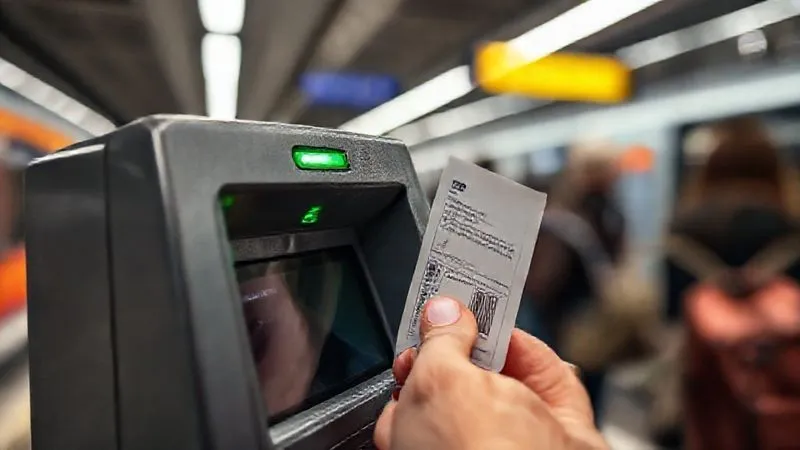
Validating Your Ticket: A Crucial Step Often Missed
This cannot be stressed enough. In many European and Asian cities, simply purchasing a ticket is not enough; you must validate it before or upon boarding. This usually involves inserting it into a small machine that stamps the date and time. Failure to do so can result in hefty fines, regardless of whether you genuinely paid for the ticket. I've seen countless tourists, genuinely confused, being fined on trains and trams because they didn't understand this fundamental rule.
"A validated ticket is your golden pass. An unvalidated ticket, even if paid for, is merely expensive paper. Never assume validation is automatic; always look for the stamping machine." - My personal mantra for urban transit.
Leveraging Technology Wisely: Smart Apps & Offline Resources
While I cautioned against over-reliance, smart use of technology is a game-changer. It's about using the right tools in the right way.
Beyond Google: City-Specific Transport Apps
Many major cities have their own official public transport apps (e.g., Transport for London's TfL Go, RATP's Bonjour RATP in Paris). These apps often provide more accurate real-time data, detailed service alerts, station specific information (like exit numbers for specific attractions), and even mobile ticketing options that general map apps might miss. Download these before you arrive and familiarize yourself with their interface.
Offline Maps and Translation Tools
Beyond transit maps, having an offline city map (like those offered by Maps.Me or Google Maps' offline feature) is vital. Pair this with an offline translation app (Google Translate allows language pack downloads). Being able to look up directions or translate a critical sign without an internet connection can save you from a major predicament. This preparation is key to knowing how to avoid public transport errors on a short, critical city break, especially when language barriers are present.
Emergency Protocols: What to Do When Things Go Sideways
No matter how well you plan, sometimes things go wrong. The mark of an experienced traveler isn't avoiding all problems, but knowing how to recover gracefully.
The 'Buffer Time' Strategy
For any critical appointment or fixed-time reservation (a tour, a dinner, a flight), always build in a significant buffer. If Google Maps says a journey takes 20 minutes, plan for 40. This extra time absorbs minor delays, missed connections, or momentary confusion, preventing a small error from becoming a disaster. It's a simple yet incredibly effective strategy that I always employ.
Backup Transport Options
Know your alternatives. If the metro is unexpectedly closed, what's the next best option? Is there a bus line that parallels the metro route? Are ride-sharing services (Uber, Bolt, Free Now) readily available and affordable in that city? Have their apps downloaded and set up beforehand. Knowing you have a Plan B significantly reduces stress when Plan A goes awry.
Case Study: Maria's Missed Connection in Rome
Maria, an avid traveler, was on a critical 48-hour city break in Rome. She had booked a Vatican tour with a strict entry time. Relying solely on Google Maps, she headed to the metro. Unbeknownst to her, a small, local protest had shut down her specific metro line. Panic set in. However, because Maria had researched backup options, she immediately knew which bus lines paralleled her route and had the local bus app downloaded. She quickly found an alternative bus stop, boarded, and arrived at the Vatican just in time, albeit a little flustered. Her proactive research into alternatives saved her entire tour. This story exemplifies how knowing how to avoid public transport errors on a short, critical city break isn't just about prevention, but also about effective recovery.

The Human Element: Don't Underestimate Local Knowledge
In an age of digital everything, we sometimes forget the most valuable resource: people. Locals are often the best, most up-to-date source of information.
Asking for Directions: The Art of Local Interaction
Don't be afraid to ask! Approach station staff, bus drivers, or even fellow passengers. Start with a polite 'Excuse me, do you speak English?' or learn a few basic phrases in the local language. Point to your destination on a map or say the name clearly. Most people are happy to help, and their real-time knowledge can often clarify confusing situations or confirm information from an app. According to a study published in the Psychology Today, asking for help can actually increase your perceived trustworthiness.
Observing Local Habits
Pay attention to what locals are doing. Are they tapping a card on a reader? Are they waiting patiently in a specific line? Are they validating a ticket at a separate machine before boarding? These subtle cues can tell you a lot about local transport etiquette and procedures, helping you avoid common public transport errors on a short, critical city break that might not be explicitly written anywhere.
Mindset Matters: Staying Calm Under Pressure
The mental aspect of travel is just as important as the logistical one. A calm, flexible mindset can turn a potential disaster into a minor inconvenience.
Embracing Flexibility
Accept that not everything will go perfectly. Public transport, by its nature, is subject to unforeseen delays. If a train is late or you take a wrong turn, take a deep breath. Panicking only clouds judgment and makes it harder to find a solution. Embrace the unexpected as part of the travel experience – sometimes the best discoveries happen when you're slightly off track.
Learning from Mistakes
Every mistake is a learning opportunity. If you get on the wrong bus, observe where it takes you, learn why you made the error, and adjust for next time. Don't dwell on it; simply integrate the lesson into your mental travel toolkit. This resilience is a hallmark of an experienced traveler who knows how to avoid public transport errors on a short, critical city break, not by perfection, but by adaptability.

Frequently Asked Questions (FAQ)
What's the single most common public transport error tourists make? Hands down, it's failing to validate a pre-purchased ticket. Many cities require a physical stamp or digital tap upon first use, and without it, even a valid ticket is considered unused and can lead to hefty fines. Always look for the validation machines at station entrances or on board.
Should I rely solely on my phone for navigation? While incredibly useful, I strongly advise against sole reliance. Battery drain, loss of signal, or app glitches can leave you stranded. Always have a backup: a downloaded offline map, a printed physical map, or even just a general understanding of major landmarks and directions. This redundancy is crucial to avoid public transport errors on a short, critical city break.
How can I quickly understand a new city's public transport system? Before you arrive, dedicate 15-30 minutes to browsing the city's official transport website. Look for a 'Visitor' or 'Tourist' section. Focus on understanding the primary modes of transport (metro, bus, tram), how to buy tickets, and how to validate them. Knowing the general layout of the main lines is also very helpful.
What if there's a language barrier and I need help? Always try to learn a few polite phrases like 'Excuse me,' 'Do you speak English?', and 'Thank you.' Have your destination written down or clearly displayed on your phone's map. Often, pointing to a map or a photo of your destination is enough. Station staff, especially at major hubs, usually have some English proficiency. If all else fails, a simple smile and gesture of confusion can often elicit help from a kind local. For complex situations, a downloaded offline translation app is a lifesaver.
Is it better to buy single tickets or a multi-day pass for a short city break? For most short, critical city breaks with multiple planned journeys, a multi-day pass or a reloadable smart card with a daily cap is almost always more convenient and often more economical. It saves time from buying individual tickets and reduces the chance of fare calculation errors. Research specific tourist passes for your destination, as they often include transport and attraction entry, offering significant savings and simplicity. Deloitte's travel industry insights often highlight the value of streamlined visitor experiences, and a single transport pass aligns perfectly with this. You can find more on this at Deloitte Travel Industry Outlook.
Key Takeaways and Final Thoughts
Mastering public transport on a short, critical city break isn't about luck; it's about preparation, observation, and a resilient mindset. By integrating these strategies into your travel routine, you'll transform potential pitfalls into seamless transitions, maximizing every precious moment of your trip.
- Plan Proactively: Go beyond basic maps; understand fare systems, operating hours, and potential disruptions.
- Validate, Validate, Validate: This is non-negotiable in many cities to avoid fines.
- Embrace Redundancy: Use offline maps and physical backups alongside your digital tools.
- Build in Buffers: Always allow extra time for critical journeys to absorb unforeseen delays.
- Engage with Locals: Don't underestimate the power of human interaction for real-time, accurate information.
- Stay Calm and Flexible: Travel is unpredictable; your ability to adapt is your greatest asset.
Remember, a city break is an opportunity for discovery and enjoyment, not stress. By adopting these expert strategies, you'll not only learn how to avoid public transport errors on a short, critical city break but also gain a deeper, more confident appreciation for the rhythm of urban life. Go forth, explore, and travel smart!
Recommended Reading
- 5 Steps: Road Trip Playlists for Pitch-Perfect Client Focus
- The Ultimate Guide: How to Avoid Museum Fatigue on Your Cultural Trip
- The Eco-Glamping Secret: How to Choose a Truly Green Adventure
- Unlock Serenity: The Secret to Finding Quiet Festival Camping Spots
- Dog Sledding Gear: Conquer Sub-Zero Temps Like a Pro!





Your email address will not be published. Required fields are marked *