

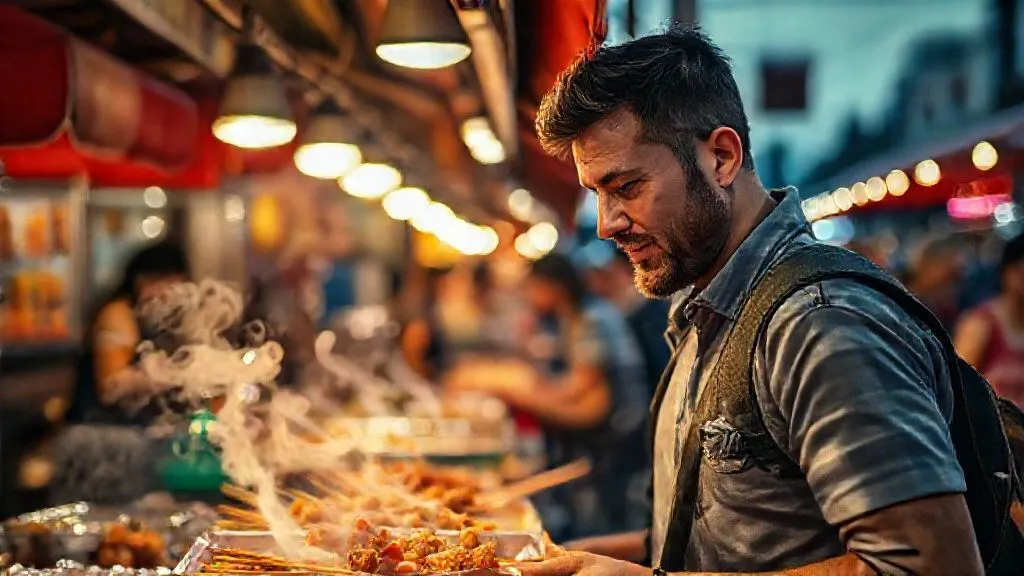
How to craft budget street food tours without health risks?
For over 15 years, navigating the intricate, delicious, and sometimes perilous world of budget travel, I've witnessed countless travelers fall prey to common street food pitfalls. From a memorable bout of 'Delhi Belly' that derailed a week of adventure to missing out entirely due to fear, the line between an unforgettable culinary experience and a regrettable one is often razor-thin. My journey has taught me that the magic of street food isn't just in its flavors but in the stories it tells, and enjoying it safely on a budget is an art form.
The allure of sizzling woks, aromatic spices, and vibrant market scenes is undeniable. Yet, for many, this excitement is tempered by a gnawing concern: the dreaded foodborne illness or the fear of overspending in unfamiliar territory. You want to savor authentic local flavors without risking your health or blowing your travel budget, but the sheer volume of choices and the lack of clear guidance can make the endeavor feel daunting, even risky.
This comprehensive guide is born from years of first-hand experience and meticulous observation. I’ll share my proven frameworks and expert insights on how to craft budget street food tours without health risks. You'll learn actionable strategies, from meticulous pre-trip research to on-the-ground observation techniques, equipping you to confidently explore the world's street food scenes, enjoying every safe, savory, and budget-friendly bite. Let's transform your street food dreams into delicious, worry-free realities.
Mastering Pre-Trip Research: Your First Line of Defense
Before you even step foot in a bustling market, your most powerful tool is thorough research. This isn't just about finding the 'best' street food; it's about identifying the safest and most reputable vendors. As an experienced traveler, I've learned that a little homework goes a long way in preventing unpleasant surprises.
Identifying Reputable Vendors & Markets
Start by looking for established markets or specific food streets known for their quality. These areas often have higher standards due to local competition and community reputation. Online travel forums, reputable food blogs, and even official tourism websites can be invaluable resources. Look for mentions of vendors that locals frequent, as this is often the strongest indicator of both authenticity and safety.
Leveraging Local Wisdom & Online Reviews
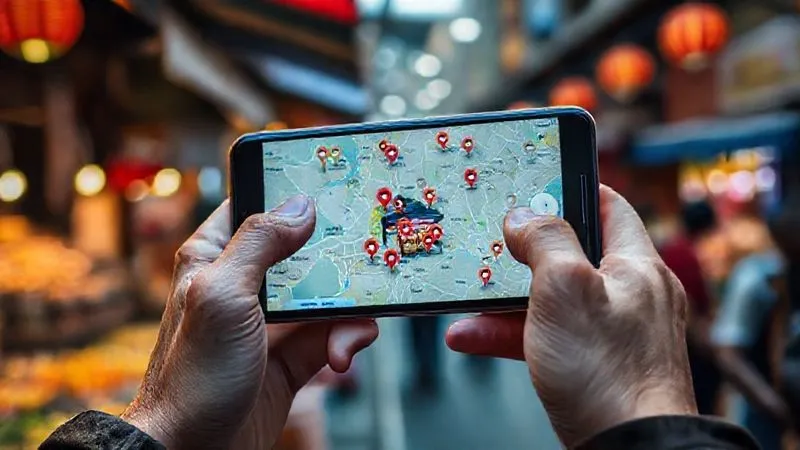
Don't underestimate the power of platforms like Google Maps, TripAdvisor, or even dedicated food apps in certain regions. Pay attention to recent reviews, specifically those mentioning hygiene, freshness, and the overall experience. While not foolproof, a pattern of positive comments, especially from locals, can be a good sign. Conversely, consistent complaints about cleanliness or stomach issues are glaring red flags.
- Consult Multiple Sources: Cross-reference information from blogs, forums, and review sites.
- Look for Local Endorsement: Prioritize places recommended by residents or frequented by them.
- Check Health Advisories: Before traveling, always check the World Health Organization (WHO) or your country's health department for specific food and water advisories for your destination.
- Identify Peak Hours: Research when markets are busiest; high turnover generally means fresher ingredients.
Expert Insight: "The internet is a double-edged sword for street food. While it offers a wealth of information, always prioritize local, in-person recommendations once you've arrived. Nothing beats asking a friendly hotelier or shop owner where they eat!"
The Art of Observation: Spotting Red Flags (and Green Lights) On-Site
Once you're on the ground, your senses become your most critical tools. My years of experience have honed my ability to quickly assess a street food stall, identifying subtle cues that speak volumes about its hygiene and quality. This immediate observation is crucial for successfully navigating how to craft budget street food tours without health risks.
Hygiene Indicators: What to Look For
Observe the overall cleanliness of the stall. Are the surfaces wiped down regularly? Is there a designated area for raw ingredients separate from cooked food? Look at the vendor themselves: are they wearing clean clothes? Do they handle money and food with different hands, or ideally, use gloves? Access to running water for washing hands and utensils is a major plus. Avoid stalls where flies are abundant or where food is left uncovered for extended periods.
Crowd Wisdom: Follow the Locals
This is perhaps the simplest yet most effective tip: eat where the locals eat. A stall with a steady stream of local customers is a strong indicator of both delicious food and consistent quality. High customer turnover also means that food isn't sitting around for long, ensuring freshness. If a stall is empty while its neighbors are bustling, there's usually a good reason for it.
- Observe the Queue: A long line, especially of locals, is a good sign.
- Check the Cooking Process: Is food cooked fresh to order, or is it sitting pre-made?
- Assess Ingredient Freshness: Look for vibrant colors in vegetables and fresh-looking meat/fish.
- Review Water Sources: Are they using clean, bottled, or filtered water for cooking and washing?
- Examine Utensils and Plates: Are they clean, or are they being quickly rinsed in questionable water?
Expert Insight: "Don't be shy about peering into the cooking area. A transparent operation is usually a confident one. If you can see the chef's process, you can better gauge their standards."
Strategic Ordering: What, When, and How to Eat Safely
Even at a seemingly clean stall, making smart choices about what you order can significantly reduce your risk. This is where strategic thinking comes into play, balancing your desire for authentic flavors with practical health considerations. It's a key component of understanding how to craft budget street food tours without health risks.
Cooked is King: Prioritizing Hot Food
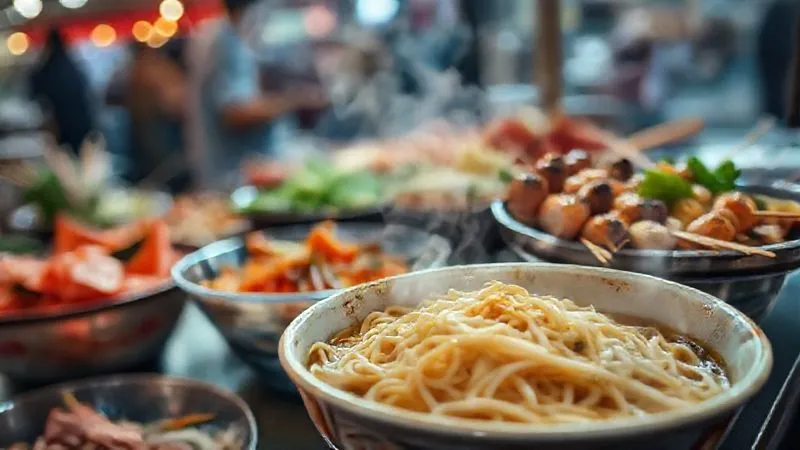
When in doubt, opt for food that is visibly cooked to order and served piping hot. The heat kills most bacteria and pathogens. Dishes that are deep-fried, grilled, or boiled vigorously right in front of you are generally safer bets than those that have been sitting at lukewarm temperatures. Soups and stir-fries, when prepared fresh, are often excellent choices.
Peeling & Washing: Fruit and Veggie Wisdom
Raw fruits and vegetables can be tricky. If you're craving fresh produce, choose items you can peel yourself, like bananas, oranges, or mangoes. For salads or cut fruits, ensure they are washed with purified water, not tap water, and prepared on clean surfaces. If you're unsure, it's often best to stick to cooked vegetables.
Navigating Beverages
Always opt for bottled water with an unbroken seal. Avoid ice in drinks unless you are absolutely certain it's made from purified water – many street vendors use tap water ice. Fresh juices can be wonderful, but ensure the fruit is washed well and the blender/juicer looks clean. Hot tea or coffee, when made with boiled water, is generally safe.
Budgeting Brilliance: Savvy Spending Without Skimping on Safety
One of the joys of street food is its affordability, but navigating prices in unfamiliar markets requires a bit of finesse. My philosophy is that a budget street food tour doesn't mean sacrificing safety; it means being smart about your choices and transactions.
Local Currency & Negotiation Basics
Always have small denominations of local currency. This not only makes transactions smoother but also helps you avoid being short-changed. In some cultures, a little polite negotiation is expected, especially in markets. However, for most street food stalls, prices are generally fixed and very reasonable. If a price seems exorbitant for a simple dish, it's okay to politely decline and move to another vendor.
Avoiding Tourist Traps: Authentic vs. Overpriced
Tourist-heavy areas often have inflated prices and sometimes compromise on authenticity and hygiene. Venture a few blocks away from the main attractions to find more local, budget-friendly, and often safer options. The same dish might cost significantly less and taste better just a short walk away. This is a critical aspect when learning how to craft budget street food tours without health risks.
| Item | Price Range | Safety Score |
|---|---|---|
| Grilled Skewers (Local Area) | $1-2 USD | High |
| Grilled Skewers (Tourist Zone) | $3-5 USD | Medium |
| Fresh Spring Rolls (Local Area) | $0.50-1 USD | High (if fresh) |
| Fresh Spring Rolls (Tourist Zone) | $2-3 USD | Medium (often pre-made) |
| Bottled Water (Local Shop) | $0.50 USD | High |
| Bottled Water (Tourist Stall) | $1-2 USD | High |
Hydration & Hand Hygiene: Your Personal Health Arsenal
Beyond the food itself, your personal hygiene practices and hydration strategy play an enormous role in preventing illness. These are simple, yet often overlooked, elements that I consider non-negotiable for any budget traveler exploring street food.
The Power of Hand Sanitizer
Always carry a small bottle of alcohol-based hand sanitizer (at least 60% alcohol). Use it religiously before and after eating, and after handling money or touching shared surfaces. Even if a vendor's stall looks spotless, your hands might have picked up germs from door handles, public transport, or currency. This simple habit is incredibly effective.
Safe Water Sources & Reusable Bottles
Staying hydrated is crucial, especially in warmer climates. However, tap water in many countries is unsafe for consumption. Always purchase sealed bottled water or use a personal water filter bottle. I personally travel with a LifeStraw Go filtered bottle, which allows me to safely refill from various sources, reducing plastic waste and saving money. Dehydration can weaken your immune system, making you more susceptible to illness.
- Always Sanitize: Use hand sanitizer before handling any food.
- Verify Water Seals: Ensure bottled water has an unbroken seal.
- Avoid Tap Water: Do not drink tap water or use it for brushing teeth unless confirmed safe.
- Stay Hydrated: Drink plenty of safe water throughout the day.
Building Your Street Food 'First-Aid' Kit
Even with the best precautions, sometimes things go awry. Being prepared for minor ailments is a hallmark of an experienced traveler. A small, well-stocked first-aid kit can be a lifesaver, ensuring a quick recovery and minimizing disruption to your budget street food tours.
Essential Medications for Travelers
Your kit should include over-the-counter medications for common travel ailments. This includes anti-diarrhea medication (like Loperamide), rehydration salts (oral rehydration solution), pain relievers (ibuprofen or paracetamol), and anti-nausea tablets. If you have prescription medications, ensure you have enough for your trip and a copy of your prescription.
Probiotics & Immune Boosters
Many travelers swear by taking daily probiotics a week or two before and during their trip. Probiotics can help strengthen your gut flora, making it more resilient to unfamiliar bacteria. Additionally, consider packing some Vitamin C or other immune-boosting supplements to keep your body in top fighting shape.
Case Study: How Alex Navigated a Minor Mishap
Alex, a seasoned backpacker, was exploring a bustling market in Southeast Asia. Despite careful observation, a new dish proved to be a bit too rich for his system. Within hours, he felt the familiar discomfort of traveler's diarrhea. Instead of panicking, Alex immediately reached for his pre-packed first-aid kit. He took an anti-diarrhea tablet and started on oral rehydration salts, diligently sipping water throughout the day. By the next morning, he was feeling significantly better and, thanks to his preparedness, avoided a full day of misery, allowing him to continue his adventures. This proactive approach is exactly how to craft budget street food tours without health risks, or at least minimize their impact.
| Item | Purpose | Dosage |
|---|---|---|
| Loperamide (Anti-diarrhea) | Stops diarrhea symptoms | As directed, short-term use |
| Oral Rehydration Salts (ORS) | Replaces lost electrolytes | Mix with safe water, sip frequently |
| Ibuprofen/Paracetamol | Pain relief, fever reducer | As directed |
| Antacids/Anti-nausea | Indigestion, motion sickness | As directed |
| Probiotics (daily supplement) | Supports gut health | As directed, pre-trip & during |
| Band-Aids/Antiseptic Wipes | Minor cuts/scrapes | As needed |
Embracing the Local Culture: Beyond Just Eating
Street food is more than just sustenance; it's a gateway to understanding a culture. Engaging with local vendors and showing respect for their traditions not only enriches your experience but can also subtly enhance your safety and access to authentic insights.
Learning Basic Phrases
A few simple phrases in the local language – "hello," "thank you," "delicious," and "how much?" – can open doors. Vendors appreciate the effort, often resulting in warmer interactions and sometimes even a little extra care in your order. It fosters a sense of connection that goes beyond a mere transaction. Apps like Duolingo or Google Translate can be incredibly helpful for this.
Engaging with Vendors
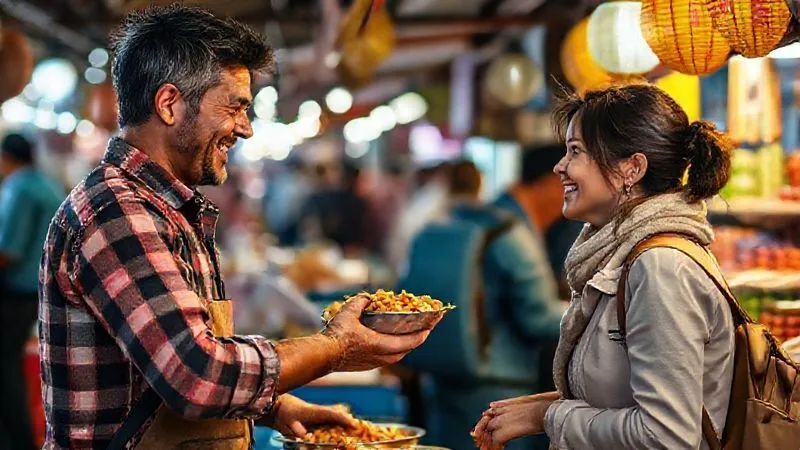
Don't be afraid to ask questions (politely, of course). "What's popular?" or "What do you recommend?" can lead to wonderful discoveries. Observing how locals interact with vendors also provides cues on appropriate behavior and expectations. A friendly smile and genuine interest can make your street food experience far more rewarding.
Expert Insight: "Cultural immersion isn't just about museums; it's about the everyday interactions. A respectful traveler is often a more welcomed and safer traveler. Plus, you might just get an extra scoop of that amazing sauce!"
Advanced Street Food Navigation: Group Tours vs. Solo Exploration
Deciding whether to join an organized street food tour or venture out independently is another strategic consideration for budget travelers. Both have their merits, and understanding the nuances can further enhance your ability to enjoy street food safely and affordably.
Pros and Cons of Guided Tours
Guided street food tours, while typically more expensive than solo exploration, offer a curated experience. Reputable tour operators often have established relationships with vendors, ensuring you visit hygienic stalls and taste authentic, safe dishes. They can also provide cultural context and handle communication barriers. This is a fantastic option for those new to a city or feeling less confident about solo navigation, offering peace of mind regarding how to craft budget street food tours without health risks. However, they can be less flexible and might not always align with the absolute lowest budget.
Empowering Solo Adventures
For the more adventurous and budget-conscious traveler, solo exploration is incredibly rewarding. It offers unparalleled freedom to follow your nose, linger at favorite stalls, and discover hidden gems. By applying all the research, observation, and hygiene tips discussed above, you can confidently craft your own safe and affordable street food itinerary. This approach demands more personal responsibility but offers maximum flexibility and often the lowest cost.
Ultimately, the choice depends on your comfort level, budget, and desired level of independence. I've done both extensively. For a first visit to a particularly intimidating street food scene, a guided tour can be an excellent introduction. For subsequent visits, or in cities where I feel more confident, I embrace the solo adventure, relying on my honed skills to find the best and safest bites.
Frequently Asked Questions (FAQ)
Can I really trust street food, even with precautions? Absolutely. With the right precautions and a discerning eye, street food can be one of the safest and most rewarding culinary experiences. Millions of locals eat street food daily without issue. The key is to be informed, observe carefully, and make smart choices. It's about minimizing risk, not eliminating it entirely, but your chances of a delightful experience far outweigh the minimal risks if you follow expert advice.
What if I get sick despite all precautions? Even the most seasoned travelers can have an off day. If you do fall ill, don't panic. Immediately start your rehydration salts and anti-diarrhea medication from your first-aid kit. Rest, drink plenty of safe fluids, and avoid solid food for a few hours. If symptoms persist or worsen (e.g., high fever, severe dehydration, blood in stool), seek medical attention promptly. Ensure you have travel insurance that covers medical emergencies.
How do I find truly authentic street food? Authenticity often lies where the locals are. Look for stalls that cater primarily to residents, not just tourists. Ask locals for recommendations, venture slightly off the main tourist paths, and observe queues. Often, the less aesthetically pleasing, more rustic stalls are where the true culinary gems reside, as their focus is entirely on the food and local clientele, not tourist appeal.
Is it okay to eat raw vegetables or salads from street vendors? Generally, I advise caution with raw vegetables and salads unless you can confirm they've been washed with purified water and handled hygienically. If you're unsure, it's safer to stick to cooked vegetables or fruits that you can peel yourself. The risk of contamination is higher with raw produce if proper washing protocols aren't followed.
How do I communicate dietary restrictions effectively? This can be challenging. Before your trip, learn key phrases for your dietary restrictions (e.g., "no meat," "no peanuts," "vegetarian") in the local language. You can also use translation apps on your phone or carry a small card with your restrictions written in the local script. Pointing to ingredients and using simple gestures can also help. Be patient and polite, and if you're ever in doubt, choose another dish.
Key Takeaways and Final Thoughts
- Research is Paramount: Invest time in pre-trip research to identify reputable vendors and markets.
- Observe Critically: Be vigilant on-site, looking for signs of cleanliness, high turnover, and local patronage.
- Order Strategically: Prioritize hot, freshly cooked food and be cautious with raw produce and ice.
- Budget Smartly: Use local currency, avoid tourist traps, and don't overpay for basic items.
- Personal Hygiene is Key: Always carry and use hand sanitizer, and ensure safe hydration.
- Be Prepared: A basic first-aid kit with rehydration salts and anti-diarrhea medication is essential.
- Engage Respectfully: Learn basic phrases and interact positively with local vendors.
Embracing the world of street food is an unparalleled adventure, a vibrant dive into the heart of a culture. By applying these expert strategies on how to craft budget street food tours without health risks, you're not just safeguarding your health and wallet; you're empowering yourself to truly experience the authentic pulse of your destination. Go forth, explore, and savor every safe, delicious, and budget-friendly bite the world has to offer. Your next culinary discovery awaits!
Recommended Reading
- LEO Space Tourists: 7 Critical Steps to Prevent Medical Incidents
- 7 Steps to Quiet Your Professional Mind for Mindful Solo Travel
- 7 Intentional Travel Paths for Burned-Out Professionals to Find Inner Peace
- Elevate Luxury: 7 Ways to Integrate Railway Museums into High-End Train Tours
- 7 Proven Strategies: Beat City Break Overwhelm for Maximum Productivity




Your email address will not be published. Required fields are marked *