

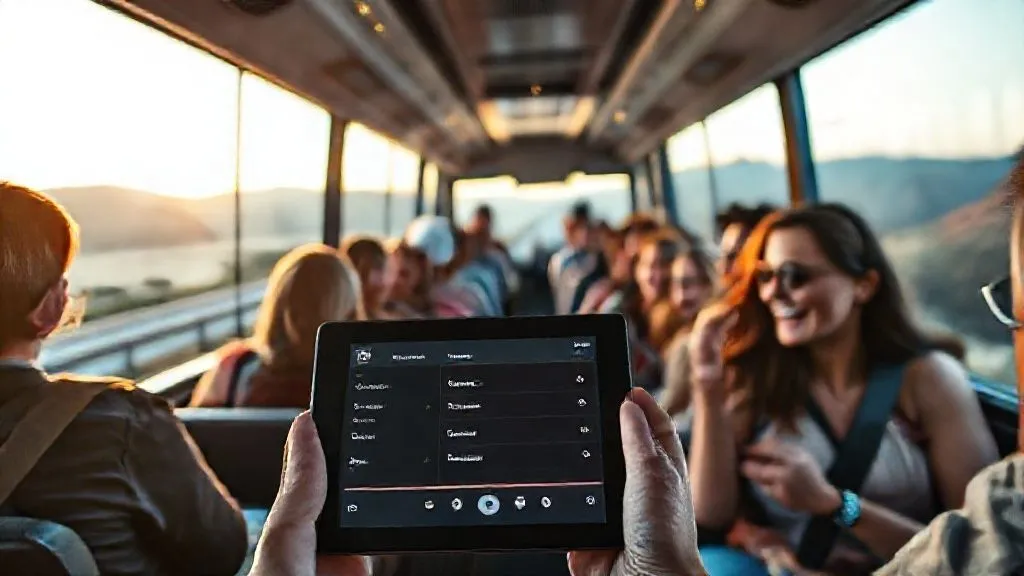
How to Craft Legally Compliant Road Trip Playlists for Diverse Client Groups?
For over 15 years in the specialized world of curated travel experiences, particularly road trips, I've seen countless details meticulously planned – from route optimization to gourmet picnic baskets. Yet, one crucial element often gets overlooked, creating a silent legal liability: the music. The perfect soundtrack can elevate a journey from good to unforgettable, but mismanaging its legal aspects can lead to hefty fines, reputational damage, and a significant headache.
The problem is multi-faceted. On one hand, you have the complex web of copyright laws and public performance rights that govern how music can be used commercially. On the other, you have the diverse tastes and expectations of your client groups, from families seeking singalongs to corporate retreats needing ambient background scores. Balancing legal compliance with client satisfaction isn't just a best practice; it's a non-negotiable requirement for any reputable travel operator.
This guide isn't just a theoretical overview; it's a deep dive into actionable strategies. I'll walk you through a proven framework, share expert insights, and arm you with the knowledge to craft legally compliant, highly engaging road trip playlists that delight every client, every time. You'll learn how to navigate licensing, identify client preferences, and build a robust, future-proof music strategy.
Understanding the Legal Landscape: Public Performance Rights
When you play music for a group of people in a commercial setting – be it a tour bus, a rental car provided by your service, or even background music in your waiting lounge – you are engaging in a 'public performance.' This isn't about whether the public hears it; it's about whether the performance is outside of a normal family and social circle, and importantly, whether it's in connection with a business activity. This distinction is paramount, and it's where many businesses inadvertently fall foul of copyright law.
Every piece of copyrighted music has a set of rights attached to it, and one of the most critical for businesses is the public performance right. This right belongs to the songwriter and publisher, and they license it through Performing Rights Organizations (PROs). Ignoring these rights isn't just a minor oversight; it's a direct infringement that can carry significant penalties.
The Big Three: ASCAP, BMI, SESAC
In the United States, three primary PROs dominate the landscape: ASCAP (American Society of Composers, Authors and Publishers), BMI (Broadcast Music, Inc.), and SESAC (Society of European Stage Authors and Composers). Each represents a vast catalog of musical works, and together, they cover the vast majority of commercially available music.
ASCAP and BMI are non-profit organizations, representing millions of copyrighted works. They collect licensing fees from businesses and distribute royalties to their affiliated songwriters, composers, and music publishers. SESAC, on the other hand, is a for-profit entity, operating on an invitation-only basis for its affiliates, though its function is similar in collecting and distributing royalties.
Key Insight: Commercial use of music, even background music in a tour vehicle, requires specific licensing for public performance. Personal streaming subscriptions like Spotify Premium or Apple Music do NOT grant these commercial rights.
To legally play music from their respective catalogs, businesses typically need a blanket license from each of these PROs. This can seem daunting, but it's a necessary step to ensure compliance and avoid legal repercussions. You can learn more about their specific licensing requirements at their official websites: ASCAP and BMI.
Identifying Your Client Groups and Their Musical Preferences
Legal compliance is the foundation, but client satisfaction builds the experience. A generic 'road trip playlist' simply won't cut it for diverse client groups. Understanding who your clients are – their demographics, psychographics, travel motivations, and ultimately, their musical tastes – is critical to curating truly impactful and memorable soundtracks. This personalized approach differentiates your service and enhances their journey significantly.
I’ve always emphasized that knowing your audience is half the battle in any service industry. For road trips, this means going beyond basic age groups and delving into what kind of atmosphere they seek. Are they looking for energetic motivation, relaxing ambiance, cultural immersion, or nostalgic trips down memory lane?
Segmenting Your Audience for Tailored Experiences
Effective segmentation allows you to create targeted playlists that resonate deeply. Consider these broad categories:
- Families with Young Children: Often prefer kid-friendly singalongs, popular movie soundtracks, or upbeat, non-offensive pop music.
- Adventure Seekers/Young Adults: May lean towards indie, alternative, high-energy pop, or genres that match the thrill of their adventure (e.g., electronic dance music for desert drives).
- Seniors/Retirees: Appreciate classic hits from their youth, jazz, classical, or easy-listening genres that provide a relaxed, comfortable atmosphere.
- Corporate/Executive Groups: Often prefer professional, instrumental, or ambient music that facilitates conversation or quiet contemplation, avoiding anything too distracting or polarizing.
- Cultural/Themed Tours: Benefit from regional music relevant to the destination, folk music, or historical genres that enhance the immersive experience.

Researching Genre & Era Preferences
How do you gather this crucial data? Here are some proven methods:
- Pre-Trip Surveys: Include a short question about preferred music genres, artists, or even specific moods they'd like the music to evoke.
- Feedback Forms: Post-trip feedback can provide invaluable insights for future playlist refinement. Ask specific questions like, "Did you enjoy the music? What kind of music would you prefer next time?"
- Social Media Listening: Observe trends and discussions within travel communities or demographics you target. What music are they sharing or mentioning in relation to travel?
- Direct Consultation: For high-end or bespoke tours, a brief conversation with the client about their musical preferences can go a long way in personalization.
- Past Booking Data: Analyze previous booking patterns. Do certain groups consistently book specific types of tours? This might correlate with musical tastes.
By investing time in understanding your clients' musical leanings, you're not just creating playlists; you're crafting personalized auditory journeys that significantly enhance their overall road trip experience, all while ensuring your legal bases are covered.
Navigating Licensing Options for Commercial Playlists
Once you understand the 'why' and 'for whom,' the next step is the 'how' – how do you legally acquire the music? This is where the world of music licensing can seem complex, but with a clear understanding of your options, it becomes manageable. The key is to differentiate between personal use and commercial use. Your personal Spotify subscription, for example, is strictly for non-commercial, private enjoyment and cannot be used in a business context without additional licensing.
For commercial road trip playlists, you generally have two main avenues: direct licensing from Performing Rights Organizations (PROs) or utilizing royalty-free music libraries. Each has its advantages and disadvantages, and the best approach often involves a hybrid strategy.
Direct Licensing vs. Blanket Licenses
Direct Licensing involves obtaining permission directly from the copyright holder for a specific song or set of songs. This is typically complex and costly for a large music library, as it requires individual negotiations with publishers and songwriters. It's usually reserved for very specific, high-profile uses where a particular song is essential.
Blanket Licenses, offered by PROs like ASCAP, BMI, and SESAC, are the most common and practical solution for businesses that want to play a wide variety of popular music. A blanket license grants you permission to publicly perform any song within that PRO's vast catalog for a set annual fee. While you generally need licenses from all three major PROs to cover the majority of popular music, these licenses simplify the process immensely compared to licensing each song individually.
| Feature | Blanket License (PROs) | Direct Licensing |
|---|---|---|
| Coverage | Vast catalog of popular music from one PRO | Specific song(s) from a particular copyright holder |
| Cost Structure | Annual fee based on business size/type | Negotiated per song/use, potentially very expensive |
| Complexity | Relatively simple, one agreement covers many songs | Highly complex, individual negotiations |
| Flexibility | High – play almost anything in their catalog | Low – limited to specific licensed tracks |
| Best For | General commercial use of popular music | Very specific, high-profile music needs |
Royalty-Free Music Libraries: A Practical Solution?
Another increasingly popular option is to utilize royalty-free music libraries. The term 'royalty-free' can be a bit misleading; it doesn't mean the music is free of cost, but rather that once you pay an upfront licensing fee, you typically don't owe recurring royalty payments for its use within the scope of your license. These libraries offer a wide range of genres and moods, often created specifically for commercial use in media, films, and businesses.
The key advantage of royalty-free music is its simplicity and often lower long-term cost, especially for smaller businesses or those not needing top-40 hits. You purchase a license (which might be a one-time fee per track, a subscription, or a credit-based system) that grants you the right to use the music commercially. However, it's crucial to read the specific license terms carefully, as they can vary significantly between providers. Some licenses might cover all commercial uses, while others have limitations on broadcast, number of uses, or type of business.
Reputable royalty-free platforms include services like Epidemic Sound, Audiojungle, or Artlist. While these libraries might not feature mainstream artists, they offer high-quality, diverse music that can perfectly complement a road trip experience without the complexities of PRO licensing. For a good starting point, you can explore options like Audiojungle, but always verify the specific license terms for your commercial use case.
Building Your Compliant Music Library: Step-by-Step
Now that you understand the legal frameworks and licensing options, it's time to put that knowledge into action. Building a compliant music library is an ongoing process that requires careful planning, meticulous record-keeping, and a strategic approach. Think of it as constructing an auditory asset for your business – one that is both enjoyable for your clients and legally sound.
I've guided many businesses through this process, and the common thread for success is a systematic approach. Don't try to tackle everything at once; break it down into manageable steps.
Step 1: Audit Existing Music Assets
Before you acquire new music, take stock of what you currently use. This includes any music played on tour buses, in rental vehicles, or even in your office. The goal is to identify potential compliance gaps.
- List All Music Sources: Document every source of music currently used (e.g., personal CDs, streaming service playlists, downloaded tracks, royalty-free purchases).
- Identify Usage Contexts: Note where and how each music source is used (e.g., background music in tour bus, specific playlist for a themed trip, office ambiance).
- Review Existing Licenses: For any music you believe you have licensed, locate and review the associated documentation. Does it explicitly cover public performance for commercial use?
- Flag Non-Compliant Sources: Any music sourced from personal accounts (Spotify, Apple Music, YouTube downloads) or without clear public performance licenses should be immediately flagged for removal or replacement.
Step 2: Determine Licensing Needs Per Client Group
Based on your client segmentation and the types of road trips you offer, decide which licensing approach makes the most sense for each. This might mean a hybrid strategy.
- High-Demand Popular Music: If your clients consistently request popular artists and chart-topping hits, you will likely need blanket licenses from ASCAP, BMI, and potentially SESAC.
- Niche/Themed/Background Music: For ambient sounds, specific moods, or less mainstream genres where chart music isn't essential, royalty-free music libraries can be a cost-effective and compliant solution.
- Mixed Approach: Many successful operators use a combination – blanket licenses for general background music and specific royalty-free tracks for niche tour themes or marketing content.
Step 3: Source and Acquire Licenses
This is where you make the official arrangements to acquire your music rights.
- Contact PROs: Reach out to ASCAP, BMI, and SESAC to inquire about their blanket licensing options for your specific business type (e.g., tour operator, transportation service). Be prepared to provide details about your fleet size, number of tours, and estimated audience.
- Explore Royalty-Free Libraries: Research and subscribe to reputable royalty-free music platforms. Carefully read their licensing agreements to ensure they cover your intended commercial use (e.g., playing in vehicles, for multiple clients).
- Purchase Tracks/Subscriptions: Acquire the music files and associated licenses according to your chosen strategy. Always ensure you receive and retain clear documentation of your purchase and license terms.
Step 4: Document Everything Meticulously
This cannot be overstated. Proper documentation is your first line of defense in case of a copyright inquiry or audit. It demonstrates due diligence and compliance.
- Maintain a Centralized License Folder: Keep all PRO agreements, royalty-free licenses, and any direct licensing contracts in an easily accessible digital or physical folder.
- Create a Music Inventory Log: For each track or album, record its source, license type, acquisition date, and the specific terms of use. Include renewal dates for blanket licenses.
- Train Your Team: Ensure all tour guides, drivers, and relevant staff understand your music policy, know which music sources are approved, and understand the importance of compliance.
Expert Tip: Treat your music licenses like legal contracts; proper documentation is your best defense against potential infringement claims. Ignorance of the law is not an excuse.
Curating Playlists for Maximum Engagement and Compliance
With your compliant music library in hand, the art of playlist curation begins. This is where your expertise as a travel specialist truly shines – blending legal requirements with the desired emotional impact for your clients. The goal is to create seamless, enjoyable auditory experiences that enhance the road trip without ever raising a red flag for legal non-compliance. It's a delicate balance, but entirely achievable with a thoughtful approach.
In my experience, a well-curated playlist isn't just background noise; it's an integral part of the journey's narrative. It can set the mood, evoke memories, or even introduce clients to new cultural sounds. This is where your understanding of diverse client groups becomes invaluable.
Case Study: "The Serenity Scenic Route" – A Tour Operator's Success
"Scenic Horizons Tours," a mid-sized operator specializing in luxury nature retreats, faced a challenge. Their older clientele appreciated classic rock and folk, but their younger "adventure wellness" groups preferred ambient electronic or indie pop. Their existing music strategy relied on personal streaming accounts, posing a significant legal risk and failing to satisfy diverse tastes.
By implementing the strategies outlined here, Scenic Horizons:
- Acquired PRO Blanket Licenses: This covered popular classic rock and folk for their traditional tours.
- Subscribed to a Premium Royalty-Free Library: This provided a wealth of ambient, instrumental, and contemporary indie tracks for their wellness and adventure trips.
- Developed Client Profiled Playlists: They created distinct playlists for each tour type, pre-loaded onto dedicated, licensed devices in each vehicle.
- Trained Drivers: Each driver received clear guidelines on which playlists to use for which tour, and how to manage music volume and transitions.
Results: Within six months, client feedback on music satisfaction jumped by 40%. They received zero legal complaints or inquiries regarding music usage. More importantly, the tailored music enhanced the perceived value of their tours, leading to a 15% increase in repeat bookings from both traditional and adventure clientele. This demonstrated that compliance and customization can coexist beautifully.

Tools and Best Practices for Playlist Creation
Leverage technology and smart practices to make curation efficient and effective:
- Dedicated Music Playback Devices: Use devices (e.g., tablets, dedicated media players) loaded with your licensed music, rather than personal phones. This ensures consistency and prevents accidental use of unlicensed content.
- Mood Mapping: Plan your playlists to match the journey's narrative. Start with calm, anticipatory tracks, build energy during scenic highlights, and wind down with relaxing tunes.
- Tempo and Genre Transitions: Ensure smooth transitions between songs and genres. Abrupt changes can be jarring.
- Variety within Compliance: Even within a genre, offer variety to keep listeners engaged. Avoid excessive repetition.
- Consider Instrumental Options: For corporate or highly scenic routes, instrumental music can be ideal as it provides ambiance without distracting from conversation or the view.
- Regular Updates: Keep your playlists fresh. Rotate tracks, add new licensed music, and remove anything that feels dated or repetitive based on client feedback.
Remember, the goal is to create an immersive, enjoyable, and legally robust auditory experience that becomes a signature part of your road trip offerings.
Ongoing Management and Future-Proofing Your Playlists
The world of music, copyright law, and client preferences is constantly evolving. Therefore, crafting legally compliant road trip playlists isn't a one-time task; it's an ongoing commitment. To truly future-proof your music strategy, you need a system for continuous review, adaptation, and staying informed. Neglecting this crucial phase can quickly undo all your hard work and expose you to renewed risks.
I’ve often seen businesses make a great initial effort, only to let their licenses lapse or their music become stale. Proactive management is key to maintaining both legal compliance and a high-quality client experience.
Regular License Review and Renewal
Your blanket licenses from PROs typically have annual or multi-year renewal cycles. Royalty-free subscriptions also have expiry dates or usage limits. Mark these dates clearly in your calendar and set reminders well in advance.
- Annual Audit: Conduct a yearly review of all your music licenses. Confirm their validity, check for any changes in terms, and initiate renewals promptly.
- Budget for Renewals: Factor music licensing fees into your annual operating budget to avoid last-minute scrambling.
- Update Documentation: Always replace expired license documents with current ones in your centralized folder.
Gathering Client Feedback and Adapting
Your clients are your best critics and innovators. Actively solicit feedback on your playlists and be prepared to adapt.
Staying Informed on Copyright Law Changes
Copyright law, especially in the digital age, is not static. New legislation, court rulings, or changes in PRO policies can impact your compliance. It's vital to stay informed.
- Industry Publications: Follow reputable travel industry and music licensing news sources.
- PRO Updates: Subscribe to newsletters from ASCAP, BMI, SESAC, and your chosen royalty-free providers. They often communicate important changes directly to licensees.
- Legal Counsel: For significant changes to your business model or if you operate in multiple jurisdictions, consult with legal counsel specializing in intellectual property or entertainment law.
A good resource for general copyright information is the U.S. Copyright Office: Copyright.gov. By embracing ongoing management, you ensure your road trip playlists remain a compliant, dynamic, and delightful asset for your business for years to come.
Addressing Common Pitfalls and Misconceptions
Despite best intentions, certain misconceptions about music usage persist, often leading businesses down a path of unwitting infringement. As an industry veteran, I’ve encountered these common pitfalls repeatedly. Clarifying them is essential for building a truly robust and legally compliant music strategy for your road trip offerings.
"It's just background music, who cares?"
This is perhaps the most dangerous misconception. The law doesn't differentiate between foreground and background music when it comes to public performance rights. If music is playing in a commercial setting (like a tour bus), it's considered a public performance, regardless of volume or prominence. PROs actively monitor businesses for unlicensed music use, and the penalties for infringement can be substantial – often thousands of dollars per infringed song, plus legal fees. It's simply not worth the risk.
"I paid for the song, I can use it anywhere."
Purchasing a song (e.g., buying a CD, downloading from iTunes, subscribing to a streaming service) grants you a personal, private use license. It does NOT grant you the right to publicly perform that song in a commercial context. Think of it like buying a movie ticket: you can watch the movie, but you can't then screen it for paying customers in your own theater. The purchase is for the copy, not for all the underlying rights, especially public performance.
"My clients requested the song, so it's okay."
While client requests are valuable for curation, they do not supersede copyright law. Even if every passenger explicitly asks for a particular song, if you don't have the proper public performance license for it, playing it in your commercial vehicle is an infringement. This is why a compliant music library, curated from PRO-licensed or royalty-free sources, is non-negotiable.
"I only play music occasionally, so it doesn't count."
Frequency of use is irrelevant to the legality of public performance. Whether you play music once a month or all day, every day, if it's a commercial public performance of copyrighted material without a license, it's an infringement. The law doesn't have a 'grace period' for infrequent use.
"It's too complicated and expensive to get licenses."
While it requires effort and an investment, the cost of licensing is typically far less than the potential fines and legal costs associated with infringement. PROs offer various licensing tiers, and royalty-free libraries provide cost-effective alternatives. The perceived complexity often stems from a lack of clear information, which this guide aims to rectify. With a structured approach, it's entirely manageable.
Frequently Asked Questions (FAQ)
Question? What's the difference between a mechanical license and a public performance license?
Answer: A mechanical license is required when you reproduce or distribute copyrighted music, such as making physical copies (CDs) or digital downloads. It's typically paid to the songwriter and publisher. A public performance license, as discussed, is required when music is played in a public setting, like your tour bus, and is primarily collected by PROs on behalf of songwriters and publishers. These are distinct rights and often require separate licenses.
Question? Can I use Spotify or Apple Music for my commercial road trip tours?
Answer: No, absolutely not. Personal streaming subscriptions like Spotify, Apple Music, or Pandora are licensed for personal, non-commercial use only. Their terms of service explicitly prohibit public performance in a business setting. Using them commercially is a direct violation of their terms and copyright law, exposing your business to significant legal risk.
Question? What are the penalties for non-compliance?
Answer: Penalties for copyright infringement can be severe. Statutory damages can range from $750 to $30,000 per infringed work, and up to $150,000 per work if the infringement is deemed willful. In addition to monetary fines, your business could face injunctions preventing future use of music, and significant legal fees. It can also severely damage your brand's reputation.
Question? How do I handle international road trips and varying copyright laws?
Answer: This is a complex area. Copyright laws are territorial, meaning you must comply with the laws of each country where you publicly perform music. Many countries have their own PROs (e.g., PRS in the UK, GEMA in Germany). If your road trips cross international borders, you'll need to research and obtain appropriate licenses for each jurisdiction. Consulting with an international intellectual property lawyer is highly recommended for multi-country operations.
Question? Is it safer to just use royalty-free music exclusively?
Answer: While using royalty-free music from reputable libraries can be a simpler and often more cost-effective path to compliance, it's not without its own considerations. You must still carefully read and understand the specific license terms for each track or subscription to ensure it covers your intended commercial use. It might also limit your access to popular, mainstream music that some client groups might prefer. A hybrid approach often provides the best balance of compliance, cost-effectiveness, and client satisfaction.
Key Takeaways and Final Thoughts
Crafting legally compliant and engaging road trip playlists for diverse client groups is more than just a legal necessity; it's an opportunity to elevate your service, enhance client satisfaction, and safeguard your business's reputation. Navigating the complexities of music licensing doesn't have to be a daunting task when approached systematically.
- Prioritize Legal Compliance: Understand that commercial use of music requires specific public performance licenses, distinct from personal streaming subscriptions.
- Know Your Audience: Segment your client groups and research their musical preferences to create genuinely tailored and enjoyable playlists.
- Strategic Licensing: Choose between blanket licenses from PROs (ASCAP, BMI, SESAC) and royalty-free music libraries, or implement a hybrid approach based on your needs.
- Meticulous Documentation: Keep precise records of all licenses, agreements, and music sources. This is your essential defense against infringement claims.
- Dynamic Curation: Build playlists that match the mood and flow of your road trips, using licensed music to enhance the journey's narrative.
- Continuous Management: Regularly review and renew licenses, solicit client feedback, and stay informed on evolving copyright laws to future-proof your strategy.
By embracing these principles, you're not just avoiding penalties; you're investing in a superior client experience and demonstrating a commitment to ethical, professional business practices. The perfect soundtrack, legally acquired and thoughtfully curated, can transform a drive into an unforgettable adventure, leaving your clients with lasting memories and a desire to return. Drive forward with confidence, knowing your music is as perfectly tuned as your engine.
Recommended Reading
- Solo Abroad: 9 Expert Tips on How to Avoid Travel Scams
- Boost Resort Child Program Profits: 7 Proven Strategies for Success
- Glamping Kitchen Health Codes: 7 Steps to Navigate Regulations Safely
- The Ultimate Guide: How to Choose the Right Culinary Tour Operator for Your Dream Trip
- Funding Lunar Bases: 7 Proven Strategies for Space Tourism Infrastructure


Your email address will not be published. Required fields are marked *